
Reviewed · CHURCHES & MONASTERIES
San Lorenzo de El Escorial: Monastery and Site Guided Tour
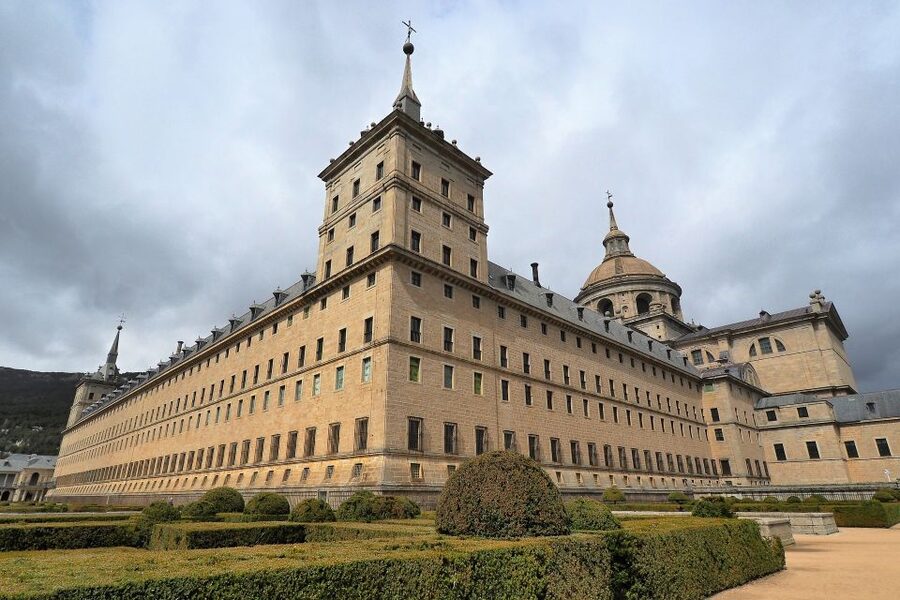
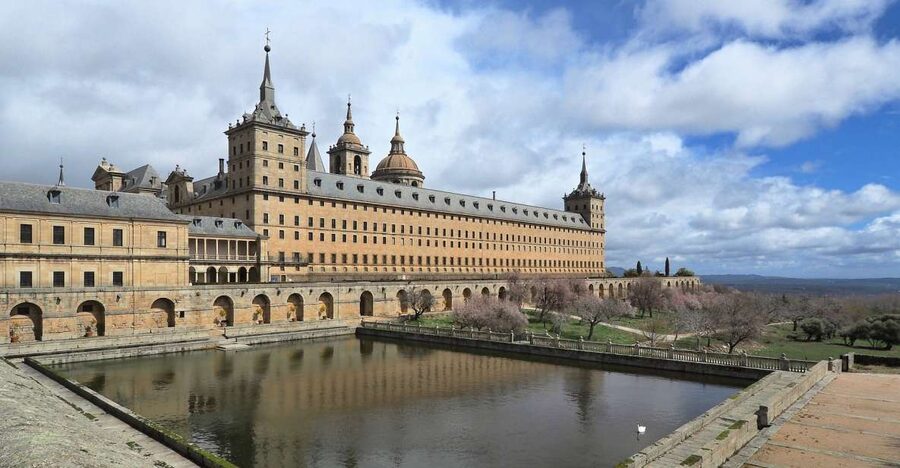
Philip II’s monastery at San Lorenzo de El Escorial is far more than a grand church. It is a royal tomb, palace, library, monastery, and political statement packed into one vast Renaissance complex. This two-hour tour takes you through the main rooms with a live Spanish-speaking guide, rather than leaving you to find your way through the building alone.
I like the way the tour links the architecture to the Spanish Golden Age and Philip II’s ambitions. I also like that the route includes the Royal Library, the Battle Hall, the basilica, the royal pantheon, and palatial rooms, giving you a broad look at the site in a short time. The main consideration is language: the listed tour language is Spanish, so you should be comfortable following a Spanish explanation.
Key points at a glance
- Philip II’s royal project: Learn how this immense 16th-century complex reflected the king’s religious, political, and humanist aims.
- The Royal Library: See the collection assembled by Philip II to expand his humanistic knowledge, one of the tour’s most distinctive stops.
- A complete interior route: Visit the basilica, Battle Hall, royal pantheon, palace rooms, and other major areas in two hours.
- Helpful guide-led navigation: The building can feel like a maze when explored alone, so a planned route saves time and confusion.
- Simple meeting point: Exchange your voucher at the main entrance, marked by the Spanish flag, where the guide waits with a blue Todo Tour umbrella.
- Good booking flexibility: The $47 price includes the guide and entry ticket, with cancellation allowed up to 24 hours before the tour.
Why El Escorial deserves your time
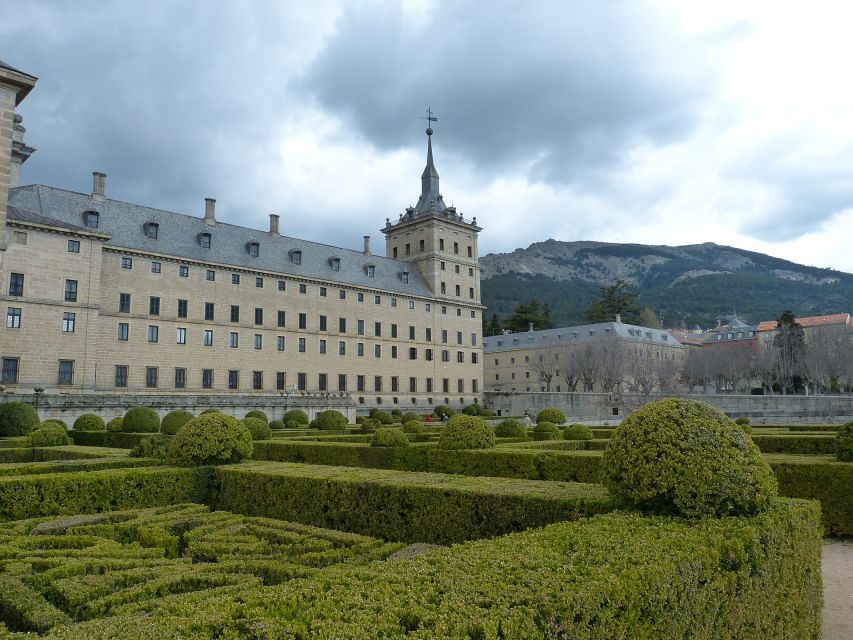
San Lorenzo de El Escorial sits near Madrid and is one of Spain’s major Renaissance monuments. The complex was built in the 16th century during the reign of Philip II, a king whose rule shaped Spain’s power, faith, and culture during the Spanish Golden Age.
The building’s scale is the first thing to grasp. You are not simply visiting a monastery church with a few royal rooms attached. The complex brings together religious spaces, royal living quarters, burial places, art, military memory, and books. Its famous grill-shaped plan connects to the site’s dedication to Saint Lawrence, giving the entire structure a strong symbolic purpose.
I find El Escorial most rewarding when you look past the stone and ask what Philip II wanted the building to say. It presents the monarchy as devout, disciplined, learned, and powerful. Your guide’s job is to connect those ideas to the rooms in front of you, so the tour is not just a walk through impressive interiors.
The site is also valuable because it shows a side of Madrid’s royal story that you cannot get from the city center alone. Madrid offers grand palaces and museums, but El Escorial gives you a much broader sense of how religion and royal authority worked together in Spain.
More churches and monasteries in Castile:
- From Madrid: El Escorial and Valley’s Basilica Half Day Tour
★ 4.4 · 638 reviews - Toledo Tour from Madrid: Cathedral, Synagogue & St. Tome’s Church
★ 5.0 · 6,784 reviews - Montserrat Monastery Half Day Experience from Barcelona
★ 5.0 · 6,014 reviews
The meeting point and first practical steps
You should arrive 15 minutes before the scheduled start. The meeting point is at the monastery’s access door, specifically the main entrance with the Spanish flag above it. You must exchange your voucher there before joining the group.
Look for the guide with a blue Todo Tour umbrella. This detail matters because the main entrance can be busy, and one participant wished the meeting point had a clearer identifying sign. I would not arrive at the last minute. Give yourself time to find the entrance, locate the umbrella, and complete the voucher exchange without starting the tour in a rush.
Bring your passport or identity card. Large bags and luggage are not allowed, so this is not a good stop for carrying your full travel kit. The dress rules also matter: short skirts, sleeveless shirts, and swimwear are not permitted. Since the monastery includes religious spaces, you should dress in a respectful way and keep noise down inside.
The tour is listed as wheelchair accessible. If accessibility is important for your visit, it is still wise to confirm the current route when booking, since historic buildings can have specific access arrangements.
Entering Philip II’s Renaissance complex
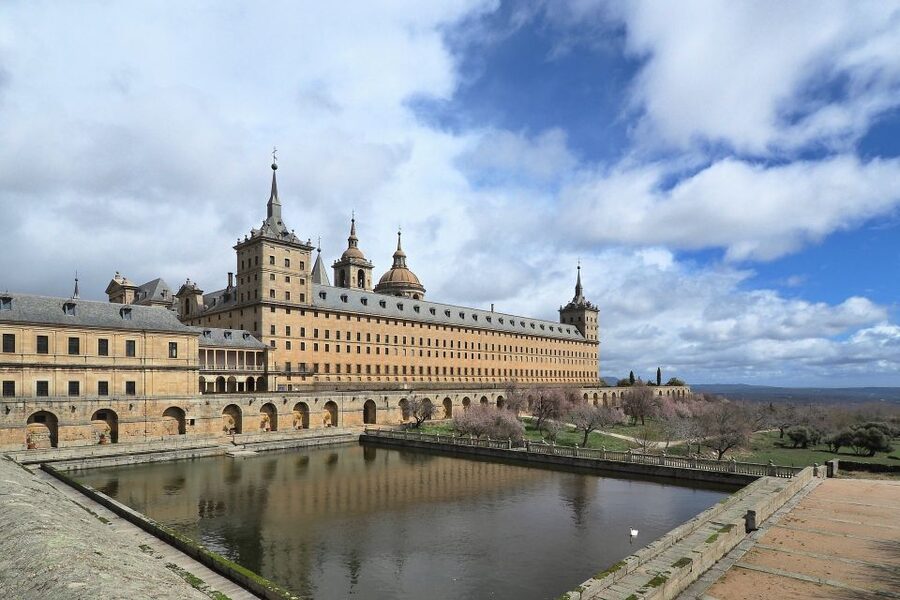
Once inside, your guide sets the larger story in place. El Escorial was built in the 16th century under Philip II, and the building’s design reflects the king’s religious devotion as well as his political reach.
A guide-led introduction is especially useful here because the complex can be hard to read at first. Its size and formal layout may impress you, but without context, the rooms can blur together. A good explanation gives each area a role: worship, royal government, burial, military memory, or study.
The best guides make this history clear without turning it into a lecture. Alejandro is praised for being witty, friendly, and professional. Isabella is praised for her energy and clear explanations, while Marta is remembered for explaining facts rather than fiction and adding a good sense of humor. Those details suggest the experience depends heavily on the guide assigned to your group, but the repeated praise for clarity and preparation is encouraging.
The official language is Spanish. That should be your deciding factor before you book. Some past participants specifically praised a guide’s English ability, but the activity information identifies Spanish as the tour language, so do not assume an English tour is guaranteed.
The basilica and the power of royal faith
The basilica is one of the essential stops. Here the religious purpose of El Escorial becomes impossible to miss. The building was not designed simply as a royal residence with a chapel tucked to one side. Worship sits at the heart of the complex.
Your guide explains how the basilica fits into Philip II’s larger plan. The church helped present the monarchy as a defender of Catholic faith during a period when religion and politics were closely tied. This makes the stop more meaningful than a quick look at architecture. You are seeing how a king used space, ceremony, and design to express his place in the world.
Take time to look upward and across the room, but stay with the group. Two hours is enough for the major rooms, not for a leisurely study of every decorative detail. If you enjoy architecture, you may wish the schedule allowed more independent time. The trade-off is that the route keeps moving and helps you see the main parts of the monument without getting lost.
A few more Castile half-days worth comparing
- From Madrid: Day Trip to Ávila and Salamanca w/ Guided Tour
★ 4.5 · 456 reviews - Madrid: Cuenca Day Tour with or without Enchanted City
★ 4.8 · 398 reviews - Salamanca Sightseeing Walking Tour with Local Guide. Spanish
★ 4.7 · 312 reviews - Avila & Salamanca Tour with Tickets to Cathedral + Medieval Wall
★ 4.5 · 250 reviews
The Battle Hall and Spain’s military story
The Battle Hall shifts the focus from worship to war. It is one of the tour’s most distinctive rooms because it connects the monastery to Spain’s military power and imperial ambitions.
This is where the Spanish Golden Age becomes more concrete. The room helps show how royal memory was shaped through images and ceremony. Your guide can explain the battles and the political message behind displaying them in a royal complex.
I like this part of the tour because it prevents El Escorial from becoming only a story about monks, kings, and stonework. The building also reflects Spain’s role as a major European power. You see how faith, monarchy, and military success were placed side by side under one roof.
The Battle Hall is also a place where a guide adds real value. If you walk through independently, you can admire the room but miss the meaning behind what is shown there. The explanation turns a formal gallery into a record of how the monarchy wanted its victories remembered.
The royal pantheon and Spain’s buried kings
The royal pantheon gives the visit a more personal and solemn edge. This is where many of Spain’s kings are buried, making the monastery not only a royal residence and religious center, but also a place of dynastic memory.
The pantheon helps you understand why El Escorial mattered for generations after Philip II. A palace can represent power during a king’s lifetime. A royal burial place carries that message forward, linking one ruler to the next.
Expect the mood here to be quieter and more formal. The space is about lineage, death, and continuity rather than daily palace life. Your guide provides the names and background that help you place the burial chamber within Spanish history.
This stop is especially worthwhile if you have an interest in monarchies or national history. If royal tombs are not a priority for you, it may feel more austere than the library or palace rooms. Still, it is one of the core parts of the monument and gives the entire visit a sense of purpose.
Palatial rooms and the royal side of the building
The palatial rooms show how the monarchy occupied the complex. They add a human scale to a building that can otherwise feel formal and monumental.
Here, I would listen for the details about how the royal spaces related to the monastery and basilica. El Escorial was not a simple palace built for comfort and display. Its design brought royal life into close contact with religious practice and dynastic duty.
The palace section is also useful for comparing public and private power. The basilica presents the monarchy before God and the nation. The palatial rooms show where royal life took place within that larger setting.
The exact amount of time spent in each room may vary with the guide and group. One participant felt a return visit seemed more rushed than a previous experience. That is a fair warning: two hours gives you an efficient overview, but you should not expect a slow, room-by-room study.
The Royal Library and Philip II’s humanist ambition
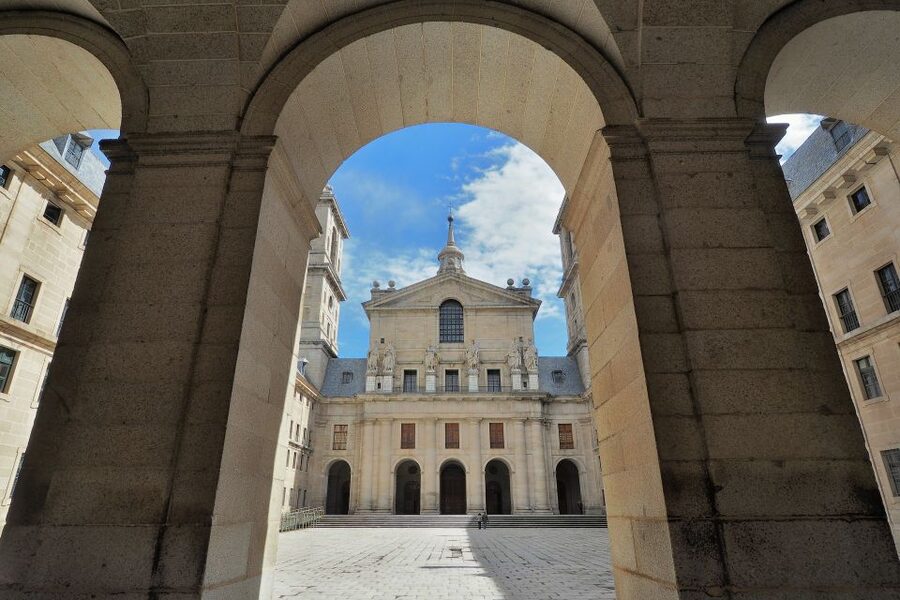
For many visitors, the Royal Library is the highlight. Philip II collected its books to expand his humanistic knowledge, and the library reveals a side of the king that is easy to miss if you think of him only as a stern ruler and defender of Catholic Spain.
The library represents learning as royal power. Books were not merely private possessions. A major collection showed that the court valued scholarship, history, theology, and the wider world of ideas.
I especially like that the library is included in the standard route. It gives the tour an intellectual center and makes the building feel less like a monument to military and religious authority alone. Philip II wanted El Escorial to embody study as well as rule.
Look carefully at the room’s design and the sense of order it creates. You may find the library more visually memorable than the palace rooms, but its importance is not just decorative. Your guide helps explain why Philip II gathered the volumes and how that collection served his humanist interests.
If you love books, Renaissance culture, or the history of ideas, this stop alone adds weight to the $47 cost. If you are mainly interested in royal interiors, it still gives you a welcome change of pace from the basilica and tombs.
Is two hours enough?
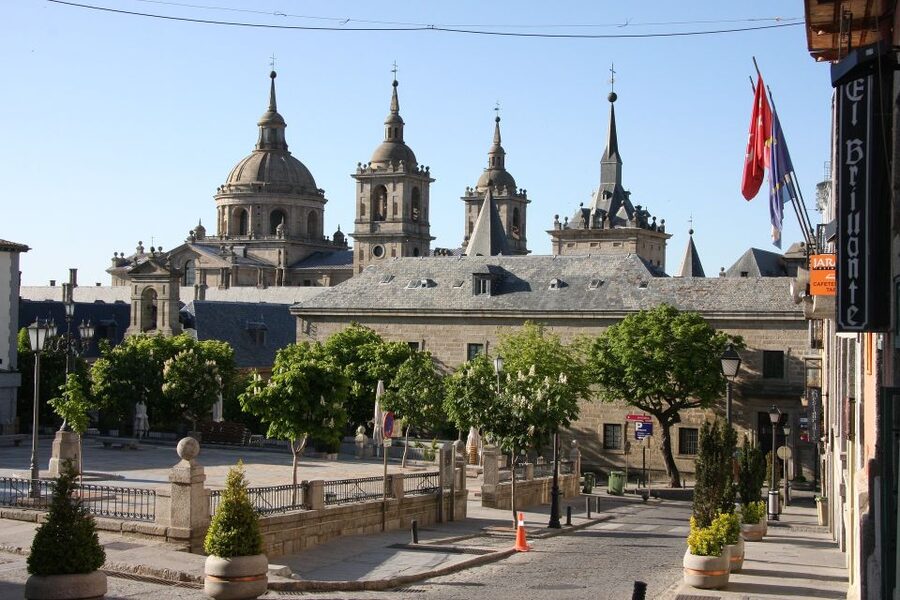
Two hours is a sensible length for a first visit. It gives you a structured route through the main areas without asking you to spend half a day inside one complex.
The advantage is efficiency. You see the basilica, Battle Hall, pantheon, palatial rooms, Royal Library, and other important spaces in one continuous visit. A guide also helps you avoid wasting time looking for the next room.
The limitation is depth. El Escorial is large, and you will not examine every room or detail at leisure. If you want extensive time for photography, close architectural study, or repeated visits to favorite spaces, you may prefer to explore independently after the guided portion, if permitted by the site.
A small group can make the pace feel more personal. One past group had only four people in its English-speaking outing and found the efficient route especially worthwhile. Group size is not specified for every departure, so do not book on the assumption that your group will be that small.
Is $47 a fair price?
At $47 per person, the price includes both the entry ticket and a two-hour guided tour. That makes the value depend on how much you want interpretation rather than simply admission.
If you already know Spanish history, understand Renaissance architecture, and are comfortable finding your way through a large historic building, an entry ticket alone might suit you better if available. You would save money but give up the planned route and live explanations.
For most first-time visitors, I consider the price reasonable. The guide connects separate parts of the complex into one story, and the building can be confusing without help. One independent visitor using an electronic guide reportedly felt lost and walked more than necessary, while the guided route felt organized and direct.
The strongest value comes from the content, not from skipping a line. The supplied information does not promise priority entry, so book this for the guide and included admission, not for an assumed fast-track benefit.
Who should book this El Escorial tour?
I would choose this tour if you have a limited amount of time near Madrid and want the main rooms explained in a clear order. It is also a good fit if you care about Philip II, the Spanish monarchy, Catholic history, Renaissance architecture, or the Spanish Golden Age.
It suits first-time visitors particularly well. You get the major highlights without having to build your own route through a very large complex.
You may want a different plan if you need an English-speaking guide, prefer to wander slowly, or dislike fixed pacing. The listed language is Spanish, and the two-hour format keeps the group moving.
The tour is also a practical option for visitors who want a focused historical visit rather than a general day out. It does not include transportation, meals, or other attractions, so plan those separately.
Final verdict: book it for the guide and the library
I recommend booking this tour if you want El Escorial to make sense, not simply look impressive. The basilica, royal pantheon, Battle Hall, palace rooms, and library form a powerful sequence, and a good guide ties them to Philip II’s religious, political, and intellectual goals.
The main caution is Spanish-language delivery and the brisk two-hour pace. If those suit you, $47 is a fair price for admission plus a structured explanation of one of Spain’s most important monuments. Arrive early, bring your ID, pack light, and look for the blue umbrella by the flag-topped entrance.
FAQ
How long does the San Lorenzo de El Escorial tour last?
The guided tour lasts two hours.
What language is the tour conducted in?
The listed live tour language is Spanish.
What does the $47 price include?
The price includes the tour guide and entry to the Monastery of San Lorenzo de El Escorial.
Where do I meet the guide?
Meet at the monastery’s main access door, the entrance with the Spanish flag above it. The guide will be waiting with a blue Todo Tour umbrella.
What should I bring?
Bring your passport or identity card. Arrive 15 minutes before the scheduled start so you have time to exchange your voucher.
Can I cancel the booking?
You can cancel up to 24 hours before the activity for a full refund. A reserve-now-and-pay-later option is also available.
Recently added around Castile
- Guided Tour of Albarracín and Casa Noble★ 5.0 · 105 reviews
- From Madrid: Alcalá de Henares & Cervantes Museum Day Trip★ 4.5 · 108 reviews
- Airplane flight★ 4.0 · 126 reviews
- Guided tour in the Enchanted City★ 5.0 · 154 reviews
- guided night tour★ 5.0 · 176 reviews
- Avila & Salamanca Tour with Tickets to Cathedral + Medieval Wall★ 4.5 · 250 reviews
- From Madrid: Day Trip to Ávila and Salamanca w/ Guided Tour★ 4.5 · 456 reviews
- Cuenca: Medieval Old Town★ 4.7 · 152 reviews
Churches & Monasteries, compared.
Toledo Tour from Madrid: Cathedral, Synagogue & St. Tome’s Church
Read our review →
Montserrat Monastery Half Day Experience from Barcelona
Read our review →
Montserrat Monastery Small Group or Private Tour Hotel pick-up
Read our review →
Montserrat Tour with Transport & Basilica Option
Read our review →
Escorial Monastery and the Valley of the Fallen Tour from Madrid
Read our review →

Montserrat Small Group: Monastery, Black Madonna & Natural Park
Read our review →
Escorial Monastery and the Valley of the Fallen
Read our review →Browse the lists this tour appears in