
Reviewed · CHURCHES & MONASTERIES
From Madrid: El Escorial and Valley’s Basilica Half Day Tour
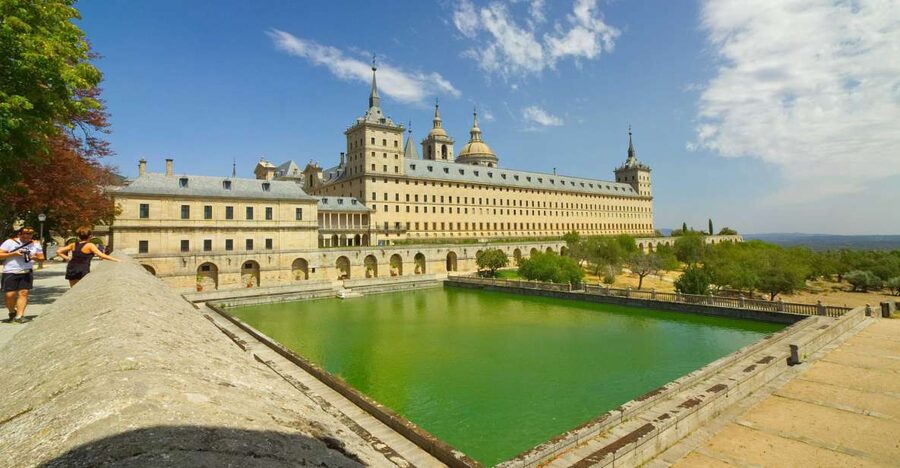
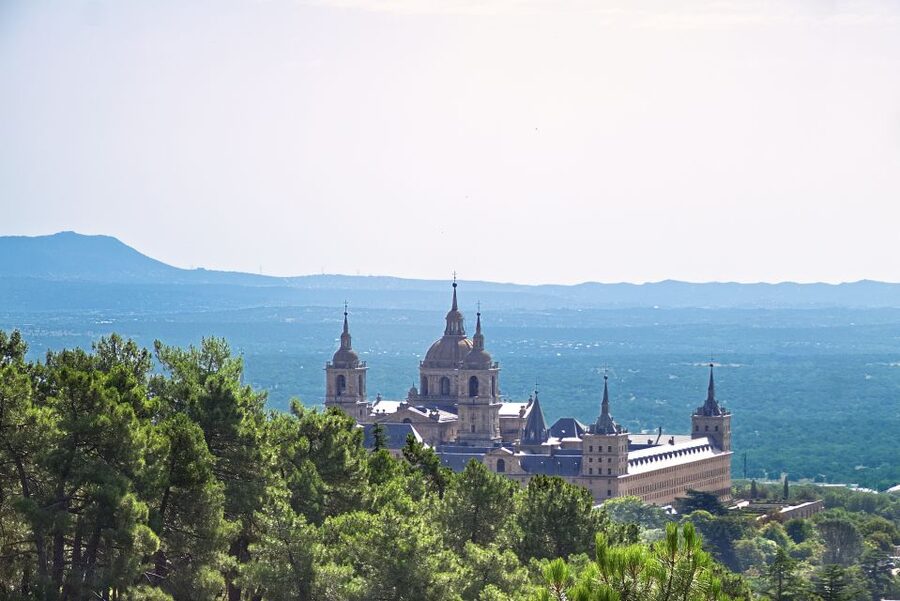
El Escorial is not just an old palace. It is a vast royal monastery built by Philip II to serve as a residence, religious foundation, and burial place for Spain’s kings. The Royal Pantheon and Philip’s private rooms give the first half of this trip real historical weight.
I like the efficient five-hour plan and the chance to see two very different monuments in one outing. I also like the comfortable coach ride from Madrid, especially for a morning away from city traffic. The main drawback is time: 45 minutes at the Valley of the Fallen can feel tight, and bilingual tours may give English less speaking time than expected.
Key points to know before you book
- Philip II’s world in one building: Explore the Palace of Philip II, the Cloister of the Four Evangelists, and the royal burial chambers.
- A striking second stop: Enter the basilica and crypt of the Valley of the Fallen, built into the rock beneath a huge cross.
- A practical half-day outing: The full trip lasts five hours, with about two hours at El Escorial.
- Guided access included: Your ticket covers transportation, the monastery, the Valley of the Fallen, the basilica, and an audio headset.
- Good guide reports, with a caveat: Guides including Pilar, Carlos, Ana, and Sylvia have been praised for clear history and a comfortable pace, though English delivery can vary.
- Wear proper shoes: El Escorial is large, and the tour includes walking through royal rooms, cloisters, tombs, and religious spaces.
Why El Escorial is worth the morning trip
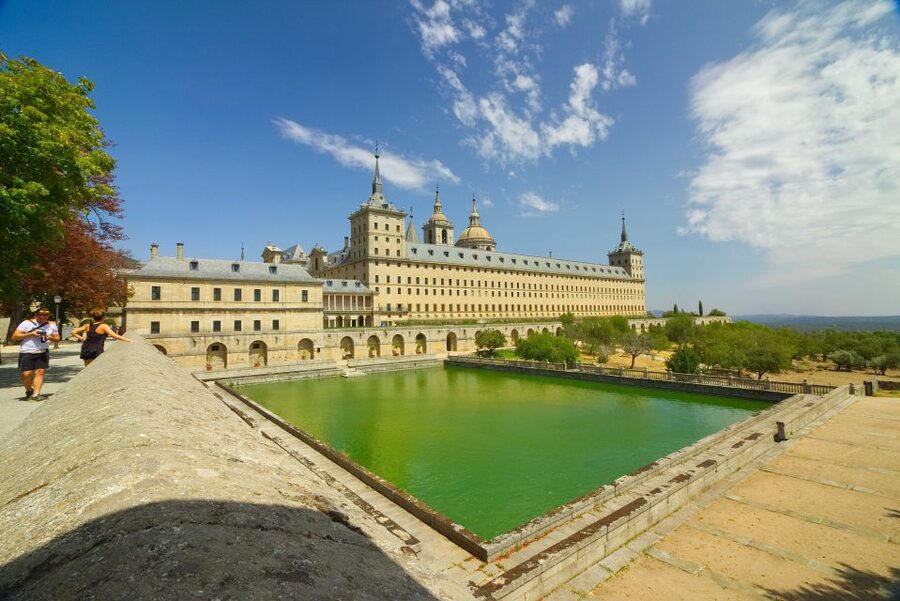
The Monastery of San Lorenzo de El Escorial is one of Spain’s grandest royal monuments, but its appeal is not only size. Philip II planned it as a working royal residence, monastery, and royal pantheon. That combination tells you a great deal about the Spanish monarchy in the 16th century: political power, Catholic faith, and royal memory were all placed under one roof.
You begin with roughly an hour on the coach from Madrid. That travel time is useful. It gets you out to San Lorenzo de El Escorial without the trouble of arranging separate transport, and your guide can begin setting the historical scene before you arrive. The return ride takes about 50 minutes, while the transfer to the Valley of the Fallen takes around 15 minutes.
Inside El Escorial, the visit focuses on the major rooms and monuments rather than every corner of the enormous complex. You can expect to see the Cloister of the Four Evangelists, the Palace of Philip II, and the Royal Pantheon. Each stop offers a different angle on the building.
The cloister provides the architectural pause. Its orderly design and open central space help you understand how the monastery was organized. The palace rooms bring the story closer to the king himself, while the Royal Pantheon shifts the mood from royal life to royal death.
The tombs are one of the most memorable parts of the visit. Spain’s kings, queens, and royal children are represented in the burial areas, giving the tour a personal edge that a grand facade cannot provide. The scale of the monument can feel overwhelming at first, so a guide is useful here. You are not simply walking through a large building. You are being shown how the Spanish monarchy wanted power, devotion, and succession to be remembered.
More churches and monasteries in Castile:
- San Lorenzo de El Escorial: Monastery and Site Guided Tour
★ 4.8 · 127 reviews - Toledo Tour from Madrid: Cathedral, Synagogue & St. Tome’s Church
★ 5.0 · 6,784 reviews - Montserrat Monastery Half Day Experience from Barcelona
★ 5.0 · 6,014 reviews
A closer look at Philip II’s palace and pantheon
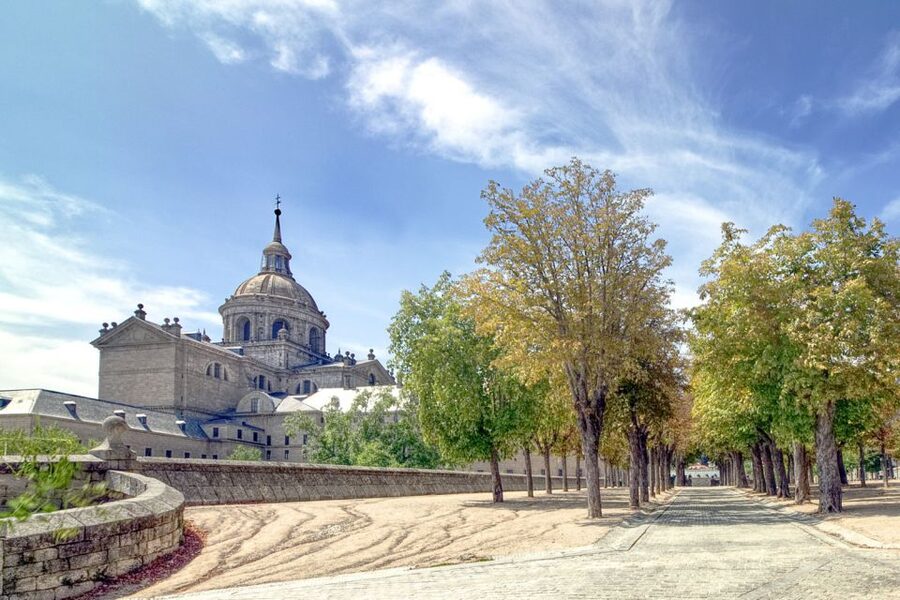
The Palace of Philip II is valuable because it puts a human figure inside the larger political story. Philip is often presented as a powerful monarch, but his private rooms remind you that the monastery was also intended as a place where a king lived, prayed, worked, and prepared for death.
A guide can connect these spaces to the wider Spanish Empire and to the role Philip II played during its most powerful period. The better guides keep the story moving and explain why each room matters instead of delivering a list of dates. Pilar, Carlos, Ana, and Sylvia are among the guides praised for clear explanations, friendly manner, and a pace that works for the group.
The Royal Pantheon is more solemn. You move from the public image of monarchy into the private reality of burial. This section may be especially meaningful if you enjoy dynastic history, but it can feel formal and heavy if you prefer art and architecture alone.
The tour uses an audio headset, which should help you hear explanations while moving through the complex. That said, headset quality has not always been perfect. Some English-speaking participants have had trouble with receivers, and one account described interference from wind and breathing. Stay close enough to your guide to follow the visual cues, and speak up quickly if your headset is not working.
The famous library is not guaranteed to be open. You may see why it attracts attention from photographs, but the supplied tour details do not promise entry. Treat it as a possible disappointment rather than part of the paid experience.
The Valley of the Fallen changes the mood
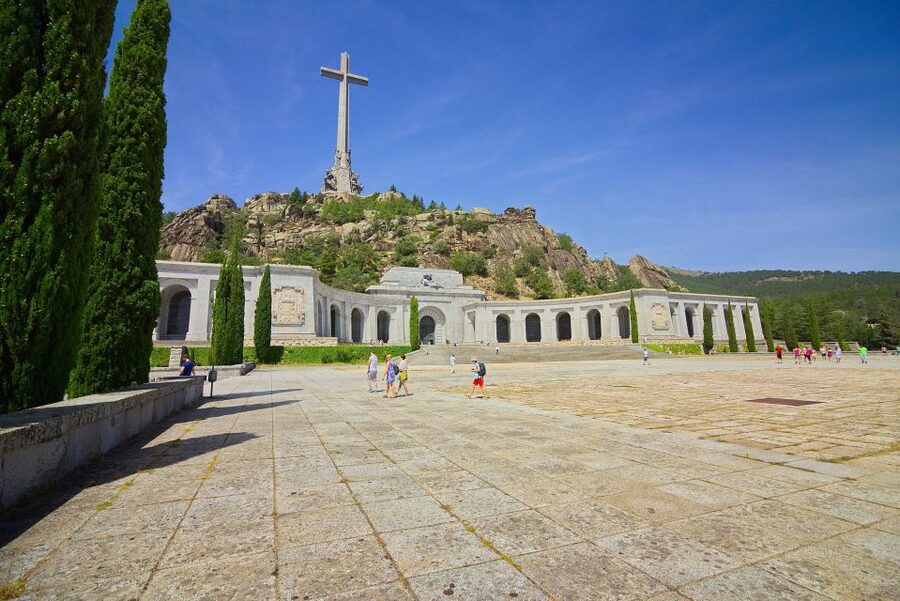
The second stop is about nine kilometers from El Escorial, in the Guadarrama Mountains. The Valley of the Fallen was created as a memorial to those who died in the Spanish Civil War. It includes a basilica and crypt cut into the hard rock, along with a cross more than 150 meters high.
The scale is startling. The mountain setting and enormous cross make the site feel much more severe than the royal rooms at El Escorial. One moment you are examining the carefully ordered world of a Spanish king; soon after, you are looking at a monument tied to a painful chapter of 20th-century Spain.
The historical context matters. The site is linked to the Franco era, and its construction involved prisoners. That makes the visit more than an architectural stop. You are seeing a memorial shaped by political power, grief, religion, and the legacy of the Spanish Civil War.
Inside the basilica, the hard rock becomes part of the experience. The monument is not simply placed in front of the mountain. The mountain itself forms part of the structure. The result is imposing, but the atmosphere is somber, and the history may leave you with mixed feelings.
You have about 45 minutes here. That is enough to enter the site and see the basilica’s interior, but not enough for an unhurried exploration. One extra 10 minutes would make the visit more relaxed, especially if the group is large or the guide needs to explain the political background in two languages.
The views across the mountain setting add another layer to the stop. Even if you find the memorial difficult or politically troubling, the physical scale is hard to ignore. Go ready to think about what you are seeing, not just to photograph it.
How the five-hour schedule works
The timing is direct:
- About one hour from the VPT Tours meeting point in Madrid to San Lorenzo de El Escorial
- About two hours at the monastery
- About 15 minutes by coach to the Valley of the Fallen
- About 45 minutes at the Valley and basilica
- About 50 minutes back to Madrid
This is a good structure if you want a substantial excursion without giving up your whole day. The two-hour El Escorial visit gives the royal monastery enough attention to feel worthwhile. The shorter Valley stop works as an introduction rather than a complete study.
The schedule also reduces the risk of losing time between sites. Your transport, guide, and admissions are arranged together, and the tour includes skip-the-ticket-line access. That matters at a major monument where buying separate tickets and finding the right entrance could eat into your morning.
The tradeoff is limited freedom. You cannot linger as long as you might on an independent visit, return to a favorite room, or spend extra time at the Valley. This format favors structure and explanation over wandering.
The bus has been described as clean, comfortable, and air-conditioned. That is important during warmer months and helpful for older travelers who prefer not to manage several connections. The overall pace has also worked well for people who want a steady outing rather than a rushed march.
A few more Castile half-days worth comparing
- Montserrat Half-Day Tour with Tapas and Gourmet Wines
★ 5.0 · 7,359 reviews - From Barcelona: Montserrat Half-Day Wine and Tapas Trip
★ 4.8 · 1,918 reviews - Montserrat: Morning or Afternoon Half-Day Trip with Pickup
★ 4.7 · 1,454 reviews - From Barcelona: Half-Day Montserrat Experience
★ 4.8 · 1,096 reviews
Guide quality and the bilingual question
The guide can shape this experience more than any other single feature. El Escorial contains enough rooms, names, dates, and royal relationships to become confusing without a clear explanation. A good guide gives you a thread to follow.
Pilar has been praised for thorough historical explanations and for answering questions. Carlos has been described as well informed, friendly, and good at keeping a comfortable pace. Ana has received credit for keeping the group together, while Sylvia has been praised for her personal manner and detailed explanations. These names do not guarantee who will lead your departure, but they show the kind of guiding style you may encounter.
The tour operates in English and Spanish. This is useful if you need either language, but bilingual guiding can affect the balance of the commentary. Some English-speaking participants have found that only part of the information was delivered in English, while others had trouble understanding an accent or hearing through the headset.
If English explanation is central to your decision, ask at the meeting point how the commentary will be handled. If the group is entirely English-speaking, the tour may run in English only. If both languages are present, expect the guide to divide time between them.
The best practical move is to stand close to the guide, test your audio headset before entering, and mention any sound problem immediately. This small step can make the difference between following the story and seeing the rooms without understanding their purpose.
Is the $78 price fair?
At $78 per person, the tour offers reasonable value if you want both monuments in a single morning. The price includes transportation from Madrid, a live English or Spanish-speaking guide, entry and guided access to El Escorial, admission to the Valley of the Fallen and basilica, and an audio headset.
Buying those pieces separately would require more planning, and you would need to arrange transport between Madrid, El Escorial, and the Valley. The organized coach is the strongest value here. You are paying for a clear route and a guide who can explain why the buildings matter, not just for a seat on a bus.
The value is best for a first visit. If you already know El Escorial well, an independent return visit could give you more time and freedom. If you have only a short stay in Madrid, this tour covers two major historic sites without taking a full day.
Meals and drinks are not included, so eat before departure or plan around the schedule. Food and drinks are not allowed in the vehicle, and large bags, oversize luggage, pets, flash photography, and video recording are not allowed. Keep your belongings compact and wear comfortable shoes.
The tour is not suitable for wheelchair users. That is an important limitation because the route includes a large monastery complex, royal burial areas, and the basilica site.
Who will enjoy this trip most?
I would choose this tour if you care about Spanish monarchy, religious architecture, the Civil War period, or monumental buildings with difficult political stories behind them. It also suits you if you prefer having the route and admissions handled for you.
It is a strong choice for a first or second day in Spain. You get a useful introduction to royal Spain outside Madrid, and the guide gives you context that is hard to gather quickly on your own.
Older visitors may appreciate the air-conditioned coach and measured pace. Families with older children may also find the contrast between a royal palace and a Civil War memorial more interesting than a second standard museum.
You may want another option if you need a wheelchair-accessible route, dislike fixed schedules, or want to spend a long time at one site. The Valley of the Fallen can also be emotionally heavy, so it is worth knowing that this is not a light sightseeing stop.
Practical advice for making the most of it
Wear shoes that can handle several hours of walking. El Escorial is extensive, and the visit includes stairs or uneven movement between different rooms and sections, although the supplied information does not specify every part of the route.
Keep your expectations clear. The tour gives you a guided introduction to both sites, not unlimited time for independent study. Two hours at El Escorial is enough to see the principal rooms and burial areas, but you may leave wishing you had more time in the library or certain artistic spaces.
Pay attention to the contrast between the stops. El Escorial presents monarchy as ordered, Catholic, and dynastic. The Valley of the Fallen presents memory on a far larger and more political scale. Seeing both in one morning gives you a sharper sense of how Spain has used architecture to express power and remember conflict.
The tour allows cancellation up to 24 hours before departure for a full refund, and you can reserve while paying later. Starting times vary, so check the available departure before planning the rest of your Madrid day.
Should you book this El Escorial tour?
Book it if you want an efficient, guided half-day with strong historical content and two very different monuments. The best reasons are the included transport, skip-the-line access, royal tombs, Philip II’s palace, and entry into the Valley of the Fallen basilica.
Go in knowing that the Valley stop is brief and solemn, and that bilingual commentary or headset problems can affect how much explanation you receive. If those limits are acceptable, the $78 price is fair for a well-organized outing beyond Madrid.
I would especially recommend it for a first visit, for anyone interested in Spain’s monarchy, and for people who value a calm coach ride over the work of arranging two remote sites alone.
FAQ
How long does the tour last?
The tour lasts five hours, including coach travel from Madrid, the visits to both sites, and the return journey.
What languages are available?
The live guide is available in English and Spanish. On bilingual departures, the amount of time given to each language can vary.
What is included in the price?
The price includes transportation, a tour guide, entrance and a guided visit to the Monastery of San Lorenzo de El Escorial, entry to the Valley of the Fallen and its basilica, and an audio headset.
How much time do you spend at El Escorial?
The visit to San Lorenzo de El Escorial lasts about two hours.
How much time do you spend at the Valley of the Fallen?
The visit to the Valley of the Fallen lasts about 45 minutes and includes the interior of the basilica.
Is the tour suitable for wheelchair users?
No. The tour is not suitable for wheelchair users. Comfortable shoes are recommended for the visit.
Recently added around Castile
- Guided Tour of Albarracín and Casa Noble★ 5.0 · 105 reviews
- From Madrid: Alcalá de Henares & Cervantes Museum Day Trip★ 4.5 · 108 reviews
- Salamanca: Cathedral of Salamanca Ticket with Audio Guide★ 4.6 · 197 reviews
- Salamanca Sightseeing Walking Tour with Local Guide. Spanish★ 4.7 · 312 reviews
- San Lorenzo de El Escorial: Monastery and Site Guided Tour★ 4.8 · 127 reviews
- Tour Guiado En Tuk Tuk Recorre Avila De La Forma Mas Comoda★ 4.4 · 235 reviews
- Airplane flight★ 4.0 · 126 reviews
- Guided tour in the Enchanted City★ 5.0 · 154 reviews
Churches & Monasteries, compared.
Toledo Tour from Madrid: Cathedral, Synagogue & St. Tome’s Church
Read our review →
Montserrat Monastery Half Day Experience from Barcelona
Read our review →
Montserrat Monastery Small Group or Private Tour Hotel pick-up
Read our review →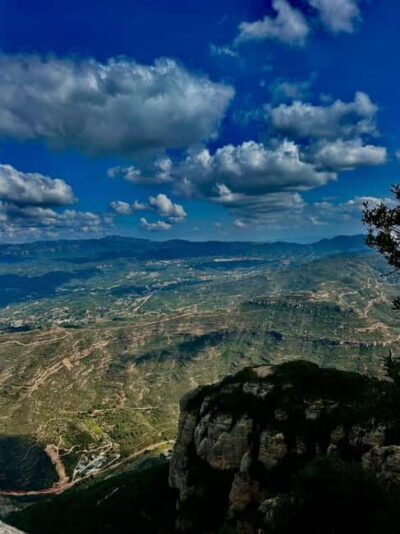
Montserrat Tour with Transport & Basilica Option
Read our review →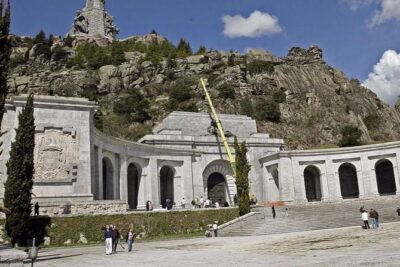
Escorial Monastery and the Valley of the Fallen Tour from Madrid
Read our review →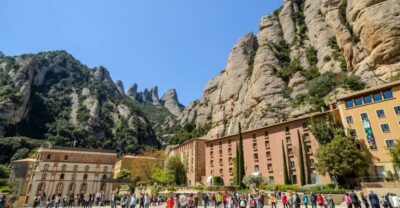
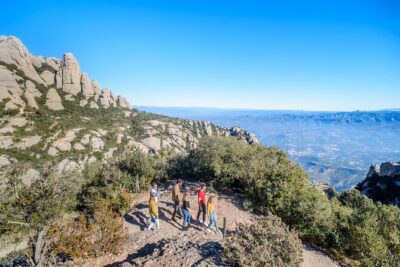
Montserrat Small Group: Monastery, Black Madonna & Natural Park
Read our review →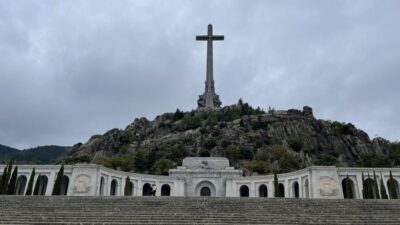
Escorial Monastery and the Valley of the Fallen
Read our review →Browse the lists this tour appears in