
Reviewed · CHURCHES & MONASTERIES
From Madrid: Escorial Monastery and the Valley of the Fallen
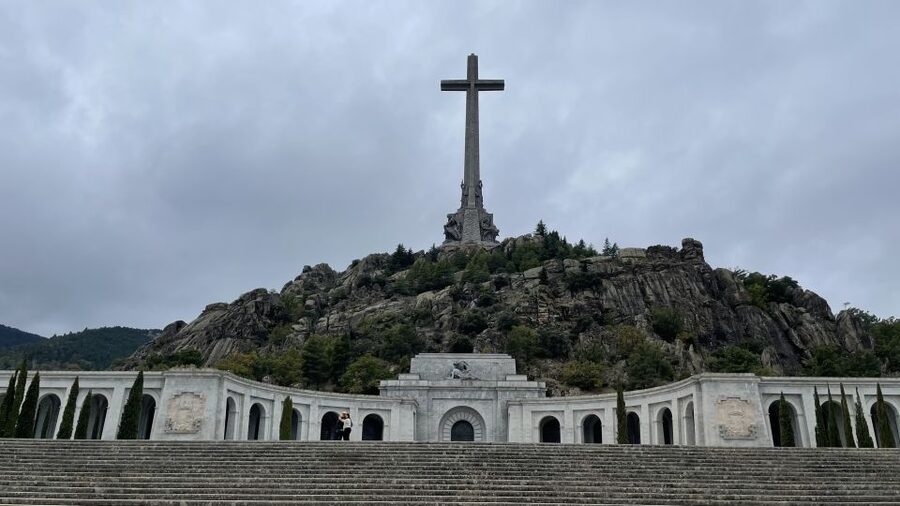
The Valley of the Fallen is the surprise here: a huge basilica cut into granite, guarded by a cross visible for miles, and tied to one of Spain’s most painful political chapters. Pairing it with El Escorial gives you a brisk lesson in royal power, religion, art, war, and modern democracy.
I like two things especially. First, the bus makes both sites practical in half a day, since reaching them independently is less simple without a car. Second, guides such as Cristina, Beatriz, Sergio, and Rafael bring the buildings to life with clear explanations rather than leaving you to puzzle over grand rooms and solemn symbols. The drawback is equally clear: five hours is tight, and the Valley of the Fallen deserves more time than this schedule allows.
Key points to know before booking
- Two very different monuments: El Escorial presents royal Spain and the Golden Age, while the Valley of the Fallen confronts the legacy of the Spanish Civil War.
- Five hours door to door: Expect about 45 minutes by coach each way, with roughly 105 minutes at El Escorial and one hour at the Valley of the Fallen.
- Skip-the-line entry: Separate entrances help the group get inside without waiting in the regular queue.
- Strong guiding: Cristina, Beatriz, Sergio, Rafael, and other guides are praised for clear English, historical detail, and a friendly manner.
- Many steps: Comfortable shoes and clothes matter. The tour is not suitable for wheelchair users or people with mobility impairments.
- Good half-day value: At $73 per person, transport, guide, headsets, Wi-Fi, and admission to both sites are included. Food is not.
Why these two sites belong together
El Escorial and the Valley of the Fallen are not simply two grand buildings outside Madrid. They tell different parts of Spain’s story, and the contrast gives this outing its real value.
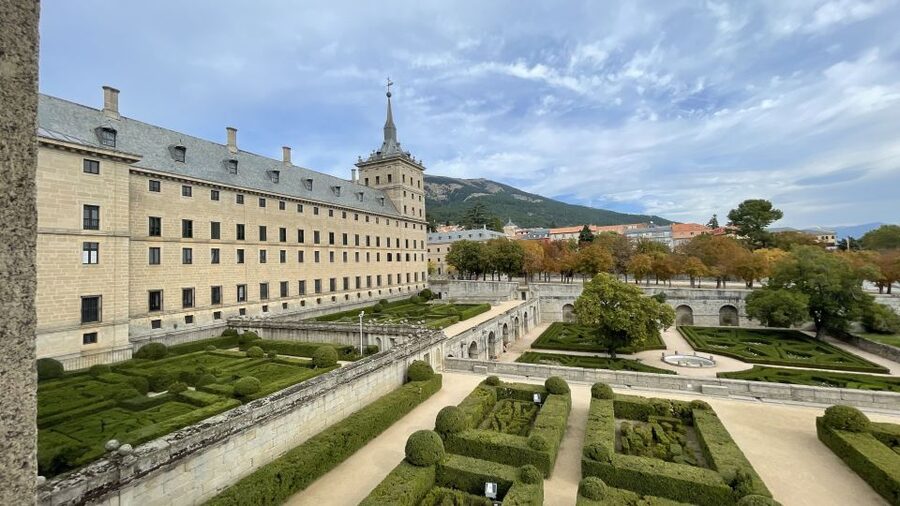
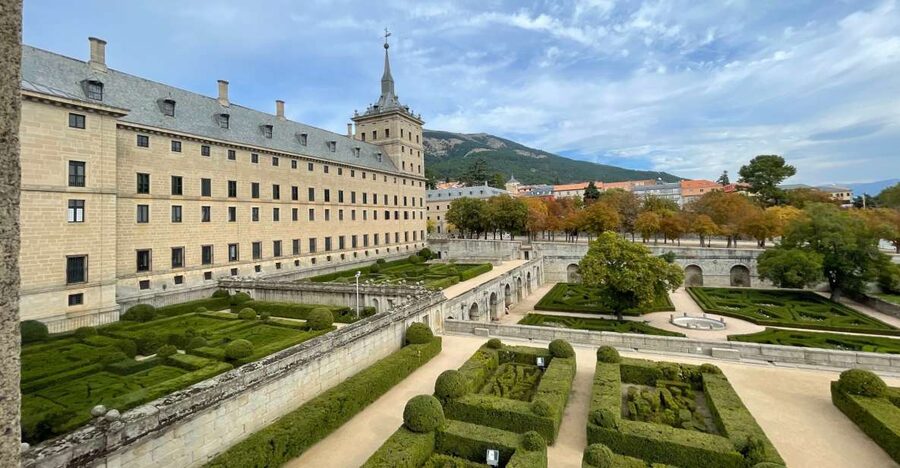
San Lorenzo de El Escorial is linked to Felipe II and the Spanish Golden Age. Its scale expresses the ambitions of a monarchy that saw faith, learning, art, and royal authority as parts of one grand project. The building feels like a palace, monastery, church, library, and royal burial place at once.
The Valley of the Fallen belongs to a much later and more troubled period. Its basilica is carved into the rock of Peña de Cuelga Muros, and the site contains the burial place of 33,847 people who died in the Spanish Civil War. It is a monumental place, but also a difficult one. A good guide helps you understand its meaning without turning the visit into a political argument.
That range, from Felipe II to present-day democracy, is the reason I would choose this tour over a simple excursion to a single palace. You see how buildings can express power, belief, memory, and conflict.
More churches and monasteries in Madrid:
- Escorial Monastery and the Valley of the Fallen Tour from Madrid
★ 5.0 · 2,494 reviews - Escorial Monastery and the Valley of the Fallen from Madrid
★ 4.0 · 1,023 reviews - From Madrid: Escorial Monastery & Valley of the Fallen Trip
★ 4.4 · 389 reviews
Leaving Madrid for El Escorial
The meeting point is outside the Commercial Gallery at San Bernardo Street 7. From there, the air-conditioned coach takes about 45 to 50 minutes to reach San Lorenzo de El Escorial.
The bus is an important part of the value. You get round-trip transport, Wi-Fi, and a driver who handles the roads while your guide prepares you for the visit. Several guides and drivers have been praised for keeping the schedule, making the ride comfortable, and managing the group carefully.
The day begins in the morning, so you should eat beforehand. Food and drinks are not included, and the schedule does not offer a full meal stop. There is a bathroom visit on arrival before the monastery tour begins, which is useful because the next sections move at a steady pace.
The ride is short enough that the trip does not feel like a full day lost to transport. You leave Madrid behind and reach the mountain setting around San Lorenzo de El Escorial without the hassle of finding parking or coordinating separate tickets.
Inside the Monastery of San Lorenzo de El Escorial
You spend about 105 minutes on a guided visit to the monastery. Skip-the-line admission lets the group enter through a separate entrance, saving time for the building itself.
El Escorial is the first major stop, and it requires attention. There is a great deal to see in a large complex, so the guide’s order matters. The route includes the Patio de Reyes, the cloister, the Chapter Rooms, the basilica except on Sundays, the Pantheon of Kings and Infants, and the royal rooms.
The Patio de Reyes provides an immediate sense of scale. From here, the building’s religious and royal sides begin to make sense. You are not looking at a decorative palace alone. The design reflects Felipe II’s wish for a place that joined worship, government, learning, dynastic memory, and royal residence.
The cloister offers a calmer change of pace. Listen closely here, because the guide can explain how the building worked as a monastery rather than treating it as a succession of grand rooms. Chapter Rooms and religious spaces add a more practical side to the complex.
The basilica is one of the major highlights, though it is not visited on Sundays according to the tour information. If seeing the basilica is essential to you, check the departure date before booking. This is one of the few schedule details that can materially change what you see.
Royal tombs, paintings, and the library
The Pantheon of Kings and Infants gives the tour a strong human focus. Royal power can feel abstract when you are looking at stone courtyards and monumental façades. The burial areas remind you that the complex also served the Spanish monarchy as a place of dynastic memory.
The art is another reason to pay attention. Paintings in the monastery are frequently singled out as a highlight, and the collection adds warmth and detail to rooms that might otherwise feel severe. If you have a special interest in art history, you may want to ask your guide about particular paintings, since the standard route has a lot of ground to cover.
The library is especially impressive. It helps explain why El Escorial is more than a royal residence. The building was also tied to study, faith, and the intellectual life of the Spanish Golden Age.
You may have a little time for photos and personal looking, but this is primarily a guided visit. The tour is carefully paced, not a long wandering session. That is useful if you want a clear overview, but less ideal if you prefer to stop at every painting or room.
A few more Madrid half-days worth comparing
- Madrid: Tour Bernabéu Entry Ticket
★ 4.5 · 21,573 reviews - Madrid: Prado Museum Entry Ticket
★ 4.6 · 17,509 reviews - Madrid: Royal Palace Fast-Access Admission Ticket
★ 4.6 · 13,856 reviews - Madrid: “Emociones” Live Flamenco Performance
★ 4.8 · 12,866 reviews
The Valley of the Fallen and its difficult meaning
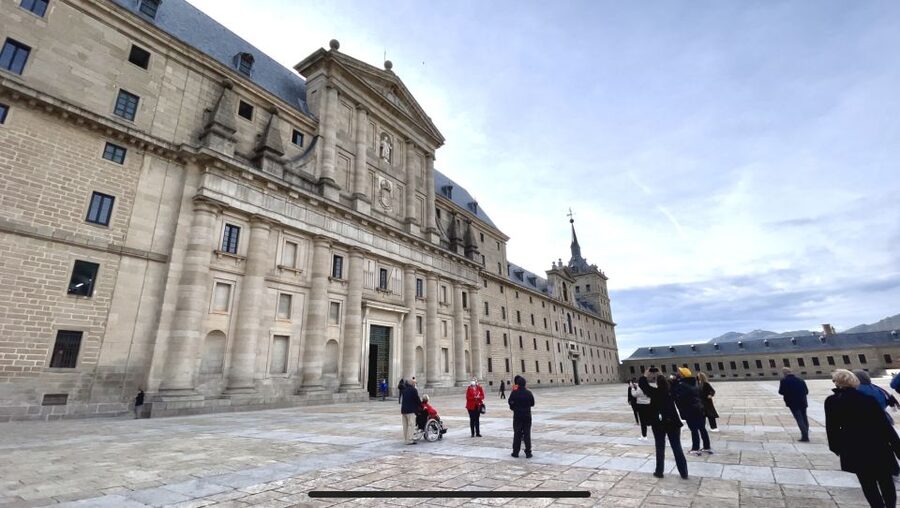
After El Escorial, the coach takes about 15 minutes to the Valley of the Fallen. The shorter transfer means you reach the second site quickly, but it also leaves little time to reset between two very different historical settings.
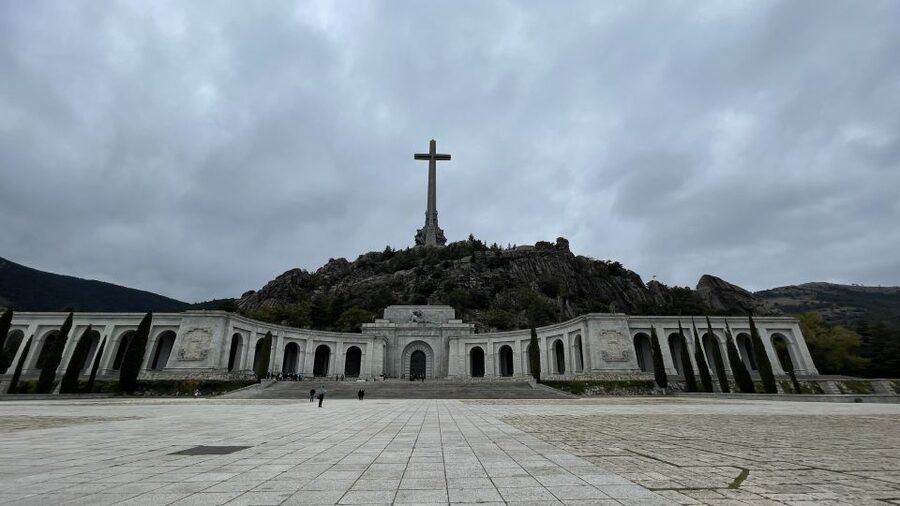
The basilica is carved into the granite mountain. Its interior scale is difficult to grasp from photographs, and the approach to the site reveals the enormous cross rising above it. The cross can be seen from kilometers away, making it one of the most recognizable features of the visit.
This is not a light sightseeing stop. The basilica is connected to the Spanish Civil War and contains the burial place of 33,847 people who died in the conflict. Your guide explains the site in relation to the war and Spain’s later political development, including the move toward present democracy.
That context matters. Without it, you might see only a dramatic church and a gigantic cross. With it, the monument becomes a place for thinking about how countries remember conflict, how political symbols survive, and why public memory can remain unsettled for decades.
The tour allows about one hour here. That is enough for a guided introduction and time to take in the basilica, but it is not generous. You may not have much time for quiet reflection, extra photographs, or independent exploration. If you are especially interested in the Valley of the Fallen, this is the part of the schedule most likely to leave you wishing for another 15 or 20 minutes.
The tone of the guide matters, and this is where the strongest guides make a real difference. Cristina has been praised for explaining the site respectfully and handling both Spanish and English with ease. Other guides, including Beatriz and Sergio, have also been singled out for making difficult material clear and engaging.
What the five-hour schedule feels like
The published timing works out to about 45 minutes from Madrid, 105 minutes at El Escorial, 15 minutes between the sites, one hour at the Valley of the Fallen, and 45 minutes back to Madrid. That is a well-organized half-day, but it is not a leisurely outing.
I like the pace for a first visit. You receive an explanation of each major section, have some time for photos, and return to Madrid early enough to keep your afternoon or evening free. Several guides have been praised for balancing information with short moments to look around.
The tradeoff is personal freedom. You cannot decide to spend an extra hour in the library, linger over paintings, or explore the Valley of the Fallen at your own speed. If you want a deep art study or a slow architectural visit, arrange a separate day. If you want the main story and the key spaces, the schedule does the job.
The use of headsets is helpful, especially inside large rooms where a guide’s voice could otherwise disappear. The tour is available in Spanish and English, with live guiding and audio support in both languages. Bilingual guides may switch between languages, so the pace can feel slightly slower than a single-language tour, but this also makes it accessible to mixed-language groups.
Is $73 a fair price?
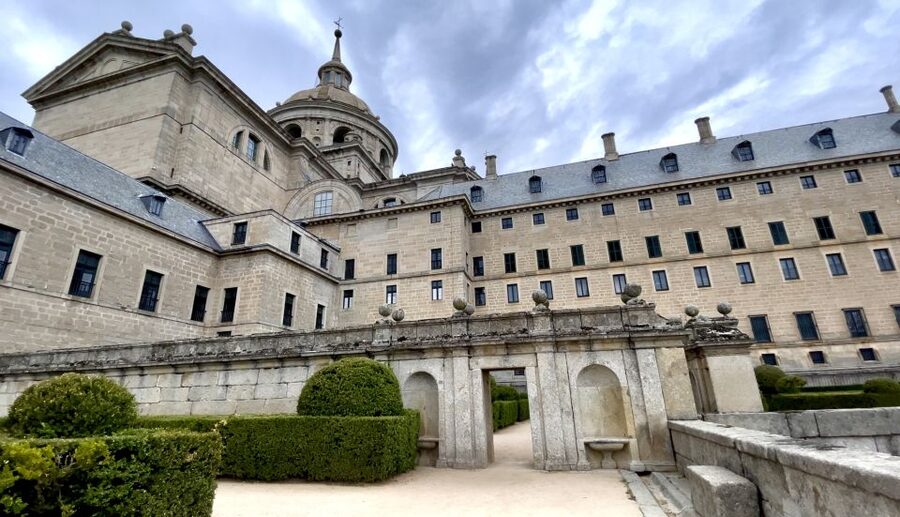
At $73 per person, I consider this a good value if you want both places in one outing. The cost includes air-conditioned round-trip transport, Wi-Fi on the bus, a live guide, headsets, skip-the-line entry to El Escorial, and skip-the-line entry to the Valley of the Fallen.
The value is not just the ticket price. These sites are difficult to combine without a car, and a self-guided visit would leave you responsible for transport, timing, admissions, and the historical background. The guide is particularly useful at the Valley of the Fallen, where the monument’s political meaning is not obvious from its architecture.
You will need to pay for your own food and drinks. Since the tour lasts five hours and starts in the morning, have breakfast first and carry water if allowed under the site rules. The provided information does not promise a meal stop.
The free cancellation up to 24 hours before departure and the option to reserve now and pay later add flexibility. Still, the main buying decision is simple: pay for convenience and interpretation, not for a long period of free time.
Walking, weather, and practical comfort
Wear comfortable shoes. Both sites involve walking, and one direct comment about the experience points out that there are many steps at both locations. The tour is not suitable for wheelchair users or people with mobility impairments.
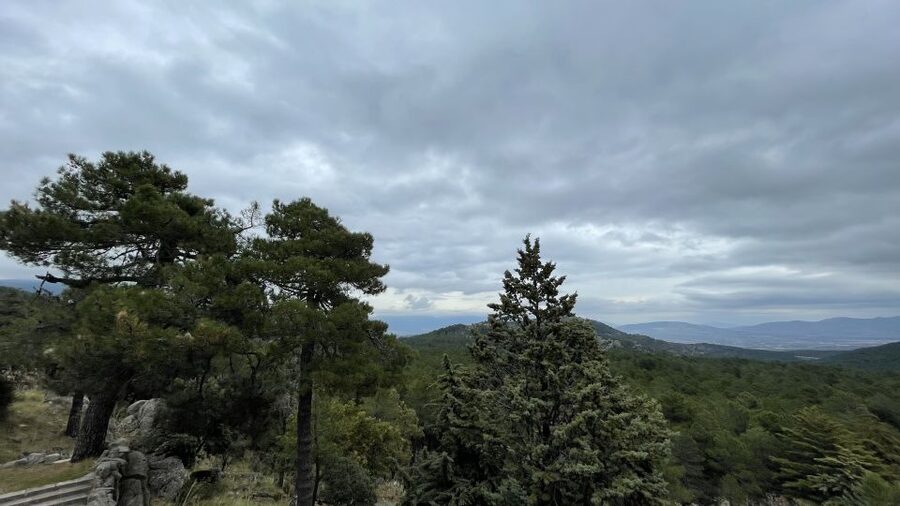
Comfortable clothing is also sensible. Weather can affect the day, particularly around the mountain sites. Rain did not prevent some visitors from enjoying the outing, but poor weather can make outdoor viewing less pleasant and may reduce the impact of the cross and the surrounding setting.
Bring a light layer if conditions are changeable, but do not expect the schedule to slow down for weather. The bus provides a comfortable base between stops, yet the main visits still require you to walk with the group.
The meeting point is central and described as easy to locate, but arrive with enough time to find the coach outside the Commercial Gallery. At the end, the bus returns to San Bernardo Street 7.
The guide can shape the whole experience
This tour depends more than usual on the guide. El Escorial is large, and the Valley of the Fallen carries serious historical and political weight. A guide who simply lists dates will make both places feel remote. A guide who connects the spaces to Spain’s monarchy, Golden Age, Civil War, and democracy gives the outing purpose.
The strongest names associated with this experience include Cristina, Beatriz, Sergio, Rafael, Jose Javier, Oscar, Maria, and Mariasol. Cristina is often praised for fluent bilingual delivery and careful explanations. Beatriz is noted for historical detail, while Sergio is described as kind and clear. Rafael and Oscar have also been praised for keeping the tour friendly and informative.
The exact guide depends on the departure, so you should not book expecting a particular person. The wider pattern is reassuring: the guides are consistently valued for historical skill, organization, humor, and the ability to answer questions.
Who should book this half-day trip?
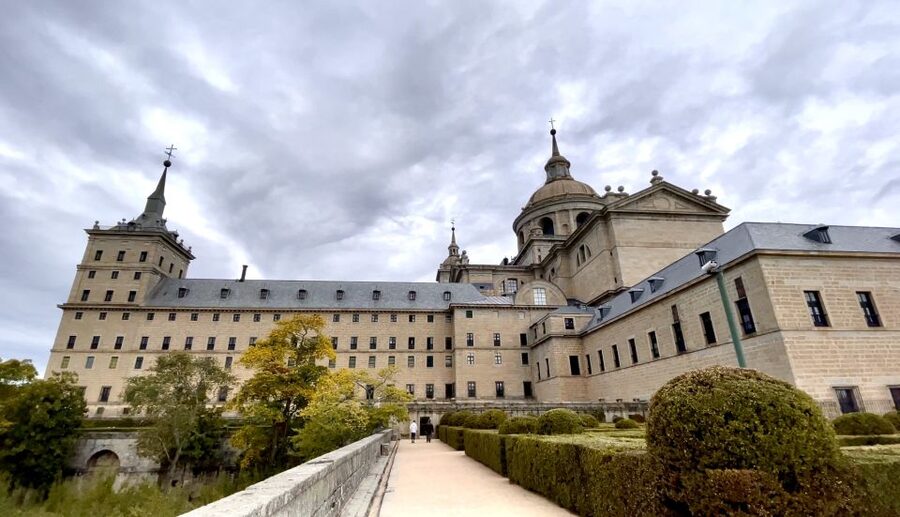
I would choose this tour if you are staying in Madrid and want to see two major sites outside the city without renting a car. It suits first-time visitors who want a clear historical framework, families with older children, and anyone interested in Spanish royal history, religious architecture, art, or Civil War memory.
It also works well near the end of a Madrid visit. One traveler described it as a strong final-day surprise, which makes sense: the outing adds a different side of Spain after you have seen the capital’s museums and plazas.
I would hesitate if you have limited walking ability, need wheelchair access, or want extensive time for personal exploration. Art specialists may find the monastery route too brief, while visitors focused only on the Valley of the Fallen may prefer a longer visit there.
Should you book it?
Yes, if you want a well-organized historical half-day with transport and admission handled for you. El Escorial gives you royal Spain at its most ambitious, and the Valley of the Fallen adds a serious look at the country’s Civil War memory. The combination is unusual and far more revealing than either site alone.
Book it knowing the limits. Five hours passes quickly, the Valley of the Fallen receives only about an hour, Sunday visits may exclude the basilica at El Escorial, and the walking is substantial. For most visitors who value clear guiding and efficient transport, $73 is a sensible price for two difficult-to-reach monuments and a much better understanding of Spain’s past.
FAQ
How long does the tour last?
The full experience lasts five hours, including travel from Madrid, guided visits, and the return coach ride.
Where does the tour begin and end?
It begins and ends at Fun and Tickets outside the Commercial Gallery at San Bernardo Street 7 in Madrid.
How much time do you spend at each site?
The guided visit at San Lorenzo de El Escorial lasts about 105 minutes. The guided visit at the Valley of the Fallen lasts about one hour.
Is food included?
No. Food and drinks are not included, so eat before departure and plan accordingly.
Is the tour available in English?
Yes. Live guiding and audio support are available in English and Spanish.
Is the tour suitable for wheelchair users?
No. The experience is not suitable for wheelchair users or people with mobility impairments. Comfortable shoes are recommended because both sites involve walking and many steps.
Recently added around Madrid
- Tour Madrid: Secrets in a Electric Tuk Tuk★ 4.6 · 155 reviews
- Madrid: Tasty Tapas Tour & Visit to a Terrace with Views★ 4.5 · 118 reviews
- Madrid: Flamenco Show&Drink at Tablao 1911 (World’s Oldest)★ 4.7 · 253 reviews
- Small Group Prado Museum Guided Tour with Skip the Line★ 4.2 · 106 reviews
- Madrid: Street Art Tour with Local Graffiti Hunter★ 4.8 · 270 reviews
- Madrid: Afternoon Prado Museum Tour with Skip-the-Line Entry★ 4.4 · 491 reviews
- Madrid: Royal Palace Guided Tour with Skip-the-Line Entry★ 4.5 · 780 reviews
- Secret Food Tours Madrid★ 4.9 · 134 reviews
Churches & Monasteries, compared.
Toledo Tour from Madrid: Cathedral, Synagogue & St. Tome’s Church
Read our review →
Montserrat Monastery Half Day Experience from Barcelona
Read our review →
Montserrat Monastery Small Group or Private Tour Hotel pick-up
Read our review →
Montserrat Tour with Transport & Basilica Option
Read our review →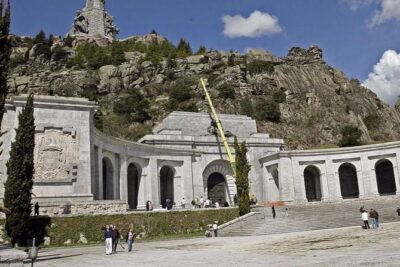
Escorial Monastery and the Valley of the Fallen Tour from Madrid
Read our review →
Montserrat Small Group: Monastery, Black Madonna & Natural Park
Read our review →
Browse the lists this tour appears in