
Reviewed · CHURCHES & MONASTERIES
From Seville: Italica Roman City & Medieval Monastery Tour
Italica gives you a rare chance to walk through a Roman city without leaving Seville far behind. The 25,000-seat amphitheater, underground gladiator passages, and colorful floor mosaics make this more than a quick pile of ruins. It is an archaeological site you can picture as a working city.
I like the combination of Roman Italica and San Isidoro del Campo, since the two stops show very different chapters of Andalusian history. I also like the guides’ personal touch. Carlos León, Miguel, Alberto, Jesús, and others are praised for making the past clear, lively, and easy to follow.
The main drawback is time. The schedule gives you about 105 minutes at Italica and 40 minutes at the monastery, so you will see the key areas but may want more time for photos and independent wandering. The tour can also run beyond four hours, so leave breathing room before your next plan.
Key points to know before booking
- Italica was founded in 206 BC, and later became the birthplace of emperors Trajan and Hadrian.
- The amphitheater served as the Dragonpit in season seven of Game of Thrones.
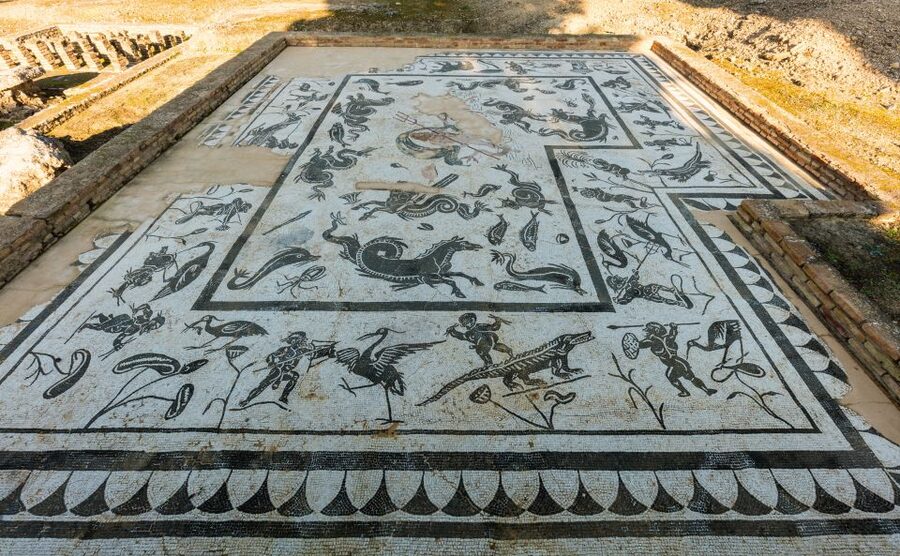
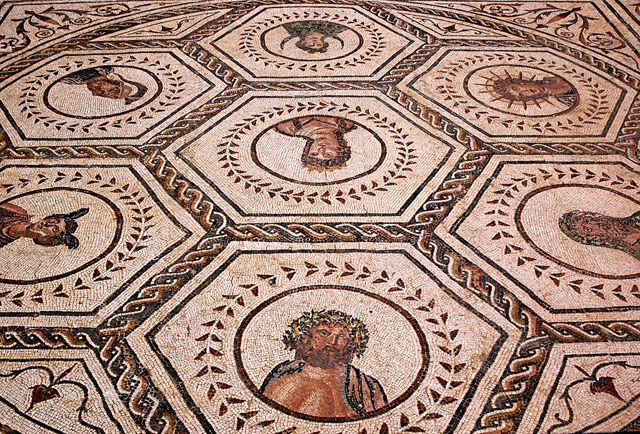
- Mosaics are a major highlight, with remarkably detailed designs still visible across the Roman city.
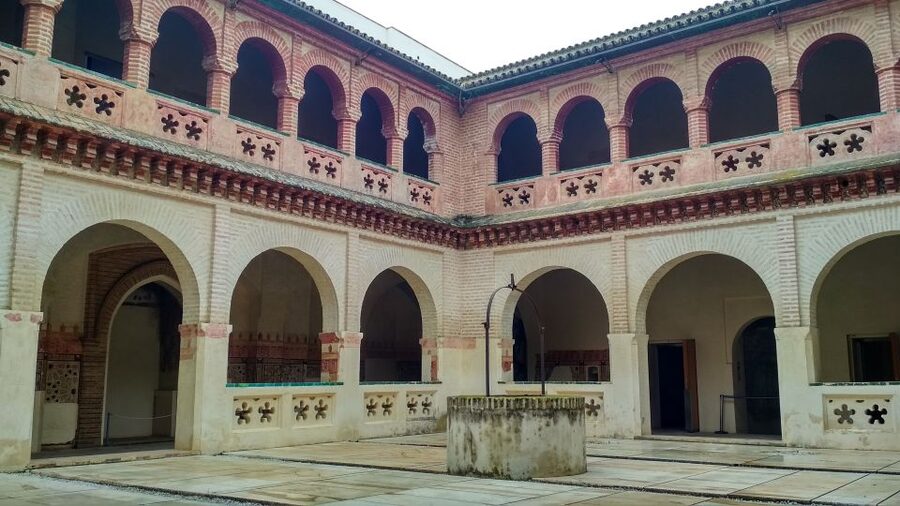
- San Isidoro del Campo adds a medieval contrast, with Mudejar, Gothic, and Baroque architecture.
- Transport from Seville is included, with shared, small-group, and private options.
- The tour is best for history fans, first-time visitors to Seville, and anyone wanting a half-day outing without arranging buses or entry tickets.
Why Italica is worth half a day from Seville
Seville is full of grand palaces, churches, and orange-tree streets, but Italica takes you much further back. The city began in 206 BC, when Roman general Publius Cornelius Scipio founded it after a Roman victory in the area. Centuries later, it became associated with two emperors, Trajan and Hadrian.
That connection gives the site real weight. You are not simply looking at old stones outside the city. You are walking through a Roman settlement tied to two of the empire’s most important rulers.
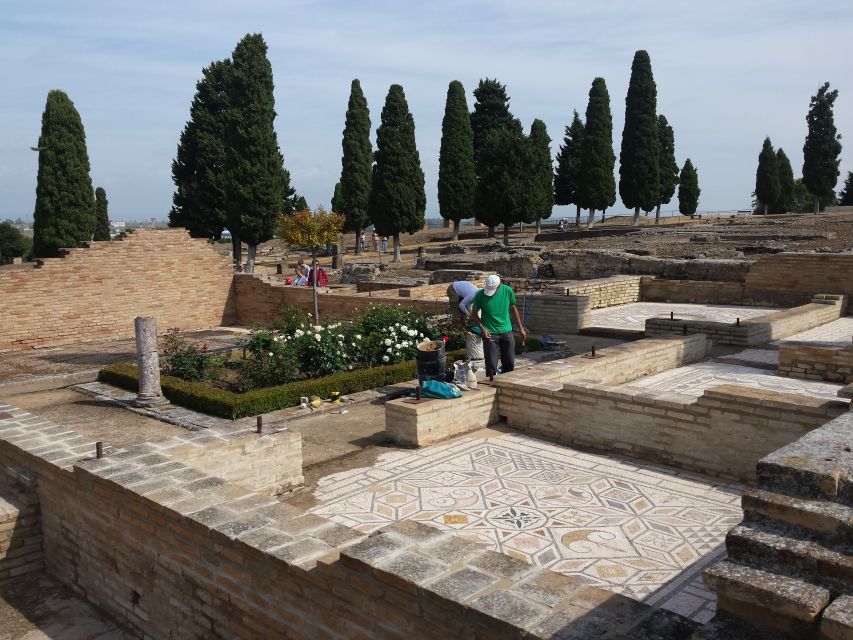
Italica is also unusually approachable. Ancient streets, house plans, public buildings, mosaics, and the amphitheater remain visible in a way that lets you understand the shape of daily life. A guide helps connect those pieces. Without one, you might admire the patterns and walls but miss what each space was used for.
The site is still being excavated and restored, so you should not expect a fully reconstructed Roman town. That unfinished quality is part of the appeal. You can see how archaeology works, and you get a sense that more of the city may appear in the future.
More City Tours in Seville
- Seville: City Sightseeing Hop-On Hop-Off Bus Tour
★ 4.0 · 4,633 reviews - Seville: Highlights City Bike Tour
★ 4.8 · 2,168 reviews - City Sightseeing Seville Hop-On Hop-Off Bus Tour
★ 4.0 · 1,782 reviews
The 20-minute ride from Seville
The journey to Italica takes about 20 minutes by bus or coach. That short transfer is a major reason to choose an organized trip. You avoid working out local transport, buying separate admission, and figuring out how the monastery fits into the day.
Shared tours use one of three meeting points in Seville, depending on the option you book. Private tours can include pickup from your accommodation if it falls within the service area. If not, the operator provides the nearest practical pickup point.
The coaches are described as comfortable, and one recent experience included USB charging ports. The ride is short, but that small convenience matters if you are using your phone for maps, photos, or the rest of your Seville plans.
The bus may carry several groups before they separate into language groups at Italica. That arrangement can make the first part feel larger than the walking tour itself. If you prefer a quieter outing, choose the private option or a small-group departure when available.
Entering Italica and meeting Trajan and Hadrian
The guided visit at Italica lasts about 105 minutes. That is enough to cover the main route at a steady pace, though not enough for every corner of the site.
Your guide will put the city into Roman context before leading you along its ancient streets. Look for the remains of broad roads, house layouts, public spaces, and the mosaic floors that have survived in remarkable condition. The mosaics are among the best reasons to visit. Their patterns give the ruins color and detail, and they help you imagine the homes that once stood around them.
The guides are the heart of this experience. Carlos León is praised for his archaeology background and his ability to explain both the site and its wider setting. Miguel is repeatedly described as entertaining and clear, while Alberto is noted for his strong grasp of art history and his willingness to answer questions. Jesús is another frequent favorite, combining humor with solid historical detail.
You are not guaranteed a particular guide, but these names give you a useful idea of the standard to expect. The strongest guides do more than recite dates. They explain how Roman power shaped Spain, why Italica grew, and how the remains fit together.
If you usually prefer to explore archaeological sites alone, this is one place where a guide adds real value. The ruins are spread out, and the meaning of a mosaic, street, or amphitheater passage is not always obvious from the remains alone.
The amphitheater and the Dragonpit
The amphitheater is the emotional high point for many visitors. Its scale is striking, even in its ruined state. It once held about 25,000 people, making it one of the largest amphitheaters in the Roman Empire.
You can walk through the arena area and see the underground passages used by gladiators. The den where lions were kept before combat adds a darker detail to the visit. These spaces bring the building’s purpose into focus. This was not simply an elegant public monument. It was a venue built around spectacle, danger, and mass entertainment.
Game of Thrones fans will recognize the amphitheater as the Dragonpit, used for the season seven summit. The filming connection is fun, but it should not be the main reason to come. The real appeal is the Roman structure itself. The television setting gives you an easy visual reference, especially when you stand inside the arena and look around the curved seating area.
You usually get some time for photographs, but the schedule can feel tight here. One visitor wanted more time to photograph the amphitheater from different levels, while the available independent time was about 15 minutes. If photography matters to you, listen carefully during the guided section and take quick shots as you go. Do not count on a long free period at the end.
Facilities at Italica are limited. There is a small exhibition area and toilets, but the toilets may not be in the best condition. Use the opportunity when it appears, rather than waiting until the next stop.
More churches and monasteries in Seville:
- Toledo Tour from Madrid: Cathedral, Synagogue & St. Tome’s Church
★ 5.0 · 6,784 reviews - Montserrat Monastery Half Day Experience from Barcelona
★ 5.0 · 6,014 reviews - Montserrat Monastery Small Group or Private Tour Hotel pick-up
★ 5.0 · 5,144 reviews - Barcelona: Montserrat Tour with Transport & Basilica Option
★ 4.7 · 2,624 reviews
Why the mosaics deserve your attention
The mosaics are easy to admire and easy to rush past. Try not to treat them as decoration alone. They are some of the clearest surviving evidence of the taste, money, and domestic life of Roman residents.
The designs vary, but the key point is their condition and detail. You can still make out careful patterns and images across floors that have survived for centuries. A good guide explains what you are seeing instead of letting the mosaics blur into one long sequence of pretty surfaces.
If you want to see more mosaics connected with Italica after the tour, the Palacio de la Condesa de Lebrija in Seville displays examples originally taken from the site. That palace is not part of this excursion, but it makes a useful follow-up for anyone who becomes interested in Roman floor art.
The site works especially well for families and teenagers because the amphitheater, gladiator tunnels, and filming location provide easy hooks. Younger visitors do not need to enjoy ancient history in the abstract. They can connect the place to emperors, battles, animals, and television.
San Isidoro del Campo, the unexpected second act
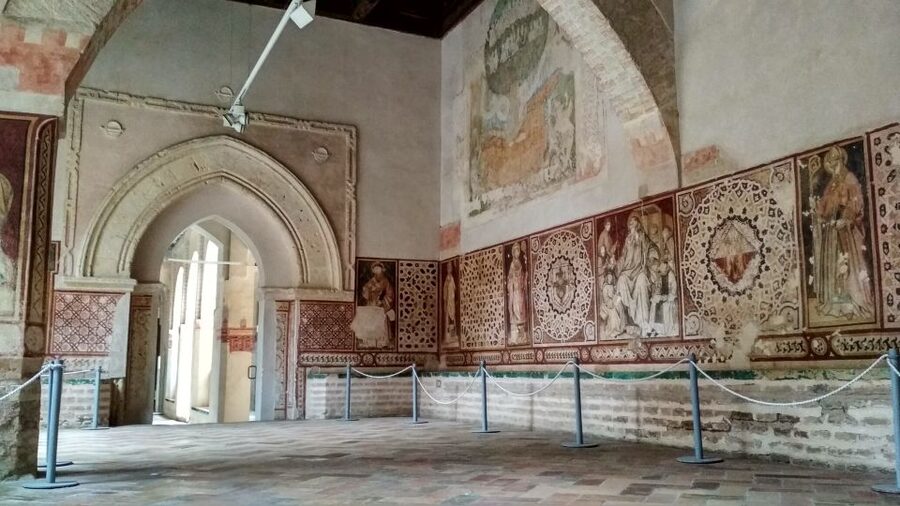
After Italica, the coach takes about 10 minutes to the Monastery of San Isidoro del Campo. The guided visit lasts around 40 minutes.
This stop changes the mood completely. Instead of Roman streets and an arena, you enter a medieval religious complex with the feel of a fortified building. Its architecture brings together Mudejar, Gothic, and Baroque elements, so you get several layers of Spanish history in one compact visit.
The monastery is deconsecrated, and only part of it is open. Funding limits affect what can be seen, so you should not expect every room or section to be available. Even so, the visit helps you picture monastic life and gives the day a useful chronological sweep.
Some people may prefer Italica, especially if they came for Roman history or Game of Thrones. I find the monastery valuable because it prevents the excursion from becoming a single-theme outing. You move from imperial Rome to medieval Andalusia, and the contrast makes both places easier to appreciate.
Guides such as Carlos and Katherine are praised for explaining the connection between architecture, art, and the wider story of Andalusia. That context is important here. The monastery can be quieter and less immediately dramatic than the amphitheater, but its details reward a slower look.
How the four-hour schedule really works
The advertised duration is four hours, including transfers. The basic plan is:
- About 20 minutes from Seville to Italica
- About 105 minutes for the guided visit at Italica
- About 10 minutes to San Isidoro del Campo
- About 40 minutes for the monastery
- About 20 minutes back to Seville
That leaves little spare time once meeting, loading, and drop-off are included. Traffic can delay the start, especially when leaving Seville. In one case, the schedule was extended rather than cutting the visits short, but you should not assume every day will run exactly the same way.
I recommend leaving at least a few extra hours before a restaurant reservation, flamenco show, train, or timed attraction. The tour can finish later than the stated four hours, and you will enjoy it more if you are not checking your watch.
Food and drinks are not included. There is no planned meal stop, and one person found the end of the tour uncomfortable because of hunger. Eat before departure and carry water. A small snack is sensible if you need regular food, since the focus is on sightseeing rather than refreshment breaks.
Shared tour or private tour?
The shared option is the better value for most visitors. At $46 per person, you get transport, entry tickets, and a local guide for two significant sites. Buying those pieces separately could take more planning, and public transport would not give you the same clear explanation of the ruins.
The private option makes sense if you want hotel pickup, a more personal pace, or room for detailed questions. It can also suit families and groups with mixed ages, since you may have more control over the rhythm. The exact price varies by option, so compare the total before booking.
Language choice matters. Tours are offered in English, French, Italian, and Spanish, but a minimum of four participants speaking the same language is needed to guarantee a particular language. If that number is not reached, you may be offered another language, another date, or a full refund.
That policy is worth checking if you are booking close to your departure date or need a specific language. It is not a problem for many English-speaking visitors, but it is an important condition for smaller language groups.
Who will enjoy this outing most?
I would choose this tour if you want Roman history without giving up a full day in Seville. It is especially good for first-time visitors who want a strong historical outing with transport and tickets handled in advance.
It also suits:
- People interested in Roman architecture and archaeology
- Game of Thrones fans who want to see the Dragonpit location
- Families with older children or teenagers
- Visitors who prefer a guide to exploring ruins alone
- Anyone curious about the contrast between Roman and medieval Andalusia
- Couples or small groups wanting a straightforward half-day excursion
It is less suitable if you want a slow, photographic visit with lots of time alone. The schedule is organized and purposeful. You will move with the group, and the free time at Italica is limited.
Walking aids are possible, but the pace may require attention. One guide made a special effort to help a visitor using a walking aid, yet the large archaeological site and limited time can still be demanding. Ask about your specific needs before booking if mobility is a concern.
Practical booking advice
Wear comfortable shoes and plan for outdoor walking at Italica. The ruins are exposed, and the site includes broad spaces, streets, and the amphitheater. Bring water, a snack, sun protection, and a phone or camera.
Check your exact meeting point carefully. Shared tours use different departure points, and navigation apps may direct you slightly away from the correct location. Look for the operator’s instructions and arrive early enough to avoid a rushed start.
Free cancellation is available up to 24 hours before departure, and you can reserve now and pay later. Starting times vary, so check the available departure when you book.
The final drop-off can be at one of four listed locations, including Calle Rastro, Hotel Don Paco, and Calle Trajano. This is useful if you want to continue sightseeing from a different part of central Seville, but confirm your selected return point before setting plans.
Should you book the Italica and monastery tour?
Yes, if you want a well-organized half-day that combines a major Roman site with a less expected medieval stop. The $46 price is fair for transport, admissions, and a live guide, especially when you consider how much easier the day becomes.
Book the shared tour for the best value. Choose private pickup if convenience and a personal pace matter more than keeping the price low.
The only real caution is the schedule. Eat first, allow extra time after the official finish, and do not expect a long independent visit at Italica. If you can accept that, this is one of the most useful history outings from Seville, with the amphitheater and mosaics providing the big moments and San Isidoro del Campo supplying a worthwhile change of era.
FAQ
How long does the Italica and monastery tour last?
The stated duration is four hours. The schedule includes transport from Seville, about 105 minutes at Italica, around 40 minutes at San Isidoro del Campo, and return transport. The tour may run longer, so leave extra time afterward.
What is included in the price?
The price includes entry tickets, transport from Seville, and a local guide. Food and drinks are not included.
Is transport from Seville included?
Yes. Transport by bus or coach is included. The ride takes about 20 minutes each way between Seville and Italica, with another short transfer of about 10 minutes to the monastery.
Is the tour available in English?
Yes. Live tours are offered in English, French, Italian, and Spanish. At least four participants speaking the same language are needed to guarantee that language.
Can I choose a private tour?
Yes. Private and shared options are available. Hotel pickup can be arranged for the private option if your accommodation is within the pickup area. Otherwise, you will be given the nearest accessible meeting point.
Is Italica a Game of Thrones filming location?
Yes. The amphitheater was used as the Dragonpit in season seven of Game of Thrones.
Can I cancel the tour?
You can cancel up to 24 hours in advance for a full refund. You can also reserve now and pay later, which keeps your plans more flexible.
Recently added around Seville
- Seville: Alcázar Fast-Track Access with Guided Tour★ 4.2 · 432 reviews
- Seville: Small Group Jewish Quarter Tour with Tapas & Drinks★ 5.0 · 119 reviews
- Seville: Sunset Roof Top Walking Tour★ 4.5 · 122 reviews
- Seville: Small-Group Jewish Quarter Discovery Walking Tour★ 4.9 · 499 reviews
- Seville: VIP Exclusive Early Access Tour of The Alcazar★ 4.8 · 276 reviews
- Seville: Authentic and Romantic Horse-Drawn Carriage Ride★ 4.5 · 341 reviews
- Seville: Sunset and Evening Paddle Boarding Tour★ 4.8 · 355 reviews
- Seville: Tapas, Taverns and History Guided Walking Tour★ 4.9 · 515 reviews
Churches & Monasteries, compared.
Toledo Tour from Madrid: Cathedral, Synagogue & St. Tome’s Church
Read our review →
Montserrat Monastery Half Day Experience from Barcelona
Read our review →
Montserrat Monastery Small Group or Private Tour Hotel pick-up
Read our review →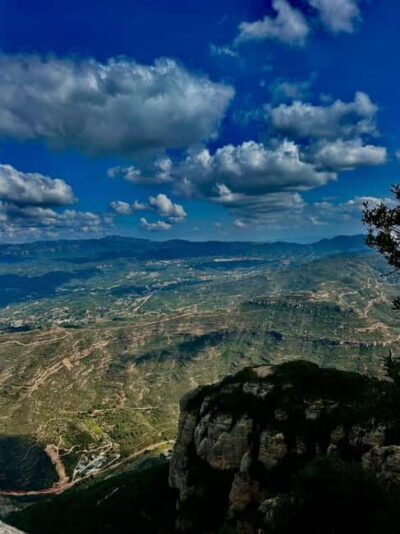
Montserrat Tour with Transport & Basilica Option
Read our review →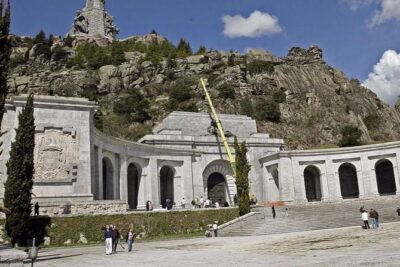
Escorial Monastery and the Valley of the Fallen Tour from Madrid
Read our review →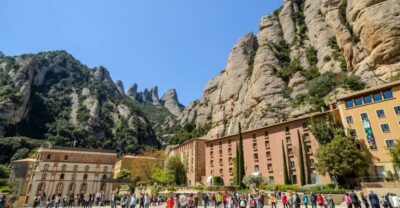
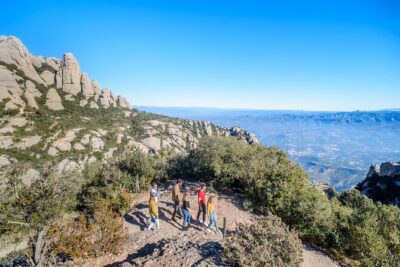
Montserrat Small Group: Monastery, Black Madonna & Natural Park
Read our review →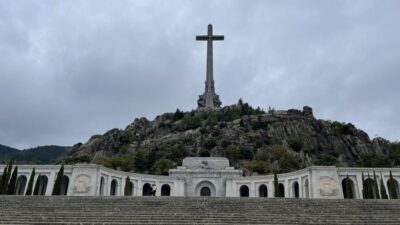
Escorial Monastery and the Valley of the Fallen
Read our review →Browse the lists this tour appears in