
Reviewed · COOKING CLASSES
Basque Cooking Experience: Market Tour & Hands-On Class English
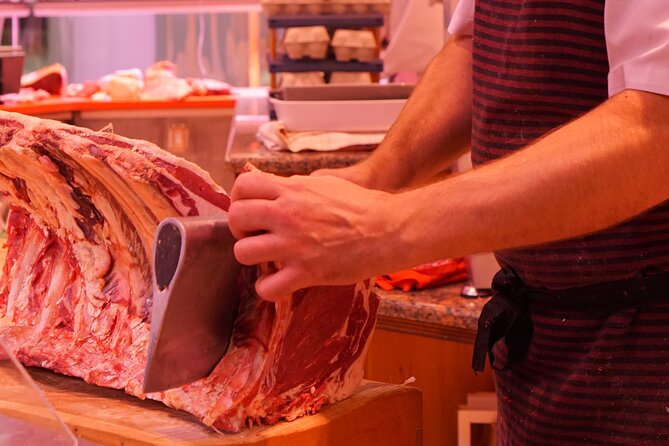
The best part of this San Sebastián food experience happens before the cooking starts. At Mercado de La Bretxa, chef Carlos introduces you to the people selling fish, meat, and produce, then shows you how to judge what belongs in a proper Basque meal. You are not simply handed ingredients. You learn why the market matters.
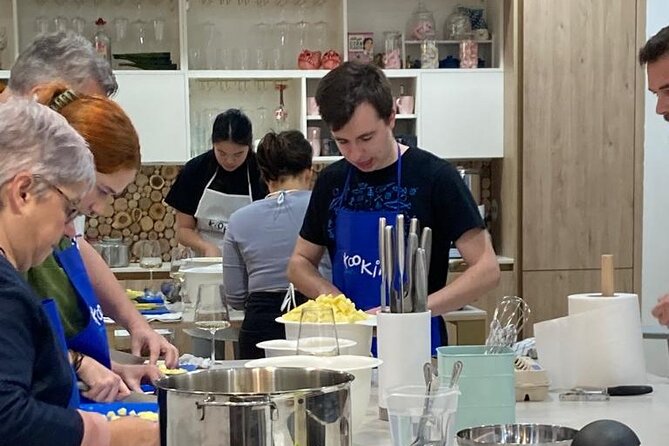
I like two things right away: the small group of up to 10, which gives you room to ask questions, and the fact that you actually cook every course. The apron, printed recipes, and local beverage pairings add real value. The main caution is the price, $168.17 per person, which is a sizeable sum for a morning activity, especially if you are mainly looking for a quick cooking demonstration.
- Market first: Visit Mercado de La Bretxa and meet local farmers, fishmongers, and butchers before cooking.
- Four-course menu: Prepare cod omelette, hake in green sauce, rib steak with piquillo peppers, and burnt Basque cheesecake.
- Patient instruction: Carlos leads the class in English with step-by-step help for beginners and useful tips for experienced cooks.
- Local drinks included: Courses are paired with wine, cider, or another regional beverage, with wine reserved for those 18 and older.
- Small, social format: The group is limited to 10 people, making it easier to work at the counter and get personal help.
- Useful souvenirs: You take home an apron and the recipes, so the class can continue in your own kitchen.
From San Sebastián’s Tourism Office to La Bretxa Market
Your morning begins at 10:00 a.m. outside the Donostia Information and Tourism Office at Alameda del Boulevard 8. The meeting point is central and easy to locate, but arrive with enough time to find it without rushing. The experience ends back at the same meeting point, so you do not need to arrange a separate return ride.
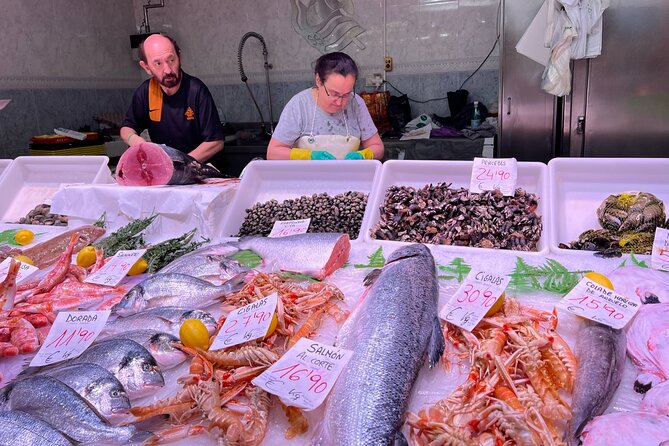
The first stop is Mercado de La Bretxa, one of the city’s important food markets. Here, the point is not to race through stalls and take a few photographs. Carlos uses the market to explain how Basque cooking starts with the raw materials. You get a closer look at fish selection, produce, and the relationship between cooks and the people who sell the food.
That matters in San Sebastián. The city is famous for polished restaurant cooking, but its food culture still depends on plain, careful shopping. A lesson on selecting fish or choosing a good cut of meat gives you something more useful than a list of dishes. It helps you understand why a short ingredient list can produce such a good meal.
You also get contact with the people behind the food. Meeting fishmongers, farmers, and butchers makes this part feel local rather than staged for tourists. Several class participants singled out the market visit as one of the strongest parts because it connected the cooking to Basque culture and daily life.
What to Notice at Mercado de La Bretxa
The market visit is especially helpful if you do not know much about Spanish seafood. Carlos explains how to choose fish and points out the quality of the products used later in class. You may not leave with a complete fish-buying education, but you should gain practical ideas you can use when shopping at home.
This is also the best time to ask questions. The market creates a natural setting for learning about ingredients, local habits, and the food traditions of San Sebastián. Carlos has been praised for explaining local history and cooking in clear English, with a relaxed manner that helps people feel comfortable speaking up.
There is one limitation. The market stop is part of a larger class, so it is not a full food tour. If you want a long, stall-by-stall market visit or several tastings, this is not designed for that. Its purpose is to prepare you for the kitchen and show you where the menu begins.
More Cooking Classes in Basque Country:
- Barcelona: Paella Cooking Experience & Boqueria Market Tour
★ 4.8 · 3,661 reviews - Barcelona Paella Cooking Class with Market Visit, Tapas & Sangria
★ 5.0 · 2,531 reviews - Barcelona Interactive Spanish Cooking Experience
★ 4.5 · 2,155 reviews
A Four-Course Menu in the KOOKIN Kitchen
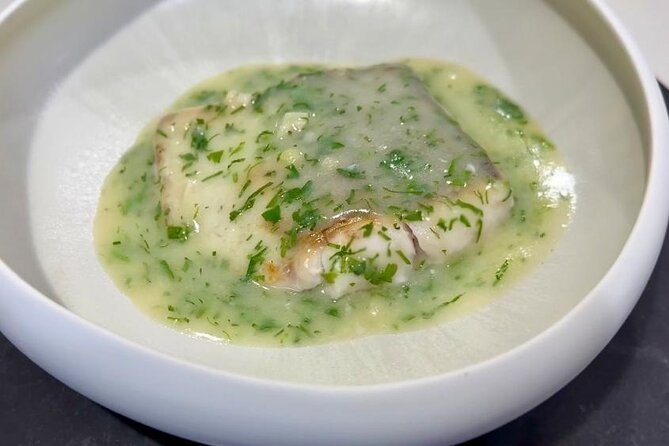
After the market, you head to the cooking school for the hands-on portion. The class uses a dedicated kitchen and dining area, with enough room for the group to work together. The setting is organized for cooking rather than watching a chef perform at a distance.
The menu covers several key parts of Basque cooking:
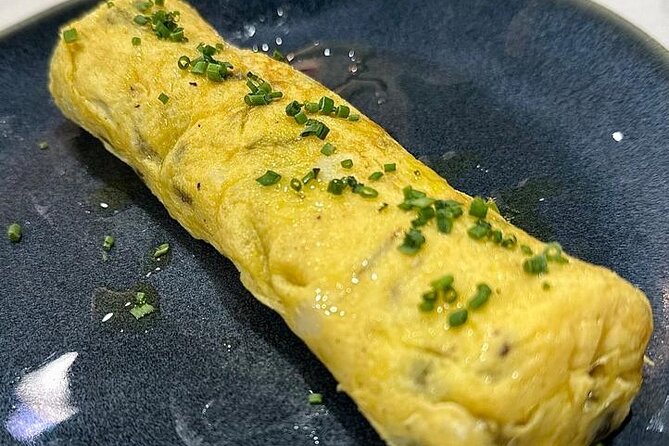
- Cod omelette as a starter
- Hake in green sauce
- Rib steak with piquillo peppers
- Burnt Basque cheesecake for dessert
The menu is a smart choice for a short class. You work with fish, eggs, meat, peppers, sauce, and a well-known local dessert. That gives you a broad range of methods without turning the morning into a technical culinary course.
You can expect to chop, mix, cook, and grill under instruction. The class is built around participation, so you and your companions should have chances to take part rather than simply stand around the kitchen. The instructors adjust their help for different skill levels, making this suitable for a first cooking class as well as for someone who already cooks at home.
Cod Omelette: A Simple Start With Basque Character
The cod omelette is a useful opening dish because it shows how a few familiar ingredients can work together. Carlos explains the method step by step, and the dish gives beginners an early success before the more involved courses begin.
For experienced cooks, the value is less about learning an elaborate recipe and more about seeing how the ingredients are handled in a Basque setting. You can ask about texture, seasoning, and technique, then compare the result with the way you might make an omelette at home.
The starter also sets the pace. This is not a rushed class in which every dish appears at once. The relaxed timing lets you cook, listen, and sit down to enjoy each course with a drink pairing.
Hake in Green Sauce: The Seafood Lesson Continues
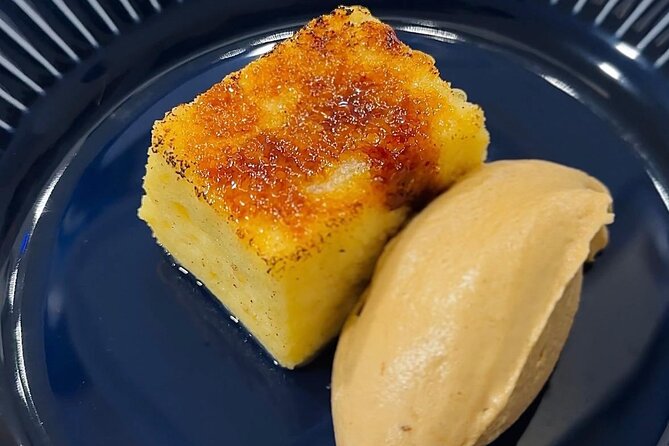
The hake in green sauce brings the market visit into the kitchen. You have already discussed fresh fish and how to select it. Now you prepare one of the central dishes of the meal, with Carlos guiding you through the process.
This course should appeal most to anyone who wants a better feel for Spanish seafood. You get to see how a fresh fish dish can remain the focus, rather than being buried under heavy seasoning. The class also gives you time to ask how the sauce comes together and how to avoid common mistakes.
If you do not eat fish, this menu may not be the best match. The class centers on seafood, and the fish courses are a major part of the food experience. One participant was accommodated for a no-red-meat diet, but the available information does not promise a set menu for every dietary need. Ask before booking if you require changes.
More Market Tours in Basque Country:
- Paella Cooking Class, Wine Tasting & Central Market in Valencia
★ 5.0 · 1,150 reviews - Valencian paella cooking class, tapas and visit to Ruzafa market.
★ 5.0 · 828 reviews - Spanish Cooking Class & Triana Market Tour in Sevilla
★ 5.0 · 760 reviews - Seville: 3.5-Hour Spanish Cooking Class & Triana Market Tour
★ 4.9 · 751 reviews
Rib Steak and Piquillo Peppers
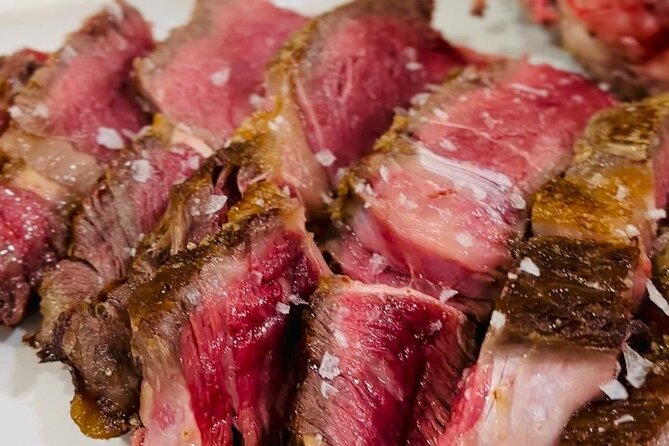
The rib steak with piquillo peppers shifts the class from the coast to the inland side of Basque food. It is a substantial main course and gives you a chance to work with meat, heat, and timing.
The combination is also practical. Piquillo peppers are strongly associated with northern Spanish cooking and are easy to remember when you return home. You are not just learning a dish for one meal. You are collecting ideas that can fit into your own cooking.
This is another reason the class works well for couples or friends with different skill levels. One person can help with preparation while another works at the grill or stove, then you share the finished course. The group format creates conversation without requiring anyone to perform for the room.
Burnt Basque Cheesecake to Finish
The dessert is burnt Basque cheesecake, a dish now famous far beyond the region. It is an excellent choice for a class because it feels special but is not presented as an impossible pastry project.
You learn the basic process and get to taste the result at the end of the meal. One participant found the cheesecake especially easy to reproduce at home, which is useful if you want a recipe with a good chance of making it into your regular kitchen routine.
A small point to note: coffee is not listed as part of the menu. If you expect a final café-style service with dessert, you may want to keep that expectation in check. The focus is on the food you prepare and the local drinks served alongside it.
Wine, Cider, and the Social Side of Lunch
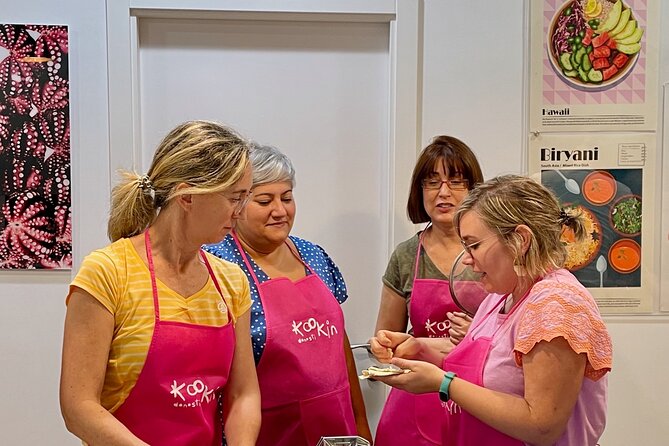
Each course comes with a considered beverage pairing. Wine is served only to those aged 18 or older, and the class also includes regional cider. You may learn how to pour the local drink yourself, adding a small cultural lesson to the meal.
These pairings are not just extras. They show how Basque food is enjoyed at the table and help break up the cooking instruction. You prepare a course, sit down, taste it with a drink, and then move on to the next task.
The social part is a real strength. A maximum of 10 people is small enough for conversation and personal help, but large enough to create a friendly group. Several participants formed connections with people from different countries, and the class often feels more like a shared meal than a formal lesson.
That format may not suit you if you want private instruction. This is a small group class, not a one-on-one session. Still, the size gives you much more access to the chef than a large demonstration would.
Carlos and the Teaching Style
Carlos is the main reason the class feels approachable. He explains the food clearly in English, answers questions, and keeps the pace light. You should expect a teacher who is personable and patient rather than formal or demanding.
His role covers more than recipes. He explains the ingredients, gives context about Basque culture, and shows how the market connects to the menu. That wider view is important because the class is meant to teach you about San Sebastián food, not only how to follow instructions.
Luis and other members of the team may also help in the kitchen. The staff keeps the workspace organized and assists while the dishes are being prepared. The result is a class that feels guided without making you feel watched.
I would still keep your expectations realistic. Three and a half hours is enough for a useful introduction, not mastery of Basque cuisine. You will learn techniques and recipes, but you will not cover every regional dish or cooking tradition in one morning.
Is $168.17 a Fair Price?
At $168.17 per person, this costs more than a basic cooking lesson. The value comes from the full package: a market visit, a four-course meal, instruction, several drink pairings, an apron, printed recipes, and a small group capped at 10.
I think the price makes the most sense if you treat this as both a food tour and lunch. You are paying for access to a local market, a chef-led class, ingredients, drinks, and a social activity that fills about three and a half hours. Compared with paying separately for a market visit, a good meal, and a cooking class, the cost is easier to justify.
It is less convincing if you only want to taste Basque food. San Sebastián has plenty of restaurants and pintxos bars where you can eat for less. Book this when you want to understand the food and take part in making it.
The apron and recipes help the value stretch beyond the day itself. If you recreate even one or two dishes at home, the class becomes more than a single meal.
Who Should Book This Class?
I would recommend it most strongly to:
- First-time visitors who want a practical introduction to Basque cuisine
- Home cooks who enjoy learning technique through direct practice
- Couples and friends who want a shared morning activity
- People who like meeting other food-focused visitors
- Anyone interested in fish, regional produce, and Spanish cooking
- Experienced cooks who appreciate market knowledge and local context
It is less suitable for someone who dislikes group activities, avoids both fish and meat, or wants a purely observational tour. It may also feel expensive if your main aim is simply to eat lunch.
The English-language format is a clear advantage. You do not need advanced cooking skills, and the instructions are designed for mixed ability levels. The group size also gives you a reasonable chance to ask about techniques you want to repeat at home.
Practical Details Before You Book
The activity starts at 10:00 a.m. at the Donostia Information and Tourism Office, Alameda del Boulevard 8, and finishes at that same meeting point. Plan for about three hours and 30 minutes, with the market visit and kitchen class forming one continuous morning.
Confirmation is provided when you book, and the activity is offered in English with a mobile ticket. The maximum group size is 10 people. It is worth booking ahead because the experience is often reserved about 29 days before the date.
Wine is available only to participants aged 18 and older. If your party includes younger people, the local beverage options should be checked with the provider before booking, since the published details specify the age rule for wine but do not give a full substitution policy.
Free cancellation is available up to 24 hours before the start time for a full refund. Cancellations or changes made less than 24 hours ahead are not accepted for a refund. The class also requires a minimum number of participants, so if the provider cancels for that reason, you are offered another date or experience, or a full refund.
Should You Book the Basque Cooking Experience?
Book it if you want to connect San Sebastián’s food with the people, market, and techniques behind it. The strongest features are the visit to La Bretxa, Carlos’s clear instruction, the four-course menu, and the chance to sit down with food you helped prepare.
Skip it if you want a cheap lunch, a private lesson, or a long market tour with extensive tastings. At $168.17, this is a planned food experience rather than a casual activity.
For most food-focused visitors, I think it is a good use of a morning. You leave with an apron, recipes, a better idea of how to shop for ingredients, and a meal that gives Basque cuisine a human face.
FAQ
Where does the Basque cooking experience begin?
It begins at the Donostia Information and Tourism Office at Alameda del Boulevard 8, 20003 Donostia, San Sebastián.
What time does the activity start?
The activity starts at 10:00 a.m.
How long does the experience last?
It lasts approximately three hours and 30 minutes.
Is the class offered in English?
Yes. The experience is offered in English.
What market do you visit?
The market stop is Mercado de La Bretxa in San Sebastián.
How many people can join the class?
The class has a maximum of 10 travelers.
What dishes do you prepare?
The menu includes cod omelette, hake in green sauce, rib steak with piquillo peppers, and burnt Basque cheesecake.
Are drinks included?
Yes. The meal includes regional beverage pairings, including wine and cider. Wine is served only to people aged 18 and older.
What do you take home?
You take home an apron and copies of the recipes prepared during the class.
Can you cancel for a full refund?
Yes. You can cancel at least 24 hours before the start time for a full refund. Cancellations made less than 24 hours before the experience are not refunded.
More Food Tours in Basque Country
- Bilbao: Basque Food Tour with Guide
★ 4.9 · 504 reviews - Complete winery experience: visit, tasting and traditional food
★ 4.5 · 175 reviews - Madrid: Live Flamenco Show with Food and Drinks Options
★ 4.5 · 9,901 reviews - Montserrat & Cogwheel Train, Gourmet Wine Tasting & Tapas/Lunch
★ 5.0 · 6,290 reviews
More Workshops in Basque Country
- Madrid: Paella and Sangria Workshop in the City Center
★ 4.9 · 1,264 reviews - Barcelona: Cocktail Master Class by Mixologist with Tapas
★ 4.7 · 959 reviews - Málaga: Spanish Cooking Workshop with Paella and Sangria
★ 4.9 · 613 reviews - Barcelona Cocktail Masterclass with Tapas
★ 5.0 · 377 reviews
Recently added around Basque Country
- Gaztelugatxe Access, Bermeo & Gernika guided tour from Bilbao★ 4.5 · 103 reviews
- Complete winery experience: visit, tasting and traditional food★ 4.5 · 175 reviews
- Gaztelugatxe, Mundaka and Gernika Tour from Bilbao★ 5.0 · 706 reviews
- Spanish Civil War start of 2 World War, Guernica Franco★ 5.0 · 462 reviews
- San Sebastian E-bike trour: Basque History and Cultural.★ 5.0 · 367 reviews
- Bizkaia Bridge, Gaztelugatxe, Bermeo and Gernika from Bilbao★ 4.5 · 299 reviews
- Bilbao: San Juan de Gaztelugatxe and Walk along Basque Coast★ 4.9 · 114 reviews
- From Bilbao: Gaztelugatxe, Bermeo and Gernika Day Trip★ 4.8 · 583 reviews
Cooking Classes, compared.
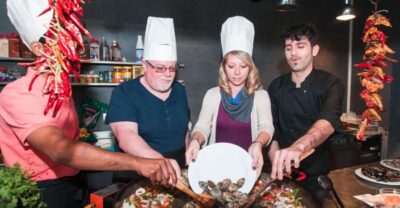
Paella Cooking Experience & Boqueria Market Tour
Read our review →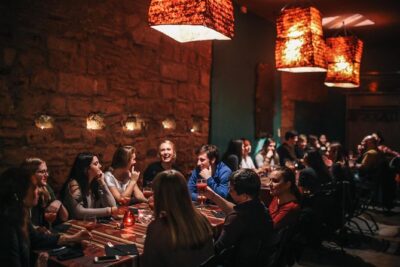
Barcelona Interactive Spanish Cooking Experience
Read our review →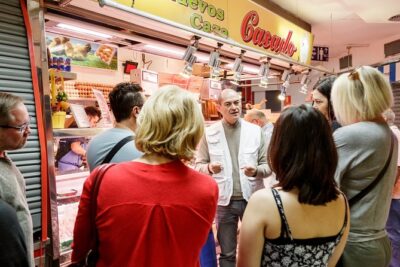
Spanish Cooking Class Paella Tapas and Sangria in Madrid
Read our review →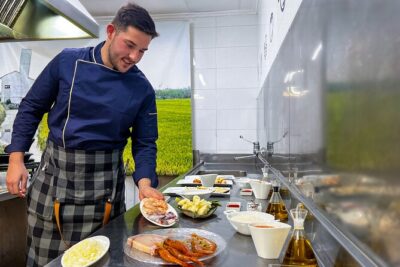
Paella Cooking Class, Wine Tasting & Central Market in Valencia
Read our review →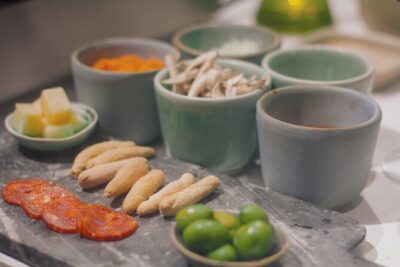
Paella Cooking Class in Madrid with Bottomless Wine Pairing
Read our review →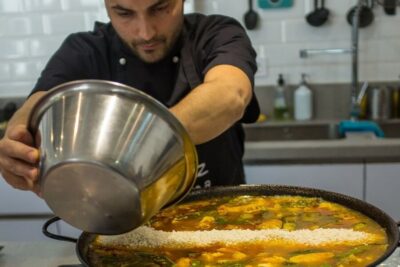
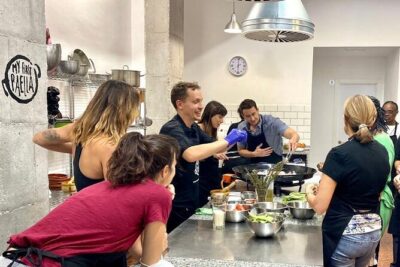
Valencian paella cooking class, tapas and visit to Ruzafa market.
Read our review →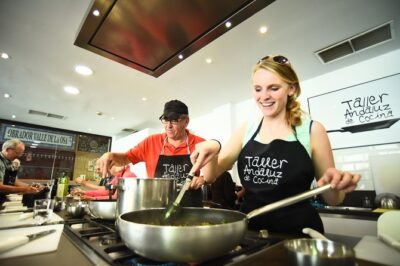
Spanish Cooking Class & Triana Market Tour in Sevilla
Read our review →Browse the lists this tour appears in