
Reviewed · PAELLA COOKING CLASSES
Málaga: Spanish Cooking Workshop with Paella and Sangria
The best part of this Málaga cooking class is that paella is only one piece of the meal. You also prepare ajoblanco, a chilled almond and garlic soup, remojón malagueño, a local salad, and a surprise dessert. Chef Laura or Chef Diego leads you through each dish, with sangria in the mix and plenty of talk about Andalusian food.
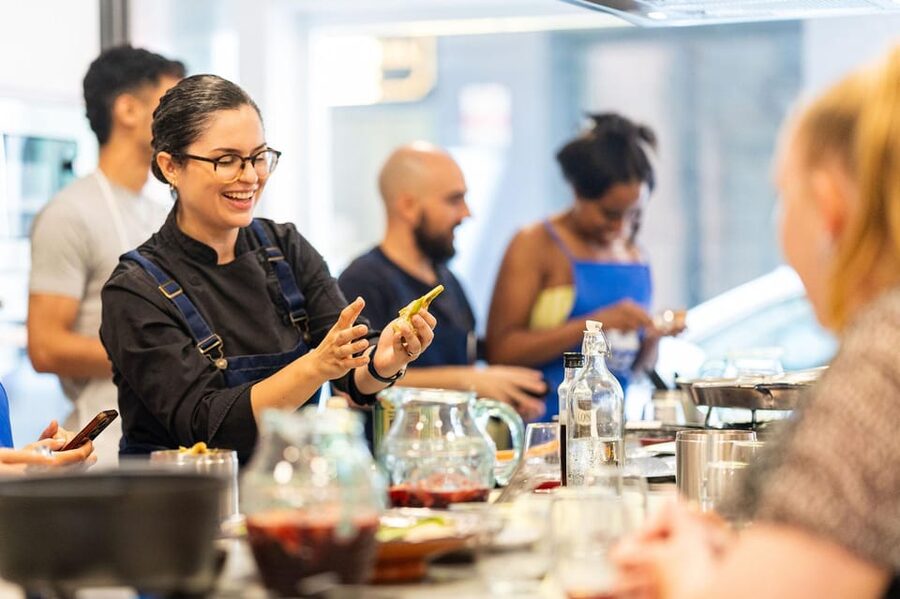
I like the central location, just five minutes from Atarazanas Market, and the genuinely hands-on format. You are not parked at a table watching a chef work. You chop, stir, season, ask questions, and eat what the group makes. The class is also set up with comfortable high stools, which matters if standing at a counter for two hours is not your idea of fun.
The main consideration is the minimum of four participants. The class is social by design, so solo visitors should be ready to cook with a small international group. Advance notice is also needed for vegan, vegetarian, or allergy-friendly adjustments.
Key points at a glance
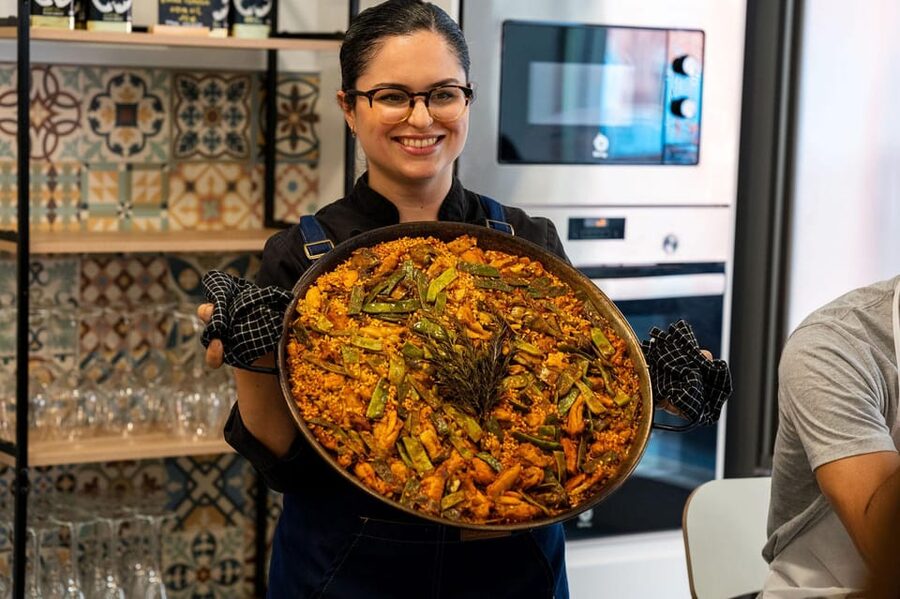
- Three-hour meal from start to finish: Prepare ajoblanco, paella, remojón malagueño, and a surprise dessert.
- Two chefs with different strengths: Laura brings Le Cordon Bleu training and paella instruction, while Diego focuses on Málaga and Andalusian cooking.
- A truly participatory class: You help prepare the food rather than simply watching a demonstration.
- Central Málaga setting: The kitchen is in the historic center, about five minutes from Atarazanas Market.
- A social dinner with sangria: The dishes are eaten together, with additional sangria or two included depending on your choice.
- Good practical extras: Expect local food advice, cooking tips, and recipes to help you repeat the meal at home.
A Málaga cooking class built around a full meal
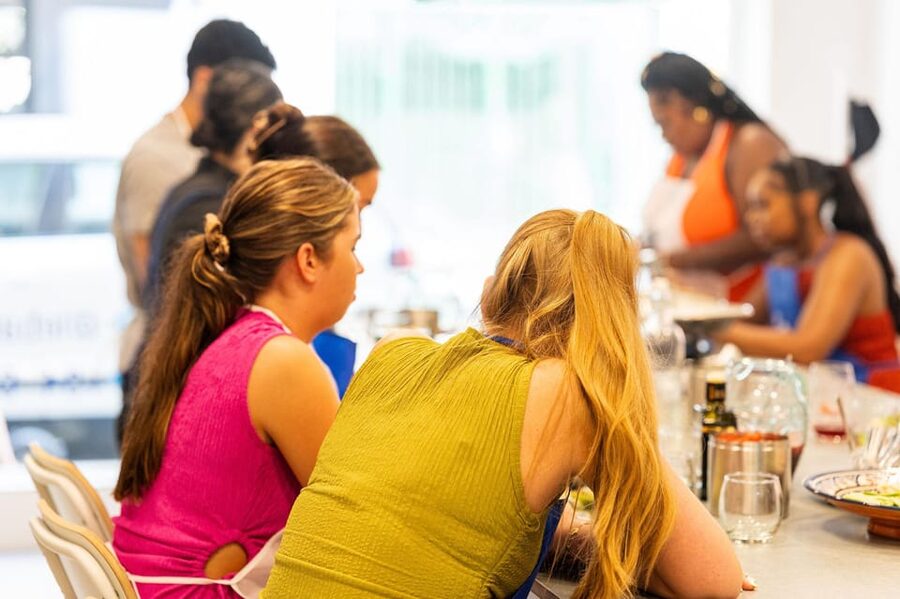
At $78 per person, this is more than a paella demonstration. You receive a three-hour food lesson, several dishes, drinks, and a sit-down meal in a modern kitchen. That makes the price reasonable for a central Málaga activity, especially if you value a meal that also teaches you something.
The class is conducted in English and requires at least four participants. It suits couples, families, solo visitors who enjoy meeting people, and small groups looking for an evening activity with more substance than a standard restaurant meal.
The exact flow can vary with the pace of the group, but the structure is clear. You cook several dishes from scratch, learn the background of the food, and then eat together. This gives the experience a natural rhythm: preparation first, conversation throughout, and a shared meal at the end.
I would not choose it if you want a quiet, private dinner or a strictly technical chef lesson. The atmosphere is friendly and conversational. The chefs explain, joke, answer questions, and talk about Málaga as well as cooking.
More Paella Classes in Malaga:
- Malaga: Sailing Catamaran with Swimming and Paella Lunch
★ 4.1 · 578 reviews - Barcelona: Paella Cooking Experience & Boqueria Market Tour
★ 4.8 · 3,661 reviews - Barcelona Paella Cooking Class with Market Visit, Tapas & Sangria
★ 5.0 · 2,531 reviews
Meeting Laura and Diego
The teaching team gives the class some range. Laura studied at Le Cordon Bleu in London and has worked in Michelin-starred restaurants. She was trained by a Valencian chef who specializes in paella, so her instruction focuses on the small choices that affect the rice, seasoning, and final texture.
Diego was raised and trained in Málaga after beginning his cooking life at age nine. His professional work includes traditional Andalusian kitchens and high-end restaurants in the city. He is especially tied to Málaga-style food and desserts, and he brings plenty of local stories to the lesson.
You may have Laura or Diego leading your session, with additional help from the team. The important difference is not a formal lecture style. Both chefs teach by doing, and both make room for one-on-one help when someone needs a closer explanation.
Laura is particularly good at using comparisons, the senses, and food history to explain why a technique matters. Diego has a relaxed, funny manner and often links the recipe to local customs, restaurants, and places to visit. Both speak English well enough for clear step-by-step instruction.
Starting with ajoblanco and Málaga flavors
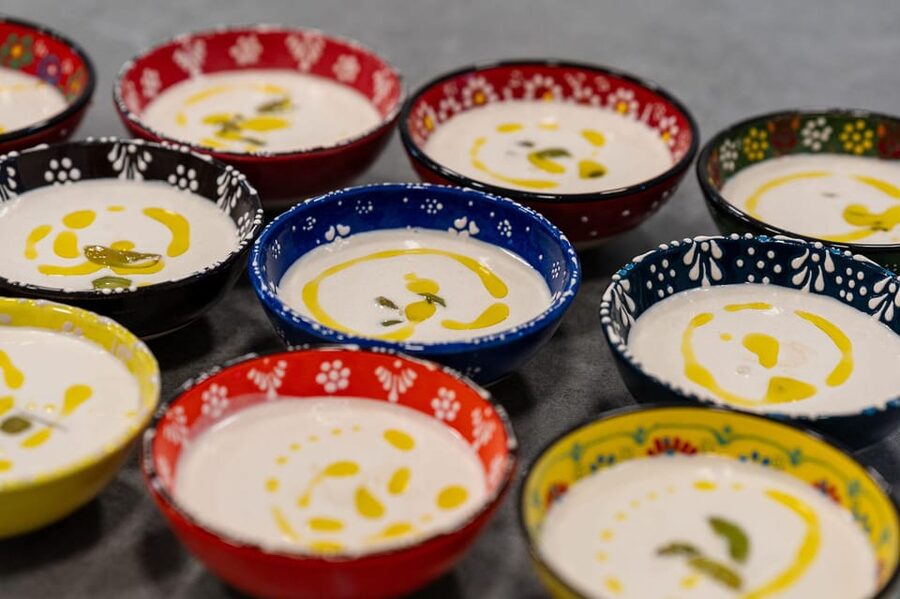
The first dish is ajoblanco, a cold almond and garlic soup associated with Andalusia. It is a useful introduction to the region because it shows how a few simple ingredients can create a dish with real character.
You learn about the ingredients and preparation rather than simply receiving a bowl. The soup has been a favorite part of the meal for many participants, which makes sense: it is unlike the hot soups many visitors expect from Spain, and it gives you a taste of Málaga beyond the usual tapas list.
This is also where the class begins to show its wider purpose. You are not only learning a recipe. You are learning how local food uses almonds, garlic, bread, olive oil, and careful seasoning to make a dish that feels both humble and special.
The chefs explain where to find ingredients and may offer advice on local markets and shops. Since Atarazanas Market is only about five minutes away, the location works well for anyone who wants to visit the market before or after class.
Making remojón malagueño
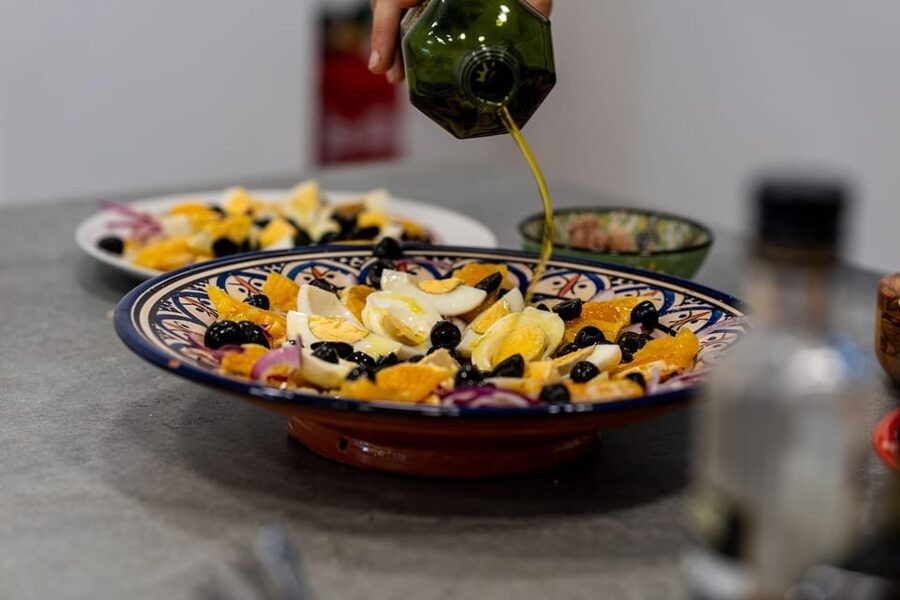
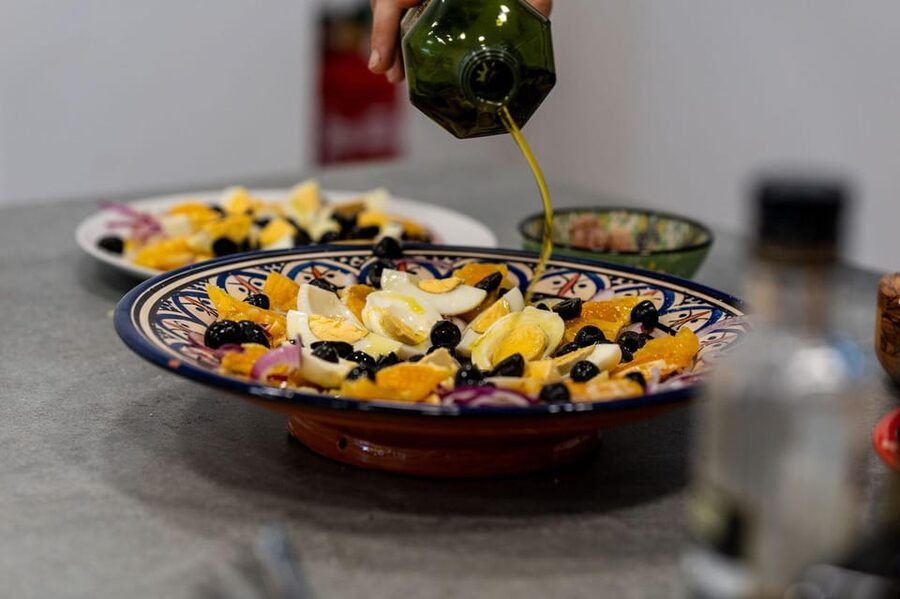
Next comes remojón malagueño, a typical Málaga salad. It gives the menu a fresh counterpoint to the rice and helps you understand the regional balance of a Spanish meal.
The salad is prepared as part of the group’s shared work, so you can expect to handle ingredients and follow the chef’s direction. The class is not built around each person cooking a completely separate meal. Instead, participants work together on several components and then share the finished food.
That format is worth noting before you book. If you want a personal paella pan that belongs only to you, this may not be the right class. If you like a communal meal and the chance to compare techniques with people from different countries, it works well.
The salad also keeps the three-hour session from becoming a single-topic exercise. You leave with a better sense of how soup, salad, rice, dessert, and drinks fit together in Spanish food culture.
More Cooking Classes in Malaga:
- Barcelona Interactive Spanish Cooking Experience
★ 4.5 · 2,155 reviews - Spanish Cooking Class Paella Tapas and Sangria in Madrid
★ 5.0 · 1,340 reviews - Paella Cooking Class, Wine Tasting & Central Market in Valencia
★ 5.0 · 1,150 reviews - Paella Cooking Class in Madrid with Bottomless Wine Pairing
★ 5.0 · 985 reviews
Learning the paella technique
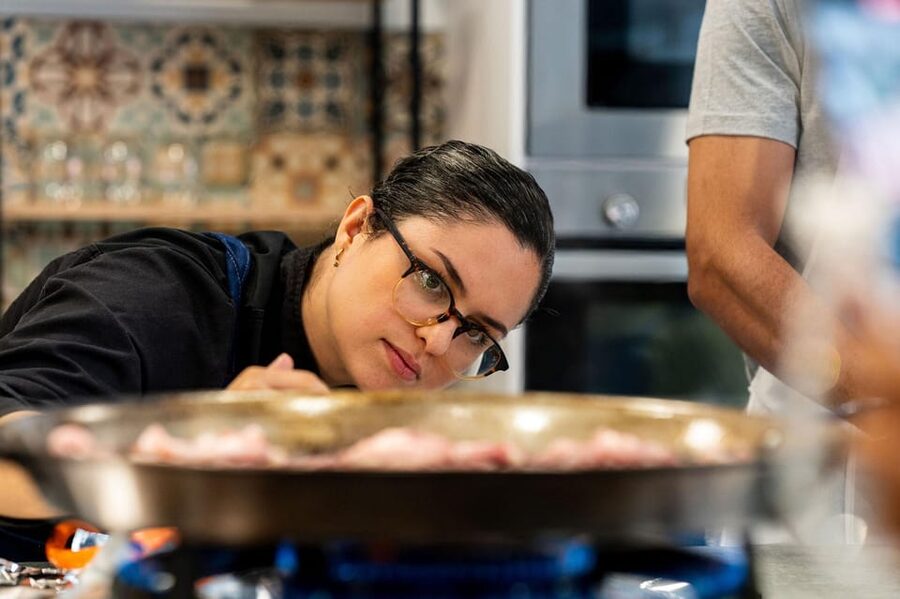
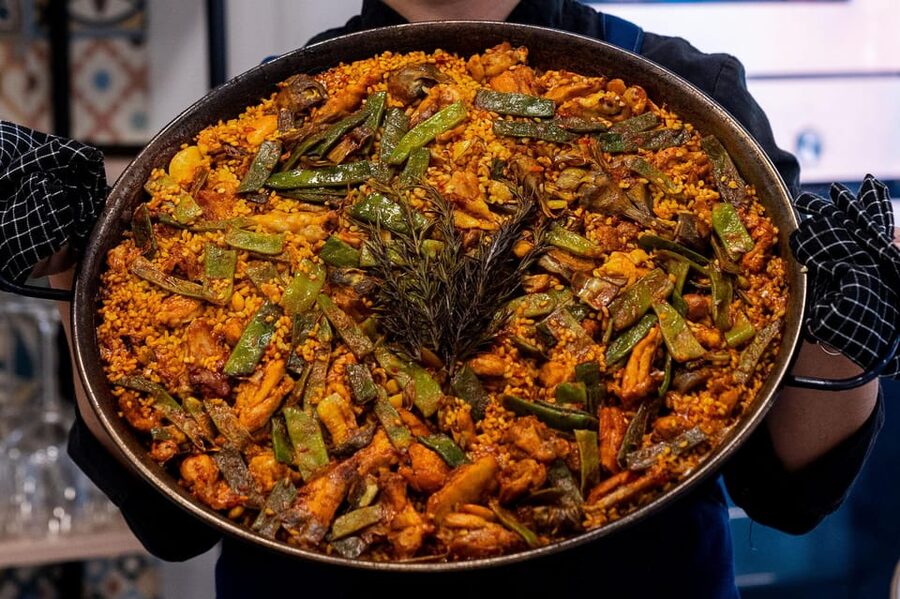
Paella is the headline dish, and the class treats it as more than a list of ingredients. Laura’s training with a Valencian paella specialist is especially relevant here, while Diego brings his own experience with Spanish cooking and regional food.
You learn how the dish comes together, including the techniques that help produce well-cooked rice. The teaching focuses on practical details, such as how to prepare ingredients, build flavor, and avoid the mistakes that leave homemade paella uneven or watery.
This is where the hands-on format matters most. You do not merely watch the chef add ingredients to a pan. You take part in preparing the dish and can ask questions as it develops. The chefs are happy to explain steps again and give individual help when needed.
The result is not a restaurant audition. You are not expected to arrive with knife skills or paella experience. The class is designed for ordinary cooks, and the instructions are clear enough for beginners. You should still expect some standing, chopping, and moving around the kitchen, although high stools with backs are available.
One useful point is that the class teaches confidence as much as a recipe. You leave with a better idea of what to look for in the rice and how to repeat the dish at home. Several participants have specifically planned to try paella again after returning home, which is a good sign for anyone seeking a practical food activity.
Sangria, dessert, and the shared table
Sangria is part of the experience, not simply a drink handed to you at the door. The chef explains how it is made, and you can enjoy more sangria or two during the meal, depending on your choice. Alcohol and drugs are not allowed beyond the activity’s intended drink service, so this is a cooking class with refreshments, not a bar crawl.
The surprise dessert keeps the menu from feeling predictable. Diego’s specialty in Málaga and Andalusian desserts adds another reason to pay attention during the final part of the lesson. The exact dessert is not specified in advance, which is part of the fun, but you should not book this expecting to choose from a dessert menu.
Once the food is ready, the group sits down and eats together. This shared meal is one of the strongest parts of the format. You can taste the results while the cooking details are still fresh, and conversation continues naturally over the dishes.
The international mix can also make the meal more social. Past classes have included people from the United Kingdom, United States, Canada, Switzerland, Portugal, Austria, Holland, and other countries. That does not make the food less local. It simply gives the dinner a relaxed, communal feel.
What the central location adds
The kitchen is in Málaga’s historic center, close to Atarazanas Market. That makes the class easy to combine with a day of sightseeing, and you do not need to arrange transport to an outlying cooking school.
The market connection is more than a useful map point. Atarazanas is a natural place to think about ingredients, food shopping, and the everyday side of Andalusian cooking. You can visit before class, then arrive with a better sense of the produce and market culture behind the recipes.
The central setting also makes the class a practical rainy-day option. You get a warm indoor activity without giving up the sense that you are spending time in Málaga. The chefs add local restaurant and food recommendations, so the class can help shape the rest of your stay.
I would ask the chefs for suggestions if you are continuing to Valencia, exploring Andalusia, or simply trying to find a good paella in Málaga. Their recommendations are one of the useful extras that do not appear on the plate.
Group size, comfort, and accessibility
A small group is important here because the class depends on participation. With fewer people at the counter, you have a better chance to ask questions, handle ingredients, and get help with a technique.
The class has worked well with groups of around nine or ten people, creating enough company for conversation without making the lesson feel impersonal. The required minimum is four participants, so the experience has a social character rather than a private-lesson feel.
Comfort is better than you might expect from a cooking workshop. High stools with backs are available, which can make a real difference for older participants or anyone who does not want to stand for the whole session.
The activity is wheelchair accessible. If you have a specific mobility need or a serious allergy, tell the provider ahead of time so the kitchen can prepare properly.
Dietary needs and what to tell the provider
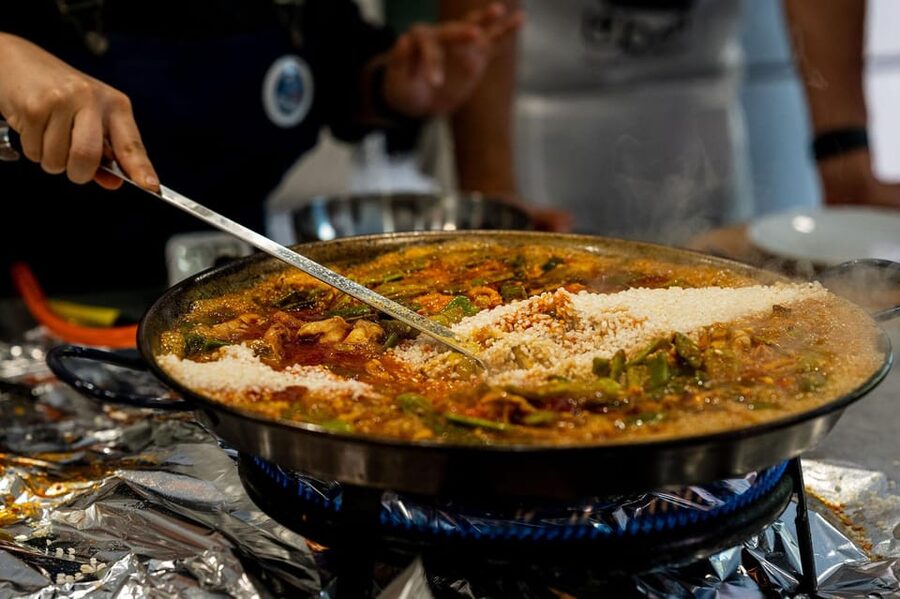
Vegetarian and vegan versions are available with advance notice. Food allergies and intolerances can also be accommodated, but this is not something to leave until you arrive.
Tell the provider your needs when booking and repeat them at the start of the class. The menu includes several dishes, so clear information helps the chefs adjust the preparation across the soup, salad, paella, and dessert.
The cooking class is a good choice for people who need menu adjustments, but you should still communicate early and precisely. The more detail you provide, the easier it is for the kitchen team to plan a safe and satisfying meal.
Is $78 a fair price?
I think $78 is fair if you want an activity that combines instruction, food, drinks, and local conversation. You are not paying only for paella. You are paying for three hours with trained chefs, several dishes, sangria, a meal, and guidance you can use later.
The value improves if you treat the class as both dinner and an evening activity. You would otherwise spend money on a meal in central Málaga, and the workshop adds recipes, technique, and local recommendations.
It is less compelling if you only want the cheapest way to eat paella. A restaurant meal will usually require less time and effort. The point here is participation, not speed.
Free cancellation up to 24 hours before the class and a reserve-now, pay-later option make it easier to fit into a changing Málaga schedule. Check the available starting times before booking, since the class lasts three hours and may shape your evening plans.
Who should book this experience?
I would recommend it to first-time visitors who want a food activity with local context, couples looking for a relaxed shared evening, families with older children, and anyone who plans to cook Spanish food at home.
It is also a smart choice for a rainy day or for a short stay when you want one activity that combines a meal and cultural insight. The chefs talk about ingredients, regional traditions, local places to eat, and the background of the dishes, so you get more than a recipe card.
You may want to skip it if you dislike group activities, do not drink alcohol and do not want sangria present, or prefer a highly formal culinary course. The tone is friendly and playful, with plenty of conversation and humor.
Final verdict: book it if you want to cook, not just eat
Book this Málaga workshop if you want to take part in a full Spanish meal and leave with skills you can use at home. The strongest reasons are the hands-on cooking, the central location, the comfortable seating, and the mix of dishes beyond paella.
Laura and Diego bring different strengths, but both focus on clear instruction and local food knowledge. At 4.9 out of 5 from 613 ratings, the experience has a strong record, and the praise centers on the things that matter most here: friendly teaching, delicious food, small groups, useful tips, and a relaxed meal with fellow participants.
If you want a polished restaurant dinner, choose a restaurant. If you want to understand what goes into the food on your plate, reserve the class, tell the team about dietary needs in advance, and arrive ready to chop.
FAQ
How long does the Málaga cooking workshop last?
The workshop lasts three hours. Check the available starting times when booking so you can fit it around sightseeing and dinner plans.
What dishes will I prepare?
The menu includes ajoblanco, paella, remojón malagueño, and a surprise dessert. The class also includes sangria during the meal.
Is the class taught in English?
Yes. The activity includes an English-speaking live guide and instruction from the chefs.
Who teaches the class?
The main chefs are Laura and Diego. Laura studied at Le Cordon Bleu in London and specializes in paella instruction, while Diego focuses on Málaga-style and Andalusian cuisine, especially desserts.
Can the menu accommodate dietary requirements?
Yes. Vegetarian and vegan options are available with advance notice, and the kitchen can adapt for food allergies and intolerances. Tell the provider your needs before the class.
Where does the class take place?
The class takes place in central Málaga, about five minutes from Atarazanas Market. The kitchen is modern and wheelchair accessible.
How many people are needed for the class to take place?
A minimum of four participants is required. The class is intended for solo visitors, couples, families, and small groups who are comfortable cooking and eating with others.
More Workshops in Malaga
- Malaga: The Ultimate Tapas Workshop with Market Visit
★ 4.9 · 108 reviews - Madrid: Paella and Sangria Workshop in the City Center
★ 4.9 · 1,264 reviews - Barcelona: Cocktail Master Class by Mixologist with Tapas
★ 4.7 · 959 reviews - Barcelona Cocktail Masterclass with Tapas
★ 5.0 · 377 reviews
Recently added around Malaga
- Tour to Gibralfaro★ 4.7 · 182 reviews
- Málaga: Picasso Birthplace Museum Ticket & City Audio Guide★ 4.1 · 158 reviews
- Nerja, Torrox, or Torre del Mar: Caminito del Rey Day Trip★ 4.9 · 762 reviews
- Malaga: Tuk tuk tour★ 4.8 · 402 reviews
- Malaga: Organic Vineyard Tour with 6 Wines, Tapas & Transfer★ 4.8 · 334 reviews
- Malaga: The Ultimate Tapas Workshop with Market Visit★ 4.9 · 108 reviews
- Malaga: Tour of Malagueta Bullring & Immersive Exhibition★ 4.7 · 271 reviews
- Malaga: Tapas Tasting Tour★ 4.9 · 133 reviews
Paella Cooking Classes, compared.
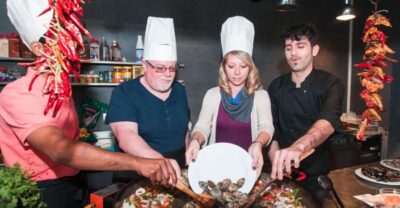
Paella Cooking Experience & Boqueria Market Tour
Read our review →
Natural Coves and Beaches Boat Trip & Paella Lunch
Read our review →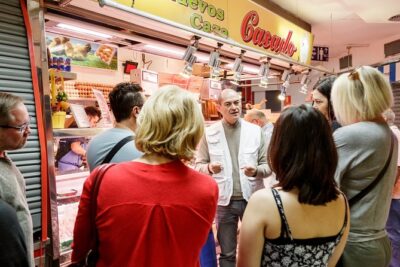
Spanish Cooking Class Paella Tapas and Sangria in Madrid
Read our review →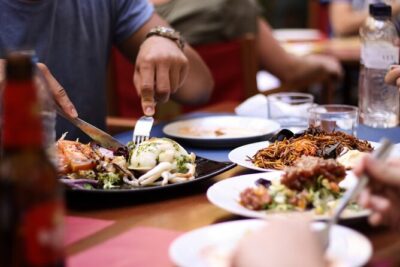
Barcelona Food Tour: Tapas, Paella, Sangria & 8+ Local Tastings
Read our review →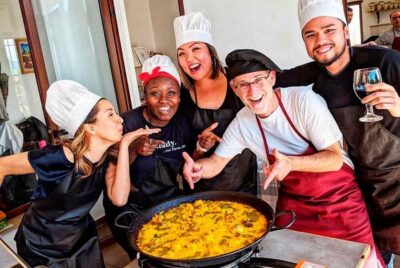
Paella and Sangria Workshop in the City Center
Read our review →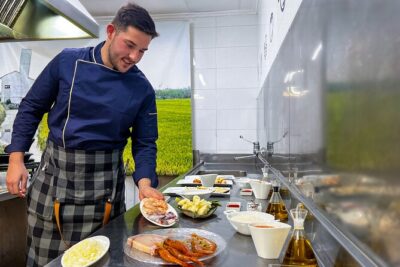
Paella Cooking Class, Wine Tasting & Central Market in Valencia
Read our review →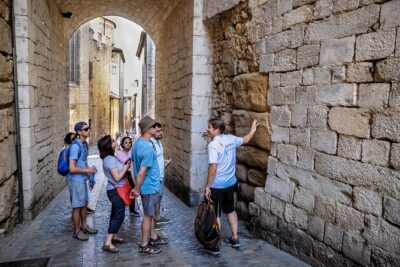
Girona & Costa Brava Small Group Tour From Barcelona with Paella!
Read our review →
Paella Cooking Class in Madrid with Bottomless Wine Pairing
Read our review →Browse the lists this tour appears in