
Reviewed · COOKING CLASSES
Seville: 3.5-Hour Spanish Cooking Class & Triana Market Tour
Triana Market is the star here. You begin among stalls selling the ingredients of Andalusian cooking, then carry that knowledge into a working kitchen and prepare the food yourself. The market-to-table format gives the class a useful sense of place rather than making it feel like a generic cooking lesson.
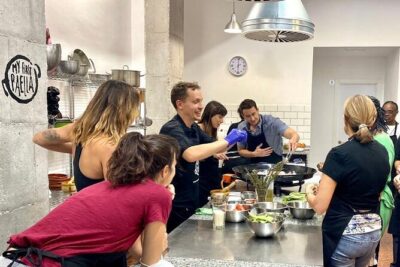
I like the generous participation and the easy, social tone. Chefs such as Leo, Dom, Maria, Pedro, and Carlo have been praised for giving clear instructions while letting you chop, stir, debone chicken, and help build the paella. I also like that the meal includes what you make, plus sangria during the class and two more drinks.
The main consideration is timing. The market visit is available only in the morning, and the 3.5-hour class is not a quick demonstration. You need to be comfortable spending a good part of the day cooking, eating, and working with a group.
Key points to know before booking
- Triana Market comes first: Meet at Plaza del Altozano, stalls 75 to 77, for a guided look at local ingredients and market traditions.
- You do real kitchen work: Expect to take part in chopping, stirring, preparing vegetables, and learning techniques such as deboning chicken.
- The menu covers four parts: Usually salmorejo, spinach with chickpeas, chicken and seasonal vegetable paella, and a light dessert.
- Vegetarians are catered for: A separate vegetable paella is prepared when needed, and alternative dishes may replace the standard menu.
- Drinks are part of the experience: Sangria is served while you cook, followed by up to two drinks with the meal.
- The class suits food-minded beginners: The chefs explain each stage and keep the mood friendly, but you should tell the operator about allergies or dietary restrictions in advance.
Why the market setting makes the class worthwhile
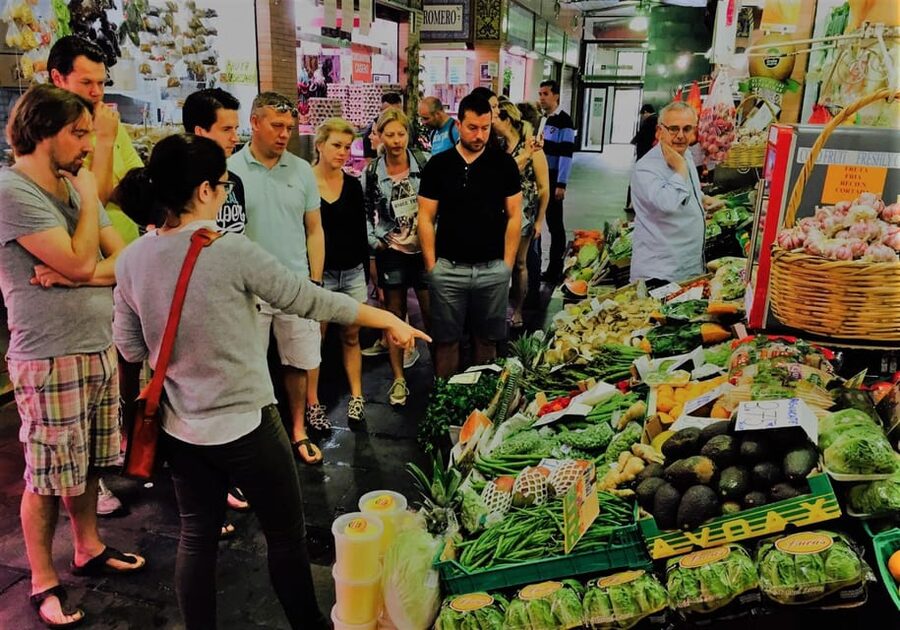
Many cooking lessons begin in a polished kitchen with ingredients already laid out. This one begins at Triana Market, one of Seville’s traditional food markets, so you first see the setting where local cooks shop.
The guided market walk is short, but it gives the food a Spanish address. You may stop at stalls to discuss produce, meats, cheeses, and other ingredients used later in the kitchen. Guides such as Ana, Sabrina, Clara, Carmen, and Kai have led these introductions, explaining both the products and the market’s place in Seville’s food culture.
I like this opening because it helps you notice details you might otherwise pass without understanding. A piece of cured meat or a pile of vegetables means more when you know how it fits into local cooking. One useful tip is to arrive early if you take the morning version. You can look around the market and buy breakfast before the activity begins.
The market is also a working place, not just a backdrop for photographs. You may see local shoppers going about their business, so the tour is best approached with courtesy and attention. The market portion is not designed as a long shopping trip, and you should not expect unlimited time at every stall.
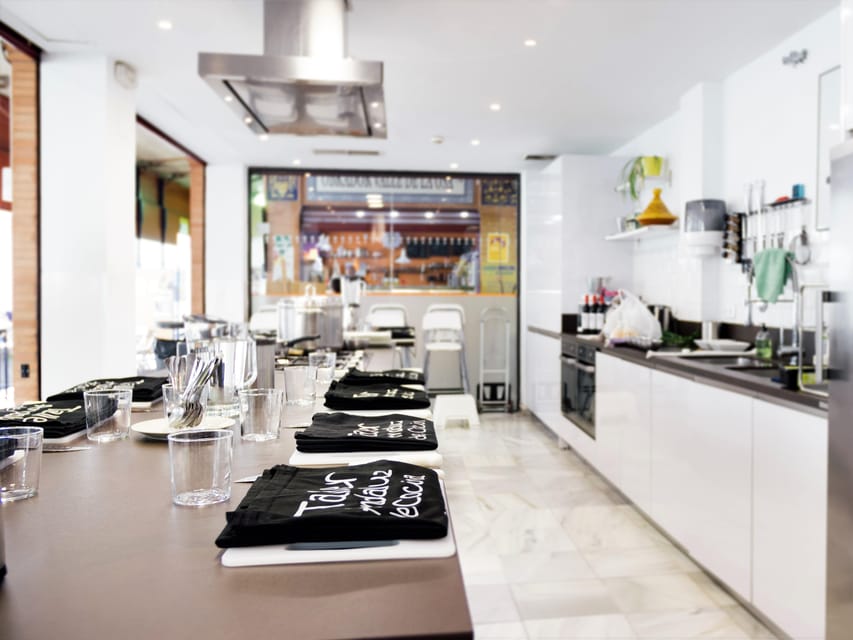
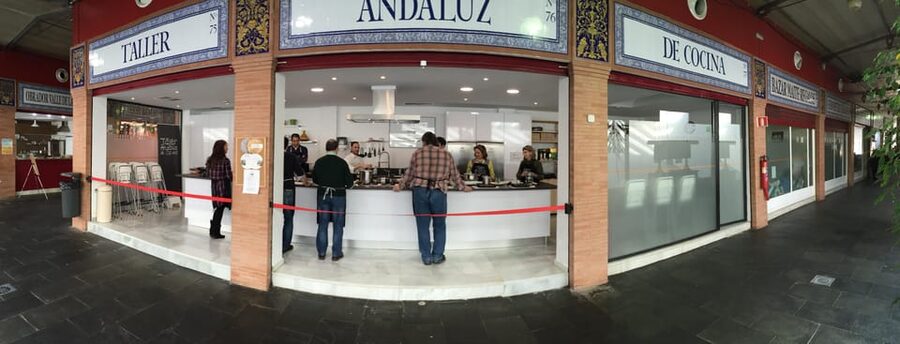
The cooking school is located at stalls 75 to 77 inside Triana Market. The market location gives the class its strongest sense of place, though the exact arrangement of the kitchen area can vary with the group. Either way, the food lesson stays tied to the market rather than floating free of Seville.
More Food Tours in Seville
- Sevilla Food Tour: Tapas, Wine, History & Traditions
★ 5.0 · 3,468 reviews - The Seville Tapas Crawl Tour by Food Lover Tour
★ 5.0 · 1,213 reviews - Seville Ultimate Food Tour
★ 5.0 · 898 reviews
The menu: four Spanish dishes with an Andalusian feel
The usual menu has four parts: a cold soup, a vegetable and legume dish, paella, and a light dessert. It is a sensible introduction because you get several different cooking methods and flavors in one sitting.
Salmorejo or gazpacho
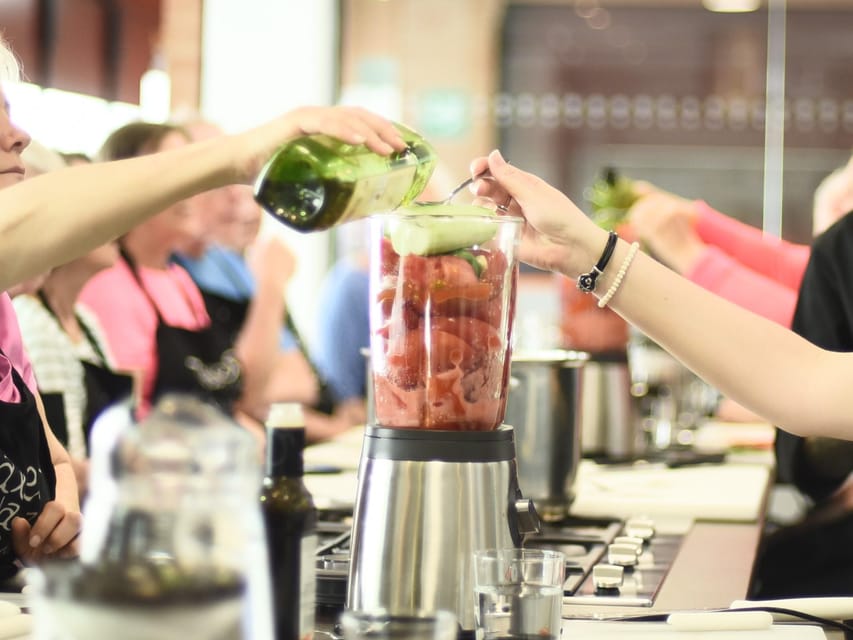
Salmorejo is a thick, chilled tomato soup associated with Andalusia. It is usually smooth and filling, with a texture that differs from the lighter gazpacho served in many Spanish restaurants.
On some occasions, the class prepares gazpacho instead. Both dishes make good teaching material because the ingredients are simple, yet the balance of tomato, seasoning, oil, and texture matters. You learn how a few fresh products can form a central part of a meal.
Spinach with chickpeas
Spinach with chickpeas is a useful example of the hearty, economical side of Andalusian cooking. The dish combines greens and pulses into something more substantial than a salad, and it shows how everyday ingredients can carry plenty of flavor.
The menu can sometimes change to flamenco eggs, cod fritters, or garlic prawns. That flexibility is worth noting if you are booking for one particular dish. The listed menu is the normal guide, not an absolute promise for every session.
More Cooking Classes in Seville:
- Seville: Spanish Cooking Class with Dinner
★ 4.9 · 900 reviews - Spanish Cooking Class & Triana Market Tour in Sevilla
★ 5.0 · 760 reviews - Spanish Cooking Class and Dinner in Seville
★ 5.0 · 261 reviews - Barcelona: Paella Cooking Experience & Boqueria Market Tour
★ 4.8 · 3,661 reviews
Chicken and seasonal vegetable paella
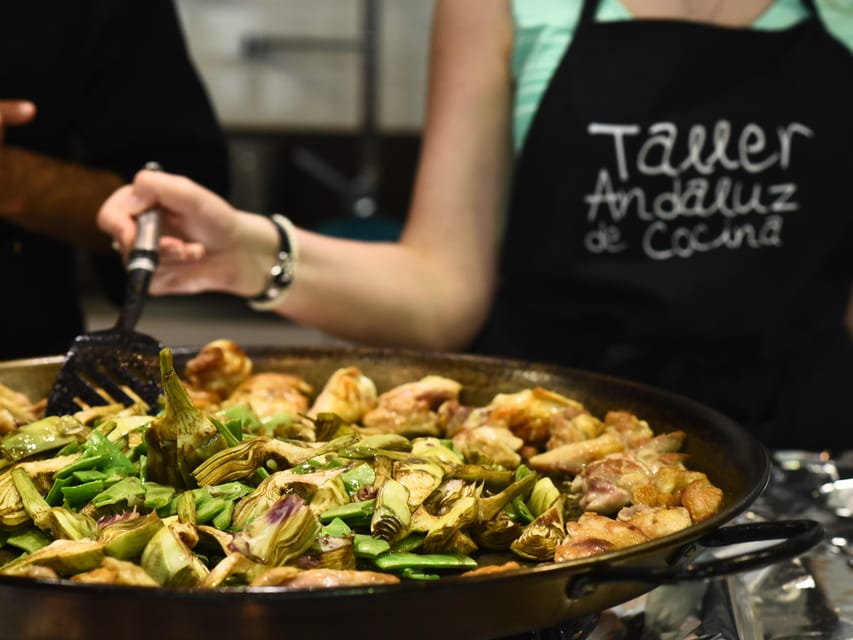
The paella is the main event for many people. The standard version uses chicken and seasonal vegetables, rather than seafood. You take part in the preparation and learn how the ingredients come together in the pan.
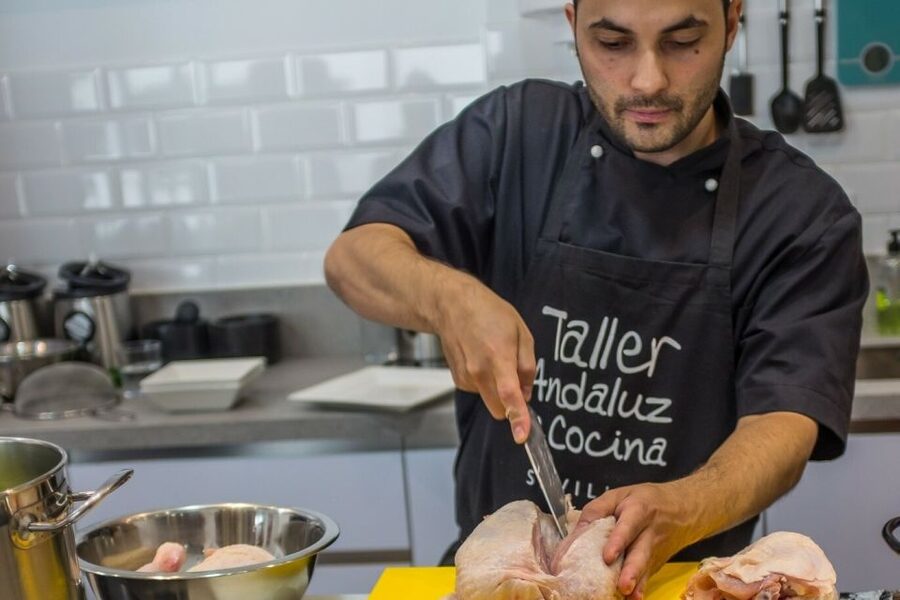
Several participants have especially enjoyed the paella, and some have wanted to recreate it at home. The class can include practical jobs that are not often covered in a short food tour, including preparing chicken and learning how to debone it. If you are new to cooking, the chef guides you through the process rather than leaving you to guess.
Paella also rewards attention. Timing, liquid, heat, and the arrangement of ingredients all affect the finished dish. You may not leave ready to run a Spanish restaurant, but you should understand more clearly why good paella depends on method as much as ingredients.
A light dessert
Dessert is generally something simple, such as lemon sorbet with cava. Some sessions have featured a lemon and mint finish. It provides a cold, clean ending after the savory dishes and keeps the meal from becoming too heavy.
The dessert is not the reason to book this class, but it completes the meal nicely. You also avoid spending the final part of the activity on a complicated pastry lesson when the focus is Spanish savory cooking.
What your hands actually do in the kitchen
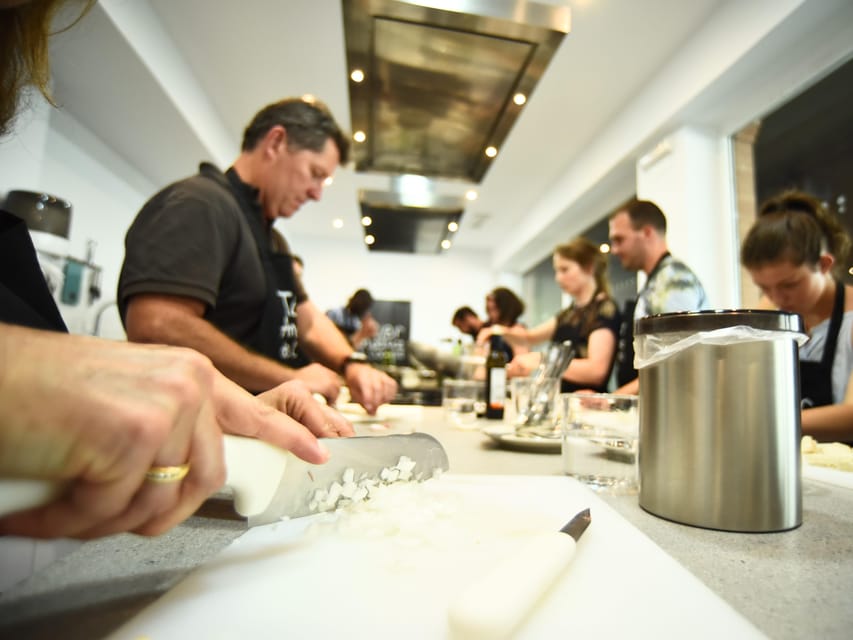
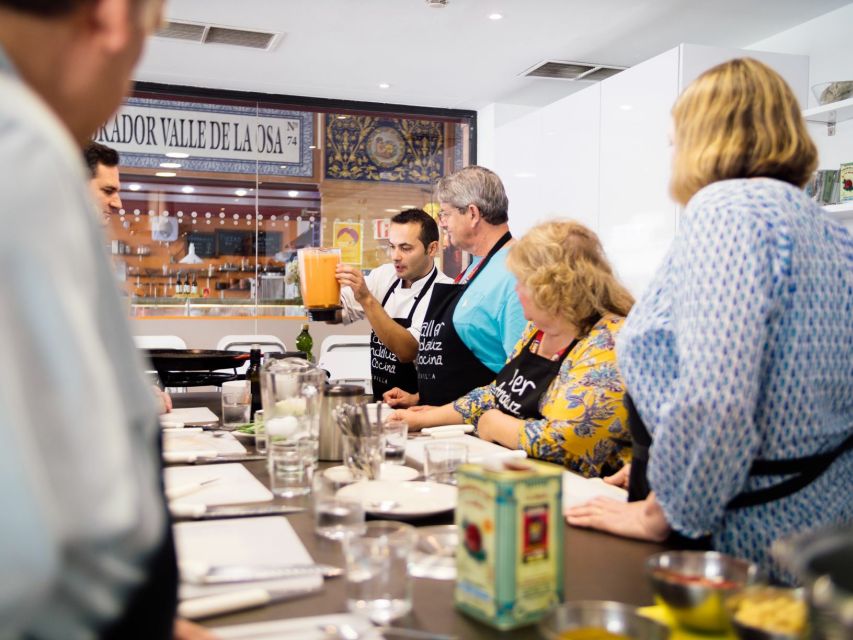
This is not a class where you watch a chef cook and then receive a plate. The format mixes demonstration with group participation. Depending on the task, you may chop vegetables, prepare ingredients, stir a dish, help with the paella, or work on chicken preparation.
The chefs have different personalities, but the teaching style described for the class is consistent: clear instructions, humor, and enough room for you to try the technique yourself. Leo has been praised for keeping the class light and funny, while Dom has been noted for explaining small skills such as finely chopping garlic and deboning chicken. Maria, Pedro, Carlo, and other chefs have also been described as patient and willing to answer questions.
That balance matters. Too much demonstration makes a cooking class passive. Too much freedom leaves beginners unsure of what to do. Here, the aim is to let you participate without turning lunch into a stressful test.
You should still expect shared work rather than a private lesson. The exact amount of time you spend at the cutting board will depend on the group and the dish being prepared. If you want individual instruction at every stage, a private class would be a better fit, though that is not what this activity offers.
A particularly useful feature is the chance to ask why a technique works. You can learn not only what to chop, but how finely to chop it, when to add it, and what change to look for in the pan. That kind of practical explanation is more likely to stay with you when you cook at home.
Sangria, lunch, and the social side of the afternoon
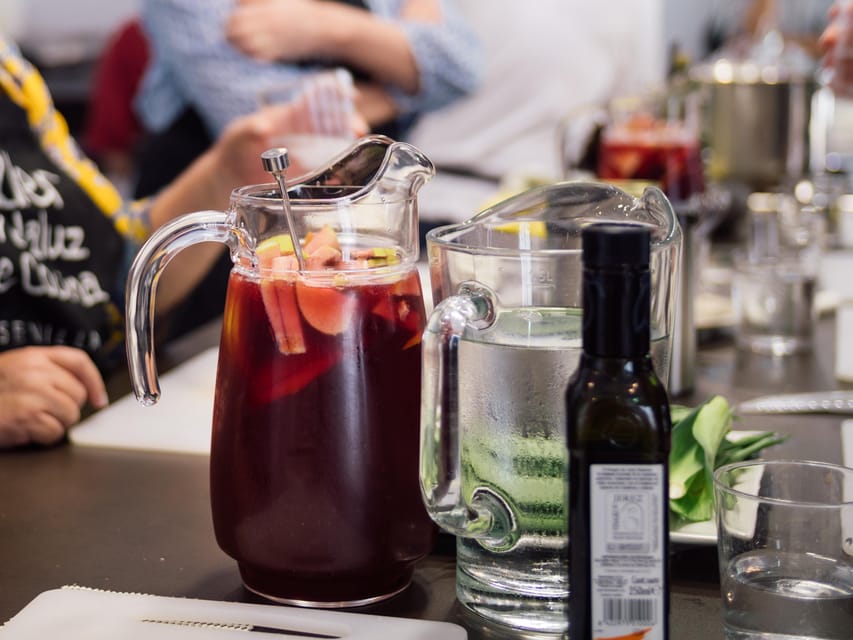
Sangria is made and served during the cooking period. This gives you something to sip while the food comes together, and it helps create the relaxed mood that many people want from a food class.
With the meal, you can have up to two additional drinks per person. The choices include local beer, white wine, red wine, or soft drinks. Nonalcoholic options are available, so you do not need to drink alcohol to take part fully.
Once the dishes are ready, you sit down to eat the food prepared by the group. This is an important part of the value. You are not paying only for instruction, ingredients, and a market walk. You are also receiving a substantial meal that includes several dishes, dessert, sangria, and two meal drinks.
The meal also gives you a chance to compare the finished dishes and ask final questions. Cooking with a group can be a good way to meet people during a Seville stay, especially if you are traveling alone or want an activity with more conversation than a standard walking tour.
The social tone is helped by the chefs. Many sessions are described as funny and friendly, with instructors making beginners feel comfortable. That does not mean the class is a nonstop comedy act. The humor supports the lesson and keeps the work from feeling formal.
Price and value at $88 per person
At $88, this is not the cheapest way to eat in Seville. You can buy a filling local meal for much less, and a simple market visit costs nothing. The value comes from combining several services in one half-day activity.
Your price covers the market introduction, English-language instruction, all ingredients, apron use, the cooking lesson, the meal, sangria during cooking, and up to two further drinks. You also take home cooking techniques and, in some cases, recipes sent by email.
I consider the price fair if you want an activity rather than just lunch. The class gives you a guided look at Triana Market, several hours of instruction, and enough food to serve as a main meal. It becomes less attractive if you dislike group cooking or mainly want a quiet restaurant experience.
The practical value is strongest for people who enjoy bringing a trip home with them. Learning how to prepare salmorejo, spinach with chickpeas, or paella can outlast a single meal. One of the best souvenirs here is a technique you can use in your own kitchen.
Who should book this Seville cooking class?
I would recommend it to couples, friends, parent-and-child groups, and solo visitors who like food and conversation. It also works well for people who want a break from churches, museums, and monuments without giving up cultural context.
Beginners are welcome. You do not need advanced cooking skills, and the instructors explain the process step by step. The class can also work for experienced home cooks who want ideas about Spanish ingredients and methods, though the pace may feel basic if you already make these dishes often.
Vegetarians can take part. When someone in the group is vegetarian, the school prepares a separate vegetable paella. Other menu changes may also be possible, but you must inform the operator about allergies, intolerances, or dietary restrictions before attending.
I would think twice if you have limited time in Seville and want to cover many sights in one day. Three and a half hours is a real block of time, and the market visit is offered only in the morning. I would also skip it if you dislike handling raw ingredients, shared kitchen tasks, or eating a meal at the end of an organized activity.
Practical details for planning your morning
The meeting point is Triana Market at Plaza del Altozano, stalls 75 to 77, Seville 41010. Look for the cooking school inside the market rather than waiting at a separate city-center landmark.
The activity lasts 3.5 hours, and the live instruction is in English. Starting times vary, so check the available time when you book. Because the market tour is morning-only, pay close attention to the schedule if you are choosing between a morning and later cooking option.
Wear clothes you are comfortable cooking in. An apron is provided, but you will still be working around food and kitchen equipment for several hours. Also arrive ready to eat a full meal, since the class ends with the dishes prepared during the lesson.
Cancellation is flexible up to 24 hours before the activity for a full refund, and you can reserve now and pay later. Those terms are useful if your Seville plans are still shifting, but they do not remove the need to report dietary needs ahead of time.
Final verdict: a strong choice for food-focused visitors
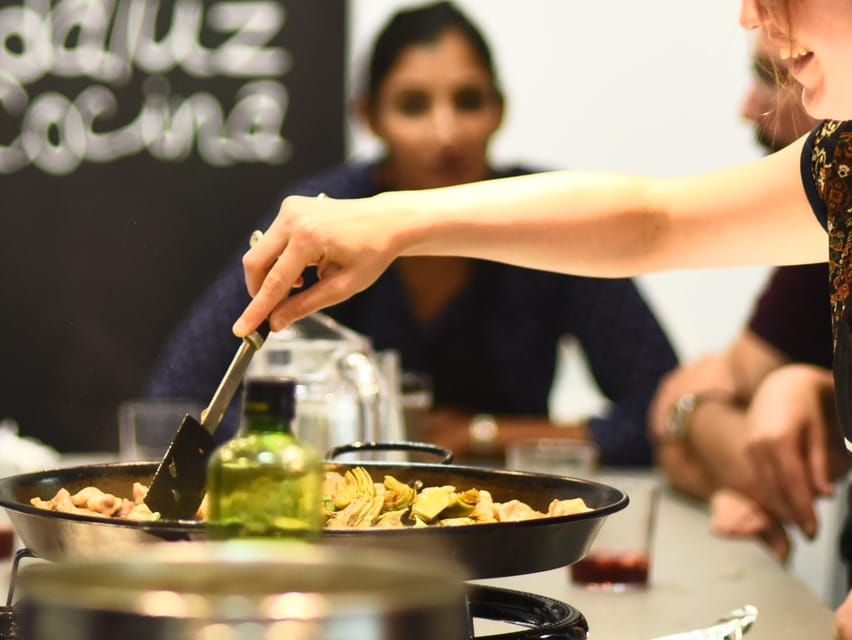
I would book this class if I wanted to understand Seville through its ingredients, not just its sights. The market visit gives the lesson a local setting, the cooking is genuinely hands-on, and the included meal and drinks make the $88 easier to justify.
The best reasons to choose it are the Triana location, the chance to prepare paella yourself, and the instructors’ friendly teaching style. The main limits are the fixed 3.5-hour commitment, the morning-only market visit, and the fact that the menu can change.
Book it early in your Seville stay if possible. You may leave with recipes, new kitchen skills, and a better idea of which foods to seek out for the rest of your visit. If you prefer a short tasting or a private lesson, choose something else. If you want a social, practical introduction to Andalusian cooking, this is a very good use of a half-day.
FAQ
Where does the cooking class meet?
It meets at Triana Market, Plaza del Altozano, stalls 75 to 77, in Seville.
How long does the experience last?
The full activity lasts 3.5 hours.
Is the class taught in English?
Yes. The live tour guide and cooking instruction are in English.
What dishes are usually prepared?
The usual menu includes salmorejo, spinach with chickpeas, chicken and seasonal vegetable paella, and a light dessert such as lemon sorbet with cava.
Can the menu change?
Yes. Salmorejo may sometimes be replaced with gazpacho. Spinach with chickpeas may sometimes be replaced with flamenco eggs, cod fritters, or garlic prawns.
Is there a vegetarian option?
Yes. A separate vegetable paella is prepared if someone in the group is vegetarian.
Are drinks included?
Yes. Sangria is served during the cooking period, and up to two additional drinks per person are included with the meal. Options include beer, white wine, red wine, and soft drinks.
When is the market tour available?
The market tour is available only in the morning. Check the available starting time when booking.
More Market Tours in Seville
- Barcelona Paella Cooking Class with Market Visit, Tapas & Sangria
★ 5.0 · 2,531 reviews - Paella Cooking Class, Wine Tasting & Central Market in Valencia
★ 5.0 · 1,150 reviews - Valencian paella cooking class, tapas and visit to Ruzafa market.
★ 5.0 · 828 reviews - Valencia: Paella Cooking Class with Central Market Tour
★ 5.0 · 721 reviews
Recently added around Seville
- Seville: Alcázar Fast-Track Access with Guided Tour★ 4.2 · 432 reviews
- Seville: Small Group Jewish Quarter Tour with Tapas & Drinks★ 5.0 · 119 reviews
- Seville: Sunset Roof Top Walking Tour★ 4.5 · 122 reviews
- Seville: Small-Group Jewish Quarter Discovery Walking Tour★ 4.9 · 499 reviews
- Seville: VIP Exclusive Early Access Tour of The Alcazar★ 4.8 · 276 reviews
- Seville: Authentic and Romantic Horse-Drawn Carriage Ride★ 4.5 · 341 reviews
- Seville: Flamenco Show at Tablao Almoraima in Triana★ 4.6 · 483 reviews
- Seville: Sunset and Evening Paddle Boarding Tour★ 4.8 · 355 reviews
Cooking Classes, compared.
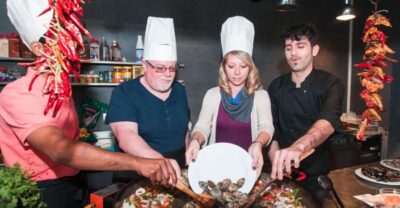
Paella Cooking Experience & Boqueria Market Tour
Read our review →
Barcelona Interactive Spanish Cooking Experience
Read our review →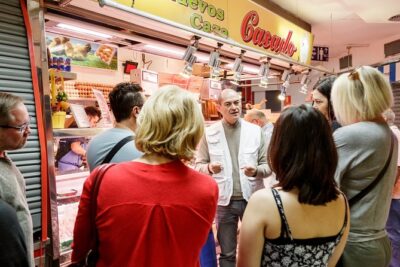
Spanish Cooking Class Paella Tapas and Sangria in Madrid
Read our review →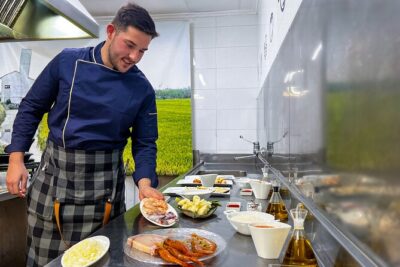
Paella Cooking Class, Wine Tasting & Central Market in Valencia
Read our review →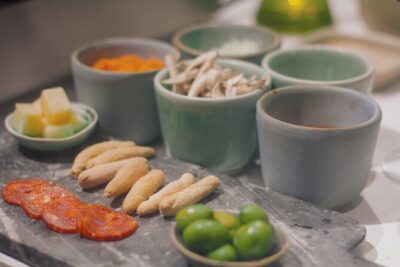
Paella Cooking Class in Madrid with Bottomless Wine Pairing
Read our review →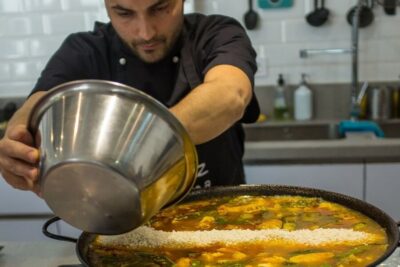
Valencian paella cooking class, tapas and visit to Ruzafa market.
Read our review →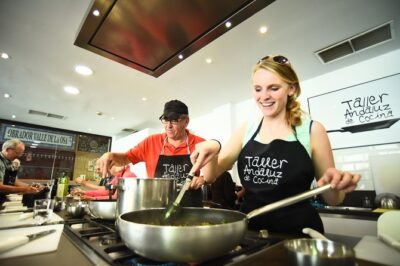
Spanish Cooking Class & Triana Market Tour in Sevilla
Read our review →Browse the lists this tour appears in