
Reviewed · CHURCHES & MONASTERIES
Escorial Monastery and the Valley of the Fallen from Madrid
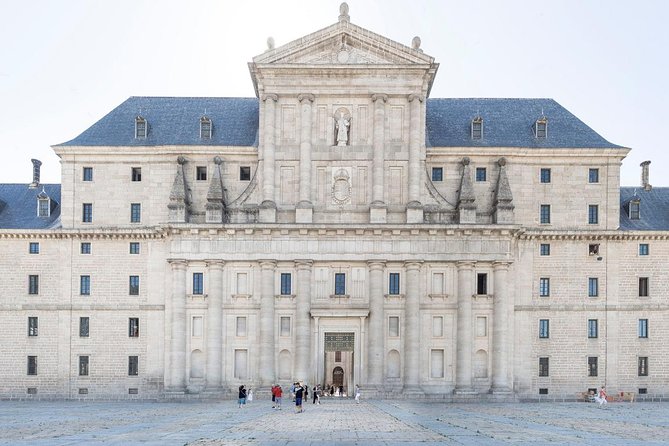
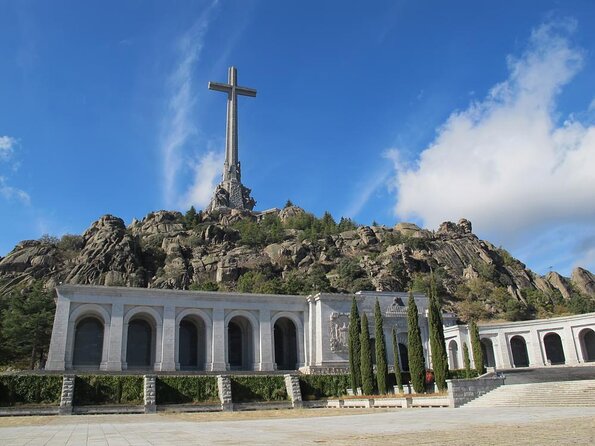
El Escorial is the star here: part palace, part monastery, part royal tomb, and part bold 16th-century statement. You’ll see the Habsburg palace, Charles V’s marble tomb, the basilica, library frescoes, and the old Architects Room in one grand complex. If your departure includes it, the Valley of the Fallen adds a stark, emotional counterpoint, with an underground basilica and a giant granite cross visible from miles away.
I like the comfortable coach ride from central Madrid and the chance to cover two difficult-to-reach sights in one morning. I also like the radio-guide system and the way guides such as Jorge, Susana, and María have helped visitors make sense of a very large monument. The main drawback is that the tour can feel rushed, and the regular service is bilingual, with explanations in Spanish and English rather than English only.
Key points to know before booking
- El Escorial takes about two and a half hours: Expect a guided walk through the monastery, palace, basilica, royal tombs, library, and selected rooms.
- The Valley of the Fallen is not guaranteed every day: Check the exact option and operating date carefully, especially for Tuesday and Thursday departures.
- The tour is bilingual: The regular service combines Spanish and English, even when the booking page lets you select English.
- You will walk and climb stairs: Accessibility is limited, and the monument has many stairs.
- The Valley visit is short: The advertised stop is about one hour, but the basilica portion can be much quicker if services or timing interfere.
- The $79.30 price buys convenience: Transport, admissions, and a guide are included, but lunch and private hotel transfers are not part of the standard tour.
Why El Escorial is worth the trip from Madrid
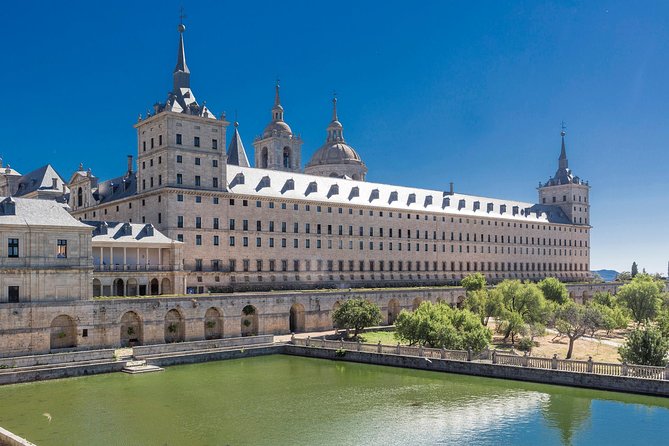
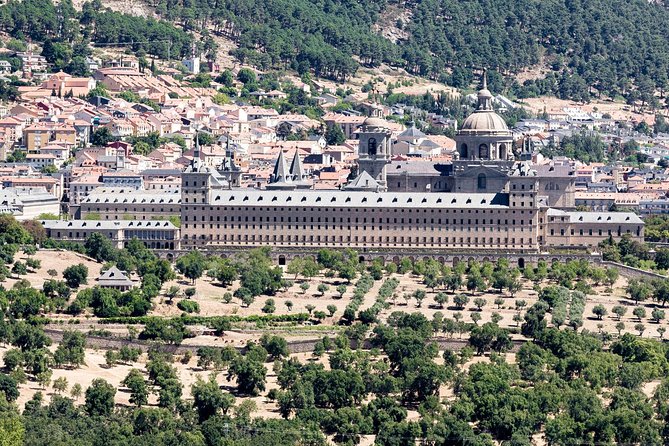
Madrid has plenty of royal buildings, but El Escorial gives you a fuller picture of how Spain’s monarchy, Catholic faith, and military power came together in the 16th century. The Royal Seat of San Lorenzo de El Escorial sits about 45 kilometers northwest of Madrid, far enough away to make public transport and independent planning less simple than a city museum visit.
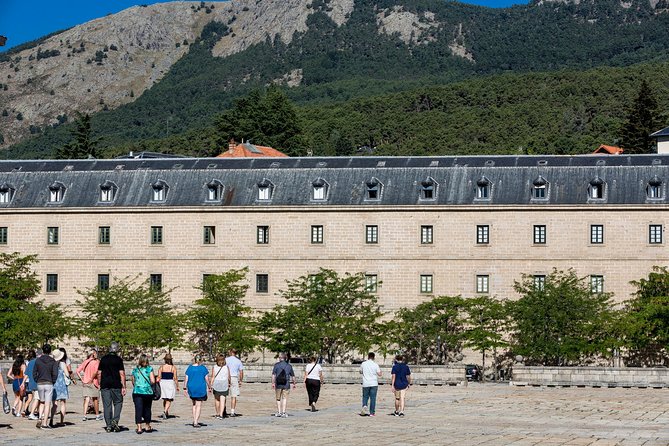
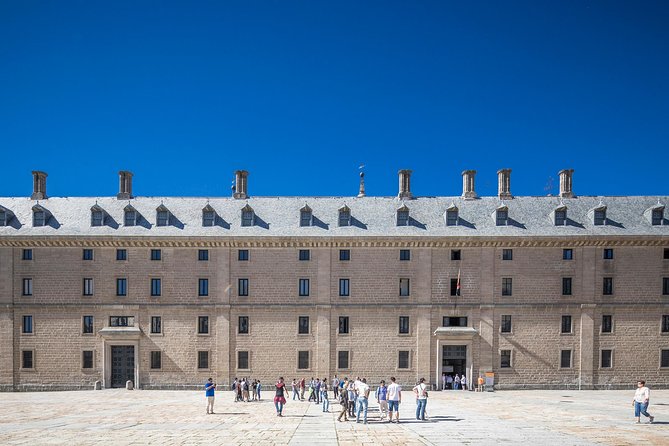
The complex was built during the reign of Philip II and became a symbol of Habsburg power. You do not need to be an architecture specialist to appreciate its strict symmetry and scale. The building feels controlled and purposeful, with long corridors, heavy stonework, grand religious spaces, and rooms designed for both royal life and religious duty.
The guided format helps because El Escorial is too large to understand by simply wandering in. A good guide connects the rooms to the people who used them and points out details that are easy to miss, especially in the artwork and ceiling decoration.
Still, this is not a slow, leisurely museum morning. The group stays on a schedule, and you move from one section to the next. If you want time to sit with each painting or study every architectural detail, an independent visit may suit you better.
More churches and monasteries in Madrid:
- Escorial Monastery and the Valley of the Fallen Tour from Madrid
★ 5.0 · 2,494 reviews - From Madrid: Escorial Monastery and the Valley of the Fallen
★ 4.7 · 1,434 reviews - From Madrid: Escorial Monastery & Valley of the Fallen Trip
★ 4.4 · 389 reviews
The coach ride from Plaza Ramales
The standard meeting point is the Julià Travel office at C. de San Nicolás 15, near Plaza Ramales in central Madrid. The departure time is 8:30 a.m., and you should arrive 15 minutes early. The tour ends at Plaza de Oriente, which is useful if you plan to continue sightseeing near the Royal Palace or central Madrid.
The air-conditioned coach is an important part of the value. El Escorial is outside Madrid, and the Valley of the Fallen is another 9 kilometers away in the Sierra de Guadarrama. A coach removes the need to coordinate separate trains, buses, taxis, and admissions.
The ride also gives your guide a chance to provide background, though the amount of commentary can vary. Some guides keep the bus quiet, while others explain more on the road. If you enjoy learning the story before arriving, it is worth listening closely at the start and asking questions when the guide opens the floor.
The group can include up to 30 people per guide. That is manageable, but it is not a private visit. Large groups can make narrow rooms feel crowded, and you may need to stay alert so you do not fall behind when the guide moves ahead.
Inside the monastery: tombs, frescoes, and royal rooms
The main visit lasts about two hours and 30 minutes. That sounds generous, but El Escorial contains enough material for a full day, so the route focuses on the major rooms.
The Pantheon of Kings is one of the most memorable stops. Charles V and other Spanish monarchs are buried here in an ornate setting of dark marble and formal decoration. It is a quiet, ceremonial space, and the tombs make the political story of the building feel personal.
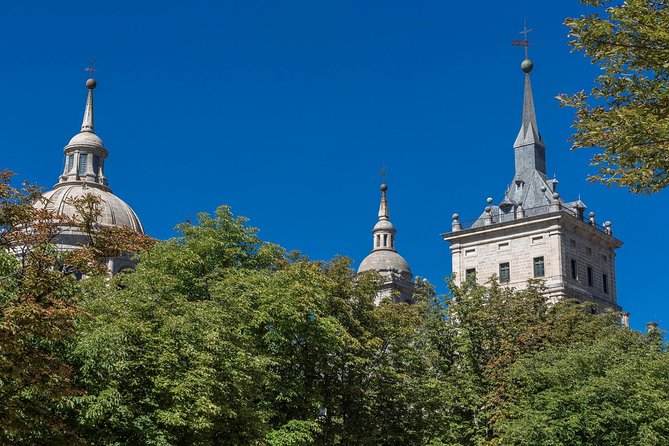
The basilica brings another change of mood. Its Baroque dome and religious relics show how much importance the Spanish monarchy placed on Catholic devotion. You will also see the Habsburg Palace and the Chapter House, where the guide can explain how royal residence and monastery life operated within the same enormous complex.
The library is a highlight for many people. Its frescoes give the room a more colorful and intellectual character than the severe stone corridors outside. Look up often. The ceiling decoration is easy to miss if you focus only on the guide or the floor route.
The Architects Room offers a different kind of interest. Instead of royal ceremony or religious art, it displays building equipment and gives you a glimpse of the practical work behind this massive 16th-century project. The Weapons Room adds another layer, linking the royal household to Spain’s military power.
You will not have unlimited time in each space. Visitors who enjoyed guides such as Jorge often appreciated the historical explanations and the answers to questions. Other people found the tour too fast, especially when several groups competed for room in the same area.
My advice is simple: decide what matters most before you arrive. If the royal tombs are your priority, stay focused there. If you care more about paintings and frescoes, keep looking upward and do not let the group’s pace stop you from noticing the ceilings.
The Valley of the Fallen and its difficult past
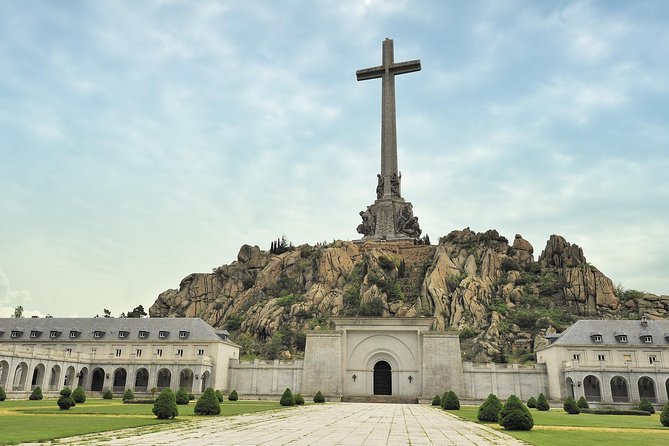
When the selected departure includes the Valley of the Fallen, the coach continues a short distance through the Sierra de Guadarrama. The monument is impossible to miss for long. A colossal granite cross rises above the site and can be seen from miles away.
The memorial was created for those who died in the Spanish Civil War, but its history is politically and emotionally difficult. The setting is impressive, yet the monument is not simply a scenic stop. Your guide explains its origins outside the basilica, giving you context before you enter.
The basilica is carved into the mountain, creating a striking underground church with vaulted spaces and sculpted angels. The scale is unusual: rather than building a church beside the mountain, the designers cut into the rock itself. Arches at the site also offer broad views of the surrounding countryside.
There is an important limitation. Under the rules governing the Valley of the Fallen, the guide cannot provide explanations inside the basilica. The information is given outside, and you explore the interior on your own. If you depend on constant commentary, this may feel less satisfying than the El Escorial portion.
The stop is scheduled for about one hour, but you may get less time inside. Religious services, late departures, or delays can shorten the visit. Several people found the Valley rushed, with only about 25 to 30 minutes in the basilica. That is enough to see the space, but not enough for a relaxed visit and extended photography.
The Valley is also not included on every operating day. The day-specific schedule is especially important because some departures, including Tuesday and Thursday services according to the tour information, may visit El Escorial without continuing to the Valley. The booking title can make the two sites sound automatic, so read the selected option and final confirmation closely before paying. If the Valley is essential to your plan, do not assume it is included.
A few more Madrid half-days worth comparing
- Madrid: Tour Bernabéu Entry Ticket
★ 4.5 · 21,573 reviews - Madrid: Prado Museum Entry Ticket
★ 4.6 · 17,509 reviews - Madrid: Royal Palace Fast-Access Admission Ticket
★ 4.6 · 13,856 reviews - Madrid: “Emociones” Live Flamenco Performance
★ 4.8 · 12,866 reviews
Language, guides, and the radio system
This is a bilingual tour in Spanish and English. That point deserves more attention than it usually gets. The regular service is not an English-only departure, even if you select English during booking.
The quality of the experience can depend heavily on the individual guide and on how comfortable you are following spoken English with a Spanish accent. Guides named Jorge, Susana, and María received especially warm comments for clear explanations, patience, and strong command of the sites. Other departures have been harder to follow, with English explanations shorter than the Spanish ones.
The radio-guide system helps you hear while walking, but it cannot fix unclear pronunciation or a guide who moves too quickly. If your English listening skills are limited, or if detailed historical explanation is the main reason you book, an English-only tour would be safer.
Ask questions when you can. A guide may be willing to repeat a point or explain a room in different words. Also stay close to the group. Some visitors found that a fast-moving guide left people stretched along the route and occasionally outside radio range.
Walking, stairs, and the pace of the morning
This is a walking tour once you arrive. El Escorial has a large number of stairs, and full accessibility cannot be guaranteed because of the building’s historic design. The tour is not recommended for people with walking difficulties or reduced mobility.
You should wear comfortable shoes and appropriate clothing. The monastery can feel cool, and weather at the Valley may differ from Madrid. One departure encountered cold, foggy conditions, which limited some views. Fog is not the operator’s fault, but it can reduce the visual reward at the Valley.
The pace can also challenge older visitors or anyone who needs frequent breaks. The guide must keep the whole group on schedule, especially when the coach has a fixed return time. You will have little or no free time for a relaxed coffee, shopping, or an unhurried look at the rooms.
For a fit visitor who wants a strong overview, the pace is reasonable. For someone who wants to sketch, take many photographs, or read every plaque, it will feel compressed.
What the $79.30 price really covers
At $79.30 per person, the tour is priced as a convenience package rather than a cheap transport solution. The cost includes the return coach, a local guide, the radio system, admission to El Escorial, and admission to the Valley and basilica when that option operates.
That can be good value if you want both sites in one morning and do not want to plan the connections yourself. The coach also returns you to central Madrid, leaving the rest of the day free.
Lunch is not included, so eat before departure or bring something suitable if permitted. Hotel pickup and drop-off are included only with the private tour option, not the standard departure. Group discounts may be available, but the supplied price is the regular per-person figure.
The value drops sharply if you book expecting the Valley and receive only El Escorial. It also drops if bilingual commentary is a problem for you. Confirm the exact date, language setup, and included stops before committing, particularly because some departures appear to use a shorter itinerary.
Who should book this half-day tour
I would recommend it to you if you have limited time in Madrid, want an organized trip outside the city, and prefer seeing major rooms with a guide rather than working out the site alone. It suits visitors who value transport and structure more than free time.
It is also a good fit if you are interested in Spanish monarchy, Catholic art, royal burial customs, and the political history surrounding the Civil War. The contrast between the formal grandeur of El Escorial and the stark mountain memorial at the Valley makes the two-stop route worthwhile when both are operating.
I would hesitate if you need an English-only guide, have difficulty with stairs, or want a relaxed pace. I would also avoid booking without checking the date if the Valley is the main reason you are going.
FAQ
Where does the tour begin?
The standard tour begins at the Julià Travel office at C. de San Nicolás 15, near Plaza Ramales in central Madrid. The stated departure time is 8:30 a.m., and you should arrive 15 minutes early.
Where does the tour end?
The standard tour ends at Plaza de Oriente in central Madrid.
Is the tour offered in English?
The regular tour operates bilingually in Spanish and English. It is not presented as an English-only departure, so expect both languages during the guided visit.
Is the Valley of the Fallen included on every departure?
No. The Valley operates as a selected option and may not be visited on certain days, including Tuesday and Thursday according to the tour information. Check the exact date and final booking details if this stop is important to you.
How much walking is involved?
You walk through the monuments after arriving, and El Escorial has many stairs. Full accessibility is not guaranteed, and the tour is not recommended for people with walking difficulties or reduced mobility.
Can I cancel for a full refund?
You can cancel at least 24 hours before the experience begins for a full refund. Cancellations or changes made less than 24 hours before departure are not accepted for a refund.
Should you book it?
Book this tour if you want a practical, well-filled morning outside Madrid and you are happy with a bilingual group format. El Escorial alone is a major sight, and the Valley of the Fallen adds a powerful second stop when the schedule allows.
Before paying, check three things: that the Valley is included on your chosen date, that Spanish and English commentary suits you, and that you can manage the stairs and brisk pace. With those expectations in place, the $79.30 price is fair for the transport, admissions, and broad introduction to two unusual Spanish monuments.
Recently added around Madrid
- Tour Madrid: Secrets in a Electric Tuk Tuk★ 4.6 · 155 reviews
- Madrid: Tasty Tapas Tour & Visit to a Terrace with Views★ 4.5 · 118 reviews
- Madrid: Flamenco Show&Drink at Tablao 1911 (World’s Oldest)★ 4.7 · 253 reviews
- Small Group Prado Museum Guided Tour with Skip the Line★ 4.2 · 106 reviews
- Madrid: Street Art Tour with Local Graffiti Hunter★ 4.8 · 270 reviews
- Madrid: Afternoon Prado Museum Tour with Skip-the-Line Entry★ 4.4 · 491 reviews
- Madrid: Royal Palace Guided Tour with Skip-the-Line Entry★ 4.5 · 780 reviews
- Secret Food Tours Madrid★ 4.9 · 134 reviews
Churches & Monasteries, compared.
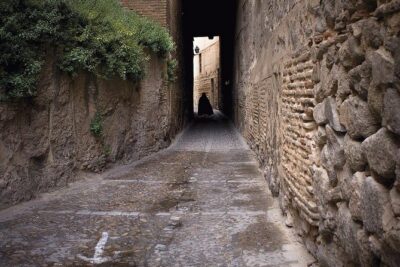
Toledo Tour from Madrid: Cathedral, Synagogue & St. Tome’s Church
Read our review →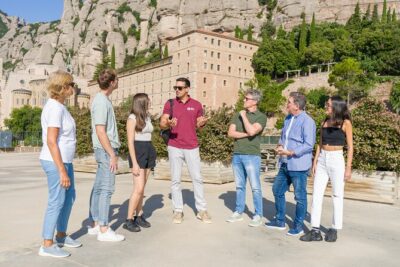
Montserrat Monastery Half Day Experience from Barcelona
Read our review →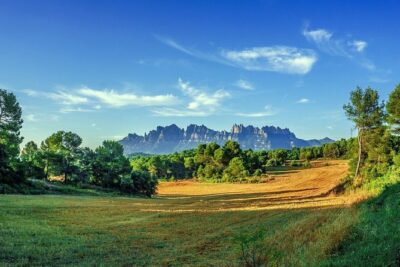
Montserrat Monastery Small Group or Private Tour Hotel pick-up
Read our review →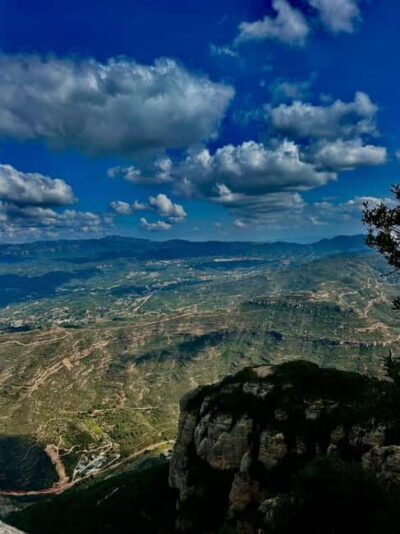
Montserrat Tour with Transport & Basilica Option
Read our review →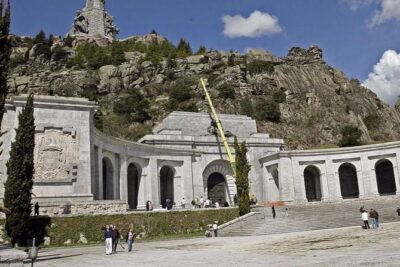
Escorial Monastery and the Valley of the Fallen Tour from Madrid
Read our review →
Montserrat Small Group: Monastery, Black Madonna & Natural Park
Read our review →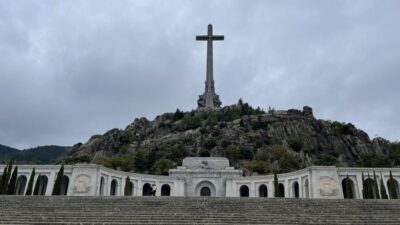
Escorial Monastery and the Valley of the Fallen
Read our review →Browse the lists this tour appears in