
Reviewed · PRADO MUSEUM TICKETS
Madrid: Prado Museum 3-Hour Private Tour
The Prado makes far more sense when someone helps you connect its paintings to Spain’s kings, wars, religion, and changing artistic tastes. This private three-hour visit moves from the Monument to Goya into masterpieces by Goya, Ribera, and other Spanish and international painters, with the guide adapting the route to your interests.
I like the personal format, especially for a museum this large. I also like that guides such as Marta and Enrique bring art technique and Spanish history together instead of simply naming paintings. The main drawback is the price: at $351 per group up to one person, this is a serious splurge unless you care deeply about art or are sharing the cost within the allowed booking arrangement.
Key points to know
- Goya is a major focus: See his better-known works and learn how his career reflected Spain’s political and social upheavals.
- The route can be tailored: Ask to concentrate on Spanish painters, royal collections, artistic technique, or specific periods.
- The guide adds historical context: You will connect paintings with the Habsburg and Bourbon dynasties, religious life, and changing ideas about art.
- Three hours is enough for a strong introduction: You can see major works without trying to cover every room in the Prado.
- El Casacón adds something different: The visit may include 19th-century paintings in this alternative museum area.
- Practical access is solid: Entrance fees and skip-the-ticket-line access are included, and the tour is wheelchair accessible.
Why a private Prado visit helps
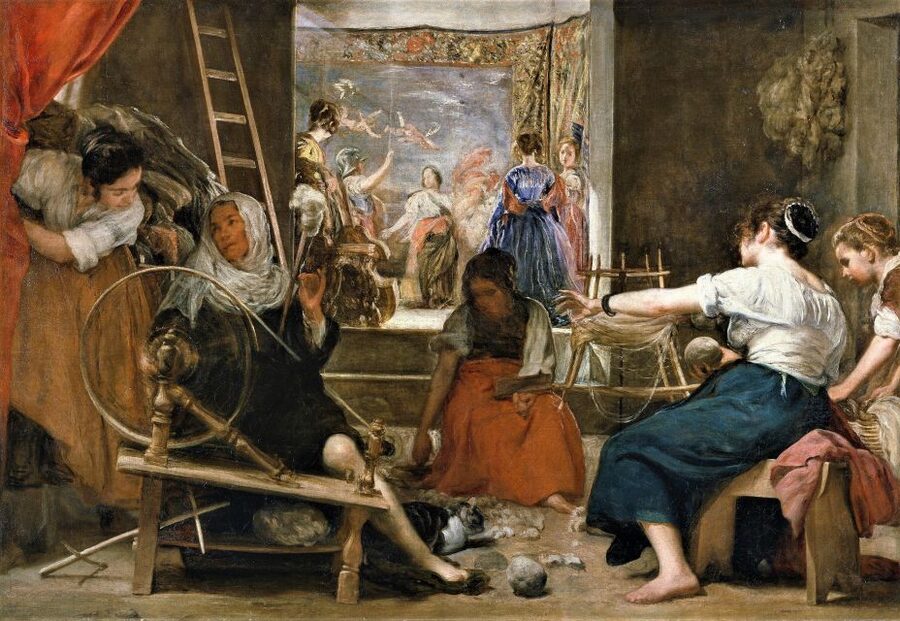
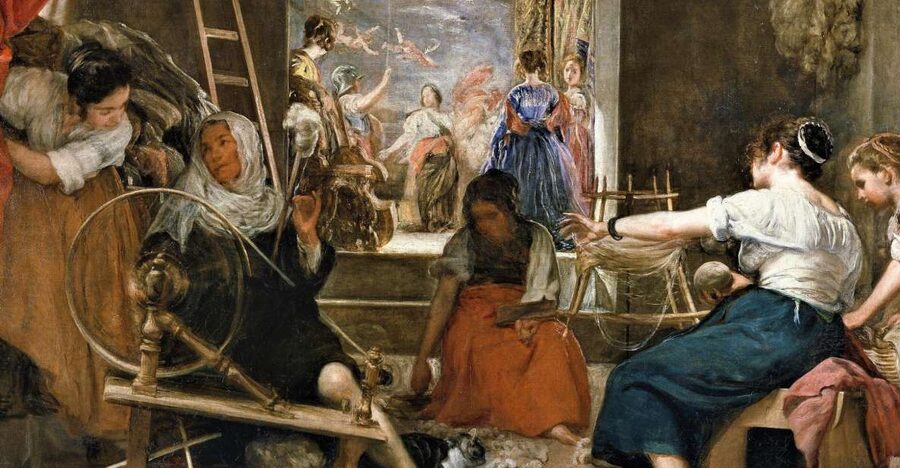
The Prado is not a small gallery where you can casually wander from one famous canvas to the next. Its collection covers centuries of European art, with major works spread through a large building. Without a plan, you can spend your time searching for famous names and still miss the ideas that make the paintings matter.
A private art historian gives you a route and a way to look. Instead of hearing only the title and artist, you can ask why the painter used a certain pose, color, symbol, or technique. The best part of the experience is the conversation. Past bookings with Marta, Enrique, Ana, and Ángel have been especially praised for their energy, clear explanations, and ability to connect art with Madrid’s political story.
That personal format matters if you are new to painting. You can say when a subject feels confusing, ask for a simpler explanation, or request more detail about an artist you already like. You are not tied to a fixed public-group script.
It also works well for families. Marta has guided a family with a 10-year-old by mixing stories and fun facts into the art discussion. Three hours in a museum can be a long stretch for a child, but a guide who changes pace and explains what to look for can make the visit much more manageable.
More Museum Tours in Madrid
- Madrid: Prado Museum Entry Ticket
★ 4.6 · 17,509 reviews - Madrid: Reina Sofía Museum Entrance Ticket
★ 4.5 · 6,889 reviews - Madrid: Small Group of Prado Museum Tour & Optional Tapas
★ 4.6 · 2,437 reviews
Starting at the Monument to Goya
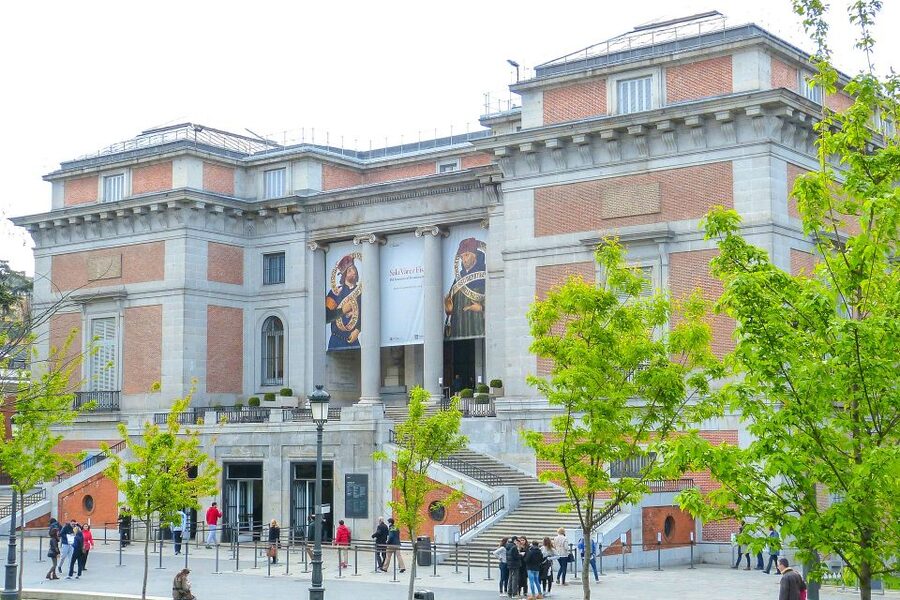
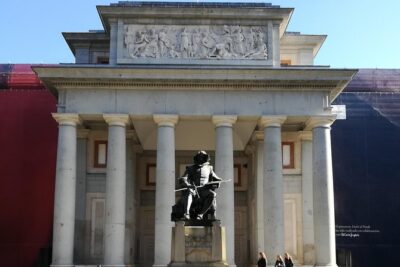
The listed meeting point is the Monument to Goya, a useful starting place because it puts the museum’s most famous Spanish artist at the center of the visit from the first minute. Your guide can introduce Goya before you enter, setting up the ideas you will see in his work inside.
The meeting point also gives you a clear landmark in an area filled with city traffic and museum visitors. Bring your passport or identification card, as it is required for entry arrangements.
Some bookings have included a guide meeting clients at their hotel and walking with them to the Prado while discussing Madrid’s history. That is a pleasant extra when arranged, but you should confirm the meeting details rather than assume hotel pickup is part of every reservation.
The walk can also make the museum feel less isolated from the city. Madrid’s art collections are tied to its royal institutions, grand avenues, and public life. A guide who talks about those links before the museum doors gives you a better sense of why the Prado was created and how its collection grew.
Three hours inside the Museo del Prado
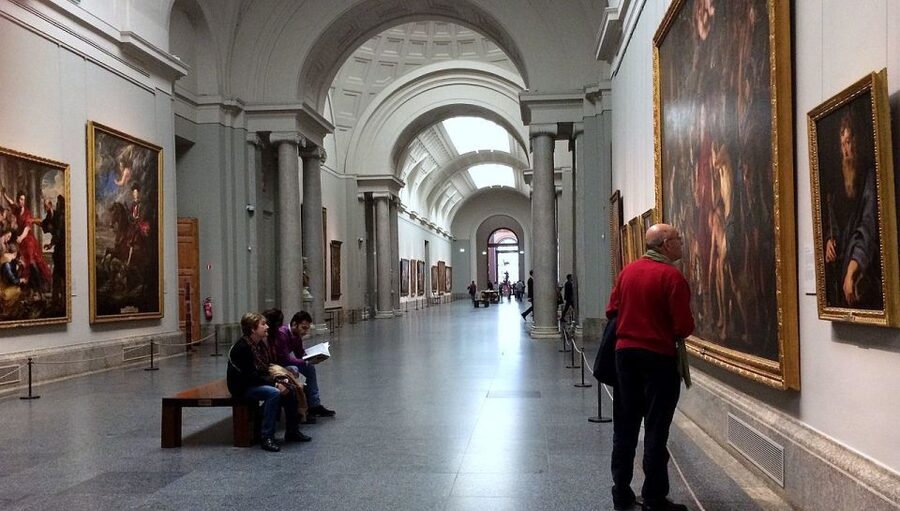
The main tour lasts three hours, which is a sensible length for a first visit. You have enough time to see major works and discuss them properly, but you will not cover the entire museum. That is an important distinction. The Prado is too large for a serious look at every room in one afternoon.
I would treat this as an introduction, not a complete survey. Your guide will select works that explain the collection and the development of Spanish art. You may move between major Spanish painters and a few international artists whose work helps place Spain in a wider European setting.
The pace appears to be one of the strongest features of this format. Guides have been praised for not rushing from one painting to another and for allowing genuine questions. One booking even ran about 45 minutes beyond the planned three hours because the discussion continued. You should not count on extra time, but the experience is clearly designed to feel like a conversation rather than a timed march.
Ask your guide early if you have a priority. You might want to focus on Goya, Spanish royal collecting, religious painting, artistic technique, or the relationship between history and painting. The tour can be adjusted to suit those interests.
For a first-time museum visit, I would ask the guide to begin with a short map of the Prado’s periods and major names. That gives you a structure. Then the individual paintings feel like part of a story instead of isolated masterpieces.
Goya, Ribera, and the human side of Spanish art
Goya is central to the experience, and for good reason. His work can take you from court portraiture and royal power to war, fear, social criticism, and the disturbing subjects associated with his Black Paintings. The guide can help you see how the mood and subject matter changed across his career.
The Black Paintings are not simply dark pictures for the sake of drama. Their haunting themes invite questions about Goya’s view of Spain, human behavior, and the violence of his age. A guide can provide the historical frame without reducing every painting to a single explanation.
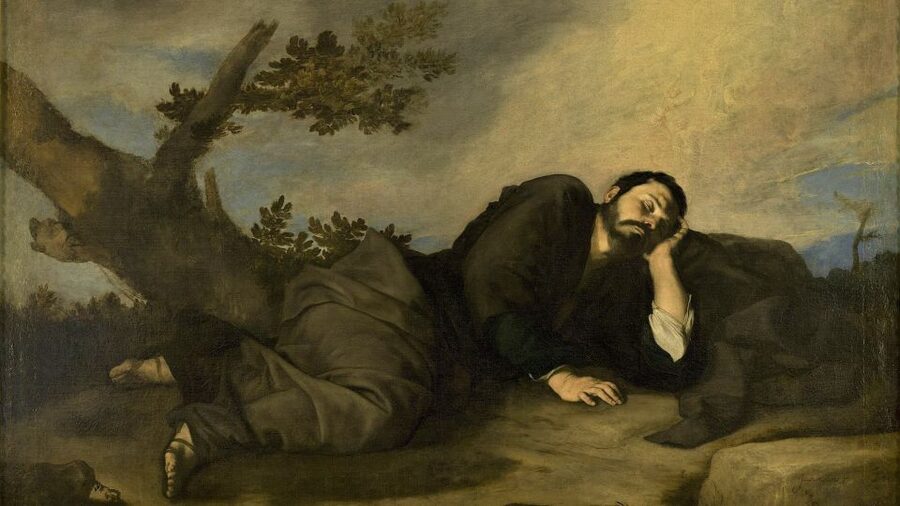
Ribera offers a different way into Spanish art. His anatomical drawings and interest in the human body give you a chance to look closely at structure, texture, and physical detail. This is a good place to ask how an artist studied the body and turned observation into a finished image.
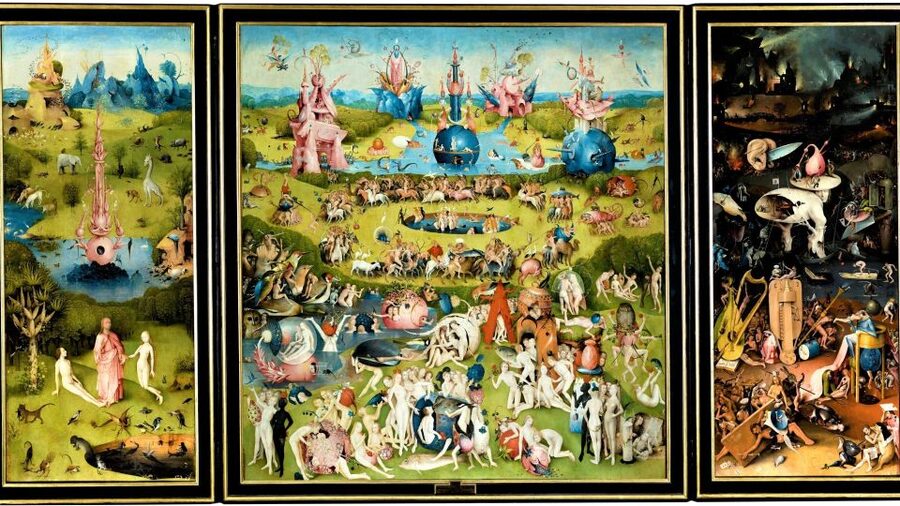
You will also encounter the role of religion and monarchy. The Prado’s collection includes many paintings tied to Catholic worship, royal authority, and the public image of rulers. One practical point is worth knowing before you book: the permanent collection is centered on older art, religion, monarchy, and related periods. It is not Madrid’s main museum for modern or contemporary painting. For that, you would need the Reina Sofía.
That focus is not a flaw, but it can surprise anyone expecting a broad survey of all Spanish art. If your main interest is Picasso, modernism, or contemporary work, this is not the right museum visit. If you want to understand Velázquez, Goya, Ribera, El Greco, royal patronage, and Spain’s older artistic traditions, the Prado is a strong choice.
More Private Tours in Madrid
- Madrid Welcome Tour with Local Guide in Eco Tuk Tuk Private
★ 5.0 · 2,936 reviews - Madrid: Private City Tour by Eco Tuk Tuk
★ 4.9 · 2,876 reviews - Madrid Historical Tour with Local Guide in Eco Tuk Tuk Private
★ 5.0 · 876 reviews - Madrid Private Segway tour. Retiro Park – Centro Historico
★ 4.9 · 636 reviews
History behind the paintings
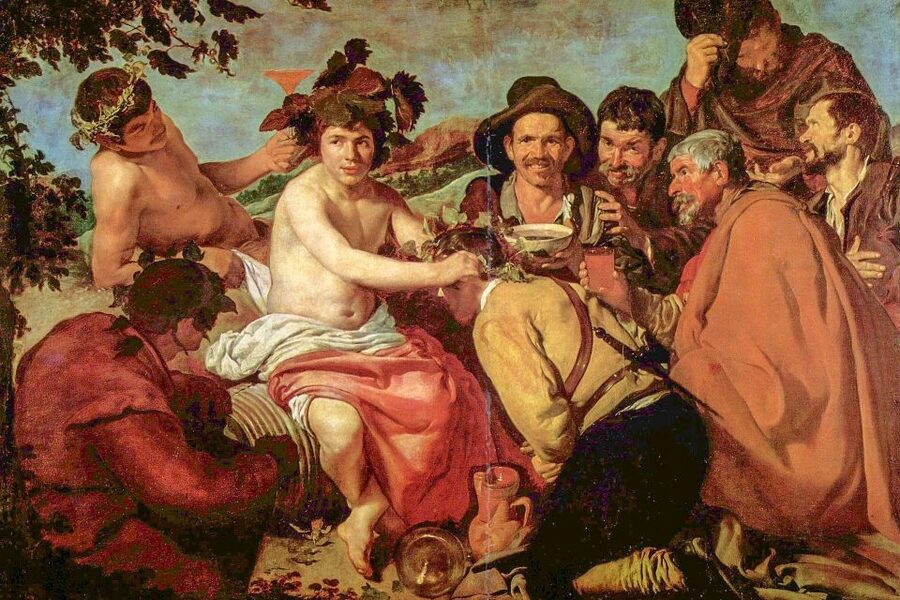
A good guide makes the Prado feel like a record of Spanish life, not just a collection of beautiful surfaces. The painters worked under rulers, churches, patrons, and social pressures. Those forces affected what they could paint, how they presented people, and what audiences were expected to believe.
Marta has been especially effective at linking the Habsburg and Bourbon dynasties with the artists they supported. That connection helps explain why certain subjects appear again and again: royal portraits, religious scenes, battles, saints, court ceremonies, and images of power.
The guide may also explain how changes in science and mathematics influenced painting. Perspective and anatomical study gave artists new tools for making bodies and spaces look convincing. Later painters challenged those rules, sometimes choosing emotion or personal expression over strict realism. El Greco is a useful example of how an artist could bend conventional approaches in favor of a more personal vision.
This kind of explanation gives you something useful beyond the three-hour visit. You begin to understand how to look at a painting. Ask yourself what the artist wants you to notice first, how the figures are arranged, where the light falls, and what the painting says about the society that produced it.
That method is especially helpful when you encounter a work that does not immediately appeal to you. Instead of walking past it, you have a few questions to guide your attention.
The less familiar El Casacón area
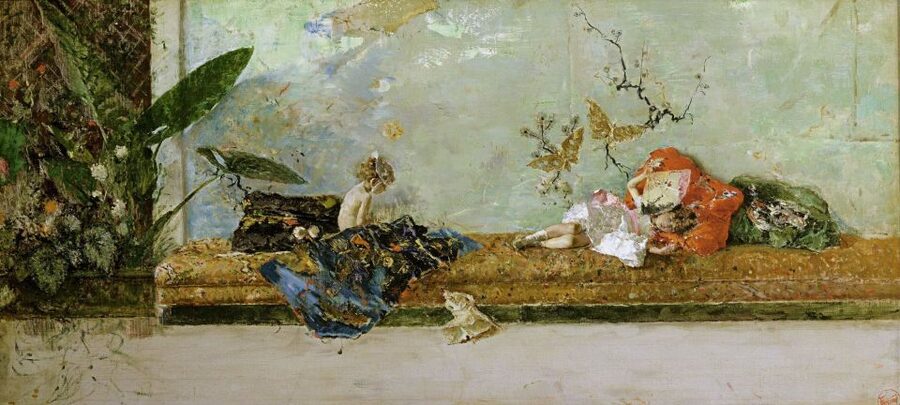
One distinctive feature of the route is the chance to see a less familiar section known as El Casacón, associated with 19th-century paintings and an alternative genre within the museum. This can be a welcome change after the most famous rooms.
The value here is not simply seeing another collection area. It shows that the Prado is more than a checklist of celebrated names. The museum also contains work that helps explain how Spanish painting developed beyond the best-known court and religious scenes.
Ask your guide how this area fits into the wider story of the museum. Since the visit is private, you have room to spend a little more time on a subject that catches your attention. The exact route can vary, so treat El Casacón as an interesting possibility rather than a guaranteed fixed stop in every three-hour visit.
What the guide adds to the experience
The guide is the deciding factor here. This is not a tour where the museum itself does all the work. You are paying for a person who can select the right paintings, explain them clearly, and adjust the conversation to your group.
Enrique has been singled out for his passion for Madrid, Spain, and art history, along with an ability to explain artistic technique in an engaging way. Marta has been praised for preparation, enthusiasm, stories, and a relaxed pace. Ana has been appreciated for making the discussion feel like a two-way exchange rather than a lecture. Ángel is known for mapping out the Prado selectively while avoiding unnecessary crowding.
Guide assignments can change, so you cannot guarantee one particular person unless the booking process allows you to request one. If you have a strong preference, ask before booking. The listed tour languages are Spanish, English, French, and Italian.
For groups larger than five, headphones are provided so everyone can hear the guide. That is useful in crowded galleries and means you do not need to stay pressed close to the guide at every painting.
Price, group size, and overall value
The listed price is $351 per group up to one person. That wording is unusual, so check the final price for your exact party size before paying. The cost includes entrance fees and the local art historian guide, as well as skip-the-ticket-line access.
The value depends on how much you want from the museum. For a solo visitor, the price is high. For a private group that can share the cost according to the booking terms, it may make more sense, especially when you consider that museum admission and a dedicated guide are included.
I would not recommend paying this much simply to be led past the famous paintings. The value comes from the explanations, questions, flexible route, and time spent looking carefully. If you already have a strong background in Spanish art and prefer to browse alone, you may find the price harder to justify.
If the Prado feels intimidating, or if you want to understand why the paintings matter rather than just photograph them, the private format earns its keep. Three hours also helps you avoid spending an entire day in the museum and ending with tired eyes and a jumble of names.
The tour is wheelchair accessible. You can cancel up to 24 hours before the start for a full refund, and you can reserve now while paying later, which gives you some useful flexibility when planning a Madrid itinerary.
Is this Prado tour right for you?
Book it if you want a focused introduction to the Prado, especially if Goya, Ribera, royal Spain, religious painting, or the link between politics and art interests you. It is also a strong choice for families and for anyone who finds large museums difficult to navigate alone.
I would be more cautious if your main goal is modern art, if you prefer silent independent visits, or if the $351 price is outside your comfort zone. The Prado’s older collection is the point, not a limitation to be overlooked.
For most first visits, I like the idea of spending three hours with a guide who can show you the major works and teach you how to look. Request a guide such as Marta or Enrique if possible, state your interests before the tour begins, and ask for enough time at the paintings that matter most to you.
FAQ
How long does the Prado tour last?
The guided visit lasts three hours. Starting times vary, so you need to check availability for the date you want.
Where does the tour begin?
The listed starting point is the Monument to Goya. Some guides have met clients at their hotel before walking to the Prado, but you should confirm that arrangement when booking.
What is included in the price?
Entrance fees and a local art historian guide are included. Skip-the-ticket-line access is also provided.
Is the tour private?
Yes. It is offered as a private group experience.
Which languages are available?
The live guide can conduct the tour in Spanish, English, French, or Italian.
Is the tour wheelchair accessible?
Yes, the activity is listed as wheelchair accessible.
Do children enter the Prado for free?
If you have two adults and two children under 18, the children can enter for free. Book for the two adults and tell the supplier that you are bringing two minors. Each child must show proof of age at the ticket office.
What should I bring?
Bring your passport or identification card. If your group has more than five people, everyone receives headphones so the guide can be heard clearly.
More 3-Hour Experiences in Madrid
- Best of Madrid: 3-Hour Guided Bike Tour in Small Groups
★ 4.8 · 1,417 reviews - Madrid: 3-Hour Sightseeing Tour by Electric Bike
★ 4.6 · 192 reviews - Ibiza Ocean Club Boat Party with 3 Hours Premium Drinks and DJ
★ 4.5 · 1,473 reviews - Barcelona 3-hour Bike or E-Bike Tour: Highlights and Hidden Gems
★ 5.0 · 1,429 reviews
More Prado Tickets
- Madrid: Prado Museum Guided Tour with Skip-the-Line Ticket
★ 4.5 · 2,018 reviews - Madrid: Prado Museum Guided Tour With Fast Access
★ 4.8 · 1,785 reviews - Prado Museum Small Group Tour with Skip the Line Ticket
★ 5.0 · 1,738 reviews - Royal Palace & Prado Museum Skip the Line Guided Tour
★ 4.5 · 1,347 reviews
Recently added around Madrid
- Tour Madrid: Secrets in a Electric Tuk Tuk★ 4.6 · 155 reviews
- Madrid: Tasty Tapas Tour & Visit to a Terrace with Views★ 4.5 · 118 reviews
- Madrid: Flamenco Show&Drink at Tablao 1911 (World’s Oldest)★ 4.7 · 253 reviews
- Small Group Prado Museum Guided Tour with Skip the Line★ 4.2 · 106 reviews
- Madrid: Street Art Tour with Local Graffiti Hunter★ 4.8 · 270 reviews
- Madrid: Afternoon Prado Museum Tour with Skip-the-Line Entry★ 4.4 · 491 reviews
- Madrid: Royal Palace Guided Tour with Skip-the-Line Entry★ 4.5 · 780 reviews
- Secret Food Tours Madrid★ 4.9 · 134 reviews
Prado Museum Tickets, compared.

Small Group of Prado Museum Tour & Optional Tapas
Read our review →
Prado Museum Guided Tour with Skip-the-Line Ticket
Read our review →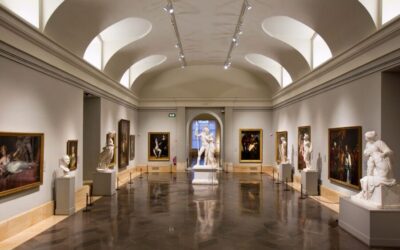
Prado Museum Small Group Tour with Skip the Line Ticket
Read our review →
Royal Palace & Prado Museum Skip the Line Guided Tour
Read our review →

Prado Museum Guided Tour with Skip-the-Line Ticket
Read our review →Browse the lists this tour appears in