
Reviewed · MADRID TOURS
Madrid: Museo de la Luz Entry Ticket
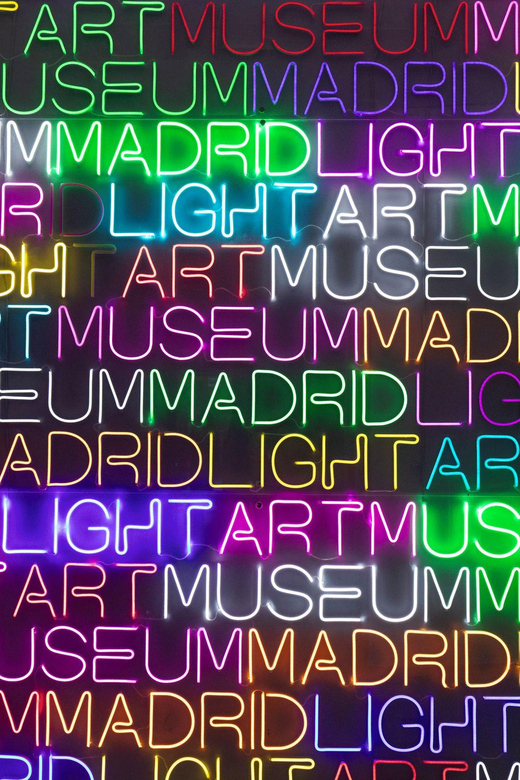
Madrid’s Museo de la Luz turns a simple idea into a playful visit: light becomes the artwork. You move through projections, laser effects, colored spaces, mirror rooms, and hands-on displays rather than looking at paintings behind glass. I like the chance to experiment with the exhibits, and I especially like that staff help with photos and poses.
The main catch is size. Twenty minutes may be enough for a quick look, though many people spend closer to an hour taking pictures and repeating favorite rooms. At $17, the value depends on what you want: this is a short, playful photo experience, not a large traditional museum.
- Laser and mirror rooms create some of the most memorable visual effects.
- Interactive light games let you take part instead of simply looking.
- Helpful staff may explain the spaces and assist with photographs.
- Family-friendly displays work well for children, adults, and solo visitors.
- A small footprint makes this easy to fit into a busy Madrid day.
- Timed entry matters, since admission is not guaranteed more than 20 minutes after your scheduled time.
What the Museo de la Luz Is Really Like
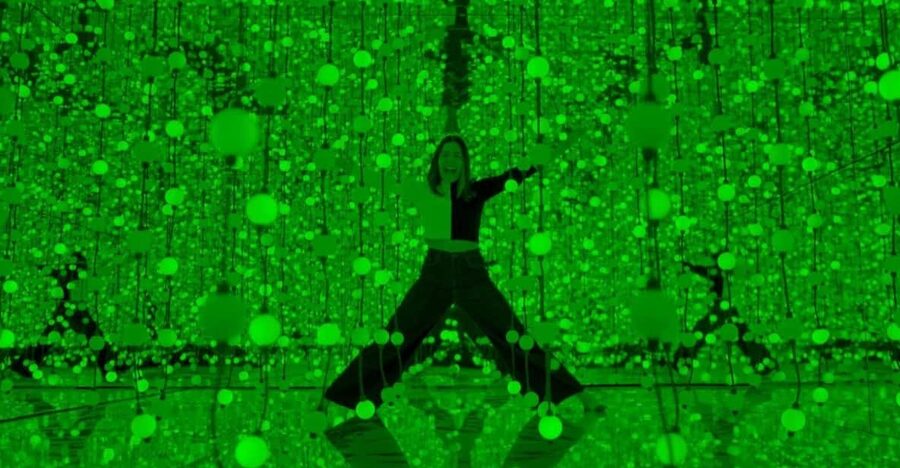
I would think of the Museo de la Luz as a compact art-and-photo experience rather than a full museum visit. Its subject is light itself: how it changes color, shape, mood, reflections, and the way you see a room.
The displays use projections, sculptures, lasers, colored lighting, and interactive features. Some pieces invite you to watch, while others ask you to move around, pose, or play with the effect. That mix gives the visit a relaxed feel. You do not need an art background to understand what is happening.
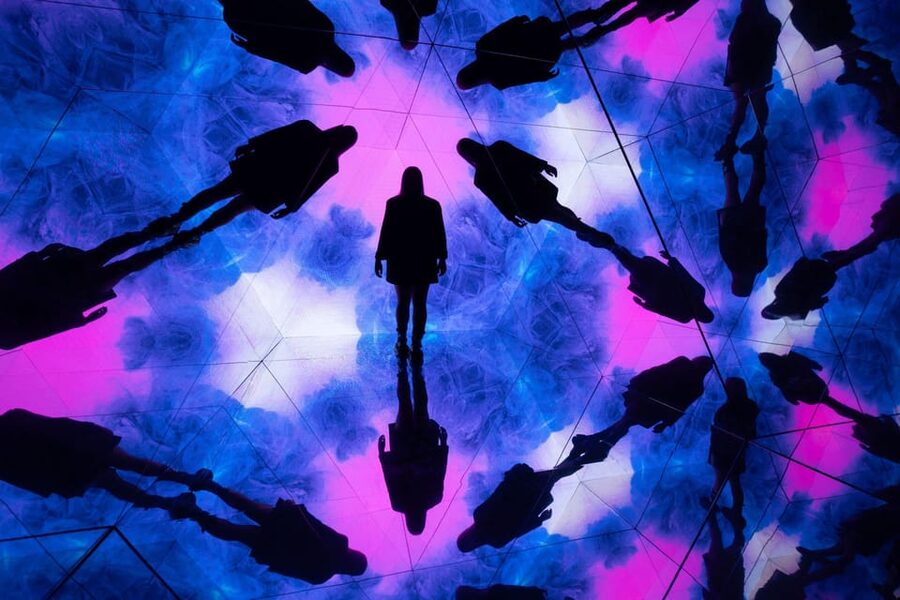
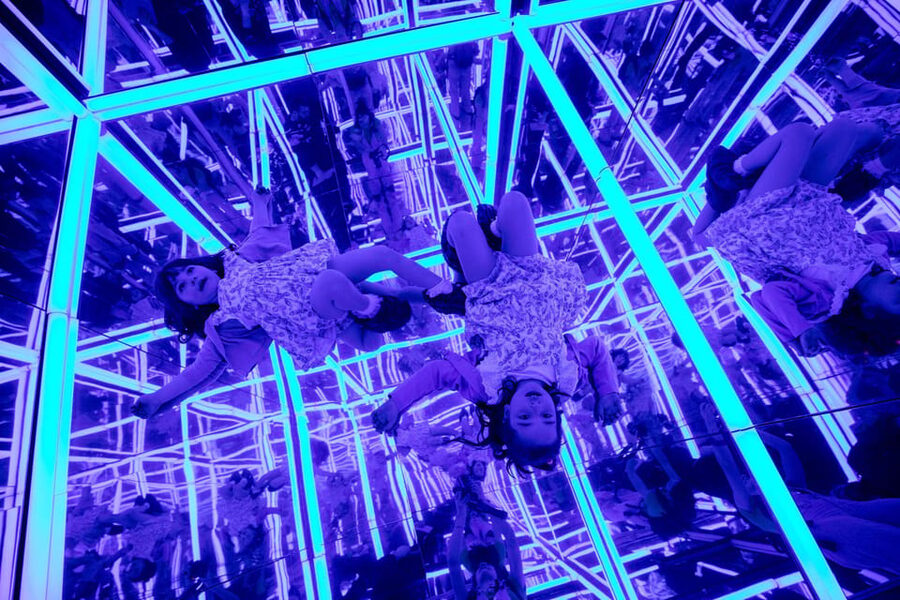
This is also a place where your own photographs become part of the fun. A mirror room can turn a simple portrait into a pattern of color and reflection. A laser display can make a sharp, graphic picture. In other rooms, the best result may come from trying different poses or moving through the light rather than standing still.
The museum’s educational side is fairly light and accessible. You get an introduction to the idea of light as an artistic medium, along with a look at how light has changed the way artists create visual work. The main lesson comes through seeing and doing, not through long written explanations.
Starting With the Introduction
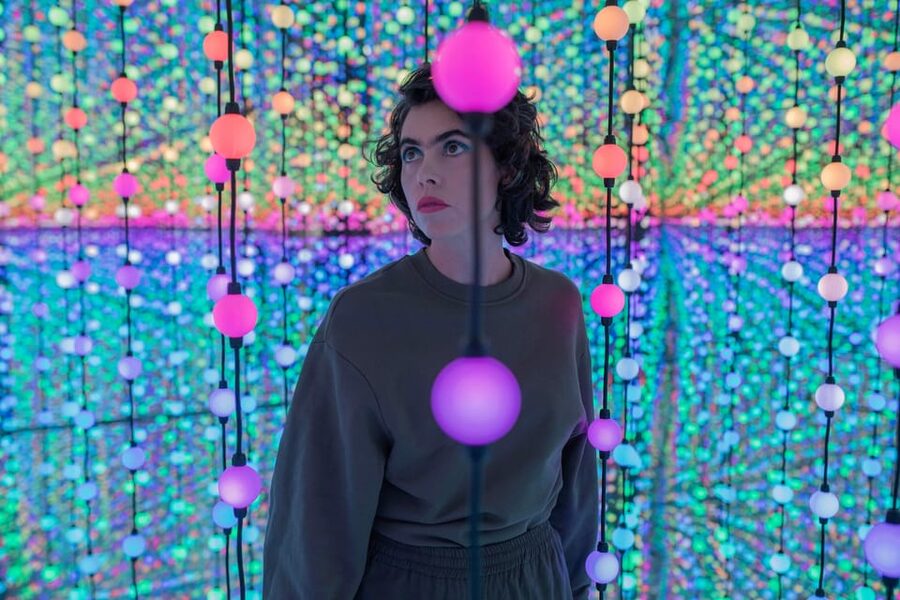
At the entrance, allow a little time for the staff to explain how the visit works. The welcome is part of the experience, and the introduction helps you understand which areas are interactive and how to make the most of them.
Staff members are repeatedly praised for being friendly and useful. They may suggest good poses, help take photographs, and point out ways to use the lighting. That matters if you are visiting alone or if your group wants photographs of everyone together.
I would not rush through the opening instructions. The museum is small, so a few practical tips can save you from walking past a display without noticing what makes it work. If you are visiting with children, this is also a good moment to explain which installations can be touched or used.
The exact staff member on duty can vary, so do not expect a named guide or a formal tour. This is a self-directed visit with assistance available when you need it.
A few more Madrid half-days worth comparing
- Madrid: Tour Bernabéu Entry Ticket
★ 4.5 · 21,573 reviews - Madrid: Prado Museum Entry Ticket
★ 4.6 · 17,509 reviews - Madrid: Royal Palace Fast-Access Admission Ticket
★ 4.6 · 13,856 reviews
Colored Light, Projections, and Lasers
The central part of the visit moves through rooms that use light in different ways. One display might rely on projection, another on color, and another on reflections or laser beams. The changing effects keep the visit from feeling like one long installation repeated several times.
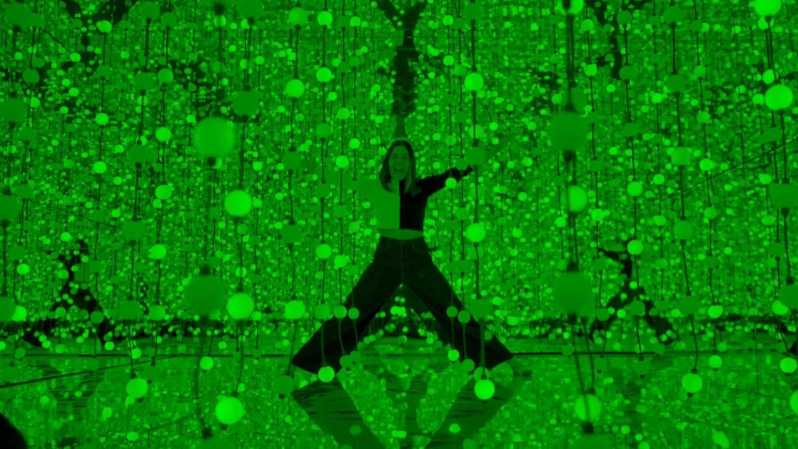
The colored-light areas are easy to enjoy without any explanation. You can watch the colors shift, stand in different parts of the room, and see how the effect changes in a photograph. These spaces are especially good for groups because each person can try a different pose or angle.
The laser display has a sharper, more graphic look. If you like bold photographs, this may be one of the most useful stops. Take a moment to look at the room before reaching for your phone. The visual effect is usually easier to understand in person than in a quick photograph.
Projected art gives the museum a more atmospheric side. Instead of a fixed object, you see light spread across surfaces and change the character of the space. This is where the museum connects most clearly with its artistic purpose. Light is not just decoration. It becomes the material used to shape the room.
The Mirror Room and Photo Opportunities
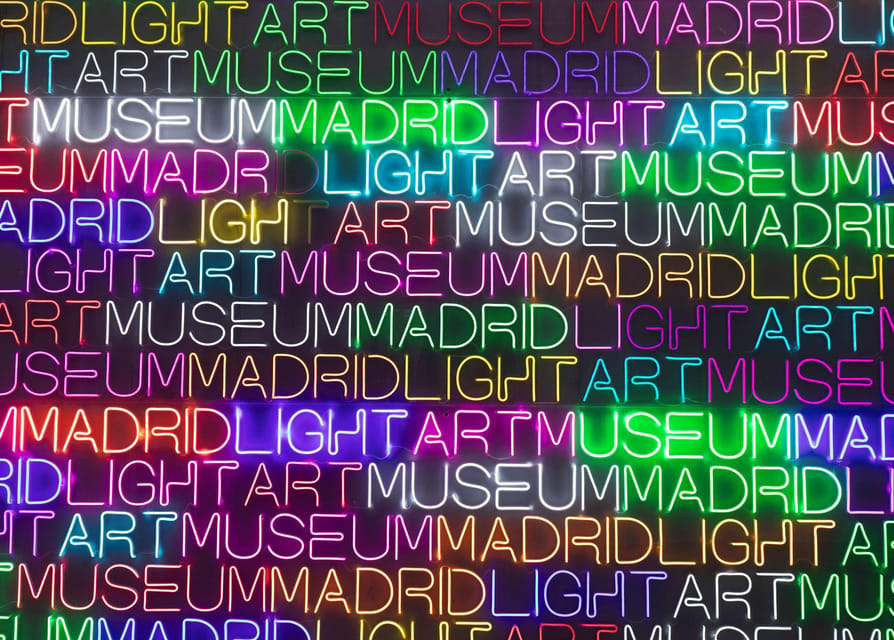
The mirror room is likely to be one of your favorite stops if you enjoy taking pictures. Colored light and repeated reflections can produce unusual images without requiring special equipment or editing.
You will get better results by taking several photographs rather than stopping after one. Try standing in different places, changing your angle, and letting the person taking the picture move around. The room can look quite different depending on where the camera is held.
Staff can help with poses and photographs, which is useful for solo visitors and couples. You may also want to ask someone on the team before moving on if you feel you have not found the best angle. The museum’s employees are part of what makes the photo side easier.
Keep in mind that the photographs are a major part of the appeal. If you only want a quick look at art, you may finish sooner than expected. If you enjoy building a set of unusual pictures, you can spend much longer in the same few spaces.
How Long Should You Plan?
The official activity duration is listed as 20 minutes, and that is a realistic amount of time for a brisk visit. You can see the main areas quickly, especially if you are not stopping for many photographs.
In practice, the visit can stretch toward an hour when you take pictures, try poses, and return to displays you liked. The museum is not large, so staying longer does not mean covering a huge number of rooms. It means giving yourself time to play with the effects.
That difference matters when you judge the $17 price. At 20 minutes, the cost feels high compared with a large museum ticket. At 45 to 60 minutes, with staff assistance and photographs to take home, it can feel more reasonable.
I would allow up to an hour if your schedule permits, while accepting that your actual visit may be much shorter. This flexibility makes the museum useful between larger Madrid sights, meals, or indoor breaks.
Same base in Madrid, a completely different kind of day:
- Madrid: “Emociones” Live Flamenco Performance
★ 4.8 · 12,866 reviews - Madrid: Panoramic Route City Tour
★ 4.1 · 12,259 reviews - Madrid: Live Flamenco Show with Food and Drinks Options
★ 4.5 · 9,901 reviews - Madrid: Royal Palace Expert Guided Tour with Skip-the-Line
★ 4.7 · 6,986 reviews
Is $17 a Fair Price?
The ticket costs $17 per person. The price is easiest to justify if you want an active, photograph-friendly experience rather than a collection of traditional artworks.
You are paying for access to the light installations and interactive exhibits, plus the chance to use the rooms for your own photographs. The helpful staff add practical value, particularly when they explain a display or assist with a pose.
The calculation changes for a group. A family can have fun together, but four or five tickets add up quickly for a small museum. Children may enjoy the bright colors and interactive features, yet adults should decide if the short duration fits the budget.
For a solo visitor, the staff support becomes more important. You can still enjoy the displays alone, and assistance with photographs makes the experience less awkward. For a couple or a group of friends, the cost may feel more worthwhile because you can share the activity and compare photographs.
The flexible booking terms also help. You can cancel up to 24 hours before the visit for a full refund, and you can reserve now and pay later. Those options are useful when your Madrid plans are still changing.
Who Will Enjoy It Most?
I would recommend the Museo de la Luz to several types of visitors:
- Families with children looking for a fun indoor activity.
- Friends and couples who want unusual photographs together.
- Solo visitors who appreciate help with pictures.
- Art fans curious about light as a creative medium.
- Short-stay visitors who need an attraction that fits into a tight schedule.
- Anyone wanting a break from Madrid’s streets and larger museums.
It is less suitable if you want a long, detailed museum visit with a large collection and extensive historical displays. The museum offers ideas and visual effects, but it does not provide a full day of art.
Older adults can enjoy it too. The activity is not limited to children or young people, and the emphasis on color, movement, and photographs gives different age groups ways to take part.
Timing, Access, and Practical Advice
Arrive five minutes before your scheduled entry time or exactly at that time. Admission is not guaranteed if you arrive more than 20 minutes late, so do not treat the booking time as a loose suggestion.
Wheelchair access is available. Children must remain with an adult throughout the visit, which is worth remembering if you are bringing a family group.
You do not need to plan a complicated day around this activity. Its small size and short official duration make it easy to place before or after another Madrid stop. Still, do not book it so tightly that a small delay leaves you rushing. Madrid traffic, meals, and other sights can easily take longer than expected.
Bring a phone or camera with enough battery if photographs are important to you. The museum does not promise professional photography, but staff may help you get better results. Take your time with the lighting rather than snapping one picture in every room and leaving.
How It Compares With a Traditional Museum Visit
A traditional museum asks you to slow down and study objects, paintings, or historical material. The Museo de la Luz asks you to move, look, experiment, and sometimes perform for the camera.
That difference is its strength. You can understand the basic idea of light as an art form without reading a long text panel. A child can see how color changes a space. An adult can notice how projection, reflection, and laser light alter mood and shape.
The tradeoff is depth. The visit introduces light-based art, but the supplied information does not promise detailed lectures, a large permanent collection, or an extensive historical presentation. If you want a serious art survey, choose one of Madrid’s larger museums instead.
If you want something social and easy to understand, this is a better fit. I like that the museum gives you an active role. You are not only looking at the art. You help complete the scene by moving through it and using it for photographs.
My Verdict on the Museo de la Luz
I would book the Museo de la Luz if you enjoy colorful installations, playful photographs, and short activities that work for a mixed-age group. The friendly staff, mirror room, lasers, and interactive displays give the visit more energy than a quick walk through a small gallery.
I would pause if $17 feels steep for a 20-minute attraction. The museum is compact, and some people will feel finished quickly. To get better value, plan to spend time taking photographs and experimenting with the rooms.
For a family, a couple, a group of friends, or a solo visitor who wants help with pictures, it is an easy and cheerful addition to Madrid. Book it when you want a change from formal museums and understand that the main reward is a playful visual experience, not a long cultural program.
FAQ
How much does entry to the Museo de la Luz cost?
The entry ticket costs $17 per person.
How long does the Museo de la Luz visit last?
The listed activity duration is 20 minutes. You may spend closer to an hour if you take photographs and try the interactive displays at a slower pace.
What can I see inside the museum?
You can see installations, sculptures, projections, lasers, colored-light displays, mirror rooms, and other works that use light as the main artistic medium.
Are the exhibits interactive?
Yes. The ticket includes interactive exhibits, and some spaces let you experiment with light and take part in colored-light games.
Is the museum suitable for children?
Yes. The experience is described as suitable for families and children, but every child must be accompanied by an adult throughout the visit.
Is the Museo de la Luz wheelchair accessible?
Yes. The museum is wheelchair accessible.
Should I arrive before my scheduled entry time?
You should arrive five minutes before your scheduled time or exactly at the entry time. Entry is not guaranteed if you arrive more than 20 minutes late.
Can I take photographs inside?
The experience includes photo opportunities throughout the light installations. Staff may also help with poses and photographs.
Can I cancel the ticket?
Yes. You can cancel up to 24 hours in advance for a full refund.
Can I reserve now and pay later?
Yes. You can reserve your place and pay later, which keeps your plans flexible.
Recently added around Madrid
- Tour Madrid: Secrets in a Electric Tuk Tuk★ 4.6 · 155 reviews
- Madrid: Tasty Tapas Tour & Visit to a Terrace with Views★ 4.5 · 118 reviews
- Madrid: Flamenco Show&Drink at Tablao 1911 (World’s Oldest)★ 4.7 · 253 reviews
- Small Group Prado Museum Guided Tour with Skip the Line★ 4.2 · 106 reviews
- Madrid: Street Art Tour with Local Graffiti Hunter★ 4.8 · 270 reviews
- Madrid: Afternoon Prado Museum Tour with Skip-the-Line Entry★ 4.4 · 491 reviews
- Madrid: Royal Palace Guided Tour with Skip-the-Line Entry★ 4.5 · 780 reviews
- Secret Food Tours Madrid★ 4.9 · 134 reviews
Madrid Tours, compared.
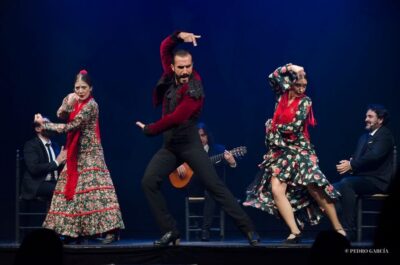

Live Flamenco Show with Food and Drinks Options
Read our review →
Royal Palace Expert Guided Tour with Skip-the-Line
Read our review →

Madrid Essential: Historic Center, Plaza Mayor & Royal Palace
Read our review →Browse the lists this tour appears in