
Reviewed · SANTIAGO DE COMPOSTELA TOURS
Santiago de Compostela: Finisterre, Costa da Morte, Ézaro, Muros & Carnota
The best thing about this day trip is its sweep. In one long outing from Santiago de Compostela, you reach the end of the Camino at Fisterra, watch the Ézaro waterfall run toward the sea, visit a pilgrimage sanctuary at Muxía, and walk through old Ponte Maceira. It gives you the broad picture of Galicia’s western coast without renting a car.
I especially like the comfortable round-trip bus and the mix of stops. Ézaro and Ponte Maceira provide some of the strongest scenery, while the guides, including Lucia, Noelle, Ana, and Alexis on different departures, add useful history and practical lunch advice. The tradeoff is time: with seven stops in about nine hours, some visits feel brief, and a bad-weather day can soften the whole experience.
Key points at a glance
- Seven distinct stops: Fishing villages, a giant stone granary, waterfall, lighthouse, sanctuary, and medieval bridge all make the route.
- A fitting Camino finale: Fisterra provides the symbolic kilometre-zero point after Santiago, while Muxía adds another pilgrimage site.
- Comfortable transport: Round-trip coach travel lets you see remote coastal areas without managing roads or parking.
- Short but useful visits: Most stops last 20 to 45 minutes, with 90 minutes in Fisterra for lunch and a walk.
- Strong guide component: The tour is conducted in English and Spanish, with clear local context and restaurant suggestions.
- Weather matters: Rain and cloud can limit the famous Atlantic views, and the tour may be rescheduled or refunded if poor weather cancels it.
Why this route works after Santiago
Santiago is a fine place to end a Camino, but many people want one more day beside the Atlantic. Fisterra, traditionally called the end of the known world by Roman writers, gives that journey a natural closing scene. The lighthouse, open ocean, and Camino kilometre-zero marker make the visit feel symbolic even if you have not walked the full route.
This excursion also reaches places that are awkward to connect by public transport in a single day. You are not simply driven to Fisterra and back. The route threads through Muros, Carnota, Ézaro, Muxía, and Ponte Maceira, showing how varied this corner of Galicia can be.
I would think of it as a scenic overview rather than a deep visit to any one town. You will see the main sights, hear their stories, and have time for a walk or meal. You will not have hours to browse every lane or museum.
A few more Santiago de Compostela half-days worth comparing
- Santiago: Cathedral & Museum Tour + Pórtico of Glory Option
★ 4.7 · 2,116 reviews - From Santiago: Finisterre, Muxia & Costa da Morte Excursion
★ 4.7 · 1,481 reviews - Excursion to Finisterre + Muxia + Costa da Morte (7 stops)
★ 5.0 · 1,367 reviews
Muros begins the day with a fishing-village feel
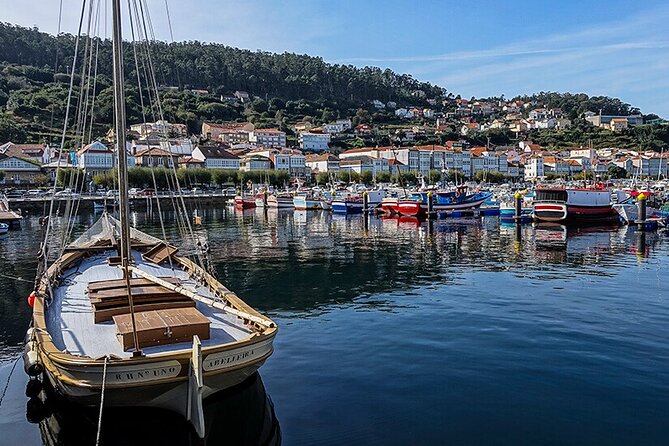
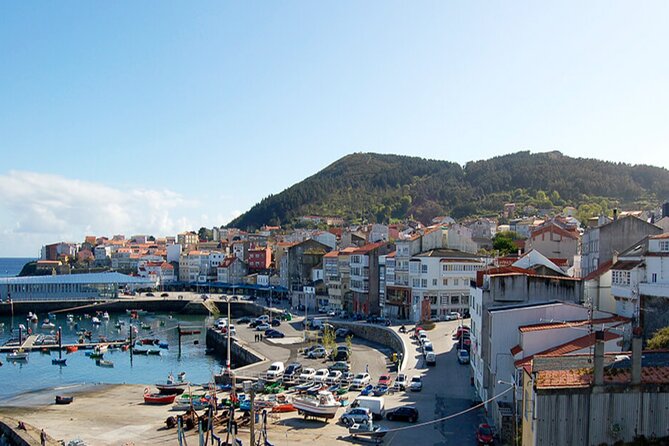
The first stop is Muros, one of Galicia’s most attractive fishing villages. You have about 30 minutes to walk through its narrow streets or look around the small fish stalls. That is enough to get a sense of the town, take photographs, and stretch your legs after leaving Santiago.
The short visit is also the first sign of the tour’s rhythm. Muros is a place where I would happily spend longer, but here it functions as an introduction to the coast. Stay close to the meeting point and keep an eye on the time. A quick snack, including churros according to one account of the outing, may be possible, but you should not plan a full café stop here.
Carnota’s horreo shows practical Galician architecture
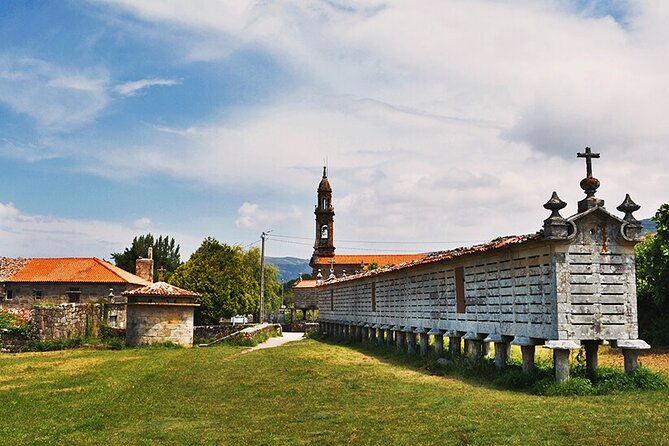
At Carnota, you stop for about 20 minutes to see one of Galicia’s longest horreos. These raised granite granaries were built to keep crops dry and protected, and this one dates from the 18th century. Its size makes it more than a quick roadside curiosity.
The setting near Carnota’s long beach adds to the appeal. You get a clear example of how local farming traditions, granite construction, and the coast fit together. The stop is mainly for viewing and photographs, so it suits you best if you enjoy architecture and local culture rather than expecting an extended beach visit.
Ézaro is one of the day’s strongest natural sights
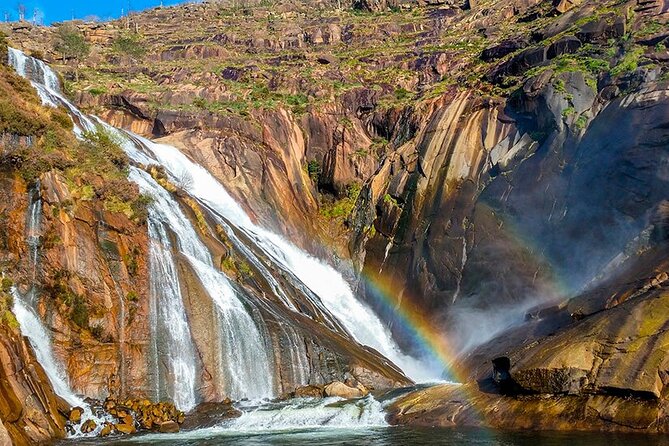
The Fervenza de Ézaro is likely to be one of the highlights. The waterfall drops toward the sea in a dramatic setting framed by Mount Pindo, fishing villages, and beaches. The tour describes it as the only river waterfall in southern Europe that flows into the sea, which gives the stop a special geographic interest as well as visual appeal.
You have around 45 minutes here. That is more generous than at Muros or Carnota, giving you time to see the waterfall and take in the surroundings without racing straight back to the coach. Weather makes a real difference. In rain, the paths and views may be less pleasant, while clear conditions allow the meeting of river, rock, and Atlantic water to show at its best.
Several departures have singled out Ézaro as a favorite stop. I can understand why. It offers a strong visual change from the village streets and historic monuments, and it does not require a long hike to appreciate the main sight.
Same base in Santiago de Compostela, a completely different kind of day:
- Finisterre and Costa da Morte: The Most Complete Tour of Santiago
★ 5.0 · 733 reviews - From Santiago: Finisterre, Muxia, Ézaro – 7 stops day tour
★ 4.6 · 553 reviews - Santiago de Compostela: Finisterre, Muxia & Costa da Morte
★ 4.7 · 526 reviews - Santiago de Compostela Cathedral and Museum Guided Tour
★ 4.6 · 511 reviews
Fisterra gives the Camino its Atlantic ending
Fisterra receives the longest free period, about 90 minutes. This is where you can eat lunch, walk through the small streets, and see the fishing port. The time is not lavish, but it is enough for a straightforward meal and a look around if you do not linger too long.
Seafood is a natural choice here, and the guide may offer suggestions about what to order. That help can be useful because the lunch break is short and you do not want to spend half of it choosing a restaurant. Lunch is not included, so budget for it separately.
The port gives Fisterra a working character that balances its symbolic role. This is not only a Camino endpoint or scenic viewpoint. It is also a coastal town with boats, restaurants, and ordinary local life. I like that the schedule allows some free time rather than keeping you with the guide every minute.
The Fisterra lighthouse marks the far western point
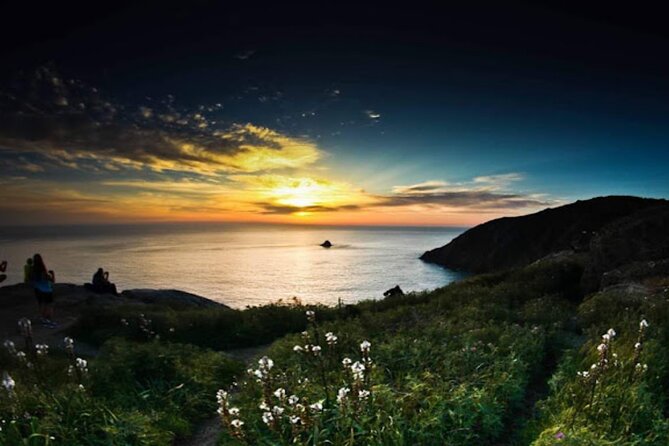
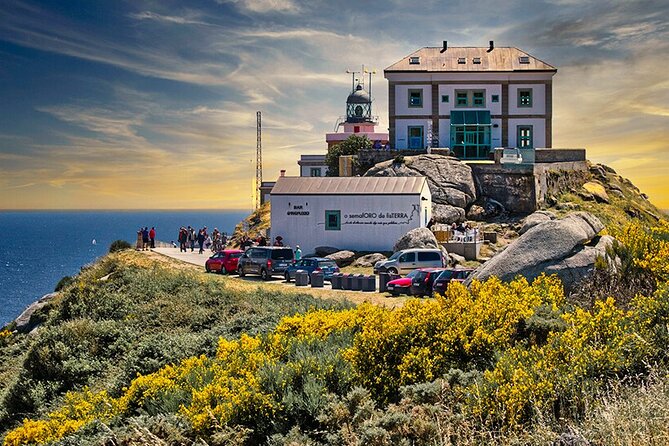
After lunch, the group continues to Faro de Fisterra for about 40 minutes. The lighthouse was the first built on the Costa da Morte, and the site is linked with pre-Christian worship of the sun, known as Ara Solis. The tour also treats it as kilometre zero of the Camino de Santiago.
The main reward is the view across the Atlantic. On a clear day, you can expect a broad, open prospect and a strong sense of reaching the western edge of the peninsula. On a wet or cloudy day, the experience is more atmospheric but less dramatic. Several outings have had heavy rain, with some people choosing to remain on the bus, so pack clothing that can handle Galician weather.
Keep the lighthouse visit distinct from the Fisterra town stop. The town is for lunch and a port walk. The lighthouse is for the symbolic endpoint and sea views. Together, they make the strongest Camino-centered part of the route.
Muxía adds pilgrimage, stone, and sea
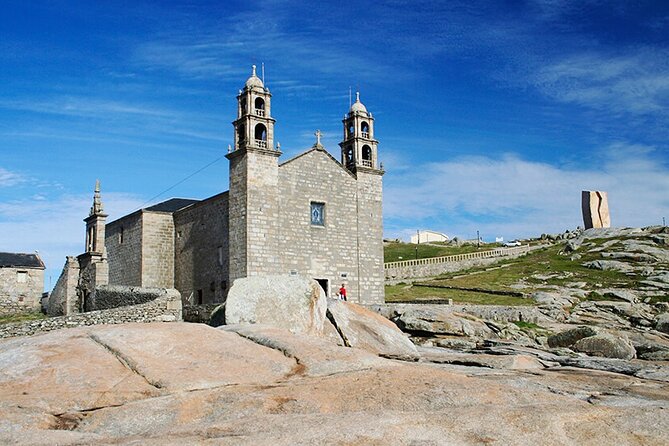
At Muxía, the tour spends about 40 minutes at the Sanctuary of Nuestra Señora de la Barca. This pilgrimage site is tied to the Camino and sits in a striking coastal setting. The visit also includes the holy stones and the so-called Skin way, details that connect the place to local religious tradition.
The sanctuary is especially useful for anyone who wants more than a lighthouse photograph. It brings in Galicia’s spiritual side and shows that the region’s pilgrimage culture continues beyond Santiago. You will have time to see the church and surroundings, but not to explore Muxía at a slow pace.
The coastal setting can be powerful in clear weather. In rain, the church remains worth seeing, but the rocks and sea will be less comfortable to explore. This is another reason to treat the excursion as weather dependent.
Ponte Maceira closes the route with medieval atmosphere
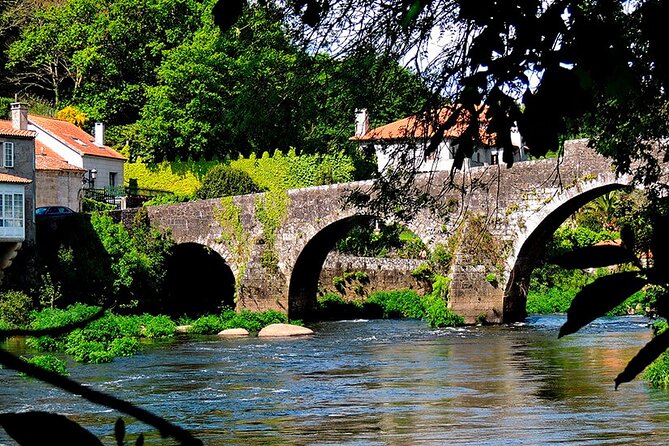
The final stop is Ponte Maceira, a medieval settlement founded in the 13th century and linked to the Camino. You have about 30 minutes to walk around the famous Gothic bridge and mills.
This is one of the more distinctive stops because it combines a small historic settlement with water, stonework, and old infrastructure. A 30-minute visit is enough for a walk and photographs, though one departure found the time tight because reaching the town and returning to the meeting point used much of the break.
If you prefer historic villages to viewpoints, you may wish this stop were longer. If you are tired after a full day, its compact size is helpful. You can see the central sights without another long walking circuit.
What the bus, guide, and schedule are really like
The bus is described as comfortable, which matters on a nine-hour outing with several road sections. Round-trip transport from Santiago saves you the work of driving unfamiliar coastal roads and removes the problem of finding parking at popular viewpoints.
The group can reach up to 55 people, so this is not a small private tour. You should expect a shared coach and a clear return-time system at every stop. Sit near the bus door if you want to get off and back on quickly. That small choice matters when each stop is short.
The guide speaks English and Spanish. Guides named Lucia, Noelle, Ana, and Alexis have led different departures, and the strongest part of their role is explaining local history while keeping the day moving. Lucia is also noted for practical suggestions in Santiago and at lunch, while Noelle has been praised for clear instructions and a friendly manner.
There have been occasional pickup problems, including confusion between two nearby addresses and one delayed start. The stated meeting point is Capela do Pilar, Av. de Xoán Carlos I, 6, in Santiago, with a 9:00 am start. Check the precise pickup details carefully after booking, arrive early, and keep your phone available. One person was helped by a WhatsApp call from the guide, so having WhatsApp active could be useful, though it is not listed as a formal requirement.
Is the $59.28 price good value?
At $59.28 per person, the cost is reasonable for a nine-hour route covering several places that are difficult to combine independently in one day. Transport, bilingual guiding, and insurance are included. Lunch is not, so the final cost will be higher once you add a meal.
The value is strongest if you do not have a car or if your time in Santiago is limited. You pay for convenience, local explanation, and access to a wide coastal circuit. You also avoid spending your day working out connections between small towns.
The price is less appealing if you want long, unhurried visits. A rental car or a longer stay would give you more freedom at Muros, Fisterra, Muxía, and Ponte Maceira. This excursion is built for coverage, not slow travel.
Who should book this day trip?
I would recommend it to anyone finishing the Camino who wants to see both Fisterra and Muxía without arranging another route. It also suits first-time visitors to Galicia, solo visitors who prefer organized transport, and anyone interested in a mix of coastal scenery, pilgrimage, village life, and historic architecture.
It is less suitable if you dislike early starts, short stops, or coach groups. You should also think twice if the forecast calls for persistent rain. The route still operates around churches, villages, and the waterfall, but the lighthouse and Atlantic viewpoints lose much of their impact in poor weather.
The tour is open to most people, and service animals are allowed. It is near public transport at the meeting point. Confirmation is provided when you book, and free cancellation is available up to 24 hours before the start. If bad weather or too few bookings cancel the outing, you are offered another date, another experience, or a full refund.
Should you book the Finisterre coast tour?
Book it if you want a well-priced, full-day overview of Galicia’s western coast and especially if this is your post-Camino finale. The best moments are likely to be Ézaro, the Fisterra lighthouse, and Ponte Maceira, with the guide adding context that would be easy to miss on your own.
Skip it if your ideal day means lingering over one fishing village or hiking along the coast. For everyone else, this is a practical way to reach the end of the world, see a broad slice of the Costa da Morte, and return to Santiago without the stress of driving.
FAQ
How long is the tour?
The tour lasts approximately nine hours and starts at 9:00 am.
Where does the tour start?
It starts at Capela do Pilar, Av. de Xoán Carlos I, 6, 15701 Santiago de Compostela, A Coruña, Spain.
Does the tour return to Santiago?
Yes. The activity ends back at the meeting point in Santiago de Compostela.
Is lunch included?
No. Lunch is not included, but you have about 90 minutes of free time in Fisterra to eat.
Is the tour offered in English?
Yes. The guided tour is conducted in English and Spanish.
What places does the tour visit?
The route includes Muros, the Horreo de Carnota, Fervenza de Ézaro, Fisterra, Faro de Fisterra, Muxía, and Ponte Maceira.
What happens if bad weather cancels the tour?
If poor weather causes cancellation, you are offered a different date or a full refund.
Recently added around Santiago de Compostela
- Santiago: Guided Foodie Tour with Drinks, Tapas & Live Music★ 4.7 · 153 reviews
- Santiago Complete Tour: City, Portico and Cathedral Tickets★ 4.7 · 108 reviews
- Santiago de Compostela: Massage Treatment★ 4.8 · 170 reviews
- Old town walking tour in a small group★ 4.8 · 149 reviews
- From Santiago: Excursion to Ribeira Sacra and Ourense★ 4.6 · 114 reviews
- Finisterre and Costa da Morte: The Most Complete Tour of Santiago★ 5.0 · 733 reviews
- Visit to the Cathedral of Santiago + Portico de la Gloria Option★ 4.5 · 503 reviews
- Masaje del Peregrino★ 5.0 · 243 reviews
Santiago de Compostela Tours, compared.
Santiago: Cathedral & Museum Tour + Pórtico of Glory Option
Read our review →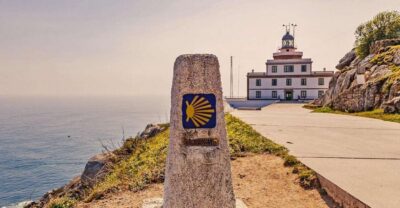
From Santiago: Finisterre, Muxia & Costa da Morte Excursion
Read our review →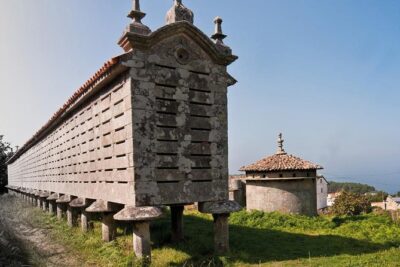
Excursion to Finisterre + Muxia + Costa da Morte (7 stops)
Read our review →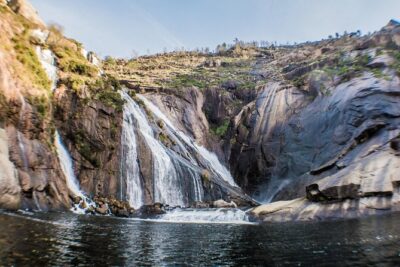
Finisterre and Costa da Morte: The Most Complete Tour of Santiago
Read our review →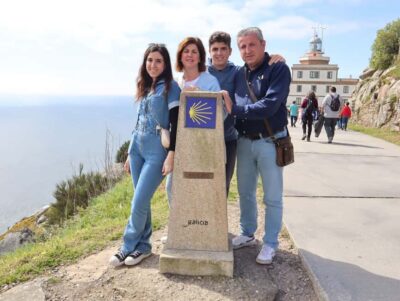
From Santiago: Finisterre, Muxia, Ézaro – 7 stops day tour
Read our review →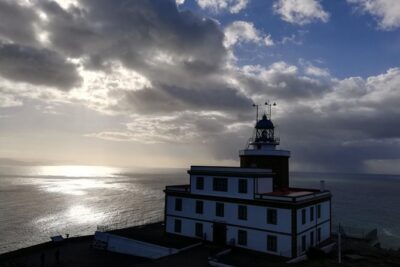
Santiago de Compostela Cathedral and Museum Guided Tour
Read our review →
Visit to the Cathedral of Santiago + Portico de la Gloria Option
Read our review →Browse the lists this tour appears in