
Reviewed · MADRID TOURS
Madrid: Street Art Tour with Local Graffiti Hunter
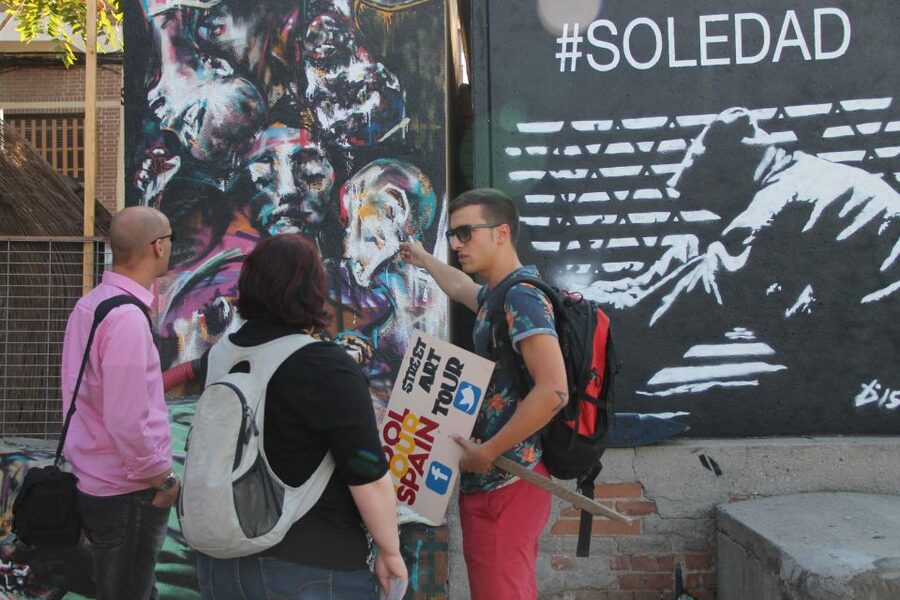
Madrid’s street art is not tucked inside a museum. It is painted across shutters, factory walls, neighborhood squares, and the rough edges of Lavapiés. This two-hour walk takes you into that open-air gallery with a local graffiti writer who can explain the artists, methods, politics, and unwritten rules behind the work. La Tabacalera and Esta es una Plaza give the tour its strongest landmarks.
I like the way the walk connects art with everyday Madrid, rather than treating graffiti as a string of colorful photo stops. I also like the guides’ personal angle: Julien, Esther, Santiago, Javier, Hector, and others have been praised for making the subject clear, lively, and easy to discuss. The main consideration is that street art changes, and some pieces may be painted over, weathered, or different from what you expected. Rain may not cancel the tour, so bring sensible shoes and a jacket when the forecast looks uncertain.
Key points to know before booking
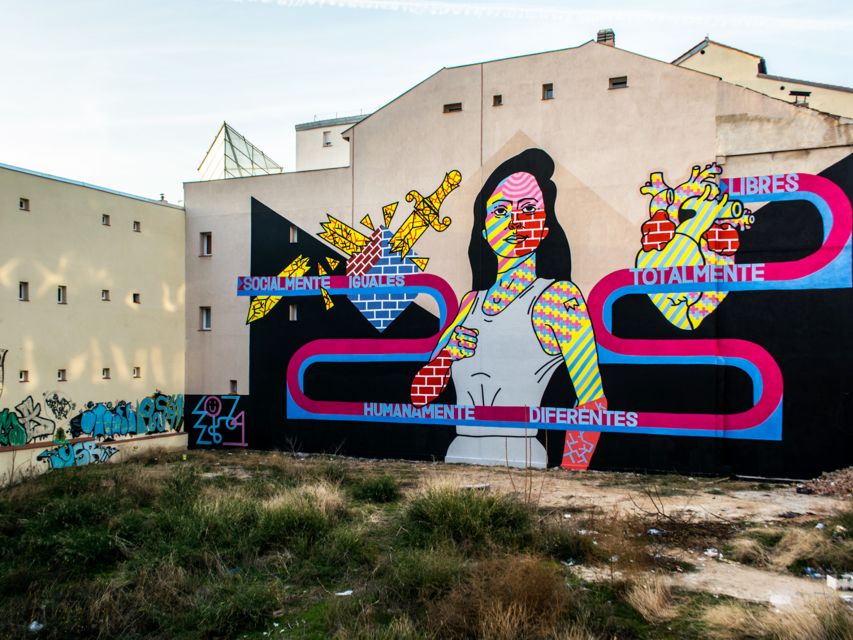
- Three central districts in two hours: Walk through Lavapiés, Embajadores, and La Latina without spending your day on a formal museum visit.
- La Tabacalera’s outdoor walls: See urban art around the former tobacco factory and learn about its free workshops in photography, dance, yoga, cycling, longboarding, and more.
- Two useful public-space stops: Get an insider’s look at Esta es una Plaza and Plaza del Sombrerete, including work by established and newer artists.
- A local graffiti perspective: Guides have included active street artists and graffiti writers who explain technique, context, and the difference between legal murals and unauthorized work.
- Practical value at $29: The price is reasonable for a two-hour guided walk, especially if you want neighborhood context along with the art.
- English only: The tour is conducted in English and is wheelchair accessible, with comfortable shoes recommended.
Why Lavapiés is the right place for this walk
Lavapiés gives you more than a backdrop for murals. It is one of the parts of Madrid where street art, local businesses, community projects, migration, and changing urban life meet in a small area. The tour starts near Teatro Valle-Inclán on Calle de Valencia, close to Lavapiés Metro station, so you can reach it without a long transfer from central Madrid.
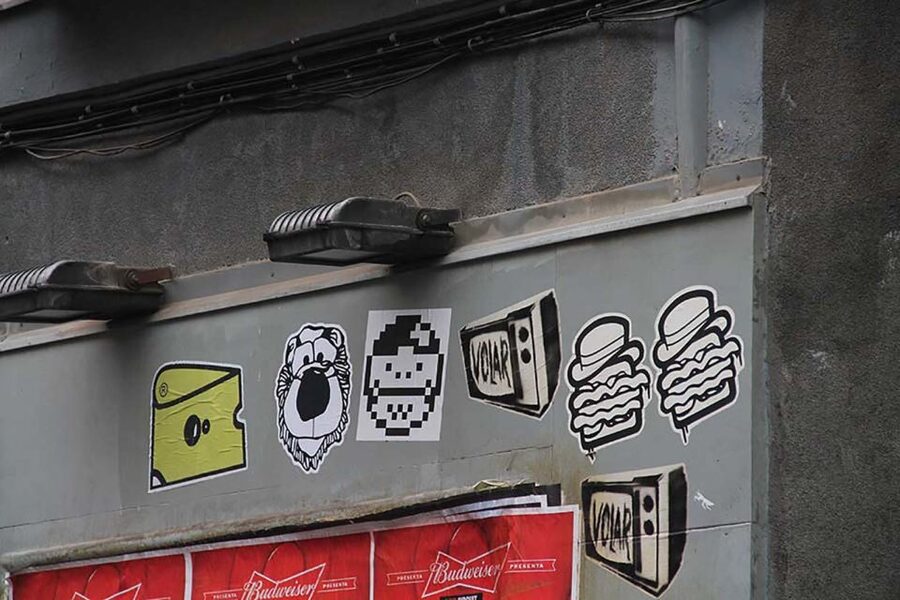
You begin by getting a basic vocabulary for the art. Your guide can point out the difference between a large wall painting, a quick tag, a stencil, a sticker, and other forms of street work. That matters because a fast stencil and a carefully planned mural have different aims, different risks, and different relationships with the surrounding neighborhood.
I find this introduction useful even if you already like graffiti. You may arrive thinking only in terms of whether a wall looks good. The guide encourages you to consider who made it, how it was made, whether it was authorized, and how it changes the feel of a street.
The walk is also a gentle way to see a side of Madrid that a standard Prado, Royal Palace, or historic-center route will not show you. You still get architecture, cafés, small streets, and public squares, but the focus stays on how people use and mark those spaces today.
More street art walks in Madrid:
- Barcelona Street Art and Graffitti Bicycle Tour
★ 5.0 · 361 reviews - Barcelona Street Art Tour with Exclusive Artist Studios Visit
★ 5.0 · 152 reviews
Calle Argumosa and the first layers of urban art
From Lavapiés, the route continues along streets such as Calle Argumosa and Calle de Embajadores. These are not simply corridors between major sights. They help you see how different kinds of work appear on walls, doors, shutters, and building fronts.
Calle Argumosa is especially useful for understanding the neighborhood’s street-level character. You might find large painted works beside small stickers or quick pieces that are easy to miss without someone pointing them out. A guide who works in the local scene can explain why a certain wall matters, identify an artist, or show you how to read a piece that first looks like a random splash of paint.
The pace appears to be one of the tour’s strengths. Two hours is long enough to stop, discuss, and take photographs, but short enough that the subject does not become tiring. You are walking rather than sitting through a lecture, and the route keeps changing as you move from one work to the next.
Still, this is a walking tour in working neighborhoods, not a private gallery visit. You need to stay aware of pedestrians, doorways, traffic, and residents going about their day. The guides are expected to keep groups from blocking local movement, and that respectful approach is worth preserving. Street art is part of a living neighborhood, not a collection of objects placed there for visitors.
La Tabacalera: art on a former tobacco factory
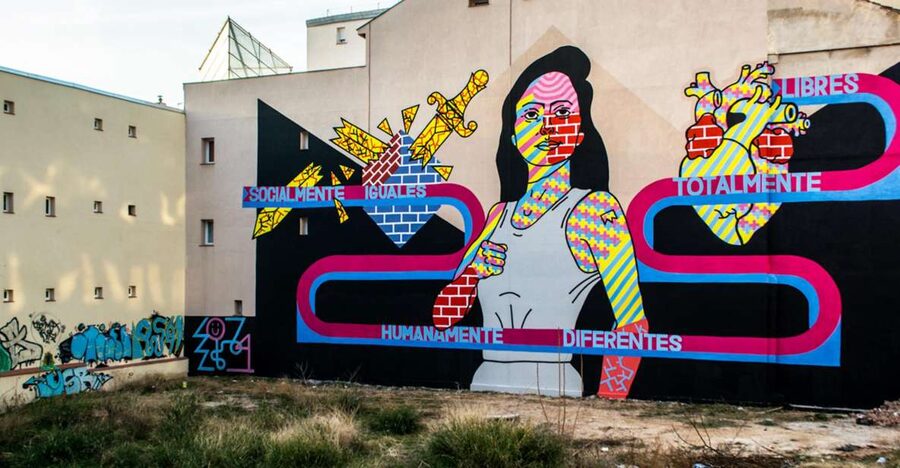
One of the clearest stops is the former tobacco factory of La Tabacalera on Calle de Embajadores. Its walls offer a large canvas for urban art, and the building adds an important layer of social and cultural context.
The tour does not treat La Tabacalera as just a place to photograph a mural. You learn about its connection to community activity and the free workshops offered there, including photography, dance, yoga, cycling, longboarding, and other activities. That helps explain why this site matters to the neighborhood beyond its painted walls.
The art around La Tabacalera can also show how large-scale public work differs from a tag or sticker. You may hear about planning, materials, technique, permission, and the practical problems of painting in an exposed public space. A guide with direct experience in graffiti can make those details understandable without turning the walk into an art-school lecture.
This is one point where the tour earns its $29 price. You could walk past La Tabacalera alone and see the colors, but you would miss much of the story about who uses the building and how organized street-art events shape Madrid’s public spaces. The guide has worked with events and groups connected to CALLE Lavapies, Urvanity, and Muros Tabacalera, giving the discussion a local connection.
Keep your expectations flexible, though. Outdoor art is temporary. A wall may be repainted, a piece may fade, or a festival work may no longer look exactly as it once did. That is part of the subject. The tour is about a moving art scene, not a fixed checklist.
Esta es una Plaza and the value of community space
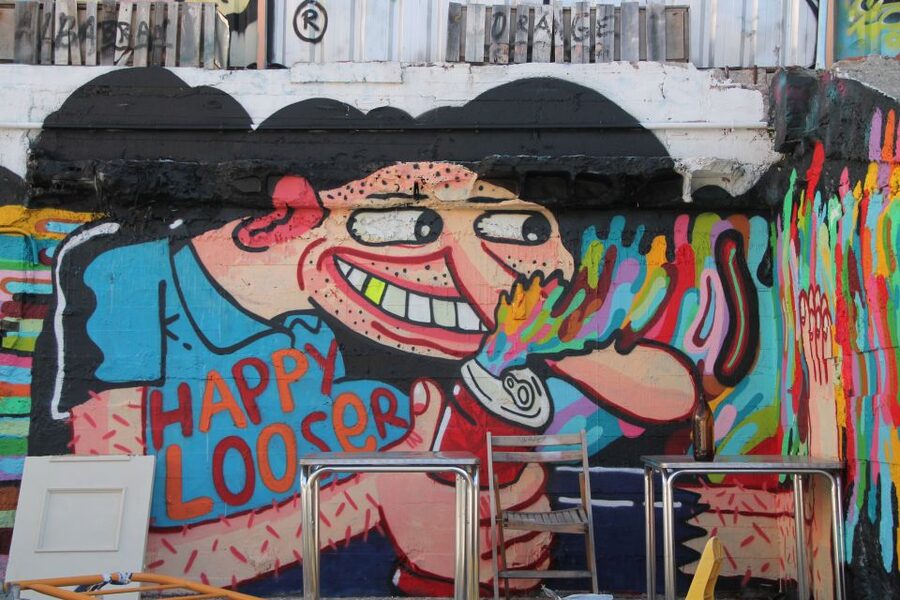
The route includes Esta es una Plaza, a community-oriented public space where the guide can point out work by veteran artists and explain the role of art in shared urban areas. This stop gives the tour a useful change of scale after the larger walls around La Tabacalera.
Here, you can think about how art works when it is part of a place people use for ordinary life. A mural or installation may help give a square its identity, but the square still belongs to residents, neighbors, and community activity. That raises practical questions about permission, care, access, and who gets to shape public space.
I especially like this kind of stop for families and teenagers. It gives younger visitors something more to discuss than artistic style. The subject can lead naturally to questions about ownership, ethics, public funding, neighborhood change, and the difference between art that adds to a place and paint that damages it.
The guides tend to keep the discussion open. Esther has been praised for asking questions along the way, while other guides have been described as friendly and easy to talk with. You are not expected to know art terms before you arrive, and you should feel free to ask why a piece is respected, controversial, legal, or likely to disappear.
A few more Madrid half-days worth comparing
- Madrid: Tour Bernabéu Entry Ticket
★ 4.5 · 21,573 reviews - Madrid: Prado Museum Entry Ticket
★ 4.6 · 17,509 reviews - Madrid: Royal Palace Fast-Access Admission Ticket
★ 4.6 · 13,856 reviews - Madrid: “Emociones” Live Flamenco Performance
★ 4.8 · 12,866 reviews
Plaza del Sombrerete and newer voices
The route also reaches Plaza del Sombrerete, where the guide introduces newer talent alongside more established names. This is a useful counterpoint to the veteran artists associated with other stops.
Street art changes quickly, and a good guide helps you see that the scene is not one single style. You may encounter different lettering, figurative work, stencils, abstract forms, stickers, and small interventions. The guide can explain how artists choose a surface and how a neighborhood’s walls become a record of changing ideas and techniques.
This is also where a local guide is more valuable than a general city guidebook. The art may not have a sign beside it, and the artist’s name may be hard to find online. Your guide can provide the local connection and explain why one modest piece matters even if it is not the biggest or most polished work on the route.
The tour includes the chance to see what is described as the biggest mural in Madrid’s Center District. It is a good visual high point, but do not judge the whole walk by size alone. Some of the most interesting examples may be small, partly hidden, or easy to overlook without an explanation.
What the guides add to the experience
The guide makes or breaks a street-art walk, and this experience has several names associated with particularly strong tours. Julien has been praised for his clear English, humor, and advice about Madrid nightlife. Esther is known for combining graffiti technique with neighborhood history and an interactive style. Santiago has been described as warm and engaging, while Javier and Hector have brought their own experience as artists to the route.
You may not get a specific guide by name when you book, so treat those names as examples of the type of guide used rather than a guarantee. The important point is that the tour is designed around a local graffiti perspective, not a generic sightseeing script.
A good guide also helps you hear. One useful detail from the experience is that Julien speaks clearly enough to remain understandable when people spread out briefly to take photographs. That matters on a street walk, where the group may not stand in one tight circle at every stop.
Several guides have also been praised for keeping the pace comfortable. You should have time to look closely, ask questions, and take pictures without being rushed from wall to wall. At the same time, the walk covers several districts in two hours, so it is not a slow workshop focused on making your own art.
The chance of meeting an artist is an appealing bonus, but it is not something to count on. Some groups have happened upon artists painting new murals, including TeTous, and had a brief conversation. That sort of encounter is valuable precisely because it is unplanned.
The route, walking demands, and access
The meeting point is the entrance of Teatro Valle-Inclán at Calle de Valencia, 1, 28012 Madrid. Lavapiés is the nearest Metro station. From there, expect an urban walk through Lavapiés, Embajadores, and La Latina, with repeated stops at walls and public spaces.
The tour lasts two hours. Comfortable shoes are a sensible choice because the experience involves walking and standing rather than moving between indoor rooms. Bring an identification document as requested, and remember that beverages are not included.
The activity is wheelchair accessible, which is useful information for many visitors. Because the route passes through active streets and public areas, it is still wise to confirm current route conditions when booking if you have specific mobility needs. The supplied information confirms accessibility, but it does not give details about every surface, curb, or temporary obstruction.
The English-only format is straightforward. If you are comfortable following a live guide in English, the tour should be easy to follow. If you need another language, this is not the right choice.
Weather deserves a brief warning. The tour may continue in rain, so check the forecast and dress for the day. One past booking experience involved difficulty changing the date because of rain. The cancellation terms allow a full refund up to 24 hours in advance, but do not assume bad weather will automatically cancel the walk.
Is $29 a fair price?
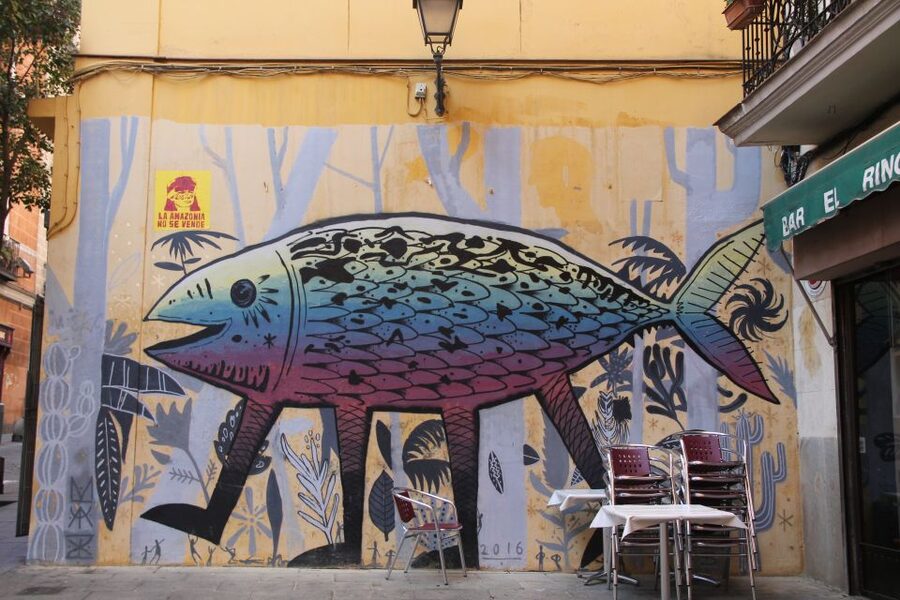
At $29 per person, this is a fair price for a two-hour guided city walk, especially if you value interpretation rather than simply seeing murals. You are paying for local access, explanation of techniques and artists, neighborhood context, and a route that would be hard to reproduce on your own.
The value is strongest if you are new to street art or want to understand how Madrid’s urban art scene works. A fan of graffiti may already recognize styles and artists, but even then, a working local guide can add context about festivals, legal walls, community projects, and changes to specific areas.
The price is less compelling if you only want a fast photo walk. You could visit Lavapiés independently and look for public art without paying a guide. You would also have more freedom to stop for food or browse shops. What you would lose is the organized route and the explanation that connects separate pieces into a story.
The booking terms add flexibility. You can reserve now and pay later, and cancellation is free up to 24 hours before the start for a full refund. Those terms are helpful when you are planning around changing Madrid schedules, though you still need to check the available start times.
Who should book this Madrid street-art tour?
I would choose this tour if you have already seen Madrid’s major museums and want to understand the city through its streets. It also suits anyone who enjoys photography, contemporary art, neighborhood walks, or the social questions that come with public painting.
Families with older children and teenagers can get a lot from it, especially if they enjoy asking why some work is accepted and some is removed. The tour has enough visual variety to hold attention, and the discussion can move into ethics, community, and city planning without becoming too formal.
First-time visitors can also use it as a way to see more than the main center. You will not cover every major Madrid sight, but you will get a feel for Lavapiés and nearby districts that many short city itineraries skip.
I would hesitate only if you dislike walking, need a guaranteed indoor activity, or want a fixed collection of famous works. Street art is temporary and unpredictable. That is not a flaw in the tour, but it is an essential part of what you are buying.
Should you book it?
Yes, if you want a friendly, street-level introduction to Madrid’s urban art and the neighborhoods around Lavapiés. The strongest reasons are the local guides, the stops at La Tabacalera and Esta es una Plaza, and the way the route links graffiti with community life.
Book it early in your Madrid planning if you want to use the walk as a neighborhood orientation. Afterward, you will know where to return for photos, cafés, nightlife tips, or a closer look at a wall that caught your eye. Bring comfortable shoes, prepare for changing outdoor conditions, and accept that the art may not stay still. That is exactly why a local guide helps.
FAQ
How long does the Madrid street-art tour last?
The tour lasts two hours.
Where does the tour meet?
The meeting point is the entrance of Teatro Valle-Inclán at Calle de Valencia, 1, 28012 Madrid. Lavapiés is the nearest Metro station.
Which neighborhoods does the tour visit?
The route explores Lavapiés, Embajadores, and La Latina.
What language is the tour conducted in?
The tour is conducted in English with a live English-speaking guide.
What street-art locations are included?
The route includes the walls of the former tobacco factory of La Tabacalera, Esta es una Plaza, Plaza del Sombrerete, and the chance to see the biggest mural in Madrid’s Center District.
Is the tour wheelchair accessible?
Yes, the activity is listed as wheelchair accessible.
What should I bring?
Bring a passport or identification card and comfortable shoes. Be prepared for an outdoor walk, including possible rain.
Can I cancel for a refund?
Yes. You can cancel up to 24 hours in advance for a full refund. You can also reserve now and pay later.
Recently added around Madrid
- Tour Madrid: Secrets in a Electric Tuk Tuk★ 4.6 · 155 reviews
- Madrid: Tasty Tapas Tour & Visit to a Terrace with Views★ 4.5 · 118 reviews
- Madrid: Flamenco Show&Drink at Tablao 1911 (World’s Oldest)★ 4.7 · 253 reviews
- Small Group Prado Museum Guided Tour with Skip the Line★ 4.2 · 106 reviews
- Madrid: Afternoon Prado Museum Tour with Skip-the-Line Entry★ 4.4 · 491 reviews
- Madrid: Royal Palace Guided Tour with Skip-the-Line Entry★ 4.5 · 780 reviews
- Secret Food Tours Madrid★ 4.9 · 134 reviews
- Madrid: Santiago Bernabéu Stadium Guided Tour★ 4.4 · 230 reviews
Madrid Tours, compared.

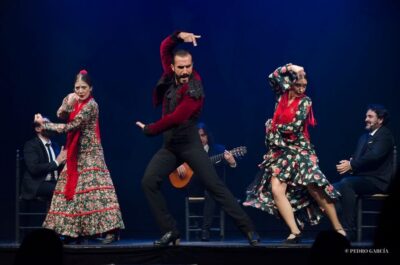


Live Flamenco Show with Food and Drinks Options
Read our review →
Royal Palace Expert Guided Tour with Skip-the-Line
Read our review →
Madrid Essential: Historic Center, Plaza Mayor & Royal Palace
Read our review →Browse the lists this tour appears in