
Reviewed · WINE TOURS
Madrid Region Wineries Guided Tour with Wine Tastings
Madrid’s wine country has an excellent surprise up its sleeve: within about 35 minutes of the city, you can be tasting wine in old Castilian towns instead of sitting in another Madrid tasting room. This tour visits three family-owned wineries, each with its own style, from modern boutique production to clay jars and underground caves.
I like the personal scale and the range. You meet the owners or working winemakers, taste at least nine wines, and see how one family’s methods differ from the next. I also like the food: cheese, olives, hummus, meats, pastries, and other local snacks make this much more than a row of small pours.
The main caution is simple: this is a serious amount of wine for six hours. Some pours are generous, and lunch is not included, only substantial appetizers. The tour is also not suitable for children under 12 or wheelchair users.
Key points to know before booking
- Three family wineries: Visit small producers in Chinchón and Colmenar de Oreja, not large commercial estates.
- At least nine wines: Taste at least three wines at each stop, with local appetizers served throughout.
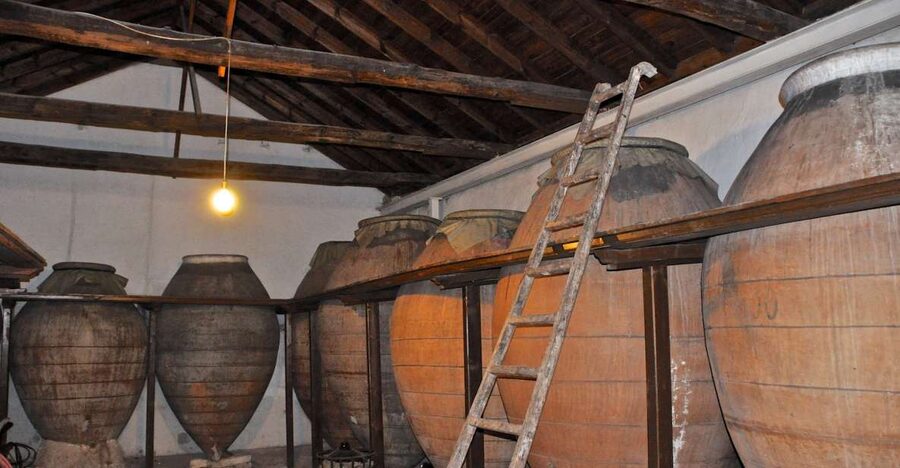
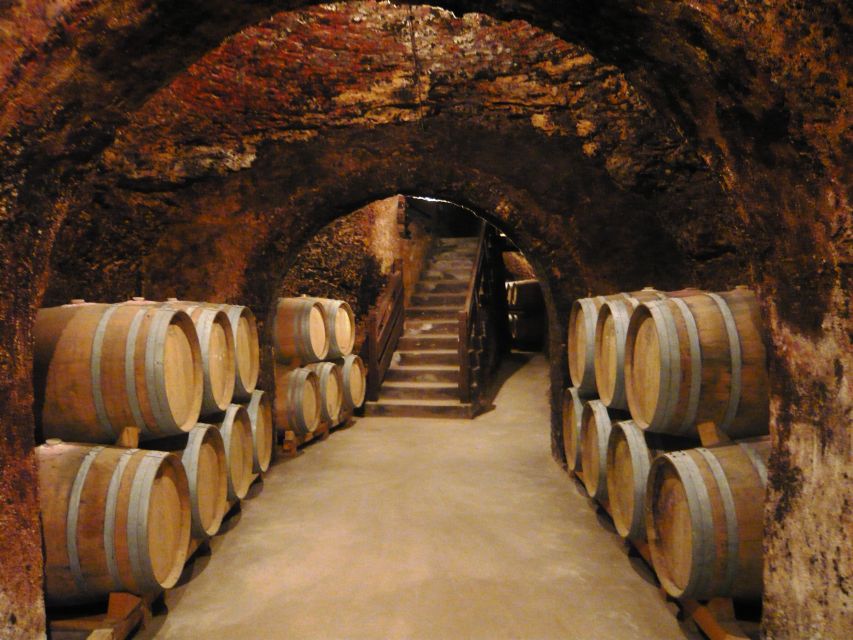
- Historic winemaking: See century-old caves and a winery that still uses clay pots more than 100 years old.
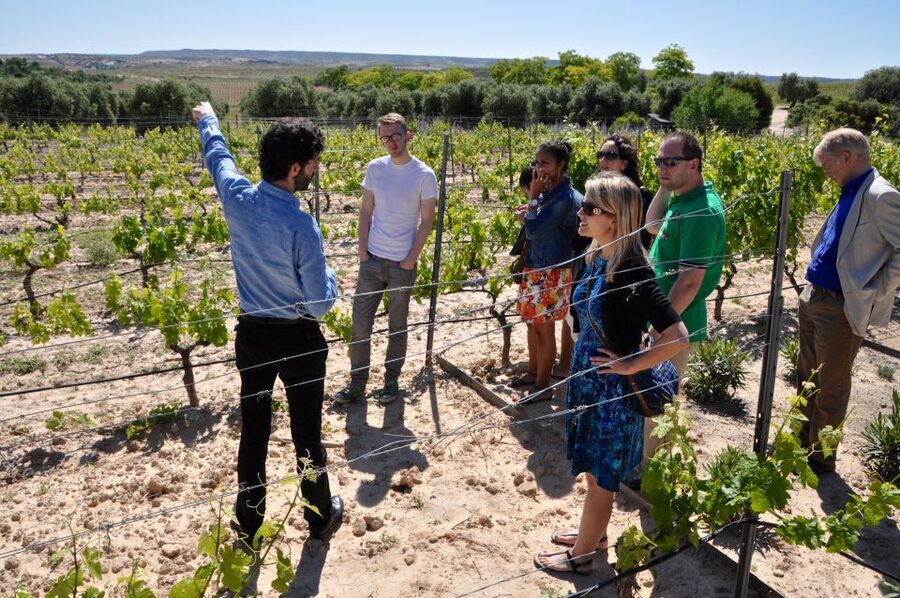
- Personal guides: Guides including Antonio, Nacho, Enrique, Ismael, and Muna are praised for combining wine facts with humor and warmth.
- Easy Madrid escape: Round-trip transport leaves from Plaza del Conde de Casal, with about 35 minutes to the wine region.
- Small-group feel: Groups range from 4 to 20 people, with an average of about 8.
Why Madrid’s wine country deserves a day
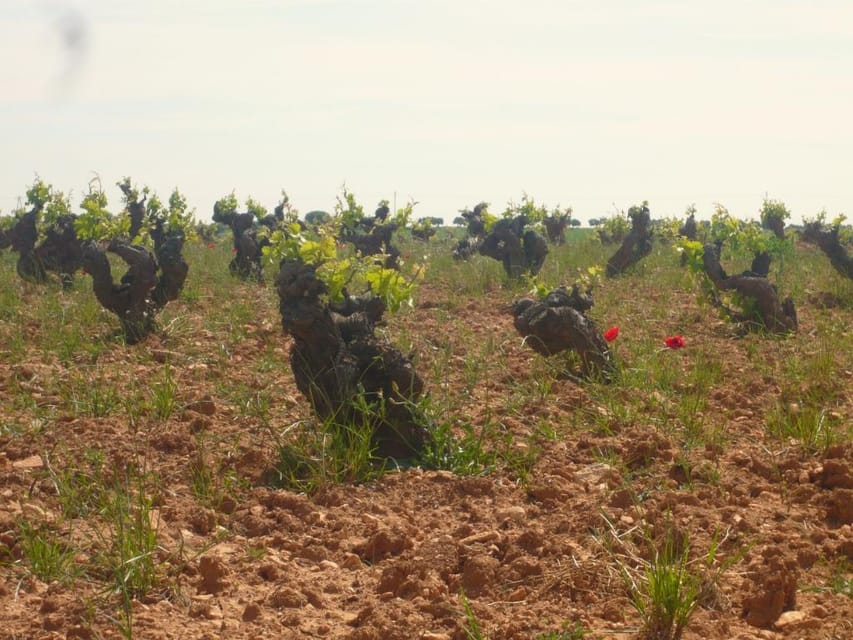
Madrid is not the first Spanish wine region most people name. Rioja, Ribera del Duero, and Priorat usually get the attention. Yet the Community of Madrid has more than 900 years of wine tradition and its own Denomination of Origin, Vinos de Madrid.
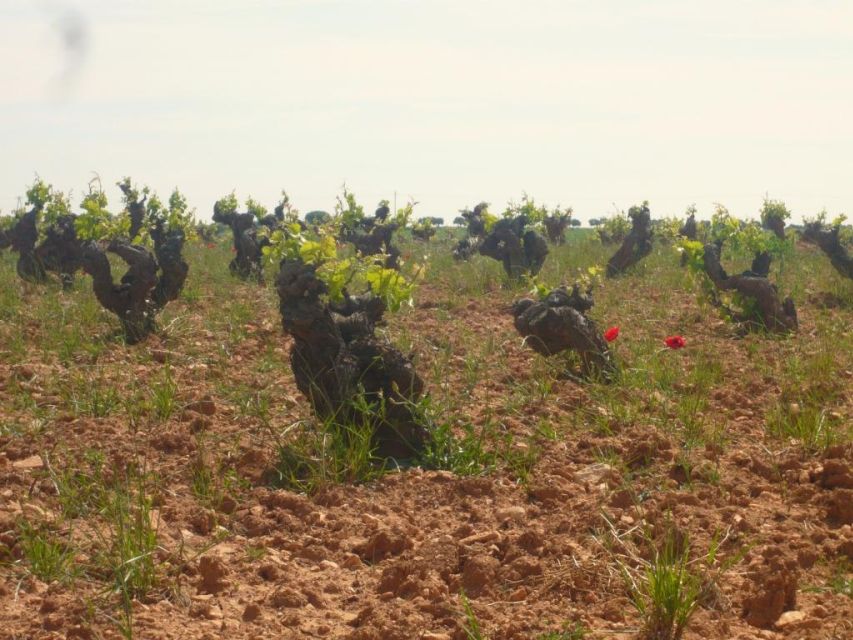
The vineyards sit in the countryside fed by the Tagus and several nearby rivers, including the Manzanares, Tajuña, Jarama, Henares, and Tajo. Tempranillo is important here, especially for full-bodied reds, but the tastings cover different varieties and styles.
That regional context makes this trip worthwhile. You are not just sampling bottles. You are seeing the old agricultural belt that supplied Madrid with wine from the period when Castilian forces took the city from Moorish rule. Wine from this area later appeared in the writings of Cervantes and other artists of Spain’s Golden Age.
I like that the tour keeps this history tied to real places. You see vineyard rows, old cellars, traditional towns, and family businesses still working in the same area. It gives you a better sense of Spain beyond the capital without committing to a long, expensive journey to another wine region.
More Food Tours in Madrid
- Madrid: Live Flamenco Show with Food and Drinks Options
★ 4.5 · 9,901 reviews - Madrid: Tapas & Wine Tasting Tour with Local Guide
★ 4.8 · 2,171 reviews - Madrid Ultimate Spanish Cuisine Food Tour
★ 5.0 · 1,010 reviews
Leaving Madrid from Plaza del Conde de Casal
The meeting point is at the front door of the cafeteria at Hotel Claridge, Plaza del Conde de Casal, 6. The closest metro stop is Conde de Casal on Line 6, so reaching the pickup point from central Madrid is fairly straightforward.
The cafeteria is not available for general use unless you are a customer, so arrive ready to meet outside rather than planning to wait inside over coffee. Once the group gathers, the drive into the Community of Madrid takes about 35 minutes.
The transport matters here. You can taste freely without worrying about driving back to Madrid, and the guide can explain the countryside on the way. The group size is limited to 20, but the average is around 8, which is a much better setup for asking questions than a large coach tour.
The tour runs in English and Spanish. Both languages can be used at the same time if needed. The guide is part driver, part interpreter, and part wine teacher, so the personality of the person leading your day matters. Antonio, Nacho, Enrique, Ismael, Muna, and other guides have been praised for making the information lively rather than formal.
Chinchón: wine in one of Madrid’s prettiest old towns
The first winery stop is in Chinchón, with about 75 minutes for the visit, tour, tasting, and snacks. Chinchón is known for its attractive historic setting, so the drive itself adds something to the day.
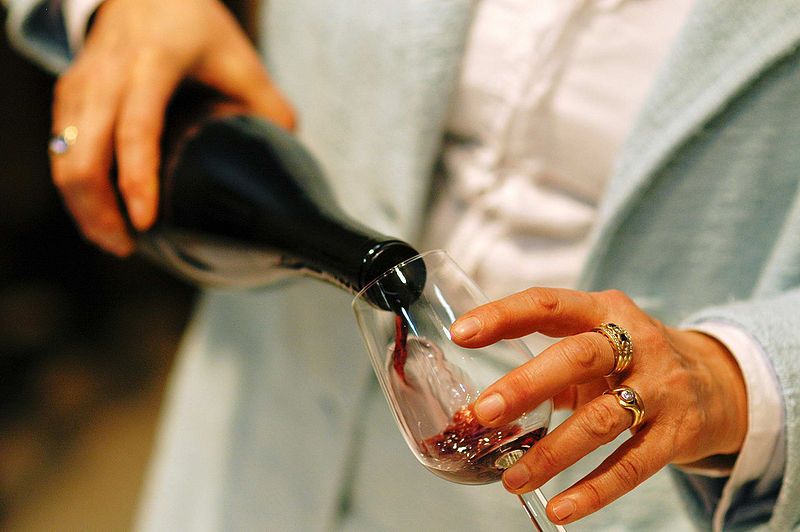
This stop introduces the local wine tradition in a town tied closely to Madrid’s past. You can expect a look at the winery’s production, an explanation of the family’s methods, and at least three wines. Local appetizers are served alongside the tasting.
The wineries selected for the tour can vary, but the experience is built around small family producers. One may be a boutique operation, while another uses modern equipment while keeping older traditions alive. That contrast is useful. Instead of hearing one standard explanation of winemaking, you see how different families make decisions about grapes, fermentation, aging, and presentation.
The Chinchón visit also gives you a chance to see how wine fits into local food culture. The snacks have included items such as cheese, olives, hummus, meats, and pastries. They are not a replacement for a full restaurant lunch, but they help prepare you for the tasting and give the wine a practical local setting.
After the winery, there is about 25 minutes of sightseeing and scenic views around Chinchón. Do not expect a long independent town visit. This is a short look at the town as part of a packed wine day, not a separate Chinchón walking tour.
Colmenar de Oreja: old cellars and family methods
The drive from Chinchón to Colmenar de Oreja takes about 25 minutes. Colmenar de Oreja is another historic town, and the route shifts the focus from the first winery to two more family producers.
The second winery visit lasts about 75 minutes. Here, you can expect another guided tasting of at least three wines, plus snacks and a closer look at the producer’s working methods. The value comes from comparison. A wine that seems bold or rustic at the first stop may taste quite different beside one made with newer equipment or a different aging plan.
A short seven-minute walk connects the second and third winery visits. That small detail is worth noting if you have limited mobility or dislike moving between stops on foot. The tour is not suitable for wheelchair users, and the old-town setting may include uneven surfaces.
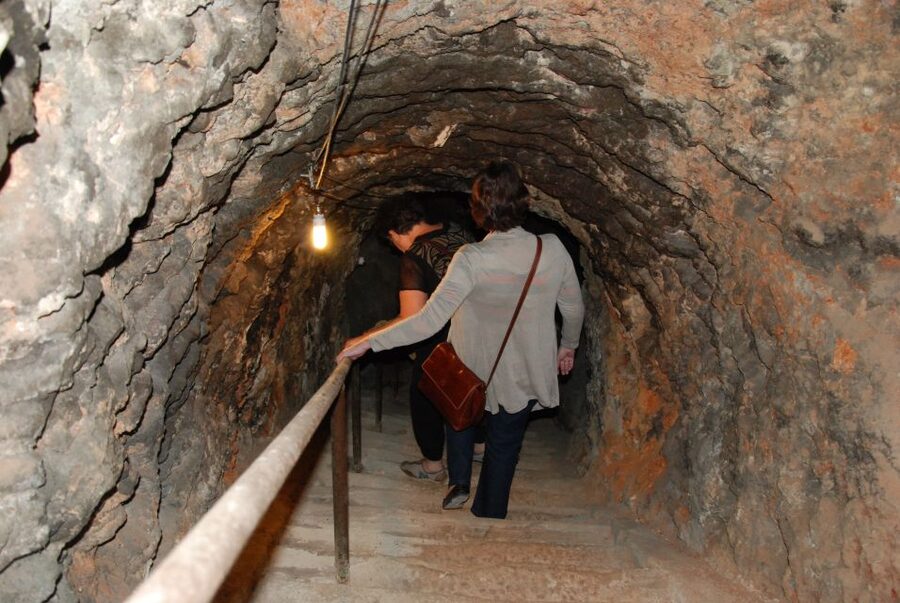
The third winery also lasts about 75 minutes. This is where the historic side of the tour becomes especially memorable. You can walk through centuries-old caves where wine ages, and the tour may include a winery that continues to make wine in clay pots more than a century old.
Those caves are not decorative museum pieces. They explain how wine was stored before modern temperature controls and industrial tanks. The clay vessels also show that traditional methods are not simply preserved for display. Some families continue to use them because the method remains part of their identity and production.
One striking possibility at the final stop is the chance to try an old 1983 rosé. This is not something I would treat as guaranteed or included in the basic price, but a special bottle may be offered for the group to share at an added cost. If that option appears, ask about the price before agreeing. It can be a memorable extra, but it is not necessary to enjoy the tour.
More Wine Tours in Madrid
- Madrid Tapas & Wine Tour with Rooftop Views and Local Guide
★ 5.0 · 2,047 reviews - Paella Cooking Class in Madrid with Bottomless Wine Pairing
★ 5.0 · 985 reviews - Madrid Historic Centre Food Tour with Authentic Tapas & Wines
★ 5.0 · 814 reviews - Madrid: Guided Tapas and Wine Tour with Terrace Visit
★ 4.8 · 566 reviews
At least nine wines, plus food along the way
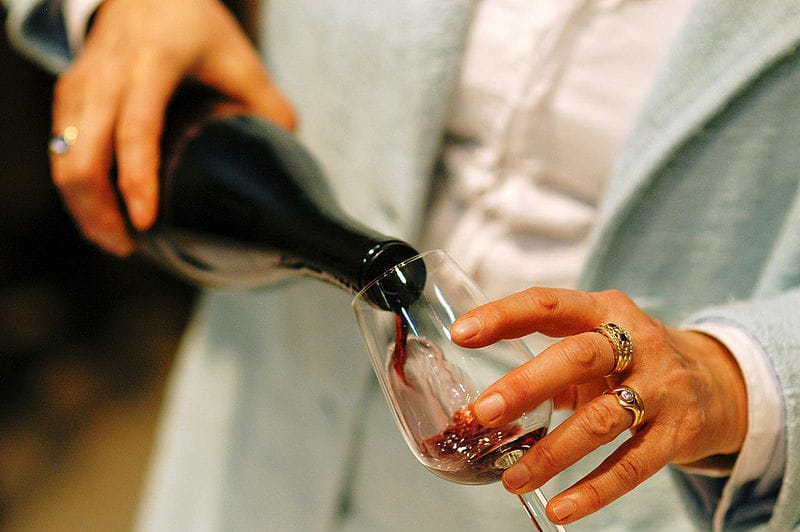
The tasting promise is at least three wines per winery, for a minimum of nine wines. That is more generous than a quick tasting flight, and the pours can be substantial.
You may taste reds, whites, rosés, and different grape varieties, depending on what each family produces. Tempranillo is central to the area, but the point is to notice how grape variety, soil, production choices, and aging affect the final wine.
The food is one of the strongest practical features. Each winery provides local appetizers, with examples including cheese, olives, hummus, meats, chips, and pastries. Some snacks follow typical local recipes. The food gives you something to eat between tastings, but I would still have a proper breakfast and keep dinner plans flexible.
Do not assume that food will cancel out the alcohol. It will not. Several guides are generous with pours, and one day can include much more wine than the word tasting suggests. Drink water when it is available, eat steadily, and use the transport time to rest.
If you want to taste every bottle carefully, consider taking small pours rather than finishing everything. This is especially sensible for anyone who has another activity later in the day. The tour is intended to be social and relaxed, but it is not a light sip-only outing.
The guides make a real difference
The guide is central to the experience. The visits themselves are interesting, but the guide connects the separate wineries into one story about Madrid wine.
Antonio is praised for being funny, attentive, and highly informed about the wine industry. Nacho is known for explaining the region and keeping a small group involved. Enrique has a reputation for adding strong historical and production details, while Ismael has led groups through the full path from growing grapes to fermentation and aging.
Muna has also been praised for clear organization and personal attention. Names can change from one departure to another, so you should not book on the assumption that a particular guide will lead your date. Still, the repeated pattern is useful: the guide is expected to do more than handle transport.
This is a good tour for you if you enjoy asking questions. You can ask about grape growing, old cellar design, clay vessels, family ownership, and the differences among the wines. If you prefer to wander alone or spend a long time in one vineyard, this format may feel too guided and too busy.
Is $171 a fair price?
At $171 per person, this is not a bargain basement tasting. But the cost includes round-trip transport from Madrid, a bilingual guide, three winery visits, at least nine wines, and appetizers at each stop.
The value improves if you do not have a car. Reaching three small wineries in Chinchón and Colmenar de Oreja independently would require arranging transport between towns and managing the return after a substantial amount of wine. Here, the driving is handled for you, and the guide provides language help and local context.
You are also paying for access that can be difficult to arrange alone. The wineries are family-run, and the owners or working family members may explain their own cellars and methods. That personal contact is more meaningful than a standard tasting counter staffed by someone who only knows the product sheet.
The price feels less convincing if you are mainly interested in one famous estate or a long vineyard walk. This is a compact regional survey, not a luxury wine resort visit. You move through three stops, so each visit has a firm time limit.
For wine lovers, couples, solo visitors, and small groups who want a full countryside day without renting a car, I think the price is reasonable. For anyone who rarely drinks wine, the food and scenery may not justify the cost as easily.
Timing, group size, and practical limits
The complete experience lasts about six hours. The schedule includes drives of roughly 35, 25, and 40 minutes, plus a short walk between the two Colmenar de Oreja wineries. That leaves a good portion of the day for tastings, cellar visits, and countryside views.
The route is active enough to require some standing and walking. It is not suitable for wheelchair users, and children under 12 cannot join. Pets are not allowed, and the operator does not permit intoxication or costumes.
The minimum group size is four and the maximum is 20, with about 8 people on an average departure. A small group makes it easier to hear the winemaker and speak with the guide. A larger group may feel less personal, but the route still has a defined structure.
Solo women can consider this a suitable tour. The transport is organized, the route is guided, and the group setting makes it easy to meet other people. Still, standard personal judgment applies, especially when alcohol is being served.
Free cancellation is available up to 24 hours before departure, and you can reserve now and pay later. Check the starting time for your date, since the tour operates at scheduled departure times rather than whenever you arrive.
Who should book this Madrid wine tour?
I would book it for you if you want three things at once: Spanish wine, a look at historic towns outside Madrid, and a social day with a guide who can explain what you are seeing.
It suits people who like family businesses more than large commercial attractions. It also works well for solo visitors who want a structured day beyond the city, couples who prefer food and drink to museums, and experienced wine drinkers looking for older methods such as caves and clay pots.
I would hesitate if you need a full lunch, dislike generous alcohol service, use a wheelchair, or want a slow day at a single estate. The itinerary has several moving parts, and the stops are timed.
For most wine fans staying in Madrid, though, this is a smart way to see the capital’s nearby wine country. The best reason to choose it is not simply the number of glasses. It is the chance to meet families who still make wine in old cellars, compare three very different operations, and return to Madrid without worrying about the road.
FAQ
Where does the tour meet in Madrid?
Meet at the front door of the cafeteria at Hotel Claridge, Plaza del Conde de Casal, 6, 28007 Madrid. The closest metro station is Conde de Casal on Line 6.
How long does the tour last?
The tour lasts about six hours, including transport from Madrid, three winery visits, tastings, snacks, and the return journey.
How many wineries will I visit?
You will visit three family-owned wineries, located in Chinchón and Colmenar de Oreja.
How many wines are included?
The tour includes at least three wines at each winery, for a minimum of nine wines overall.
Is food included?
Local appetizers are included at each winery. They may include items such as cheese, olives, hummus, meats, chips, and pastries. A full lunch is not included.
Is the tour offered in English?
Yes. The tour is offered in English and Spanish. Both languages can be used during the same tour if necessary.
Can children join the tour?
Children under 12 cannot take part. The tour is intended for participants aged 12 and older.
Is transportation included?
Yes. Round-trip transportation from the Madrid meeting point is included, with a bus or coach used for the main journeys.
How large is the group?
The group minimum is four people and the maximum is 20. The average group size is about 8 people.
Can I cancel my booking?
You can cancel up to 24 hours in advance for a full refund. The reserve-now, pay-later option is also available.
Is the tour suitable for wheelchair users?
No. The tour is not suitable for wheelchair users and includes walking between winery visits.
Should I book the Madrid Region Wineries Guided Tour?
Book it if you want a generous tasting day with real family producers, old caves, countryside views, and a guide who can keep the history lively. The three-winery format gives you useful comparisons, while the included transport removes the hard part of reaching small towns outside Madrid.
Skip it if you want a quiet vineyard picnic, a full lunch, or a low-alcohol outing. For everyone else, the combination of Chinchón, Colmenar de Oreja, traditional cellars, and at least nine wines makes this one of the more useful half-day escapes from Madrid.
Recently added around Madrid
- Tour Madrid: Secrets in a Electric Tuk Tuk★ 4.6 · 155 reviews
- Madrid: Tasty Tapas Tour & Visit to a Terrace with Views★ 4.5 · 118 reviews
- Madrid: Flamenco Show&Drink at Tablao 1911 (World’s Oldest)★ 4.7 · 253 reviews
- Small Group Prado Museum Guided Tour with Skip the Line★ 4.2 · 106 reviews
- Madrid: Street Art Tour with Local Graffiti Hunter★ 4.8 · 270 reviews
- Madrid: Afternoon Prado Museum Tour with Skip-the-Line Entry★ 4.4 · 491 reviews
- Madrid: Royal Palace Guided Tour with Skip-the-Line Entry★ 4.5 · 780 reviews
- Secret Food Tours Madrid★ 4.9 · 134 reviews
Wine Tours, compared.
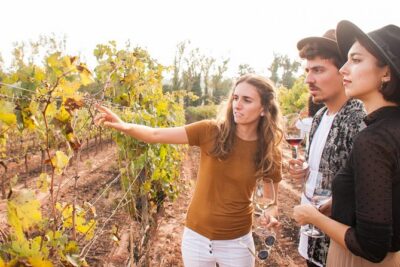
Montserrat & Cogwheel Train, Gourmet Wine Tasting & Tapas/Lunch
Read our review →
Barcelona Tapas and Wine Experience Small-Group Walking Tour
Read our review →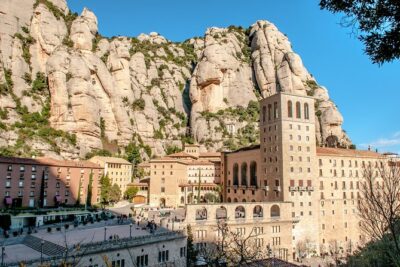
Montserrat with Black Madonna & Medieval Winery with Tapas/Lunch
Read our review →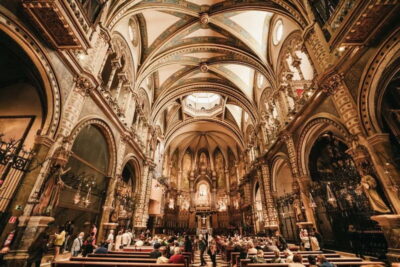
Montserrat and Winery Tour with Tapas or Lunch
Read our review →
Tapas Walking Tour with Food, Wine, and History
Read our review →
Sevilla Food Tour: Tapas, Wine, History & Traditions
Read our review →
Valencia Old Town Tour with Wine & Tapas in 11th Century Historic Monument
Read our review →
Toledo Tour & Vineyard Walk with Wine Tasting from Madrid
Read our review →Browse the lists this tour appears in