
Reviewed · HORSES
Jerez de la Frontera: Andalusian Horse Dance and Museums
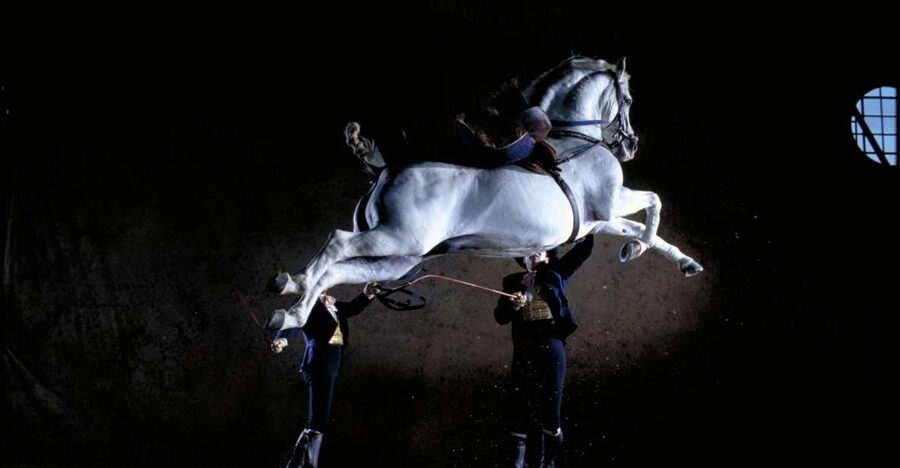
The star here is the 90-minute Andalusian horse ballet, where Spanish riders guide highly trained horses through piaffe, passage, Spanish walk, pirouettes, and leaps set to classical music. The horses move with striking control, but the show also reveals the bond between rider and animal.
I like two things in particular: you get more than a performance, and the setting gives the show proper context. The museums, palace grounds, saddlery, stables, and training areas show how this tradition was formed. The main drawback is timing. There is a lot to see before and after the show, and some seating can be uncomfortable, so arrive early and plan your visit rather than treating it as a quick stop.
I also like the practical value. At $38 per person, the ticket includes the show and several museum areas, making it a strong half-day outing for horse lovers and a worthwhile cultural stop even if you know little about dressage. The one thing to watch is the photography rule: cameras and video recording are listed as prohibited, so plan to enjoy the performance without relying on your phone.
Key points to know before you go
- The horses perform classical dressage and Haute École movements, including piaffe, passage, Spanish walk, levades, caprioles, and courbettes.
- The 90-minute show uses six to eight choreographies, with pieces such as Pas de Deux, Airs Above the Ground, The Colts, and Carriage Driving.
- Arrive early for the museums and training areas, since the show runs from noon to 1:30 PM and several exhibits close earlier.
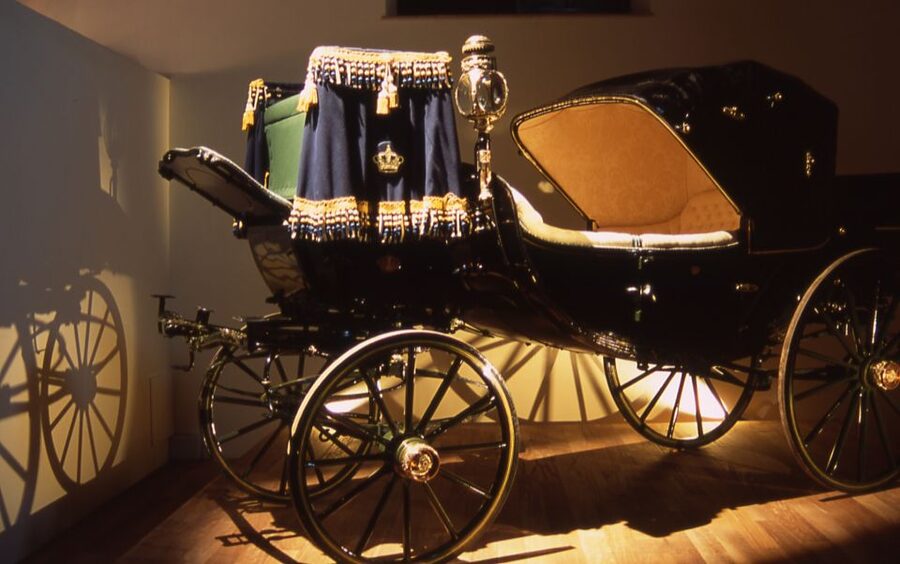
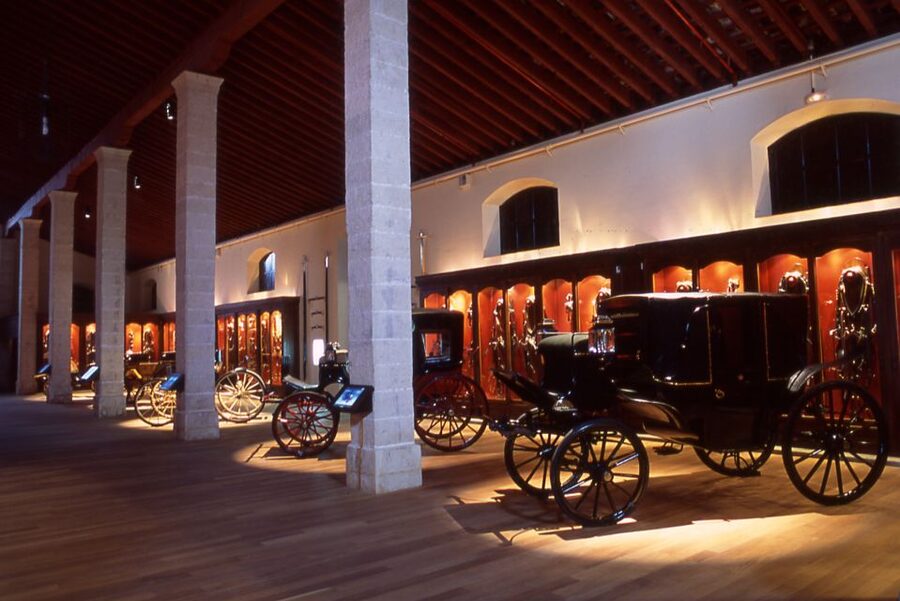
- The Carriage Museum is one of the strongest extras, with historic vehicles, harnesses, coachmen’s equipment, and equestrian clothing.
- The Palace and Saddlery are closed on Saturdays and public holidays, so check the calendar before booking.
- The venue is wheelchair accessible, but bring a passport or identity card and expect a no-camera policy.
Why the horse ballet is the main event
The Royal Andalusian School of Equestrian Art presents horses as athletes, working partners, and performers. That combination gives the show more substance than a simple animal display. You see careful training, precise riding, traditional costumes, music, and old working skills brought together in one arena.
The choreography draws from classical dressage, Doma Vaquera, and practical equestrian work. Doma Vaquera is the riding tradition associated with cattle work in Andalusia, so the performance carries a distinctly Spanish character. It is not simply a copy of the famous Lipizzaner shows in Vienna, even though both use formal dressage and highly trained horses.
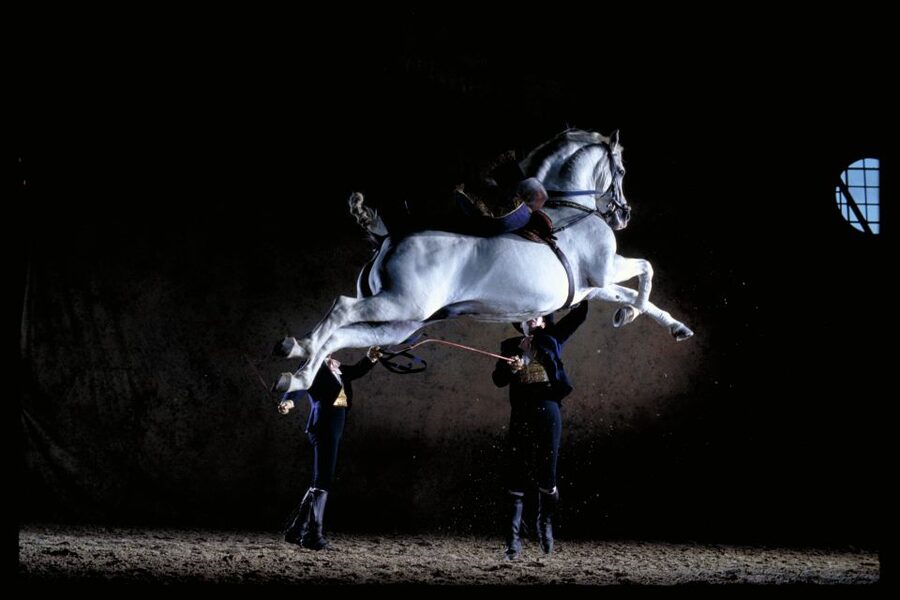
The program normally includes six to eight sections. The exact order can vary, but you might see young horses in The Colts, paired riders in Pas de Deux, and horses working in unison during group exercises. Passage and Piaffer focuses on controlled, elevated steps, while Airs Above the Ground features the dramatic movements that make classical Spanish riding so memorable.
Some of the most demanding work happens close to the ground. In piaffe, the horse trots almost in place. In passage, each step is lifted and held with measured rhythm. The Spanish walk extends the front legs in a deliberate, high-stepping motion. Levades, courbettes, and caprioles ask for more power and balance, and they are among the moments that bring the biggest visual impact.
You do not need to understand dressage terminology to enjoy the performance. I suggest watching the rider’s hands, posture, and timing. The best moments come when the horse appears to respond to the smallest cue, with no visible struggle or fuss.
More Horse Riding in Andalusia:
- Jerez de la Frontera: How the Andalusian Horses Dance
★ 4.6 · 6,168 reviews - Andalusian Horses Dance Show
★ 4.5 · 483 reviews - Cadiz: Andalusian Horses and Bulls Country Show
★ 4.6 · 189 reviews
Spanish music, formal costumes, and old riding traditions
The show is designed as a cultural performance, not a competition. Riders wear 18th-century style costumes, and the music gives each section a clear mood. The clothing, saddles, harnesses, and movements help place the horses within Andalusia’s riding culture.
The formal presentation can feel grand, but it is balanced by practical details. Carriage driving is included, showing vehicles that once served ordinary transport needs and now appear in exhibitions and sporting displays. Coachmen guide the horses with notable precision, and the harnesses become part of the visual spectacle.
This is also where the show differs from a modern horse event. There are no loud stunts designed only for shock value. The drama comes from balance, timing, power, and restraint. Some movements are spectacular, but the strongest impression is the control required to make them look easy.
The final group performance brings several horse and rider pairs together. Seeing them complete advanced exercises in unison gives the show a fitting finish and helps explain why the school has such a strong international reputation.
Arrive early for the palace, gardens, and film
The show begins at noon and lasts until 1:30 PM, but you should not arrive just before the performance. The full visit works best as a morning and early afternoon plan.
Entry is through the Visitor Reception Centre. There, an audio-visual presentation explains the development of equestrian art in Andalusia and the work of the school. It is scheduled until 11 AM, so check the available entry time and get there early if you want to see it.
The film is useful because it gives you basic context before the live performance. You see how the school developed and how horses are prepared for this level of work. Without that background, some of the riding can look like a series of beautiful tricks. With it, the show’s discipline and purpose are easier to appreciate.
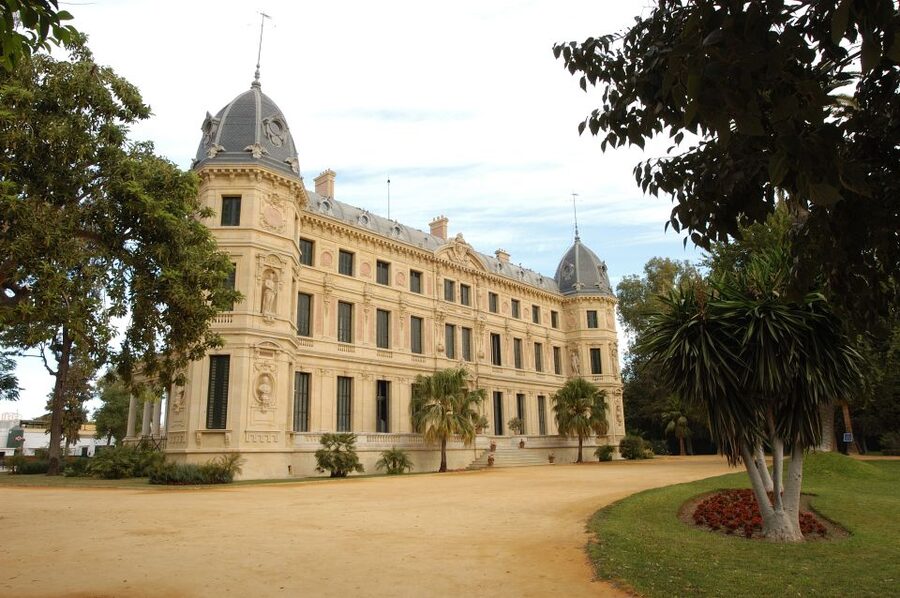
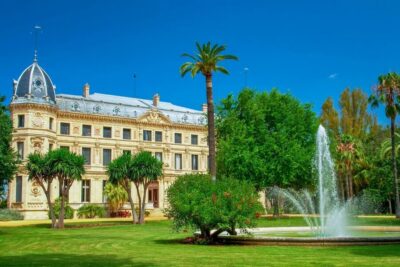
From the reception area, you can enter the gardens. The grounds include exotic plants and offer a calm setting before the busier performance period. The 19th-century Palace rises above the gardens and provides an architectural counterpoint to the riding school.
The Palace is included but is closed on Saturdays and public holidays. The same restriction applies to the Saddlery, where harnesses are made and repaired. If those areas are important to you, avoid building your visit around a day when they will be shut.
The Art Equestrian Museum explains the tradition
The Art Equestrian Museum is in the basement and contains 11 rooms. It traces the origins and development of equestrian art and explains the place of the horse in Andalusian culture.
I would allow enough time here rather than rushing through on the way to the arena. The exhibits help you recognize the difference between ordinary riding and the carefully controlled movements used in the show. Film clips and written material are available in English as well as Spanish, which makes the museum accessible even if you do not speak Spanish.
This museum is not only for serious riders. It covers the relationship between horses, riders, equipment, and the school itself. You will see why saddles, bridles, costumes, and training methods matter. For children, the live horses will probably be the main attraction, but the museum gives adults something useful to study before the performance.
The museum is open from 10 AM to 2 PM, so a late arrival or a long lunch can mean missing part of it. Plan to visit it before the show, then use any remaining time for the grounds and stable areas.
More Museum Tours in Andalusia:
- Madrid: Prado Museum Entry Ticket
★ 4.6 · 17,509 reviews - Barcelona: FC Barcelona Museum “Barça Immersive Tour” Ticket
★ 4.4 · 10,944 reviews - Madrid: Reina Sofía Museum Entrance Ticket
★ 4.5 · 6,889 reviews - Barcelona: Park Güell and Gaudí House Museum Entry Ticket
★ 4.5 · 6,326 reviews
The Carriage Museum adds a practical side to the visit
The Carriage Museum is open from 10 AM to 3 PM and forms the final part of the museum route. It contains carriages, harnesses, and equestrian costumes, showing how horses once worked in transport as well as ceremony and sport.
The vehicles are not just decorative objects. They show the engineering and social purpose behind horse-drawn travel. Look at how the harnesses distribute weight and how the coachman’s position relates to the horses and carriage. After seeing a driven carriage in the arena, the museum gives you a closer look at the equipment that makes the display possible.
Photography is a point of confusion for some visitors, but the stated rules prohibit cameras and video recording. Do not count on taking photographs inside the museums or during the show. The restriction can be frustrating when you see historic carriages and costumes, but it also keeps the visit quieter and more focused.
The museum closes at 3 PM, so do not leave it until the very end if you want to examine the collection carefully. A small snack bar and a shop are also available, though shopping and food options are limited compared with a full tourist attraction.
Training areas and stables can be as interesting as the show
One of the most appealing parts of the visit is seeing horses being groomed, warmed up, or schooled before the performance. The training areas give you a more ordinary view of the school. You see preparation rather than polished presentation.
This matters because the live show can make the work look effortless. In the training areas, you get a better sense of repetition, concentration, and care. You may see young equestrians working with horses, horses being prepared by their grooms, or animals moving through exercises before they enter the arena.
Access and routing can be less clear here than in the museums. Follow the signs carefully, and ask staff if you are unsure where to go. One practical route may direct you outside along the main street before you reach a museum or stable entrance, which can be confusing if you expect everything to connect internally.
The stable areas also make this a good choice for people who care about animal welfare and handling. You can observe the grooming and preparation at close range where permitted. Keep your movements calm, follow staff instructions, and remember that these are working horses preparing for a demanding performance.
What the venue is like during the performance
The arena has good views from the available seating, and some seating offers generous legroom. However, comfort may vary, and at least some seats have been described as hard or uncomfortable. If you have back problems or need extra support, this is worth considering before you book.
The venue itself is traditional and attractive, with the palace and gardens adding atmosphere. It is not a sleek modern theater, and that is part of its appeal. The formal architecture and Spanish music fit the subject better than a generic entertainment hall would.
Summer heat is another practical issue. Jerez can be very hot, and the horses and riders perform despite high temperatures. Bring water for before and after the show, and use the snack bar for a break if needed. At one performance, riders even stopped at the snack bar afterward to rehydrate, a reminder that the conditions can be demanding.
The show is suitable for families, including young children who can sit through 90 minutes of visual action. Very young children may not care about the museum text, but the horses, music, carriages, and costumes provide plenty to hold their attention.
Getting there from Jerez, Seville, or Cádiz
The Royal Andalusian School is easy to reach by taxi from Jerez train station, with the ride taking about 10 minutes according to the supplied directions. You can also walk from central Jerez, though the journey may take about 25 minutes depending on your starting point.
If you are coming from Seville, the train makes a day trip possible. Buy return tickets ahead of time, especially on a performance day. Trains can sell out, and waiting several hours for a later departure would be an unpleasant end to an otherwise excellent visit.
From Cádiz port, a taxi journey takes about 30 minutes, making the experience possible during a cruise stop if your schedule allows enough time. Parking around the venue can be difficult, and fines apply on surrounding streets, so a taxi is often the less stressful choice.
On arrival, go to the ticket office and exchange your booking confirmation for the entry ticket. Bring your passport or identity card. Staff are described as multilingual and helpful, but clear signage may not cover every route between the show, stables, and museums.
Is $38 a good price for this experience?
At $38 per person, the value depends on how much of the site you see. If you arrive only for the horse ballet, you are paying mainly for a 90-minute performance. If you arrive in the morning and visit the film, gardens, Palace, Saddlery, Art Equestrian Museum, training areas, and Carriage Museum, the same ticket becomes a well-filled half-day outing.
For horse lovers, the price is easy to justify. You get the live show plus access to the equipment, vehicles, costumes, and institutional history behind it. The cost also compares well with paying separately for a major performance and a museum visit.
For a casual visitor, the decision depends on your interest in equestrian culture. The horses are beautiful, and the choreography is easy to watch, but the museum sections are more rewarding if you enjoy historic transport, traditional costume, or animal training.
The main value comes from the combination. The show gives you the spectacle, while the museums and training areas explain the work behind it. I would not rush in for the performance alone unless your schedule is tight.
Who should book this Jerez experience?
Book it if you love horses, dressage, historic carriages, or Spanish traditions. It is especially good for anyone who wants an attraction that feels tied to Andalusia rather than a standard sightseeing stop.
Families can enjoy the visual performance, and the grounds provide room to break up the museum visit. First-time visitors to Jerez will also get a useful introduction to one of the city’s most distinctive cultural institutions.
You may want to skip it if you dislike formal performances, have no interest in horses, or need guaranteed comfortable seating. Also think twice about a Saturday or public holiday if the Palace and Saddlery are high on your list, since both are closed then.
Should you book the Andalusian Horse Dance and Museums?
I would book this experience, especially if you can arrive before 10 AM and stay through the museum route. The horses and riders are the clear highlight, but the Carriage Museum, training areas, palace grounds, and equestrian exhibits turn the visit into a fuller picture of Andalusia’s riding culture.
Book ahead for the return train if you are visiting from Seville, avoid relying on photography, and allow extra time to find the stables and museum entrances. With those small plans in place, $38 buys you one of Jerez’s most memorable cultural experiences.
FAQ
How long does the experience last?
The stated duration is 3.5 hours. The horse show itself runs from 12 PM to 1:30 PM, with museum and site visits taking place around the performance.
What does the ticket include?
It includes admission to the horse show, the audio-visual presentation, the Palace when open, the Saddlery when open, the Art Equestrian Museum, and the Carriage Museum.
Are the Palace and Saddlery open every day?
No. The Palace and Saddlery are closed on Saturdays and public holidays.
Can I take photographs or record the show?
The listed rules prohibit cameras and video recording. You should plan to attend without taking photographs or recording.
Is the experience wheelchair accessible?
Yes, the activity is listed as wheelchair accessible.
What should I bring?
Bring your passport or identity card. Pets, smoking, glass objects, weapons, sharp objects, cameras, and video recording are not allowed.
Recently added around Andalusia
- Guided tour of Baeza with entrance Baeza Cathedral★ 5.0 · 107 reviews
- Oil tourism in Pulpí Discover the World of EVOO★ 5.0 · 133 reviews
- Jaén 2.5-Hour Tour: Cathedral, Arabs Baths and Old City★ 4.7 · 135 reviews
- From Madrid: Gems of Andalusia 6-Day Sightseeing Tour★ 4.0 · 258 reviews
- Cadiz: Andalusian Horses and Bulls Country Show★ 4.6 · 189 reviews
- Estepona: Andalusian Flamenco Show Entry Ticket with Drink★ 4.5 · 236 reviews
- Jaén: 3-hour tour, Cathedral, Jewish Quarter and Arab Baths★ 4.8 · 211 reviews
- Málaga: Traditional Andalusian Tapas and Wine Tour★ 4.7 · 167 reviews
Horses, compared.
El Salobre: Horse Riding Adventure with Transfer Options
Read our review →
Montserrat Monastery & Horse Riding Experience from Barcelona
Read our review →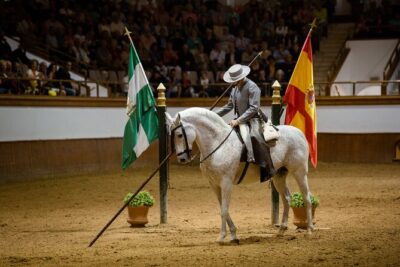
Browse the lists this tour appears in