
Reviewed · MUSEUMS
Guided Tour of the Factory + Anchovy Museum
Santoña’s anchovy trade comes to life here, from the auction sounds of the fish market to the hands-on work of packing fish into tins. The best part is the live factory visit, but it is available only on weekday mornings at 12:30 p.m., when production is running.
I like the museum’s unusual design, with its seabed setting, old fishing tools, and stranded ship. I also like the simple tasting: anchovies with wine, followed by Conservas Ana María products. The main catch is timing. If you visit outside the working calendar, you may see the museum but miss the people doing the actual production.
Key points to know before you go
- Weekday mornings matter: The live cannery visit is offered Monday through Friday at 12:30 p.m., subject to the factory’s working calendar.
- The tour is in Spanish: You receive a guided explanation, video, and live demonstration, but no English language service is listed.
- The museum uses all five senses: Expect fish-market sounds, historic tools, maritime imagery, smells, tasting, and objects you can touch.
- The tasting is small but useful: An anchovy and wine pintxo gives you a quick taste of the finished product.
- The price is low: At $8 per person, the visit offers a good look at a local trade without taking much of your day.
- Buy directly at the end: The factory shop gives you a chance to take home anchovies, bonito, and other canned products.
Why Santoña’s anchovy story belongs in your itinerary
Santoña is closely tied to anchovies from the Cantabrian Sea, and this visit explains the trade in practical terms. You are not just looking at jars behind glass. You follow the fish from the sea and auction process through preparation and preservation.
That makes the tour useful even if you know little about canned fish. A tin of anchovies can look simple on a shop shelf, yet the visit shows the work packed into it. Fishing, sorting, cleaning, salting, arranging, and sealing all matter. The craftswoman’s demonstration helps you see why these products cost more than ordinary supermarket tins.
I would allow about an hour around the experience, although the activity information gives a duration of 45 minutes. The museum description also says the guided visit lasts approximately one hour. Treat the schedule as a short visit, but leave a little spare time if you have another appointment afterward.
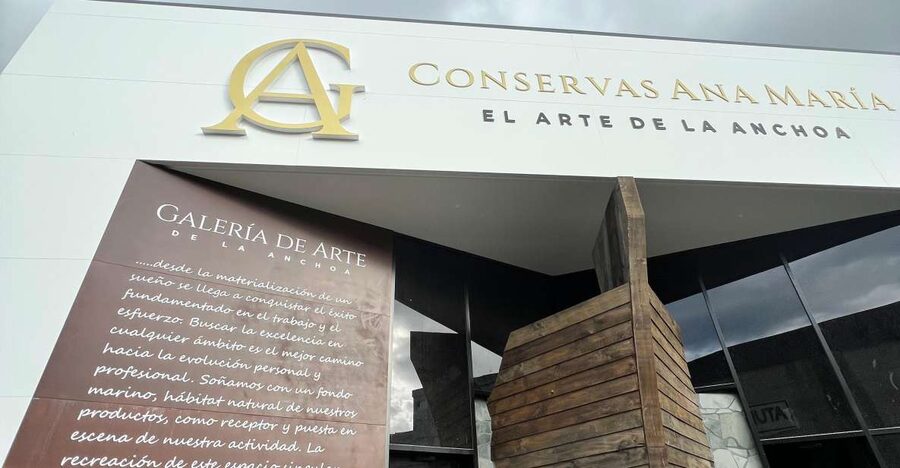
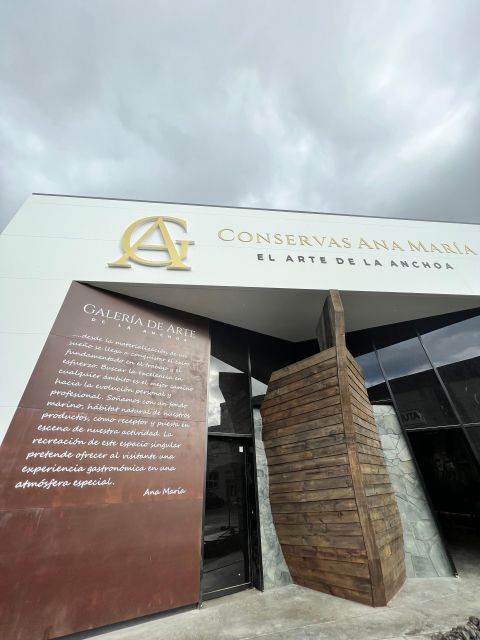
The meeting point is C. Baldomero Villegas, 38, at the entrance to the Ana María Canned Food Anchovy Art Gallery. One practical detail matters here: the street number may not be clearly displayed. Give yourself a few extra minutes to find the entrance, especially if you are arriving for the 12:30 p.m. factory visit.
More Museum Tours in Cantabria & Asturias:
- From Santander: Santillana del Mar & Altamira Museum Tour
★ 4.9 · 114 reviews - Madrid: Prado Museum Entry Ticket
★ 4.6 · 17,509 reviews - Barcelona: FC Barcelona Museum “Barça Immersive Tour” Ticket
★ 4.4 · 10,944 reviews
The factory visit at 12:30 p.m.
The factory portion is the reason to choose the morning time. From Monday to Friday, when the artisans are working, you can watch the anchovy or bonito production process as it happens.
This is not a staged demonstration separate from the workplace. The point is to observe live production and hear an explanation of the full process. You get a better sense of the physical work involved, including the care needed before the fish reaches its jar or tin.
The factory visit is also where Spanish language ability matters most. The guide explains what you are seeing, and the information provided does not list an English option. If you do not speak Spanish, you can still watch the work, but the finer points may be hard to follow. One Dutch-speaking visitor specifically found the language difficult, so I would not book this as an English-language tour.
The schedule has a firm limitation. The live visit is not offered simply because you arrive in the morning. It depends on the factory’s working calendar. The advertised time is 12:30 p.m., Monday through Friday, and the artisans must be working that day.
If watching production is your priority, check the available date and time before paying. A weekend visit, an afternoon visit, or a day without production may focus on the gallery and tasting instead.
Entering the Santoña Anchovy Museum
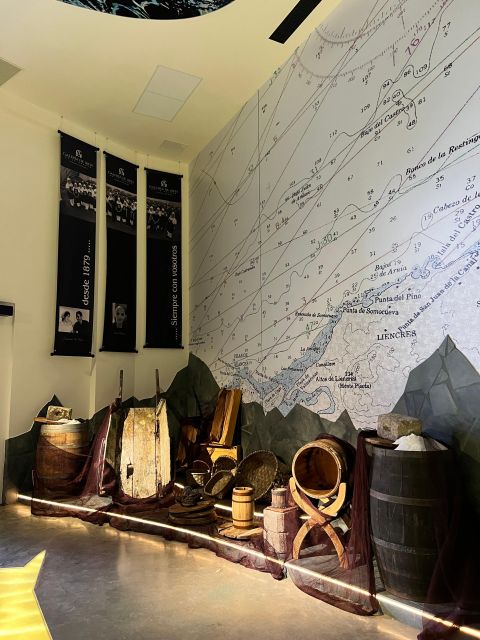
After the factory, you head to the Ana María Anchovy Art Gallery, also known as the Santoña Anchovy Museum. The building is designed to suggest the seabed, which gives the visit a playful setting rather than the feel of a standard industrial museum.
A stranded ship forms part of the display. You can explore the wreck-like setting while learning about the sea and the local fishing trade. The museum aims to involve more than your eyes. You hear sounds, see old equipment, smell the setting, taste anchovies, and touch parts of the exhibition.
That sensory approach makes this a good stop for families and for anyone who prefers an active museum visit. It also gives the tour a clear local identity. Instead of presenting canned food as a generic industry, the gallery connects it to Santoña’s fish market, boats, tools, and working traditions.
The setting may feel theatrical, but the objects provide useful context. You see utensils from the last century that were used in fishing and anchovy preservation. Those tools help bridge the gap between the old manual trade and the modern factory you have just visited.
The sound of the fish auction
The tour begins with the sound of an auction. Three sirens from the Santoña fish market signal that fish is about to be sold.
This is a small detail, but it gives the visit a strong opening. You hear the process before seeing its tools and products. The sound places the anchovy business in a working port rather than a quiet display room.
The auction also explains why timing and freshness matter. The factory work does not begin with a finished ingredient. It starts with fish being brought into a local system of selling, handling, and preserving.
You do not need specialist knowledge to follow the sequence. The guide connects the auction sound to the equipment and the production video that comes next.
A few more Cantabria & Asturias half-days worth comparing
- Santander: 1-Hour City Cruise Around the Bay
★ 4.4 · 579 reviews - From Oviedo: Covadonga, Cangas de Onís, and Lastres Tour
★ 4.6 · 475 reviews - From Gijón: Covadonga, Cangas de Onís, and Lastres Day Trip
★ 4.7 · 282 reviews - El Capricho Entrance Ticket
★ 4.7 · 242 reviews
From the sea to the jar
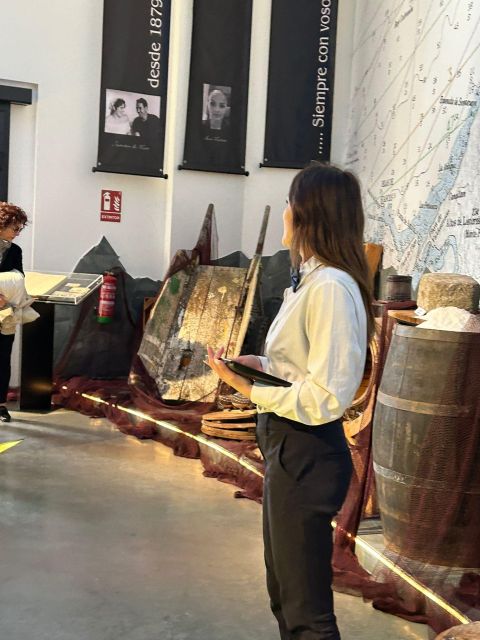
In the projection room, a video explains the route anchovies take from fishing at sea to preservation in a jar or can. This part is helpful if the factory machinery and Spanish explanations move too quickly for you.
The video gives you the complete process in one place. You can then compare what you have seen in the film with the real work on the factory floor. That combination is more useful than either part by itself.
The tour also covers bonito production, according to the included experience details. The focus remains on anchovies, but the broader view helps explain how a traditional cannery handles more than one fish product.
The word craft is important here. The visit presents canning as skilled work, not just a mechanical operation. That idea becomes clearer in the live demonstration of the octavillo.
Watching an octavillo take shape
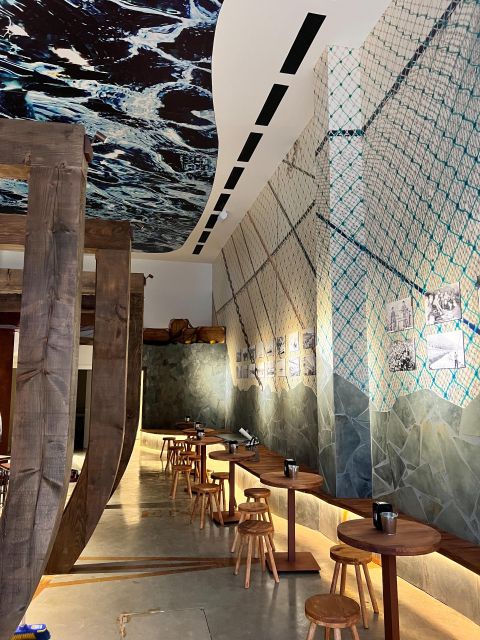
An octavillo is a tin container used to preserve anchovies. During the museum visit, a craftswoman shows you live how one is made.
This is likely to be one of the clearest moments in the tour because it puts a physical object in front of you. Instead of hearing that anchovies are packed carefully, you see the container and the method used to prepare it.
The demonstration also gives the factory visit a human focus. Machines and production lines can explain speed and scale, but the craftswoman shows the handwork behind the final product. For me, this is the part that best explains why a traditional anchovy preserve has its own character.
Because the tour is in Spanish, listen for the main steps and watch closely. Even without every spoken detail, the demonstration is visual enough to remain useful.
The anchovy and wine tasting
The experience ends with a tasting of Conservas Ana María anchovies. The included snack is an anchovy and wine pintxo, a small serving rather than a full meal.
That distinction matters. You should arrive having eaten if you need lunch. The tasting is meant to complete the visit and let you try the product, not replace a meal.
The brand has received national and international awards for Cantabrian anchovies in recent years. Awards do not tell you whether you will personally like the taste, but they do signal the company’s focus on quality and provide a reason to pay attention to the preparation you have just seen.
The wine adds a traditional local pairing and makes the tasting feel like part of the visit rather than a separate shop sample. If you enjoy salty, strongly flavored seafood, this will likely be the most satisfying finish. If anchovies are not your thing, the museum and factory explanation still carry the visit.
Shopping at the factory shop
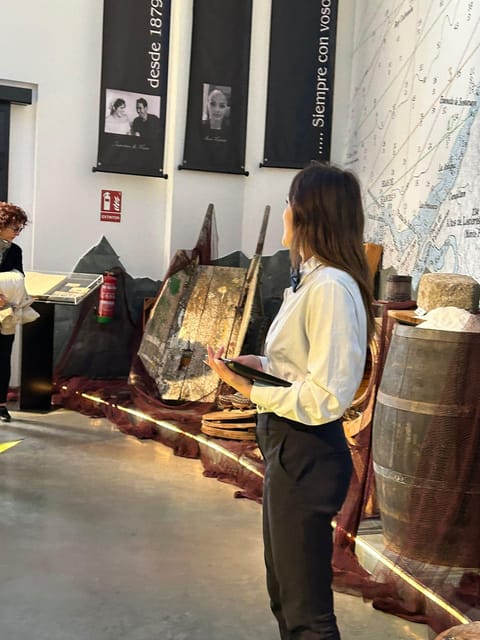
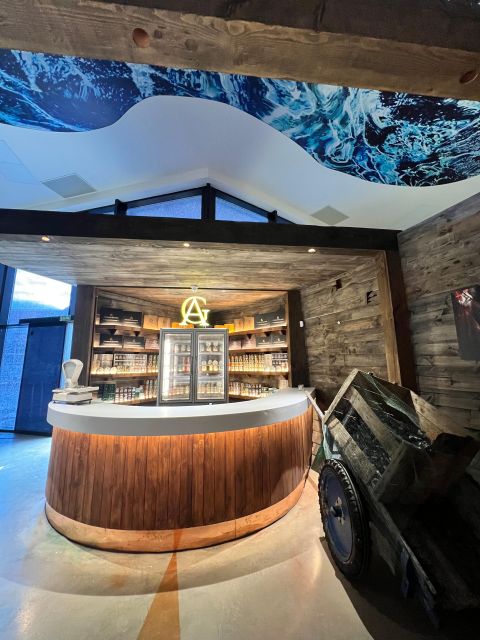
At the end, you can buy products at the establishment. The opportunity is practical because you have just seen how the food is made and tasted one of the company’s anchovies.
You may find anchovies, bonito, and other preserved products available for purchase, although the exact stock is not specified. Buying here also lets you choose a souvenir connected directly to Santoña’s food culture rather than a general gift-shop item.
I would wait until after the tour before buying. The explanation of the process gives you more context for comparing jars and tins, and the tasting helps you decide what suits your taste.
Remember that the visit itself is short. If your group spends time shopping, the total stop can run beyond the stated 45 minutes. That is not a problem, but it is worth knowing if you have a bus, meal, or later appointment.
Is $8 good value?
At $8 per person, this is a strong-value activity for a short cultural stop. The price includes the guided cannery explanation, the museum visit, the live production observation when available, the octavillo demonstration, and the anchovy and wine pintxo.
You are also paying for access to a working food tradition that is difficult to understand from a supermarket aisle. The factory adds value because it shows the process in real time, not only through displays.
The main limit is the language. An affordable tour in Spanish can be a good deal if you understand enough to follow a guide. If you need English narration, the value drops because the video and visual displays cannot fully replace spoken explanation.
The overall rating is 4.2 out of 5 from 114 ratings, which fits the experience as described: a well-liked, low-cost visit with friendly staff, but not a perfect choice for people who need English or who cannot make the weekday morning time.
Who should book this experience?
I would recommend it to food lovers, families, curious museum visitors, and anyone spending time in Santoña who wants more than a quick meal. It is especially good for people who enjoy seeing how regional products are made.
The tour also suits visitors who want a short activity. At 45 minutes to approximately one hour, it does not consume a full day. You can pair it with other time in Santoña, though the 12:30 p.m. factory slot needs to guide your schedule.
Spanish speakers will get the most from the explanations. People who do not speak Spanish can still enjoy the sounds, objects, video, production work, and tasting, but should understand that the live guide is Spanish-only.
The wheelchair-accessible format makes it a practical option for visitors who need an accessible attraction. The supplied information does not provide detailed access notes for every part of the building, so contact the provider if you need specific arrangements.
Should you book the Santoña anchovy tour?
Book it if you can attend Monday through Friday at 12:30 p.m. and want to see a real cannery at work. The combination of factory production, fish-market sounds, historic tools, octavillo making, and tasting gives you a clear picture of Santoña’s anchovy trade for only $8.
Skip it, or choose it mainly as a museum visit, if you need English explanations or can only visit outside the working schedule. Before setting out, confirm that production is running and look carefully for C. Baldomero Villegas, 38, since the street number may not be obvious.
For the right visitor, this is a compact and fairly priced taste of local food culture, with the factory timing being the one detail that can make or break the experience.
FAQ
Where does the tour begin?
The tour begins at C. Baldomero Villegas, 38, at the entrance to the Ana María Canned Food Anchovy Art Gallery, also known as the Santoña Anchovy Museum.
How long does the experience last?
The stated duration is 45 minutes. The museum description says the guided visit lasts approximately one hour, so allow a little extra time.
When can I see live anchovy production?
The live factory visit is available Monday through Friday at 12:30 p.m., subject to the factory’s working calendar and the artisans being at work.
Is the tour offered in English?
No English tour is listed. The live tour guide and explanations are in Spanish.
Is the experience wheelchair accessible?
Yes, the activity is listed as wheelchair accessible.
What is included in the price?
The experience includes a guided cannery tour, an explanation of the production process, observation of anchovy or bonito production when available, and an anchovy and wine pintxo.
Can I buy canned products after the tour?
Yes. You can purchase products at the establishment at the end of the visit.
Can I cancel for a full refund?
Yes. You can cancel up to 24 hours in advance for a full refund.
Recently added around Cantabria & Asturias
- El Capricho Entrance Ticket★ 4.7 · 242 reviews
- From Cangas de Onis: Lakes of Covadonga Guided Day Trip★ 4.4 · 111 reviews
- From Gijón: Covadonga, Cangas de Onís, and Lastres Day Trip★ 4.7 · 282 reviews
- From Oviedo: Luarca, Cudillero and Avilés Day Trip★ 4.7 · 154 reviews
- From Santander: Santillana del Mar & Altamira Museum Tour★ 4.9 · 114 reviews
- Santander: City Sightseeing Hop-On Hop-Off Bus Tour & Train★ 4.0 · 124 reviews
- Santander: Picos, Santo Toribio Monastery and Potes Day Tour★ 4.7 · 208 reviews
- OVIEDO SCARY! Legends and Mysteries Tour★ 5.0 · 186 reviews
Museums, compared.

FC Barcelona Museum “Barça Immersive Tour” Ticket
Read our review →
Park Güell and Gaudí House Museum Entry Ticket
Read our review →
Puro Flamenco Show with Optional Museum Ticket
Read our review →
Girona & Dali Museum Small Group Tour with Pick-up from Barcelona
Read our review →
Oceanogràfic, Hemisfèric & Science Museum Combo
Read our review →Browse the lists this tour appears in