
Reviewed · CITY TOURS
From Seville: Italica Roman City Tour
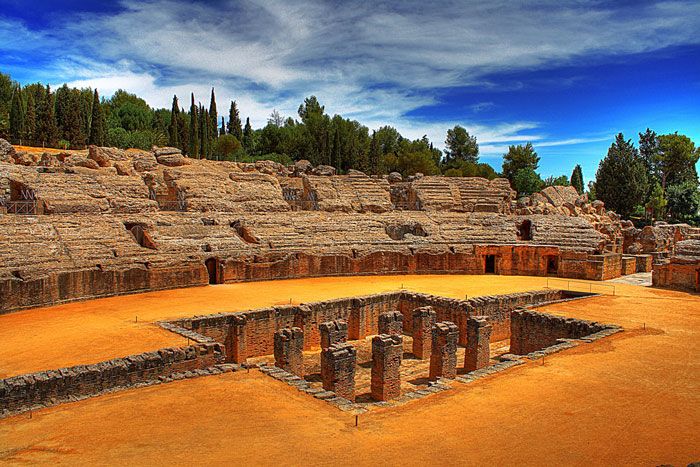
Italica’s great amphitheater is the star here: a 25,000-seat Roman arena where tunnels, passageways, and rising stone seats make ancient spectacle easy to picture. The site also gives you beautiful mosaics, broad old streets, public baths, and the birthplace of emperors Trajan and Hadrian, all just 15 minutes from Seville.
I like the included transport and the way a guide gives shape to ruins that can otherwise feel like scattered stones. I also like the strong guides this operator has used, including Alberto, Miguel, Jesus, and Jose Luis. The main drawback is that larger groups can make it hard to hear, and the guided pace leaves little time to wander alone.
Key points at a glance
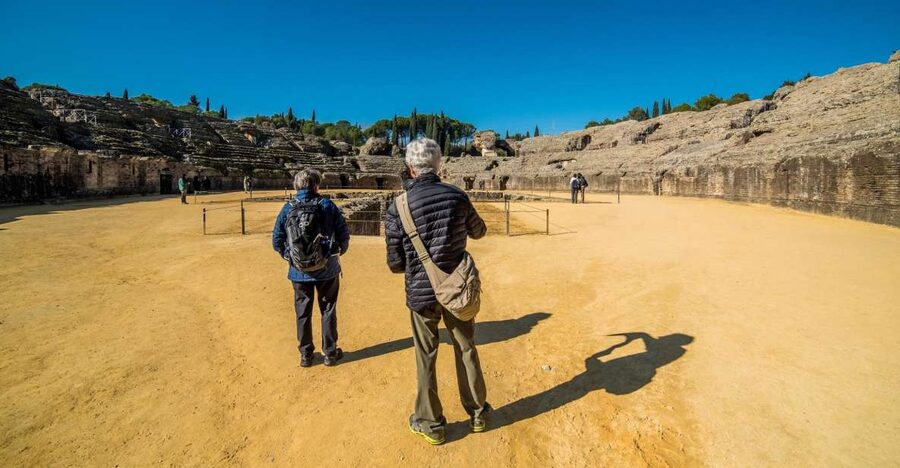
- A huge Roman amphitheater: See the third-largest amphitheater in the Roman Empire, with seating for about 25,000 people.
- Mosaics and private houses: Walk through Italica’s old residential quarter and view detailed floors that survived from Roman homes.
- Two historic sites in one outing: The main visit covers Italica, and some departures have also included the Roman theater and a monastery stop in Santiponce.
- Simple Seville pickup: Meet at Calle Rastro 12A at 9:45, Hotel Don Paco at 9:50, or Calle Trajano 6 at 10:00.
- A guide-led experience: Spanish and English tours are offered, with French, German, and Italian available by request.
- A fair half-day price: At $51 per person, transport, entrance, and a live guide are included.
Why Italica is worth leaving Seville for
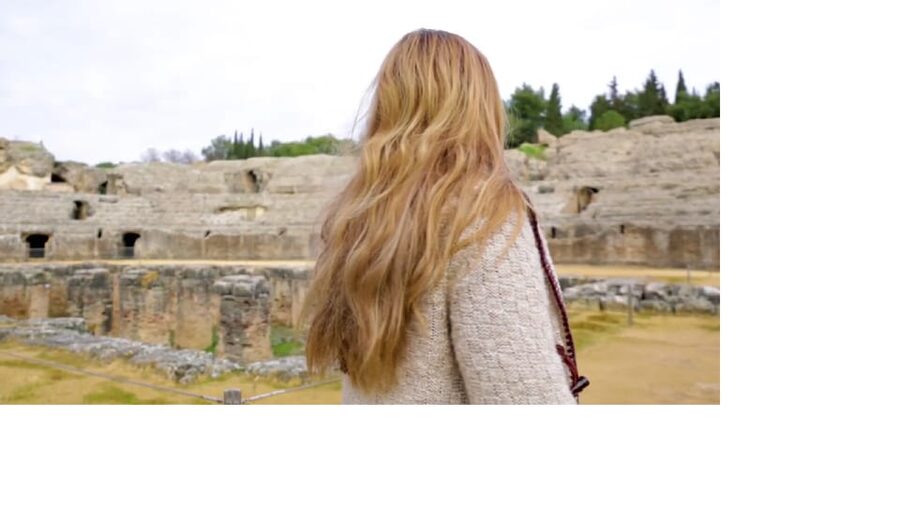
Seville can fill several days with palaces, churches, tapas, and orange-tree courtyards. Still, Italica adds something different: a chance to see Roman urban life in Spain without spending a full day on the road.
The settlement was founded in 206 B.C. by Publius Cornelius Scipio Africanus after Rome’s campaigns in Hispania. It later became associated with emperors Trajan and Hadrian, both born in Italica. That connection gives the ruins unusual weight. You are not simply looking at an old Roman outpost. You are walking through the city linked to two rulers who shaped the Roman world.
The visit is especially useful if you have already seen Seville Cathedral and the Royal Alcázar. Those monuments show later layers of Iberian history. Italica helps you understand the earlier Roman foundation beneath much of southern Spain.
I would not come expecting a fully restored city. Much of Italica remains low to the ground, and the open site requires imagination. That is exactly where a good guide helps. A Roman street plan, a mosaic floor, and a partly preserved building can seem modest at first. With dates, stories, and a sense of how people used each space, the remains become far easier to read.
More City Tours in Seville
- Seville: City Sightseeing Hop-On Hop-Off Bus Tour
★ 4.0 · 4,633 reviews - Seville: Highlights City Bike Tour
★ 4.8 · 2,168 reviews - City Sightseeing Seville Hop-On Hop-Off Bus Tour
★ 4.0 · 1,782 reviews
The 30-minute ride from central Seville
The tour begins at one of three central meeting points. Pickup is scheduled for 9:45 at Calle Rastro 12A, 9:50 at Hotel Don Paco on Plaza Padre Jerónimo de Córdoba, and 10:00 at Calle Trajano 6.
The exact meeting point matters, so check your booking details before setting out. The supplied information lists Calle Rastro 12A as the first pickup, Hotel Don Paco as the second, and Calle Trajano 6 as the third. Drop-off uses the same three locations.
The ride to Italica takes about 30 minutes. You travel by coach or van, and the transport is a real benefit in warm weather. You avoid arranging a separate bus connection, buying another ticket, and finding the archaeological entrance on your own.
The vehicle has generally been described as comfortable, though one practical complaint concerns pickup timing. Give yourself a few extra minutes at the meeting point, and keep your phone available in case the group is running late or the guide needs to identify you.
Walking the streets of the Archaeological Ensemble
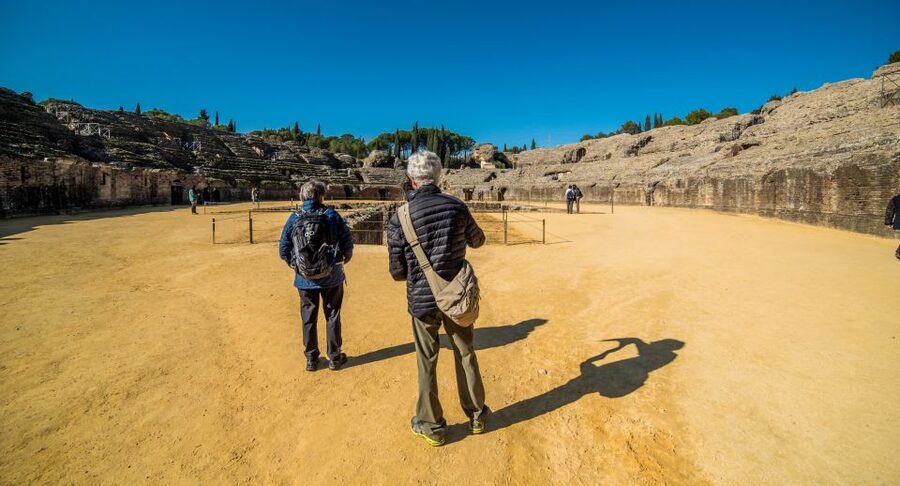
The main guided visit lasts about three hours, with the full outing taking four hours including transport. That is enough time to cover the major parts of Italica without turning the trip into a rushed photo stop.
You begin by walking through the ancient streets and viewing the remains of homes and public buildings. The scale of these roads helps explain that Italica was a planned Roman city, not just a military camp or isolated collection of monuments.
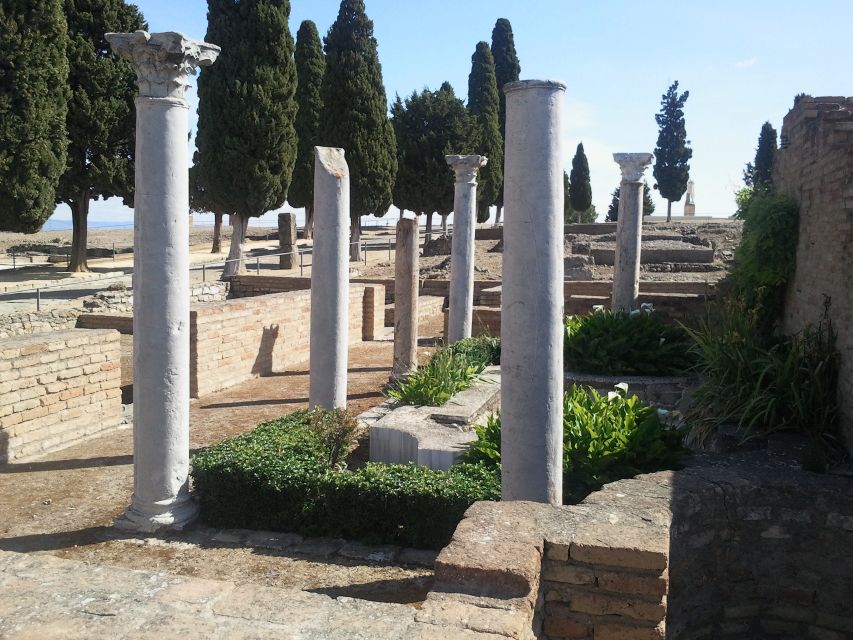
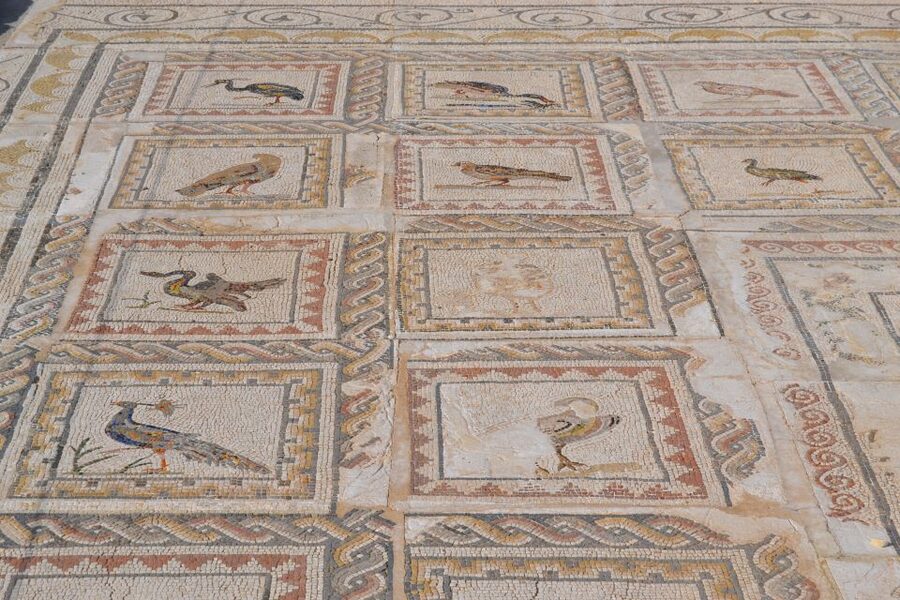
The houses are one of the best parts of the visit. Their walls are often incomplete, but the floors can be remarkably detailed. Geometric patterns and scenes made from small pieces of colored stone give you a direct look at the taste and wealth of Roman households.
The mosaics are also where the pace of the tour matters. A guide can point out the designs and explain where they fit in the home. If you want to study every pattern closely, you may wish for more free time. Several visitors found the guided visit informative but wished they could explore the ruins alone for longer.
You will also see statues associated with figures such as Diana, Venus, and Trajan, along with the remains of public baths. These details help balance the visit. Italica is not only about emperors and arenas. It was a lived-in city with homes, bathing facilities, worship, work, and public entertainment.
Entering the 25,000-seat amphitheater
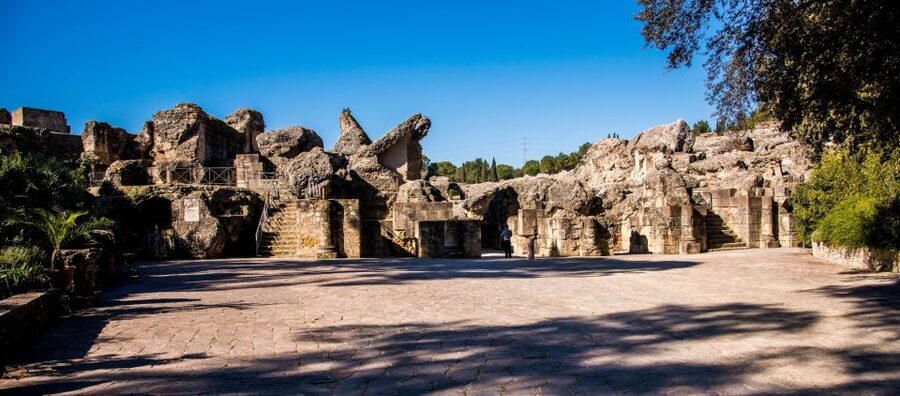
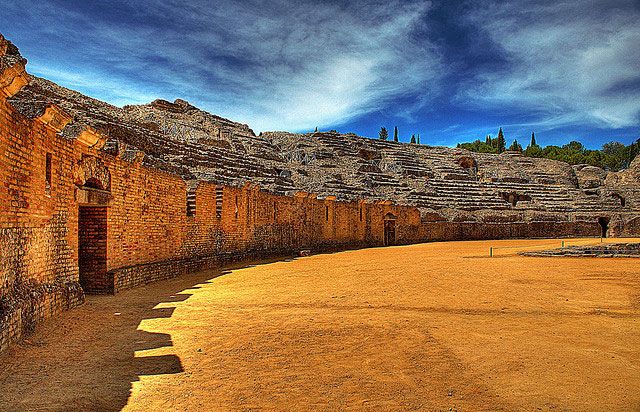
The amphitheater is the clear high point. With seating for about 25,000 people, it was the third-largest in the Roman Empire. Even in its ruined state, the oval structure gives you a strong sense of scale.
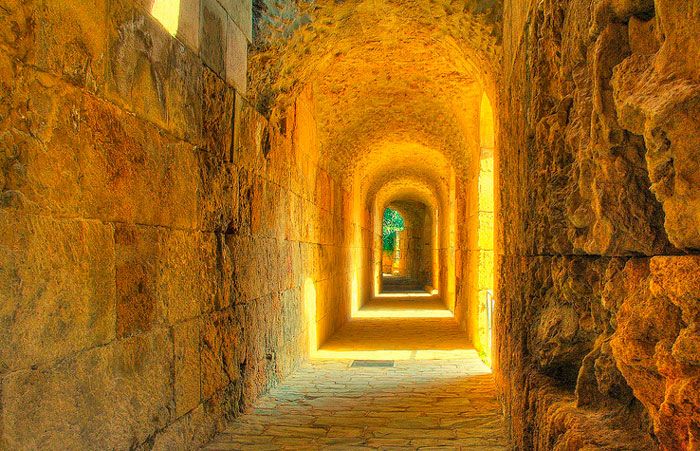
The guide usually explains how spectators entered, where they sat, and how the arena functioned. The underground tunnels beneath the seating are especially memorable because you can walk through parts of the working machinery below the arena floor.
That physical access makes the building easier to understand than a monument viewed only from outside. You can look up at the tiers, stand in the arena, and pass through the spaces once used to move people, animals, or equipment. The stories can be grim, but they make the amphitheater more than a dramatic photo backdrop.
A Game of Thrones connection has also drawn some people here, but I would treat that as an extra reason, not the main one. The Roman engineering and the size of the building are strong enough on their own.
Bring sun protection and water. The amphitheater and the wider site are exposed, and the walking portion takes place outdoors. The supplied information does not give a detailed accessibility plan, so anyone concerned about uneven ground or mobility should ask the operator before booking.
A few more Seville half-days worth comparing
- Seville: Royal Alcázar Entry Ticket
★ 4.6 · 28,378 reviews - Seville: Cathedral and La Giralda Entry Ticket
★ 4.5 · 24,592 reviews - Seville: Live Flamenco Dancing Show Ticket at the Theater
★ 4.7 · 16,396 reviews - Seville: Casa de la Memoria Flamenco Show
★ 4.8 · 12,964 reviews
The theater, baths, and Traianeum
The Roman theater in Santiponce is another important stop. It is partially reconstructed, which gives it a different feel from the amphitheater. Here, you can better picture the performance space and the role of theater in Roman public life.
The Traianeum adds another layer. This large religious complex was dedicated to the emperor Trajan, Italica’s most famous son. It is one of the places where the connection between the city and imperial power becomes clearest.
The public baths are less instantly dramatic than the amphitheater, but I consider them essential. Roman baths were social spaces as well as places to wash. Their remains show the practical side of city life, including the public systems that supported daily routines.
Some departures have also included a visit to a monastery in the second half of the outing. This has been a pleasant addition for many people, but it is not clearly listed among the core inclusions here. Since the order of visits can change, ask the local operator what your departure includes if the monastery matters to you.
How the guide shapes the experience
A guide is particularly valuable at Italica. Without one, you can see the mosaics and amphitheater, but you may miss how the buildings fit together and why the city mattered.
The strongest guide names associated with this experience include Alberto, Miguel, Jesus, Jose Luis, Sergio, Javier, Montse, and Nieves. The best accounts describe guides who mixed dates with anecdotes, answered questions clearly, and made Roman life easier to picture. Jose Luis, Jesus, Alberto, and Miguel received especially warm praise for combining humor with strong explanations.
Guide quality can vary, as it does on any group tour. One account described a pleasant and funny guide who provided less historical context than expected. A larger group can also make it hard to hear, particularly outdoors. Stay close to the guide, and if the group is crowded, position yourself near the front when explanations begin.
The tour may be conducted in two languages if needed. That helps the operator accommodate mixed groups, but it can add time to the explanations. If you want a strictly single-language experience, confirm the departure language before booking.
Group size, pace, and free time
The tour is structured, not independent. You move through the site with the guide, and the three-hour visit is designed to cover the main monuments in a logical order.
That format works well if you want context and a dependable schedule. It is less ideal if you enjoy sitting quietly beside a mosaic, photographing every angle, or reading each part of the site at your own pace.
The lack of free time is the main tradeoff. Some people found the outing well paced and not rushed, while others wanted longer to explore Italica instead of visiting an additional site. Think about your travel style before booking. If you prefer a clear explanation and a full overview, the guided format is useful. If you already know Roman archaeology and want slow independent access, a self-planned visit may suit you better.
Families can manage the trip. One family brought a four-year-old and a one-and-a-half-year-old and found the day workable. A stroller can help during sections where it is permitted, though it cannot be used everywhere. Expect outdoor walking and a site that is not designed like a modern museum.
What the $51 price includes
At $51 per person, the cost is reasonable if you value convenience. Your fee covers round-trip transport from central Seville, entrance to Italica, and an official tourist guide. You do not need to arrange separate transportation or stand in the regular ticket line.
The value is strongest for a first visit to Italica. The site is close to Seville, but the outing removes several small decisions from your day. You get there, receive an explanation of the ruins, and return to the city within four hours.
The price does not include unspecified extras. An optional lunch is available for €18, but you do not need to add it to make the archaeological visit worthwhile. Some past outings have included simple refreshments such as bread, cheese, and wine, but do not assume those are part of every departure.
The tour also offers free cancellation up to 24 hours before departure and a reserve-now, pay-later option. Those terms are useful if your Seville schedule is still moving, but check the conditions shown for your chosen date.
Best time and practical preparation
The activity is offered at set starting times, with the listed morning pickup beginning at 9:45. Check availability for the exact date because starting times can change.
Wear shoes suitable for outdoor walking. Bring water, sun protection, and a hat, especially in warmer months. The site is exposed, and there is no reason to carry more than you need.
If you want to take photographs, allow yourself a few moments between explanations, but do not expect long independent stops. The best approach is to listen during the major talks, then use short pauses for pictures.
If your main interest is the amphitheater, tell the guide or stay attentive near the start of that section. If mosaics matter most to you, keep an eye on the house interiors and residential streets rather than rushing toward the arena.
Who should book this Italica tour
I would choose this tour if I had a short stay in Seville, wanted Roman history without renting a car, or preferred to have the site explained in English or Spanish. It also suits families and anyone who finds archaeological ruins easier to enjoy with a clear narrative.
It is a good match for fans of Roman architecture, ancient theaters, mosaics, and the wider history of Hispania. The nearby location means you are not giving up a full day of Seville sightseeing.
I would hesitate if you need a slow, private visit or dislike group pacing. The amphitheater is spectacular, but the site is broad and the schedule is fixed. Ask about group size, language arrangements, and any monastery stop before committing.
Should you book it?
Yes, if you want an efficient and well-explained half-day outside Seville. The amphitheater, underground passages, and mosaics make Italica worth seeing, while included transport keeps the outing simple.
Book with realistic expectations. You are getting a guided overview rather than unlimited time alone, and the quality of the day depends partly on the guide and group size. For most first-time visitors, the convenience, entrance fee, transport, and strong storytelling make $51 a fair deal.
FAQ
How long does the Italica tour take?
The complete activity lasts about four hours, including roughly 30 minutes of transport each way and about three hours at Italica and related sites.
Where does pickup take place in Seville?
Pickup is available at Calle Rastro 12A at 9:45, Hotel Don Paco at 9:50, and Calle Trajano 6 at 10:00.
Where does the tour return in Seville?
Drop-off is provided at Calle Trajano 6, Calle Rastro 12A, and Hotel Don Paco.
Is transportation included?
Yes. Round-trip coach or van transportation between central Seville and Italica is included.
Is the entrance ticket included?
Yes. Entrance to Italica is included, along with an official tourist guide.
What languages are available?
The regular guided languages are Spanish and English. French, German, and Italian tours can be arranged on request.
Is the Roman amphitheater included?
Yes. The guided visit includes Italica’s amphitheater, which had seating for about 25,000 people and was the third-largest in the Roman Empire.
Is lunch included?
No. An optional lunch is available for €18.
Can I cancel the booking?
You can cancel up to 24 hours in advance for a full refund. The activity also offers a reserve-now, pay-later option.
Recently added around Seville
- Seville: Alcázar Fast-Track Access with Guided Tour★ 4.2 · 432 reviews
- Seville: Small Group Jewish Quarter Tour with Tapas & Drinks★ 5.0 · 119 reviews
- Seville: Sunset Roof Top Walking Tour★ 4.5 · 122 reviews
- Seville: Small-Group Jewish Quarter Discovery Walking Tour★ 4.9 · 499 reviews
- Seville: VIP Exclusive Early Access Tour of The Alcazar★ 4.8 · 276 reviews
- Seville: Authentic and Romantic Horse-Drawn Carriage Ride★ 4.5 · 341 reviews
- Seville: Sunset and Evening Paddle Boarding Tour★ 4.8 · 355 reviews
- Seville: Tapas, Taverns and History Guided Walking Tour★ 4.9 · 515 reviews
City Tours, compared.
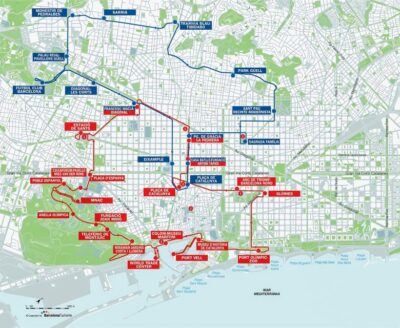

City Sightseeing Barcelona Hop-On Hop-Off Bus Tour: 24 or 48-Hour
Read our review →
Granada City Train 1 or 2-Day Hop-On Hop-Off Ticket
Read our review →
Barcelona City Tour Hop-On Hop-Off with Optional Boat
Read our review →Browse the lists this tour appears in