
Reviewed · CORDOBA TOURS
Cordoba: Equestrian Show General Entry
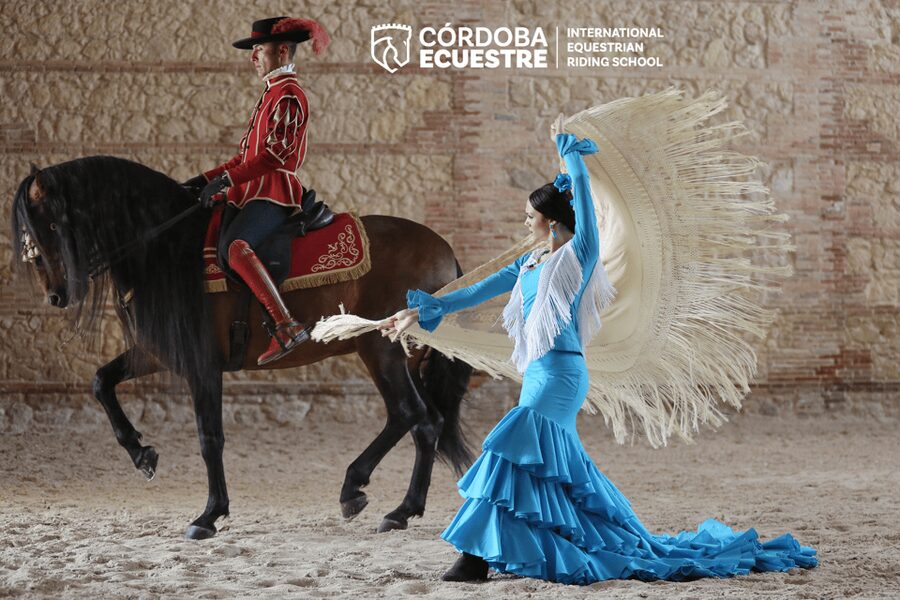
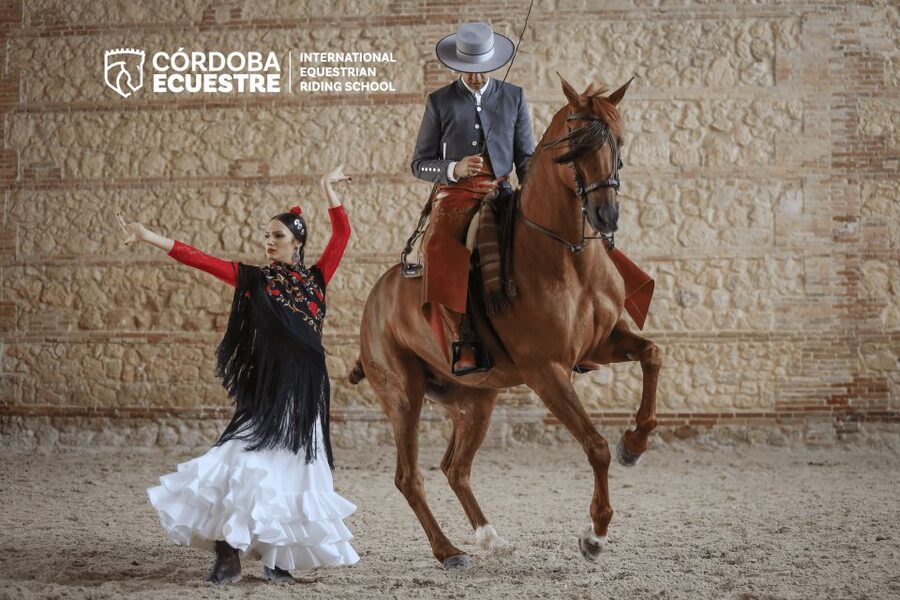
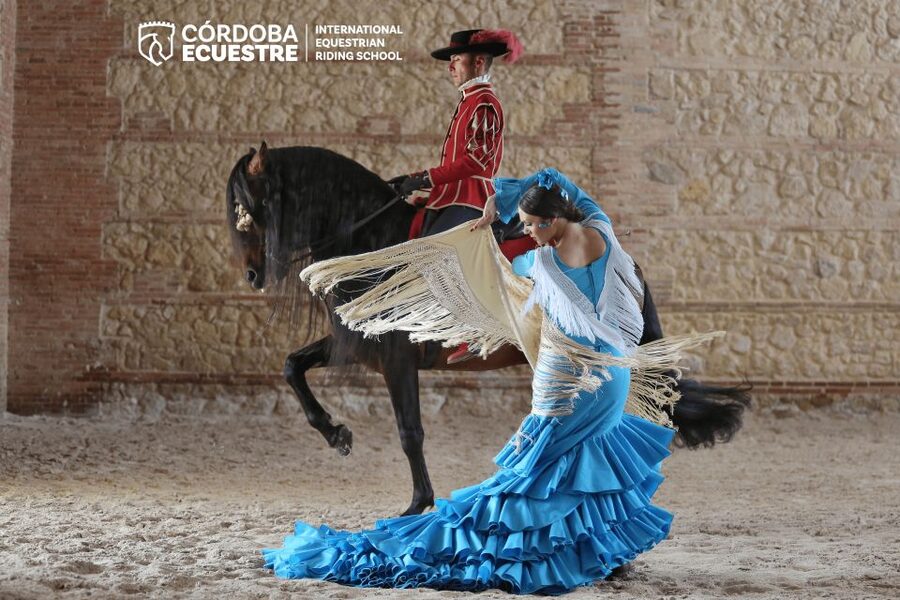
The finest part of this Córdoba experience is the meeting of Andalusian horsemanship and flamenco. In the Royal Stables, horses perform classical dressage, vaquera riding, and Alta Escuela movements while a flamenco dancer works alongside them. The setting gives the performance a real sense of place rather than making it feel like a generic arena show.
I like the close view of the horse and rider, and I like the way the flamenco dancer adds a second Spanish art form without taking attention away from the animals. The main drawback is practical: seats can be hard, some have no backs, and the entry line may be confusing for online tickets bought through a third party.
Key points to know before you book
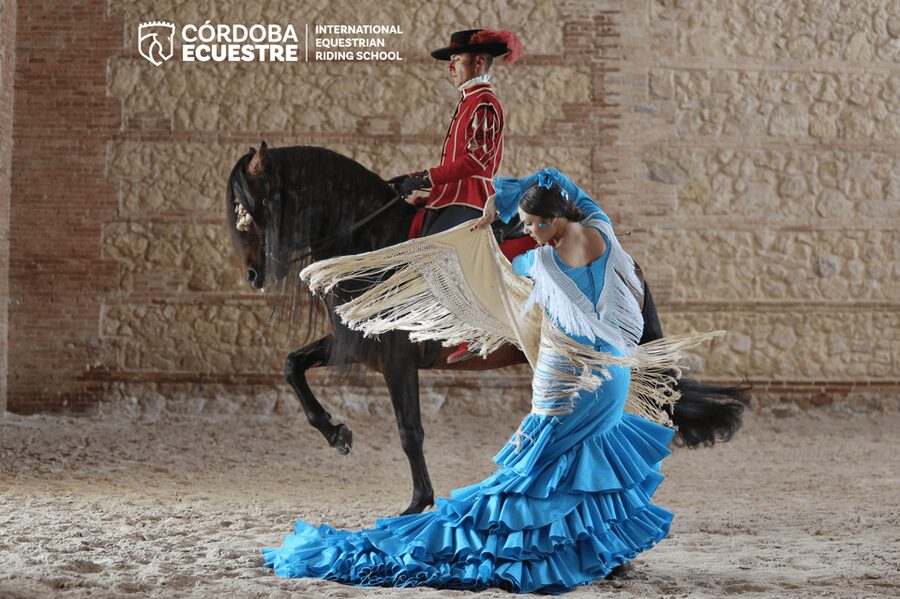
- Sixteenth-century setting: The show takes place inside Córdoba’s historic Royal Stables, created under King Philip II for royal equestrian purposes.
- Three riding traditions: Expect classical dressage, vaquera riding, and Alta Escuela, or high-school dressage.
- Flamenco partnership: A dancer performs with the horses and riders, adding music, movement, and local character.
- About 70 minutes: The show is long enough to feel substantial but short enough to fit neatly into an evening in Córdoba.
- General entry at about $21: This is a fair price for a specialized performance in one of the city’s most atmospheric buildings.
- No photography or video: Cameras, drinks, photography, and video recording are not allowed inside during the show.
Why this horse show feels distinctly Andalusian
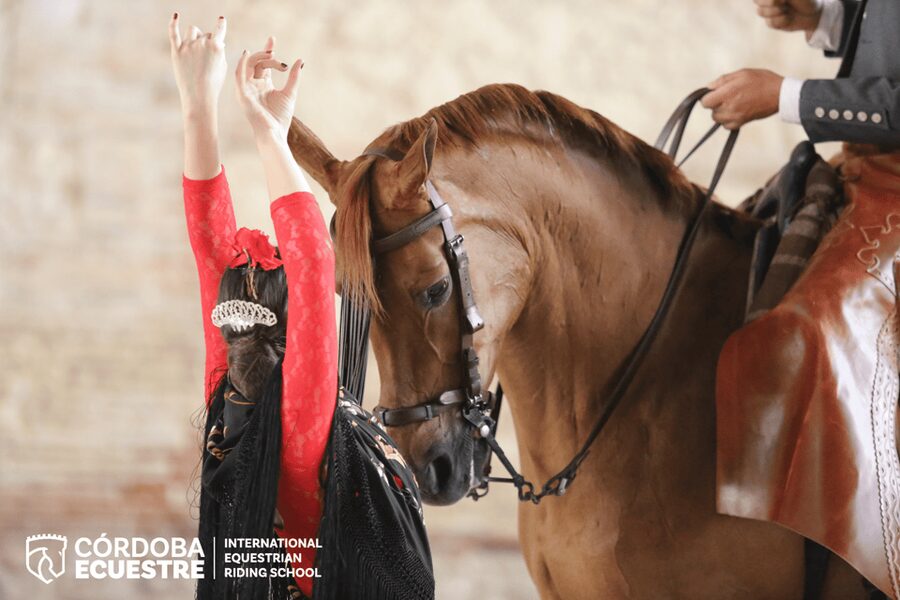
Córdoba gives you plenty of famous monuments, but this performance offers a different view of the region. Here, Andalusia is expressed through the horse, the rider’s posture, the controlled footwork, the music, and the flamenco dancer’s sharp rhythm.
The Andalusian horse is the star. These horses are known for their beauty, balance, and ability to carry themselves with a high, proud carriage. The show presents them performing movements that can look effortless from the seats. They turn, pause, step sideways, rear on command in some sections, and respond closely to the rider’s signals.
I especially like watching the rider’s hands and body position. The best moments are not just tricks. They are the quiet transitions, when the horse changes direction or pace with almost no visible cue. That close connection between animal and rider is what gives the performance its grace.
The flamenco element makes the evening feel more connected to Córdoba. A dancer accompanies the movements of the horses, creating a visual conversation between two forms of Spanish performance. At its best, the horse’s controlled steps and the dancer’s footwork appear to answer each other.
This is not a full flamenco concert, and it is not a traditional riding lesson. It is a staged equestrian performance that uses flamenco as a partner. If you want a focused demonstration of horsemanship with a strong Andalusian flavor, it hits the mark.
More horse shows in Cordoba:
- Equestrian Show Royal Stables of Córdoba
★ 4.0 · 241 reviews - Jerez: Royal Andalusian School of Equestrian Art Admission
★ 4.6 · 882 reviews - Fuengirola: Spanish Horse Show with Optional Dinner/Flamenco
★ 4.1 · 249 reviews
Entering Córdoba’s Royal Stables
The building is more than a backdrop. The Royal Stables were created in the sixteenth century, and the arched stone interior, warm lighting, and enclosed arena give the evening a ceremonial feel.
You enter a place designed for horses, not a modern theater. That matters. The low roof, stonework, and historic surroundings help explain why the show feels old-fashioned in the best sense. You are watching an art form in a building tied to the culture that produced it.
The seating area is arranged at one end of the arena, so the full performance area should remain visible from the audience. Several people found the view close and clear, even from regular seating. If your booking option includes a designated seat, that can be worth considering, especially if you care about your exact sightline.
The tradeoff is comfort. Some seats are simple stone or raised plinth-style benches, and several have no back. For a 70-minute show, this is manageable, but it is not theater seating. I would dress for an evening in an old stone building and avoid arriving expecting padded chairs.
What happens during the 70-minute performance
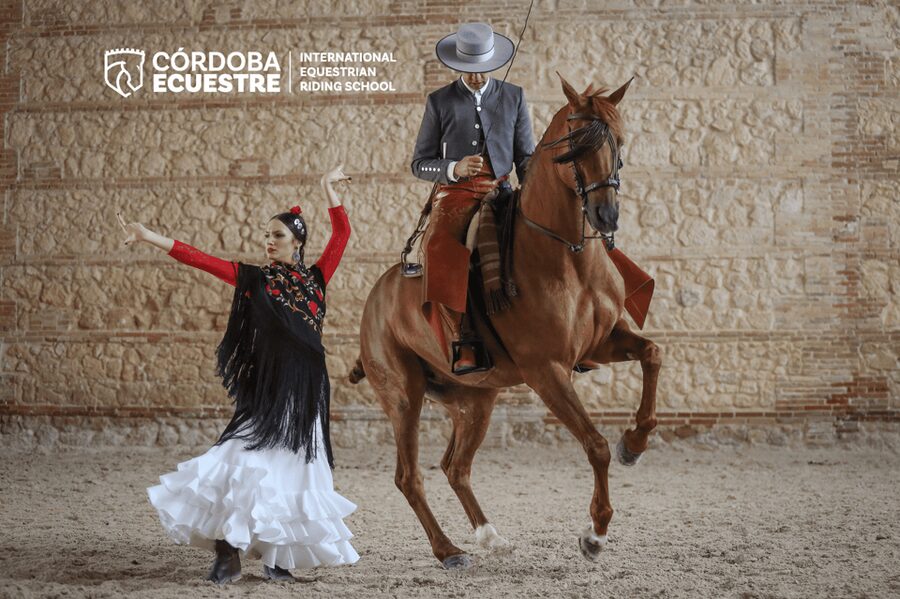
The exact order can vary, but you can expect a sequence of demonstrations built around different riding styles and horse-and-rider combinations.
Classical dressage
The classical dressage sections show the horses’ balance, obedience, and precision. The movements are controlled and formal, with the rider asking for changes in pace, direction, and posture.
This is the part horse riders are most likely to appreciate. From a distance, a horse making small, precise steps can look simple. In fact, the rider is managing timing, balance, and communication at every moment.
You do not need to understand dressage terminology to enjoy it. Watch for the moments when the horse seems to move as one unit with the rider. The quietness is part of the skill. There is no need for dramatic gestures when a small cue produces a clear response.
A few more Cordoba half-days worth comparing
- Córdoba: Skip-the-Ticket-Line Mosque-Cathedral Guided Tour
★ 4.6 · 9,634 reviews - Cordoba Mosque-Cathedral: Skip-the-Line Guided Tour
★ 4.7 · 6,610 reviews - Córdoba: Jewish Quarter, Mosque, and Alcázar Tour
★ 4.7 · 4,279 reviews - Cordoba: Mosque-Cathedral E-Ticket with Audio Guide
★ 4.1 · 2,124 reviews
Vaquera riding
Vaquera riding comes from the working traditions of Spanish cattle ranches. In the show, it brings a more practical and rugged style than the formal dressage sections.
This contrast helps the program keep moving. You see the horse not only as a finely trained performer, but also as an animal linked to Spanish rural life. Equipment, posture, and handling give this part a different character from the polished classical movements.
A featured section involving a horse and spear was a favorite for one audience member. It is the kind of traditional detail that adds cultural value, especially if you have already seen flamenco or visited Córdoba’s historic center and want another side of Andalusian identity.
Alta Escuela
Alta Escuela means high-school dressage. It is the more theatrical side of classical riding, with advanced movements that can look almost choreographed to music.
This is where the horses may appear to dance. You will see carefully trained steps and changes in position that depend on trust and close communication. The riders’ control is impressive, but the horses’ concentration is equally important.
The show works best when you pay attention to the relationship rather than waiting only for the biggest trick. The most memorable images often come from a horse standing calmly beside its rider, then moving into a precise sequence at just the right moment.
The flamenco sections
The flamenco dancer changes the mood of the performance. Instead of watching horse and rider alone, you see the dancer share the arena with them.
The dancer’s footwork, arm movements, and posture create a strong contrast with the horse’s flowing motion. One of the most striking combinations pairs a dancer with a moving Andalusian horse. It gives the show a theatrical center without turning it into a dance performance with horses added as decoration.
The music and movement also help first-time visitors understand the connection between Andalusian culture and equestrian tradition. You may not leave knowing the names of every riding movement, but you will understand that the horse is not an accessory. It is part of the region’s identity.
The horse-and-rider bond is the real attraction
The most praised part of the show is the apparent trust between the riders and horses. That bond is easy to see in the pauses, turns, and transitions.
I would watch the riders as closely as the horses. Their posture stays controlled, even when the movement becomes difficult. They guide without appearing forceful, and the horses respond with remarkable focus.
The program also presents moments designed for drama, including horses rearing or jumping on command. Most people will find these sections exciting. If you are sensitive to animal performances, you may feel less comfortable with that part, particularly when a horse appears nervous or uncertain.
That is worth considering before you buy. The show presents trained animals performing demanding movements, not horses simply walking through a stable. Many people find the care and control reassuring, but the more theatrical tricks may not suit everyone.
The horses are described by the experience provider as carefully trained and cared for, and the riders’ handling is a central part of the program. Still, the show does not appear to offer a detailed explanation of each horse’s training, care routine, or the professional background of the riders. If that information matters to you, you may find the performance less informative than a specialist equestrian demonstration with extended commentary.
Add the pre-show stable visit if it is offered
Some bookings or evening arrangements may provide the chance to visit the stables before the main performance or watch the horses training. This is a valuable extra because it changes your view of the show.
During training, you can see the horses outside the full theatrical presentation. You may get a better sense of their size, temperament, and individual character. It also gives you a chance to take photographs if photography is permitted in that training area, since photos and video are prohibited during the show itself.
Do not assume this extra is part of every general-entry ticket. Check the option you book and follow the instructions for that performance. If it is available, arrive early enough to use it rather than treating the show as a simple walk-in event.
This pre-show time may also answer some of the questions the performance itself leaves open. You can watch the horses work in a less formal setting, even if there is no personal presentation about their care or training.
Seats, queues, and getting the evening right
The venue is in Córdoba’s historic center, so it is best approached as part of a walking evening rather than a drive-up attraction. One practical approach is to park across the river and walk the short distance to the stables, instead of trying to find a space on the narrow streets near the venue.
Allow time for entry. Online tickets bought through a third party may require you to join a particular queue or exchange the booking for an admission ticket. One useful tip is to check which line is meant for online reservations. The right-hand queue has been used for these tickets, but follow the instructions you receive because arrangements can change.
If you arrive before the doors open, the tavern opposite the entrance can be a useful place to wait for a drink rather than standing in the heat. This is especially sensible during Córdoba’s warmer months. The queue can become long, and there may be little shade.
Seat allocation also depends on the booking option. Some tickets provide assigned seats, while other entry arrangements may work differently. Do not rush to claim a place unless your ticket tells you that you need to. If you are choosing between general and premium options, the higher-priced choice may offer a more clearly designated seat and a stronger view, but the basic ticket still gives access to the same central performance.
Is $21 good value?
At about $21 per person, this is one of the more reasonably priced evening performances in Córdoba. You are paying for a 70-minute production, trained horses and riders, flamenco, and admission to a historic building.
The value is strongest if you want something beyond the usual church, palace, and museum visits. Córdoba’s monuments explain the city’s past through architecture. This show gives you a living cultural performance connected to Andalusian riding traditions.
The price is less appealing if you are looking for a full educational tour. The audio guide is available free through an app, but the performance itself may not provide all the background you want about the horses, trainers, or riders.
I also would not pay extra simply for the word premium without checking what changes. The key benefit appears to be the seating arrangement and view. If comfort or a precise seat matters to you, it may be money well spent. If you mainly want to experience the horses and flamenco, general entry is likely enough.
Free cancellation up to 24 hours before the performance and reserve-now, pay-later booking can help if your Córdoba schedule is still moving. The activity is wheelchair accessible, though you should confirm the meeting point and seating details for your specific option.
Who will enjoy this most?
You should consider booking if you:
- Love horses or ride yourself
- Want a distinctly Andalusian evening activity
- Enjoy flamenco but do not need a full-length dance show
- Prefer a short, focused performance after a day of sightseeing
- Want to see Córdoba’s historic center in a different setting
- Are visiting with family members who may not want a long museum visit
Horse riders will notice details that casual spectators may miss, especially the precision of the dressage and the difficulty of the riders’ control. You do not need equestrian knowledge, though. The music, costumes, movement, and close seating make the show accessible to a general audience.
This may be less suitable if you dislike staged animal performances, need very comfortable seating, or want a detailed lecture on horse welfare and training. You should also remember that photography and video are not allowed during the show, so this is an experience to watch rather than record.
FAQ
How long does the Córdoba equestrian show last?
The performance lasts approximately 70 minutes.
Where does the show take place?
It takes place at the Caballerizas Reales, or Royal Stables, in Córdoba’s historic center. The building dates from the sixteenth century.
What types of riding are included?
The program combines classical dressage, vaquera riding, and Alta Escuela, also called high-school dressage.
Is flamenco part of the performance?
Yes. Flamenco is fused with the equestrian display, including a dancer who performs alongside the horses and riders.
Can I take photographs or record video?
No. Cameras, photography, drinks, and video recording are not allowed inside during the show.
Is the activity wheelchair accessible?
Yes, the activity is listed as wheelchair accessible. The meeting point may vary depending on the option booked, so check your booking details before arrival.
Should you book the Royal Stables show?
I would book it if you want a distinctly Spanish evening that combines beautiful horses, demanding riding, and flamenco in a historic Córdoba setting. At about $21, it offers good value, especially when you consider the specialized training and the unusual venue.
Choose general entry if you mainly want the performance. Consider a seating upgrade if a reserved place and better comfort matter to you. Arrive early, check the correct queue, and use any available pre-show stable visit. Leave your camera in your bag, settle into the simple seating, and watch the horse-and-rider communication closely. That is where this Córdoba experience earns its place on your itinerary.
Recently added around Cordoba
- Sights, Sounds, and Scents of Córdoba’s Patios★ 4.4 · 109 reviews
- Medina Azahara Guided Tour at Night★ 4.6 · 142 reviews
- From Malaga and Costa Del Sol: Cordoba Day Trip★ 4.6 · 212 reviews
- From Malaga: Cordoba Day Trip and Mosque-Cathedral★ 4.5 · 563 reviews
- From Costa del Sol & Malaga: Cordoba Guided Day Tour★ 4.1 · 231 reviews
- Cordoba: Half-Day Medina Azahara Guided Tour★ 4.6 · 288 reviews
- Cordóba: Gardens & Fortress of Catholic Monarchs Guided Tour★ 4.3 · 336 reviews
- Córdoba: Tablao Flamenco at Doble de Cepa with Optional Meal★ 4.4 · 197 reviews
Cordoba Tours, compared.
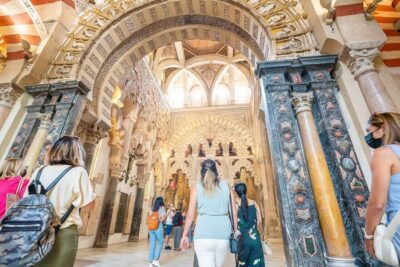
Skip-the-Ticket-Line Mosque-Cathedral Guided Tour
Read our review →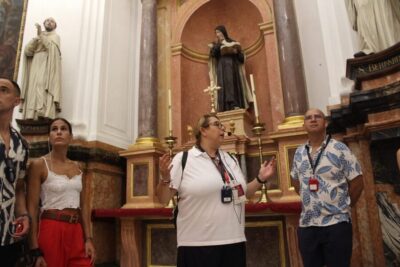
Cordoba Mosque-Cathedral: Skip-the-Line Guided Tour
Read our review →
Cordoba Mosque & Jewish Quarter Tour with Tickets
Read our review →
Skip-the-Line Great Mosque-Cathedral History Tour
Read our review →Browse the lists this tour appears in