
Reviewed · HISTORICAL TOURS
Barcelona: The Spanish Civil War Historical Walking Tour
Barcelona’s old town holds more than Roman walls, grand churches, and pretty squares. Behind that tourist facade are streets shaped by the Spanish Civil War, street fighting, political revolt, fascist bombing, and the long shadow of Franco’s 36-year dictatorship. This 2.5-hour history walk makes those layers visible.
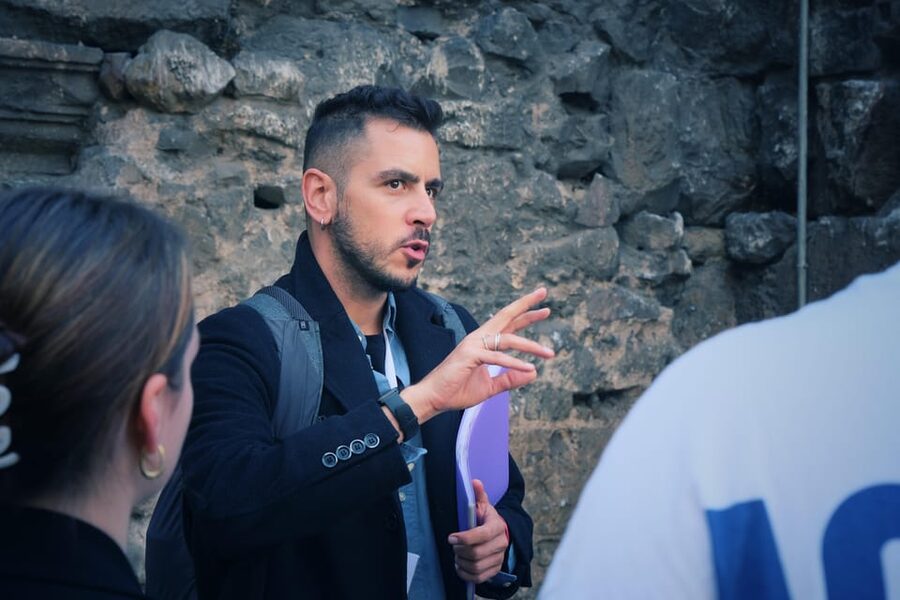
I like two things in particular: the guides turn a tangled subject into a clear story, and they use historic pictures to show what the streets looked like during the conflict. Guides such as Javier, Chrisa, Yannis, Henrieta, Filipa, and Evan are noted for explaining difficult material in plain English and making time for questions.
The main drawback is that this is a serious tour, not a light sightseeing stroll. You’ll spend much of the time standing while the guide talks, and the subject includes war, repression, political violence, and dictatorship. The tour runs rain or shine, so dress for the forecast.
Key points to know before booking
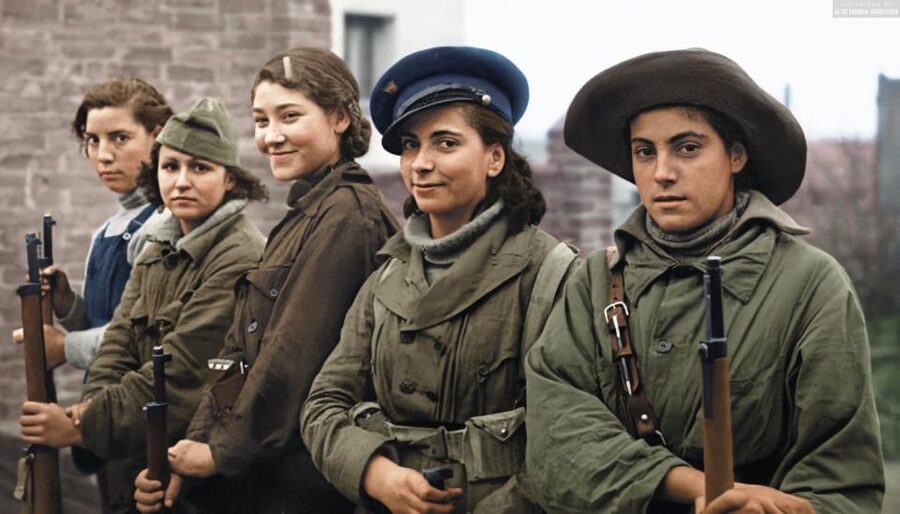
- Barcelona’s old town becomes the classroom: Walk streets where fighting, political unrest, and fascist bombing left physical and social scars.
- The rival factions finally make sense: The guide explains fascists, loyalists, anarchists, labor movements, and other forces without reducing the conflict to a simple two-sided war.
- George Orwell’s Barcelona comes into view: The route includes places connected with Homage to Catalonia.
- Historic images add real weight: Guides use pictures to compare the present-day streets with the city during wartime.
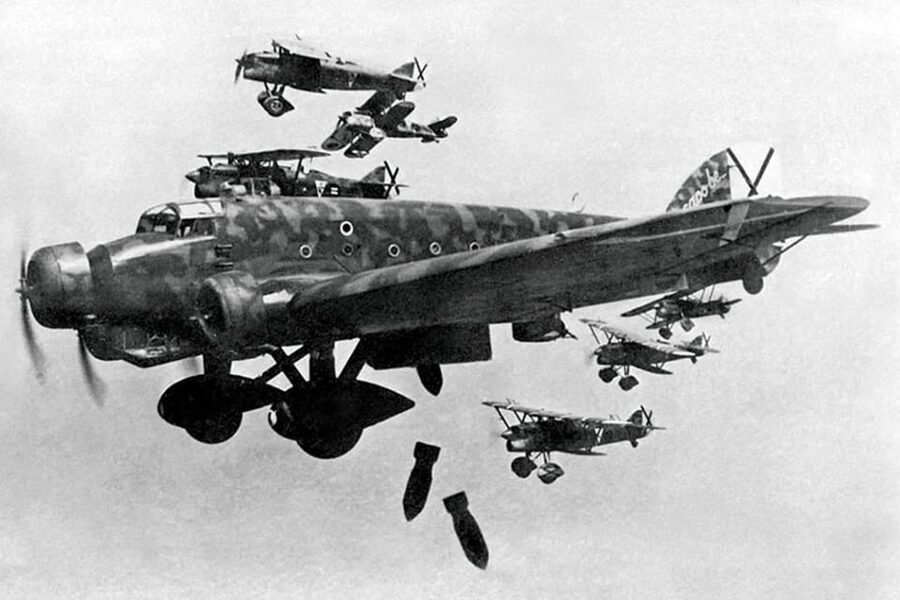
- The tour goes beyond the war itself: Expect discussion of Hitler, Mussolini, the International Brigades, the Catholic Church, the Western Allies, and Franco’s dictatorship.
- Comfort matters more than speed: You walk in short stretches, then stop to listen, but you remain on your feet for much of the 2.5 hours.
Why this history walk changes the way you see Barcelona
Many Barcelona tours focus on architecture, food, and Catalan identity. Those are important parts of the city, but they do not explain the political tension that shaped modern Spain. This walk adds the missing layer.
You begin with the forces that led Spain toward civil war. The guide sets out the competing political ideas and social pressures, then explains how those factions saw the future of the country. That groundwork matters because the conflict is easy to misunderstand if you hear only the labels: fascists, loyalists, anarchists, communists, socialists, labor unions, and other political groups.
The aim is not to make the war sound tidy. It was not. The value of the tour is that the guide keeps returning to who wanted what, which groups cooperated, where they differed, and how those differences affected ordinary people. Guides have been especially praised for making this complicated material accessible even to people who know little about Spanish history.
I would choose this tour early in a Barcelona visit if you want the city’s streets to make more sense. It can also work later in your stay, when you have already seen the Gothic Quarter and can recognize how much history sits behind its handsome facades.
More History Tours in Barcelona
- Barcelona: Tapas Walking Tour with Food, Wine, and History
★ 4.8 · 4,261 reviews - Barcelona Tapas Walking Tour: Food, Wine & History
★ 4.5 · 1,928 reviews - Barcelona: 2.5-Hour Bike or E-Bike Historical Tour
★ 4.5 · 1,262 reviews
From Plaça de Catalunya into the old town
The meeting point is on the sidewalk in front of the Foot Locker at Plaça de Catalunya. Look for the guide with a white umbrella. This is a busy central square, so allow enough time to find the exact spot rather than arriving at the last second.
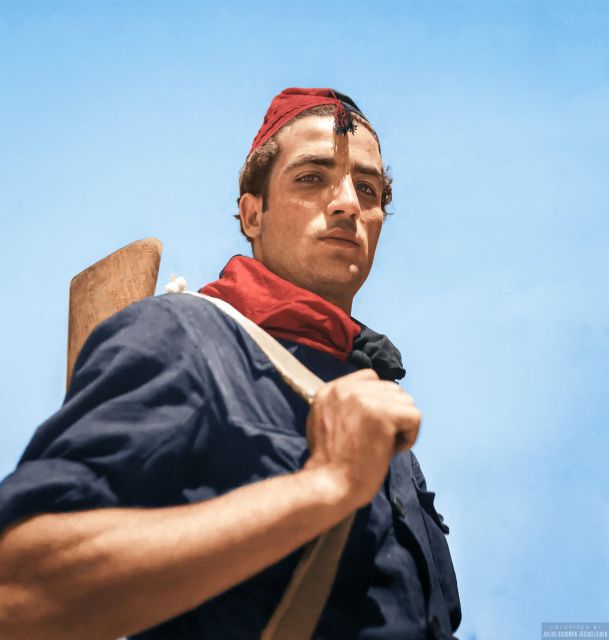
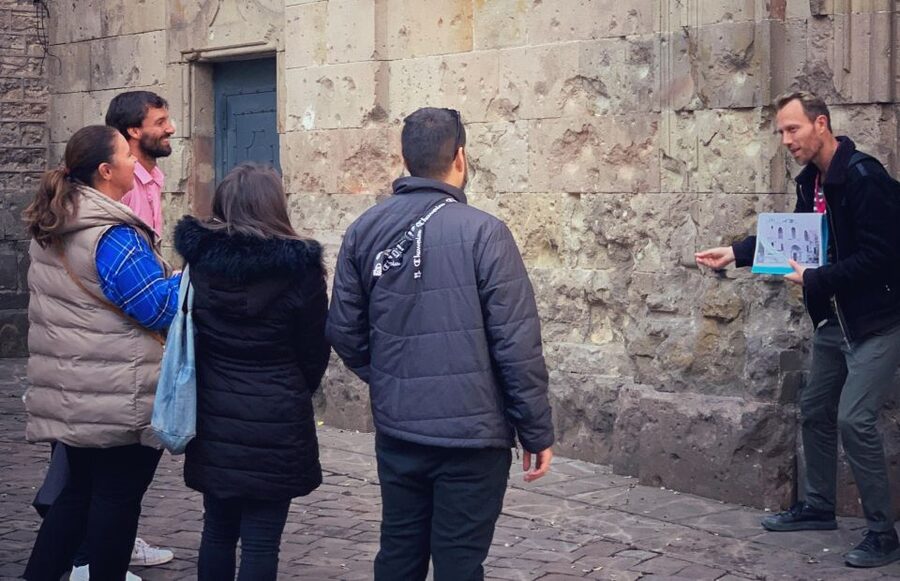
From there, the walk heads into the old town, where the subject becomes tied to real streets and buildings. The tour does not rely on a museum collection or a large memorial. Barcelona has relatively few official places devoted to presenting this period, so the city itself becomes the evidence.
That approach is one of the strongest reasons to book. You are not simply listening to a lecture in a room. You are standing in places where political conflict played out, then looking at images that show how the same spaces appeared during the war.
The walking pace is manageable. You do not march for two and a half hours. Instead, you move a short distance, stop while the guide explains a point, then continue. Still, standing is a bigger issue than distance. Wear comfortable shoes, but also consider support and clothing that keeps you comfortable while listening outdoors.
Making sense of the factions
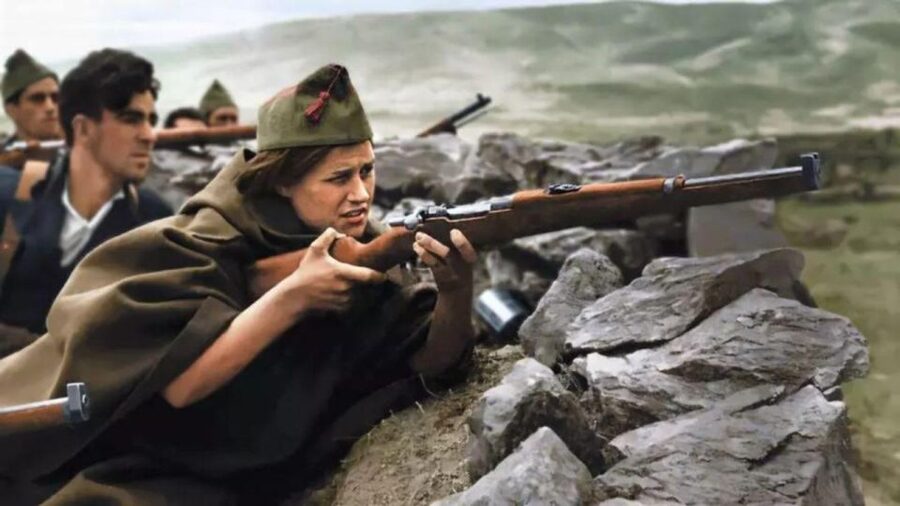
The hardest part of the Spanish Civil War is often the cast of political groups. A good guide must explain them without turning the tour into a list of names, and this is where guides such as Chrisa, Yannis, Javier, and Evan have received particular praise.
You will hear about fascist forces, the loyalist side, anarchists, labor unions, and other left-wing movements. The guide also explains the motivations behind these groups, rather than presenting them as interchangeable blocks. That distinction is important in Barcelona, where political disagreements were not just national arguments. They affected neighborhoods, workplaces, public life, and the way people understood freedom and authority.
If you already know the basic outline of the war, you will likely appreciate the extra attention to competing aims and internal divisions. If you arrive with no background, the guide may move quickly at times. One useful tip is to read a short introduction before you go. You do not need to become an expert, but knowing the basic names and sequence of events will give you more room to notice the local details.
The tour also looks at the years before the war. Industrialization in Barcelona and the growth of labor politics form part of the wider explanation. This helps connect political ideas to the lives of working people, instead of treating the war as a contest between famous men alone.
Orwell’s Barcelona, seen from the street
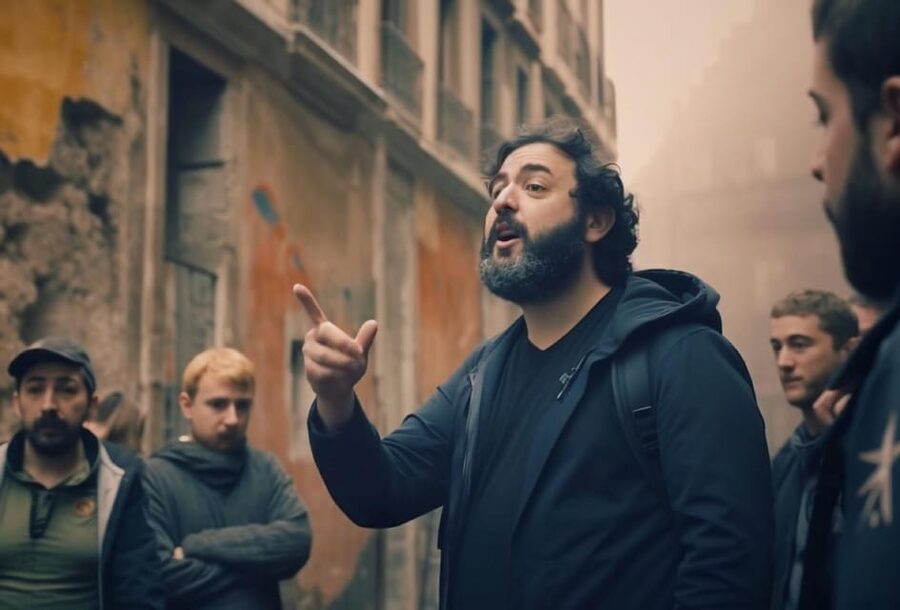
The route includes places George Orwell describes in Homage to Catalonia. That gives the walk a strong literary thread, but the tour is not simply an Orwell sightseeing exercise.
His account helps you picture Barcelona during a period when political divisions reached into daily life. The guide uses these locations to show how the city’s public spaces became tied to propaganda, fighting, control, and fear. Historic photographs make the comparison sharper. You see the present-day street, then learn how it looked and functioned during the conflict.
This is also where the tour moves beyond standard sightseeing. You may have already walked through these parts of the Gothic Quarter while admiring the stonework and narrow lanes. Now you get a second reading of the same places, one shaped by political struggle and memory.
The Orwell connection is especially useful if you have read Homage to Catalonia. If you have not, you can still follow the story, since the guide explains the locations and their importance. The book is a helpful extra, not a requirement.
More Walking Tours in Barcelona
- Barcelona Tapas and Wine Experience Small-Group Walking Tour
★ 5.0 · 5,804 reviews - Barcelona: Tapas Food Crawl Walking Tour with Tastings
★ 4.9 · 1,798 reviews - Barcelona: Gothic Quarter Ghosts and Legends Walking Tour
★ 4.7 · 1,443 reviews - Barcelona Helicopter, Sailboat & Old Town Private Walking Tour
★ 5.0 · 1,395 reviews
War, foreign powers, and the wider world
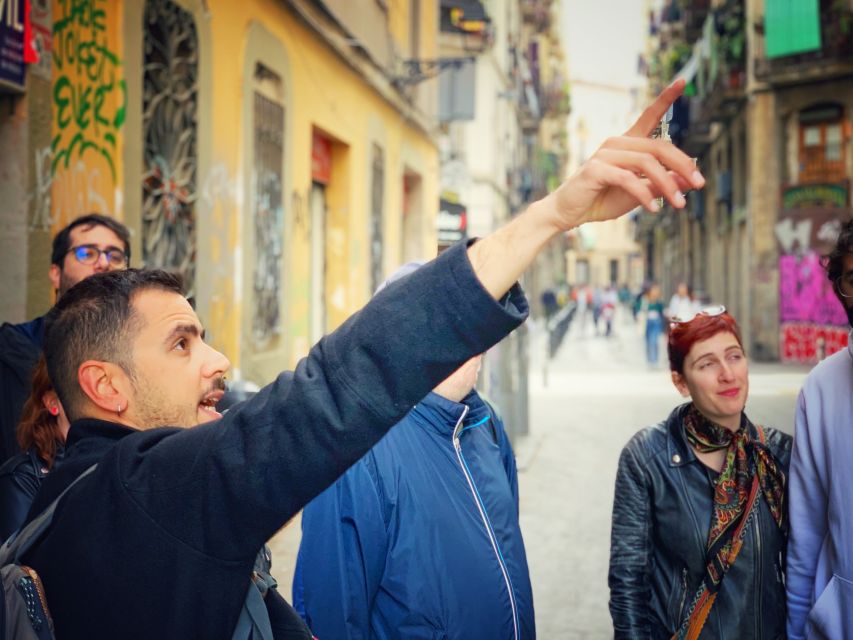
The walk places Barcelona’s experience inside the larger Spanish and European conflict. The guide addresses the role of Hitler and Mussolini, the International Brigades, and the response of the Western Allies.
These questions matter because Spain’s war was not an isolated domestic dispute. Foreign powers and international volunteers affected the course and meaning of the conflict. A street-level tour can easily become too local, but this one uses Barcelona as a way into the wider story.
The treatment also includes the Catholic Church and its role during the period. That is essential for understanding why the war and the dictatorship remained such charged subjects. The guide does not stop when the fighting ends. You continue into the dictatorship, its effect on Spanish society, and the way the country deals with that past now.
This broader frame is a major part of the value. You are not paying simply to see a few wartime locations. You are paying for a guided explanation of how local events connect to international politics, religion, social class, and the long afterlife of dictatorship.
The scars that remain after the fighting
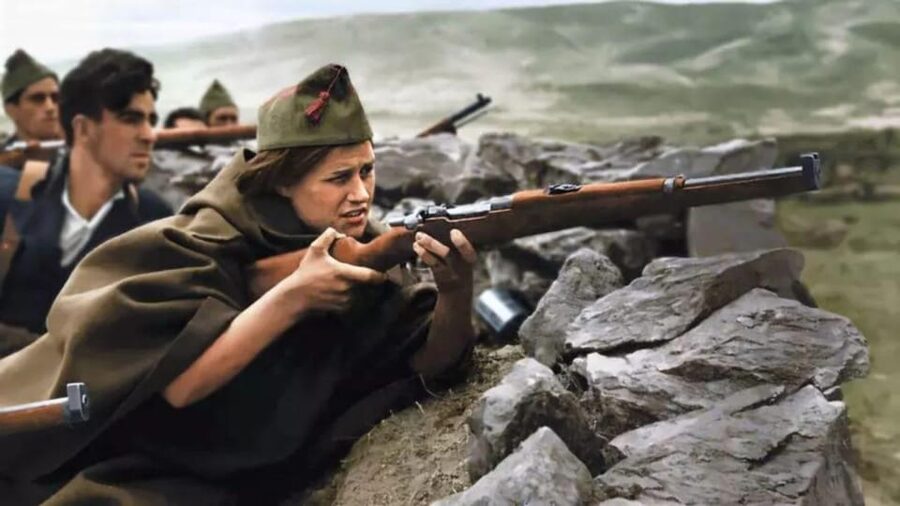
The tour is strongest when it links major political events to everyday life. Guides bring attention not only to well-known leaders, but also to ordinary people and the social forces around them.
That human focus helps prevent the tour from becoming a dry military timeline. You learn how the war divided a country, how the dictatorship followed, and why the subject still matters in Spain. The discussion can also reach women’s political roles and groups such as Mujeres Libres, an aspect that gives the story more depth than a standard account centered only on generals and governments.
The route finishes in the middle of the Gothic Quarter, near Barcelona city hall. By then, the familiar old town should look different. You may notice that a quiet lane or civic building now carries a political story that is easy to miss when you are focused on architecture and photographs.
Do not expect a formal memorial at every stop. Much of the power comes from the guide’s explanation, the old streets, and the photographs. If you want an indoor museum visit or original artifacts, this tour may not meet that need. If you want context in the places where history unfolded, it is a strong choice.
What the guides do well
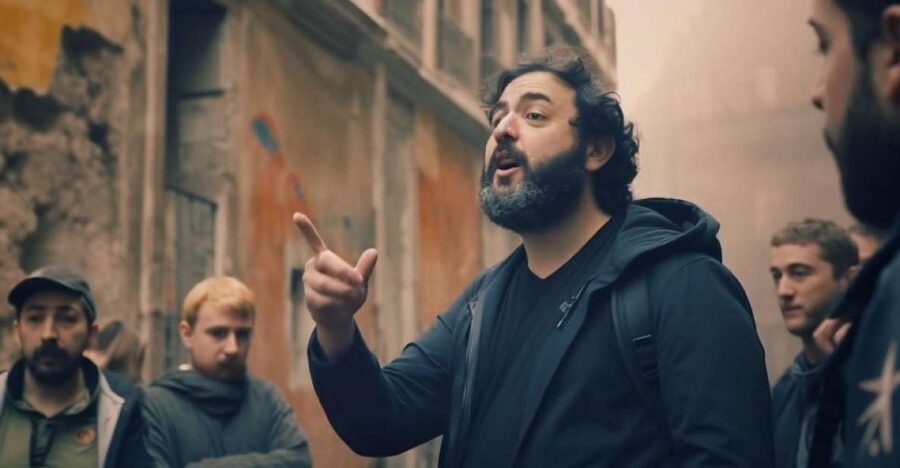
The guide can make or break a tour about a complex war. The names most often associated with this experience include Javier, Chrisa, Yannis, Henrieta, Filipa, and Evan. The assigned guide can vary, but the repeated strengths are clear: clear explanations, strong command of the subject, patience with questions, and an ability to keep a serious topic engaging.
Javier is described as personable and easy to follow, with a dry sense of humor that suits the subject without making light of it. Chrisa is praised for explaining the factions clearly, checking that people are following, and connecting the past with current Spanish politics. Yannis is known for detailed background on the revolution, industrialization, and the war’s aftermath.
Henrieta is a good fit if you worry about understanding an English-language history tour. Her English has been found easy to follow, and she takes time with questions. Filipa brings strong academic interest in Franco-era Spain, while Evan is noted for answering wider questions and presenting the competing factions in a balanced way.
The guide usually has pictures to show along the route. Wireless guiding equipment is typically used, depending on the guide, with an additional cost of 1 euro per person, payable by card or cash at the start. That small extra charge is worth noting, especially if you are comparing the advertised price with your final cost.
Is $46 a fair price for 2.5 hours?
At $46 per person, this is not the cheapest walking tour in Barcelona. The price makes more sense if you see it as a specialist history lesson delivered in the streets, rather than as a basic orientation walk.
You receive a professional guide, a focused route, visual material, and a subject that is difficult to explore on your own during a short visit. Since there are few official museums or memorials devoted to the Spanish Civil War in the city, the guide provides a service that is not easy to replace with a standard attraction ticket.
The value is highest for readers who care about history, politics, literature, or modern Spain. It is also useful if you want to understand the social tensions behind Barcelona’s public identity. The value is lower if you want nonstop movement, grand interiors, or a broad introduction to the city’s main sights.
Private groups are available, which may suit families, study groups, or people who want more control over the discussion. The standard format is in English, and an optional English audio guide may be available. The tour is wheelchair accessible, but because the experience includes outdoor walking and standing, check your own comfort needs before booking.
Weather, children, and practical comfort
Bring a rain jacket or umbrella mindset. The tour operates rain or shine, and heavy rain can make standing on old-town streets tiring. Cold weather also matters. On a winter day, you may spend more time waiting or listening outdoors than you expect, so wear warm layers.
Children are allowed, but the tour is not advised for them because the subject includes politics, war, and dictatorship. Teenagers with an interest in history may enjoy it, especially if they can handle a serious discussion. For younger children, the long explanations and difficult subject matter may be a poor match.
There is no hotel pickup, and food and drinks are not included. The route ends near Barcelona city hall, in a useful part of the Gothic Quarter for continuing your day. Some guides may offer restaurant or activity suggestions afterward, but treat that as a courtesy rather than a promised part of the booking.
Cancellation is free up to 24 hours before the tour, and you can reserve now and pay later. Those terms help if your Barcelona schedule is still changing.
Who should book this Barcelona history tour?
Book it if you want more than the polished version of Barcelona. You will get the most from it if you enjoy political history, modern European history, George Orwell, social movements, or the way cities remember painful events.
It is also a good choice if you know very little about the Spanish Civil War. The material may be dense, but the guide’s job is to provide the structure. Ask questions as you go. The tour is designed for discussion, and time is set aside for it.
Readers with a strong background in the war should still find useful local detail, especially in the treatment of Barcelona, political divisions, women’s movements, and historical memory. I would not choose it for a young child, a traveler who dislikes standing, or anyone looking for a relaxed architecture walk.
Should you book it?
Yes, if you want to understand the Barcelona behind the Gothic Quarter’s postcard image. The strongest parts are the clear explanations, the historic photographs, the Orwell connections, and the way the guide links the war to Franco’s dictatorship and Spain today.
Go prepared to listen, stand, and think. Read a short primer if the subject is new to you, wear comfortable weather-ready clothing, and arrive at Plaça de Catalunya early enough to find the white umbrella. For a focused 2.5-hour look at one of Spain’s most important and often underexplained periods, $46 is a fair price.
FAQ
Where does the Spanish Civil War walking tour meet?
The meeting point is on the sidewalk in front of the Foot Locker at Plaça de Catalunya. The guide will have a white umbrella.
How long does the tour last?
The tour lasts about 2.5 hours and finishes in the middle of the Gothic Quarter, near Barcelona city hall.
What language is the tour in?
The live tour guide speaks English. An optional English audio guide may also be available.
Is the tour suitable for children?
Children are allowed to join, but the tour is not advised for them because it covers politics, war, and dictatorship.
Does the tour run in bad weather?
Yes. The tour takes place rain or shine, so bring suitable clothing and shoes.
Is there an extra charge for audio equipment?
Wireless tour guiding systems are typically used, depending on the guide. When used, there is an additional charge of 1 euro per person, payable by card or cash at the beginning.
More Civil War History in Barcelona
- The Spanish Civil War & Franco Barcelona Walking Tour
★ 5.0 · 539 reviews - Private Tour Spanish Civil War & Franco’s Dictatorship
★ 5.0 · 116 reviews - Bilbao: Gaztelugatxe, Bermeo, Mundaka, Gernika, & Wine Tour
★ 4.5 · 1,407 reviews - From Bilbao: Gaztelugatxe, Gernika, and Mundaka Group Tour
★ 4.8 · 1,112 reviews
Recently added around Barcelona
- Park Guell Guided Tour with Skip the Line Tickets★ 4.0 · 739 reviews
- Entrance to the Mirador Torre Glories Barcelona★ 4.5 · 193 reviews
- Bohemian Barcelona Neighborhood Evening Tapas & Wine Tour★ 5.0 · 419 reviews
- Transfers From Cruise Port to Barcelona Airport★ 4.5 · 155 reviews
- Authentic Flamenco Show Barcelona : Intimate Casa Sors Experience★ 5.0 · 809 reviews
- Barcelona Expert Tour with Local Guide in Eco Tuk Tuk Private★ 5.0 · 216 reviews
- Barcelona Sunset Cruise with Light Snacks and Open Bar★ 5.0 · 476 reviews
- Barcelona: Sagrada Familia, Park Guell & Tapas Private Tour★ 5.0 · 903 reviews
Historical Tours, compared.
Tapas Walking Tour with Food, Wine, and History
Read our review →
Sevilla Food Tour: Tapas, Wine, History & Traditions
Read our review →
Valencia Old Town Tour with Wine & Tapas in 11th Century Historic Monument
Read our review →
Barcelona Tapas Walking Tour: Food, Wine & History
Read our review →
Ultimate Seville Tapas, Wine & History Small Group Tour
Read our review →
Skip-the-Line Great Mosque-Cathedral History Tour
Read our review →
Madrid Historical Tour with Local Guide in Eco Tuk Tuk Private
Read our review →Browse the lists this tour appears in