
Reviewed · MUSEUMS
Barcelona: Museum of Forbidden Art Entry Ticket
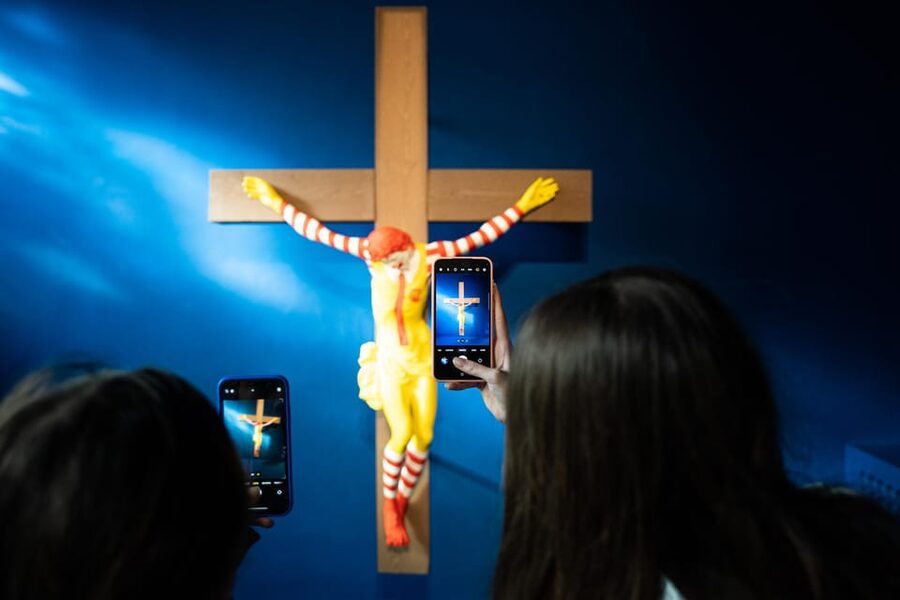
The most striking thing here is the subject: art that was censored, removed, banned, or otherwise judged too difficult for public display. Inside Casa Garriga Nogués, you’ll see works linked to Picasso, Goya, Warhol, Banksy, Ai Wei Wei, Klimt, Haring, Mapplethorpe, and others. I like the museum’s clear focus, and I like that the free digital guide gives you context instead of leaving you to guess why each piece caused trouble.
The museum is also wonderfully easy to fit into a Barcelona day. It is about one minute from Passeig de Gràcia and close to Casa Batlló and La Pedrera. The main drawback is that the subject matter is not aimed at young children, and the museum is specifically not recommended for children under 13. Check the opening calendar closely, too, since one booking problem involved a Tuesday visit when the museum was closed.
Key points to know before you go
- More than 200 censored works: The collection covers artists from Goya and Picasso to Banksy, Warhol, Ai Weiwei, and Robert Mapplethorpe.
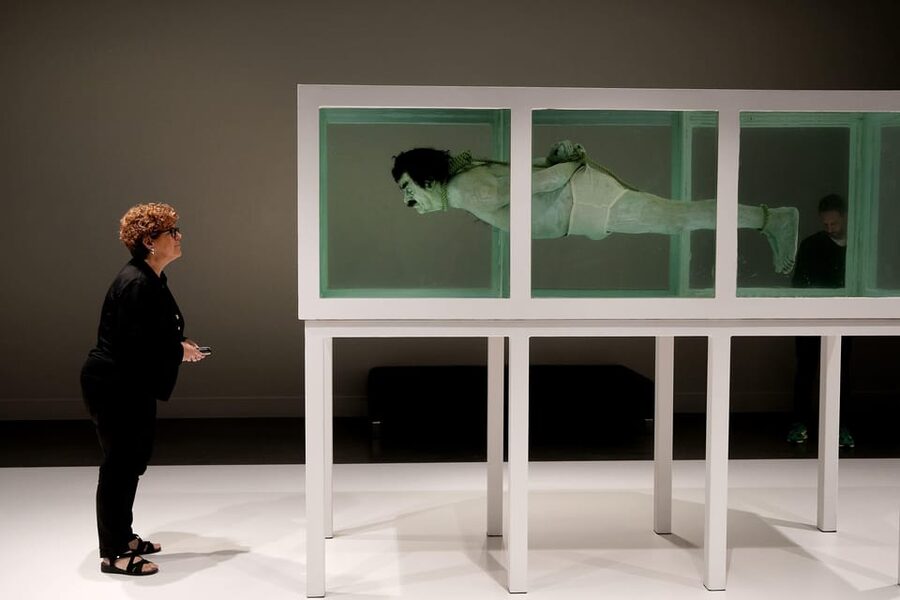
- A rare subject for a museum: This is presented as the world’s first and only collection devoted to prohibited and censored art.
- A central Barcelona location: Casa Garriga Nogués is one minute from Passeig de Gràcia, near Casa Batlló and La Pedrera.
- Free multilingual digital guide: Use your own phone to access art explanations and multimedia content in Catalan, Spanish, or English.
- A thought-provoking visit: The historical material explains not only what was censored, but also why the work caused conflict.
- Good value at $14: Admission includes the exhibition, terrace, Wi-Fi, and digital guide, though food, drinks, transport, and a live guide are not included.
Why censored art makes this museum different
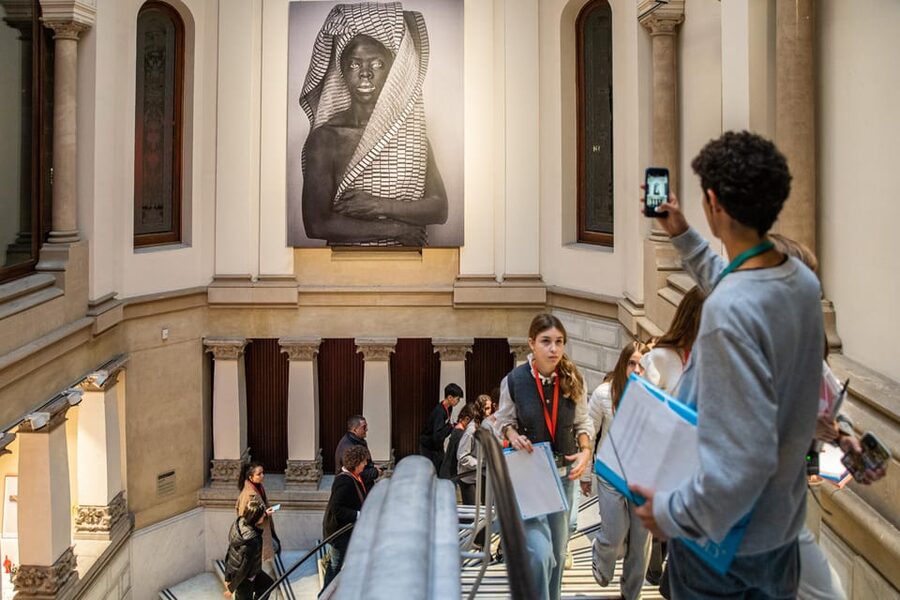
Most art museums ask you to admire important works. This one asks a more awkward question: who gets to decide what the public may see?
That gives the Museu de l’Art Prohibit a useful point of view. The collection is not simply a parade of famous names. Each piece is connected to some form of restriction or dispute. The issue might involve politics, religion, sexuality, violence, public morality, or the power of an institution to control an image.
That approach gives you a reason to look closely. Instead of asking only if you like a painting or photograph, you begin asking what made it unacceptable, who objected, and what happened afterward.
The collection includes more than 200 works, so you should expect a broad range of material rather than a single artistic style. Picasso appears alongside Andy Warhol, Francisco de Goya, Ai Weiwei, Banksy, Gustav Klimt, Keith Haring, Tania Bruguera, Miquel Barceló, Robert Mapplethorpe, Abel Azcona, Ines Doujak, and others.
The famous names help draw you in, but the theme is more important than the star power. I would visit for the questions raised by the collection, not simply to tick off another Picasso or Warhol.
More Museum Tours in Barcelona
- Barcelona: FC Barcelona Museum “Barça Immersive Tour” Ticket
★ 4.4 · 10,944 reviews - Barcelona: Park Güell and Gaudí House Museum Entry Ticket
★ 4.5 · 6,326 reviews - Barcelona: Picasso Museum Skip-the-Line Guided Tour
★ 4.5 · 3,355 reviews
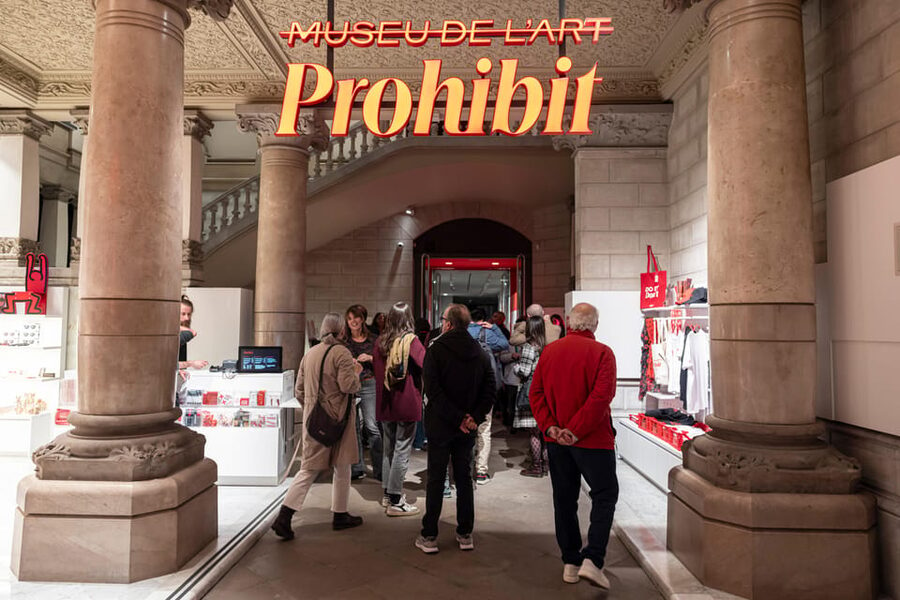
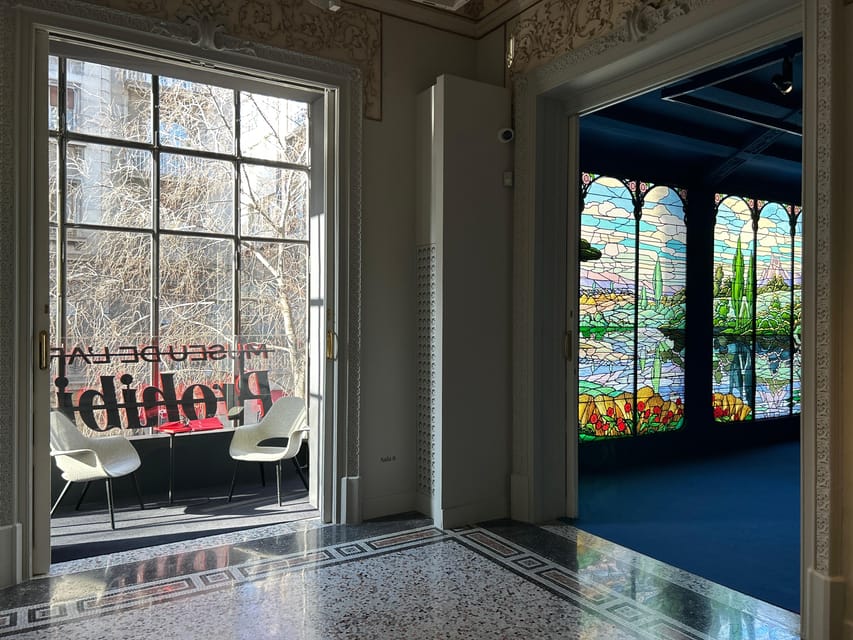
Entering Casa Garriga Nogués near Passeig de Gràcia
The museum occupies Casa Garriga Nogués, a modernist building from the early 20th century. Its location is one of the ticket’s biggest practical advantages.
You can place the visit beside Barcelona’s best-known modernist sights. Casa Batlló and La Pedrera are nearby, and Passeig de Gràcia is one of the city’s main cultural and shopping avenues. That makes the museum easy to add before or after other central stops, rather than requiring a special trip across town.
The building itself adds a sense of place. You are not entering a plain exhibition hall on the edge of the city. You are seeing controversial art inside a historic Barcelona setting, which gives the visit more character from the start.
Admission includes access to the terrace area. The information provided does not specify the terrace’s exact view or size, so I would treat it as a pleasant extra rather than the main reason to book. The art is the point, and the terrace gives you a place to pause afterward.
Security control is required for everyone. Bags, food, and drinks are not allowed, and pets cannot enter. Bring the required passport or ID card, including one for children. These rules may slow your entry a little, but they are easy to manage if you arrive without a large bag and have identification ready.
How the exhibition works with the digital guide
There is no live guided tour included. Instead, your ticket comes with a free interactive digital guide that you use on your own device.
This is important because the subject needs explanation. A censored artwork can look ordinary if you do not know what happened around it. The guide is intended to provide artistic context and explain the impact of the restrictions, with multimedia content in Catalan, Spanish, and English.
I like this format for visitors who prefer to move at their own pace. You can spend extra time with a work that interests you, skip material that feels less relevant, and avoid being tied to a group schedule. The tradeoff is that you need to use your personal device, and some people find reading from a phone less comfortable than listening to a human guide.
Free Wi-Fi is included, which helps with access to the guide. Still, you should arrive with your phone charged. That is practical advice for any museum that relies on digital content, even though the supplied information does not specify how much of the guide is available offline.
The guide is especially useful for understanding the difference between censorship and simple controversy. A work may have been removed from an exhibition, blocked by authorities, challenged by a political group, or restricted because of its subject. The museum’s value lies in showing those different pressures side by side.
The artists you will encounter
The artist list gives you a good idea of the range.
Picasso and Goya connect the exhibition to major figures in Spanish art. Their inclusion helps place the subject in a longer story, rather than making censorship seem like a modern problem only.
Warhol, Klimt, and Haring bring familiar modern and contemporary names into the conversation. You may already know their visual language, which makes it easier to see how a work can become controversial despite an artist’s established reputation.
Banksy and Ai Weiwei bring a clear political edge. Tania Bruguera, Abel Azcona, and Ines Doujak represent artists whose work often raises direct questions about power, bodies, identity, and public control. Mapplethorpe is another significant name for visitors interested in the history of photography and disputes over sexually explicit art.
The collection also includes Miquel Barceló. That broad mix means you should not expect every room to appeal to you in the same way. Some pieces may feel familiar, while others may be more challenging or less immediately attractive. That is part of the point. A museum about prohibited art is likely to make you uncomfortable at times.
The available information does not give a room-by-room order, so I would not plan your visit around a fixed sequence of artists. Follow the exhibition layout and use the digital guide when a piece catches your attention.
Same base in Barcelona, a completely different kind of day:
- Barcelona: Sagrada Familia Entry Ticket with Audio Guide
★ 4.6 · 105,312 reviews - Barcelona: Park Güell Admission Ticket
★ 4.4 · 76,534 reviews - Barcelona: Casa Batlló Entry with Self-Audioguide Tour
★ 4.7 · 25,359 reviews - Barcelona: 24 or 48-Hour Hop-On Hop-Off Bus Tour
★ 4.4 · 20,872 reviews
What makes the history worth your time
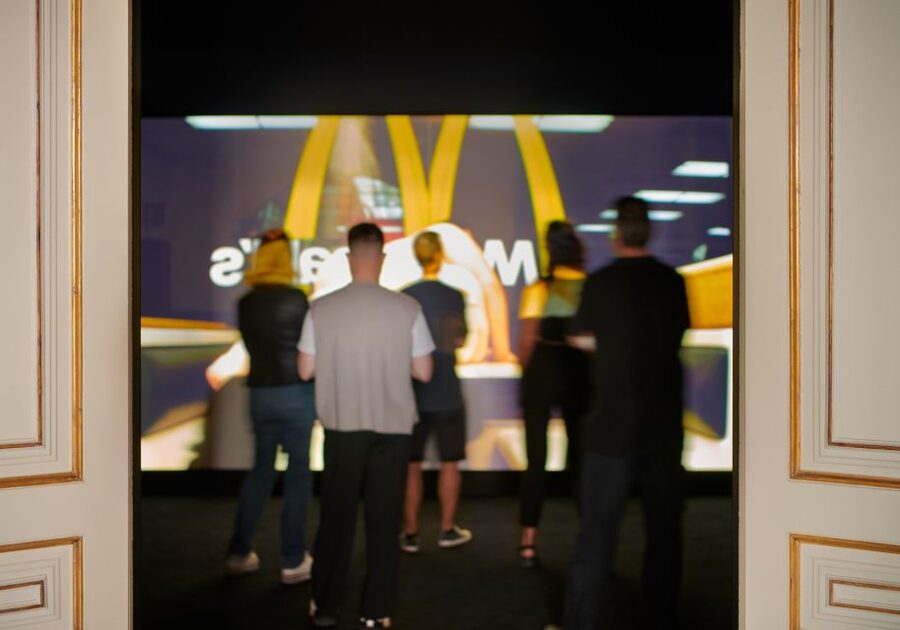
The best material here is not just the artwork. It is the reason the artwork became restricted.
The museum gives you a chance to see how public institutions, governments, religious groups, galleries, and other authorities have reacted to art. You can compare older cases with newer ones and notice how the language of censorship changes over time.
Some examples may feel historical and distant. Others may connect more directly to current debates about public speech and artistic freedom. That mixture gives the visit more weight than a quick collection of shocking images.
I would give yourself enough time to read the explanations. You can walk through the rooms quickly, but that would miss much of what makes the museum special. The historical samples and background information are designed to make the experience thoughtful rather than merely sensational.
This is also why the museum may suit adults and older teenagers better than families with small children. The subject can include difficult material, and the official information says it is not suitable for children under 13. Parents should use their own judgment for older children, since the ticket information does not provide a detailed content warning for every work.
Is $14 a fair price?
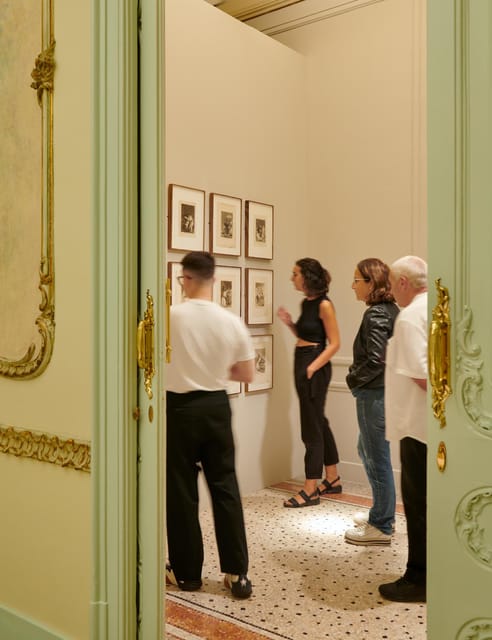
At $14 per person, I consider this a reasonable central Barcelona museum ticket, especially if you care about modern art, censorship, politics, photography, or cultural debate.
The admission covers the full exhibition, the terrace, Wi-Fi, and the digital guide. You are not paying extra for a separate audio guide or a special timed presentation. The lack of a live guide keeps the cost down, though it also means the experience depends more on your own attention and interest.
The value is strongest if you use the context material. If you simply walk through looking for famous names, the visit may feel shorter and less rewarding. If you read the explanations and compare the different cases, the ticket buys more than a display of recognizable artists.
The museum’s location improves the value. Since it is close to Passeig de Gràcia, Casa Batlló, and La Pedrera, you can combine it with other central sights without spending additional time or money on transport. Food and drinks are not included, but that is not a serious weakness for a museum visit in this part of Barcelona, where you have many choices nearby.
Practical timing and booking advice
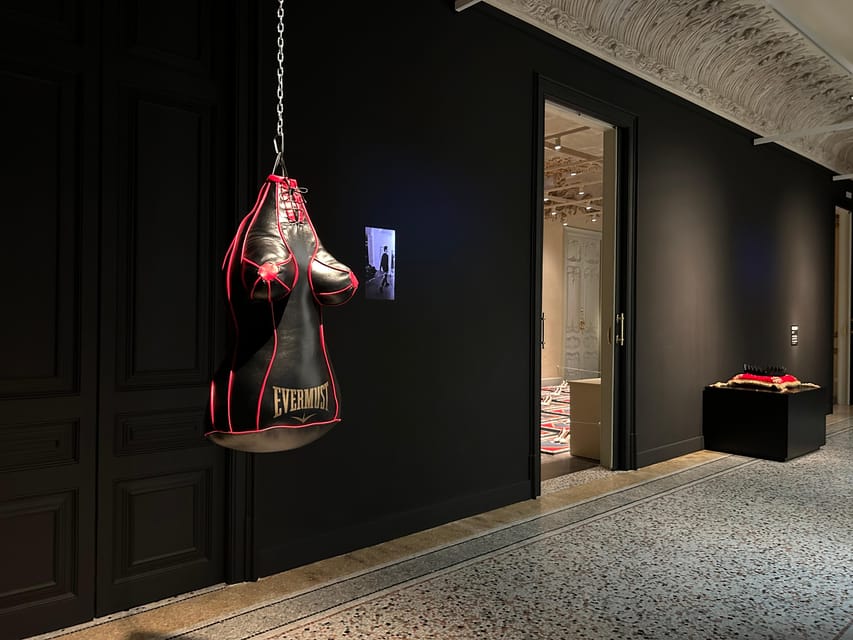
The activity information says the ticket can be valid for a period ranging from one to 180 days, with starting times checked through availability. Read the date and time details carefully before you pay, since the exact booking conditions may vary.
One person arrived for a Tuesday booking and found the museum closed, then visited the next day instead. That visit proved worthwhile, but the problem could have been avoided by checking the museum’s current opening schedule directly before setting your plans. I would not assume that every day shown in a booking system is an operating day.
Free cancellation is available up to 24 hours in advance for a full refund. You can also reserve now and pay later, which is useful if your Barcelona plans are still moving around.
The museum is wheelchair accessible. Everyone passes through security, so allow a little extra time at the entrance. Bring identification, leave food and drinks behind, and avoid bringing a bag unless you have confirmed where it can be stored, since bags are not allowed inside.
Who will enjoy this museum most?
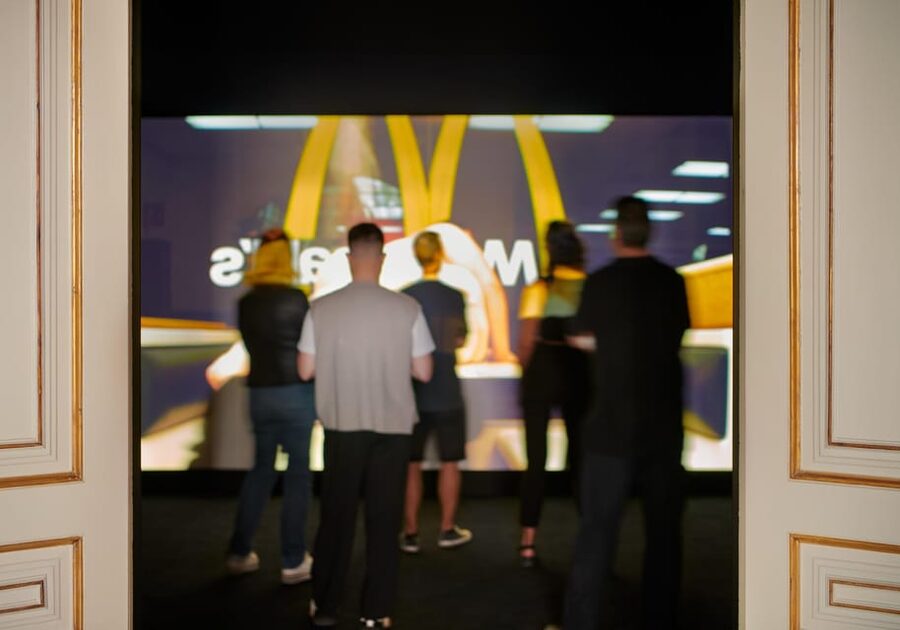
I would recommend it to adults who want something beyond Barcelona’s standard art and architecture circuit. It works particularly well for you if you enjoy contemporary art, social issues, freedom of expression, or the stories behind disputed works.
It is also a good choice for visitors who have already seen the main Gaudí sights and want a different kind of cultural stop. The central location makes it easy to fit into a day without sacrificing a full morning or afternoon.
Students and older teenagers may find the museum useful because it connects art with politics, law, public opinion, and social change. The digital guide lets you spend extra time on subjects that interest you.
I would be more cautious if you want a relaxed, purely beautiful art museum. This collection is built around conflict. Some works may challenge your taste or expectations, and the subject matter can be serious. It is also not intended for children under 13.
Should you book the Museu de l’Art Prohibit?
Book it if you want a museum that gives you something to think about after you leave. The combination of more than 200 censored works, major artists, a central location, and a free multilingual digital guide makes $14 a fair price.
You can skip it if your Barcelona schedule is already packed with major sights or if you prefer art without much historical or political explanation. For everyone else, I would place it high on a flexible afternoon plan, especially after visiting Casa Batlló or La Pedrera.
Check the operating day before booking, bring identification, and arrive ready to read. If you do, the Museu de l’Art Prohibit offers a focused and unusual look at what happens when art collides with power.
FAQ
How much does admission cost?
The ticket costs $14 per person.
What artists are represented at the museum?
The collection includes censored works by Picasso, Andy Warhol, Goya, Ai Weiwei, Banksy, Gustav Klimt, Keith Haring, Tania Bruguera, Miquel Barceló, Robert Mapplethorpe, Abel Azcona, and Ines Doujak, among others.
Is a guide included?
A free interactive digital guide is included. It offers artistic context and multimedia content in Catalan, Spanish, and English. A live guided tour is not included.
Where is the museum located?
The Museu de l’Art Prohibit is inside Casa Garriga Nogués, about one minute from Passeig de Gràcia in Barcelona. It is also close to Casa Batlló and La Pedrera.
Is the museum suitable for children?
The experience is not suitable for children under 13. The collection concerns censored and prohibited art, so parents should consider the subject matter before bringing older children.
Can I cancel my ticket?
Yes. You can cancel up to 24 hours before the visit for a full refund. The ticket also offers a reserve-now, pay-later option.
Recently added around Barcelona
- Park Guell Guided Tour with Skip the Line Tickets★ 4.0 · 739 reviews
- Entrance to the Mirador Torre Glories Barcelona★ 4.5 · 193 reviews
- Bohemian Barcelona Neighborhood Evening Tapas & Wine Tour★ 5.0 · 419 reviews
- Transfers From Cruise Port to Barcelona Airport★ 4.5 · 155 reviews
- Authentic Flamenco Show Barcelona : Intimate Casa Sors Experience★ 5.0 · 809 reviews
- Barcelona Expert Tour with Local Guide in Eco Tuk Tuk Private★ 5.0 · 216 reviews
- Barcelona Sunset Cruise with Light Snacks and Open Bar★ 5.0 · 476 reviews
- Barcelona: Sagrada Familia, Park Guell & Tapas Private Tour★ 5.0 · 903 reviews
Museums, compared.

FC Barcelona Museum “Barça Immersive Tour” Ticket
Read our review →
Park Güell and Gaudí House Museum Entry Ticket
Read our review →
Puro Flamenco Show with Optional Museum Ticket
Read our review →
Girona & Dali Museum Small Group Tour with Pick-up from Barcelona
Read our review →
Oceanogràfic, Hemisfèric & Science Museum Combo
Read our review →Browse the lists this tour appears in