
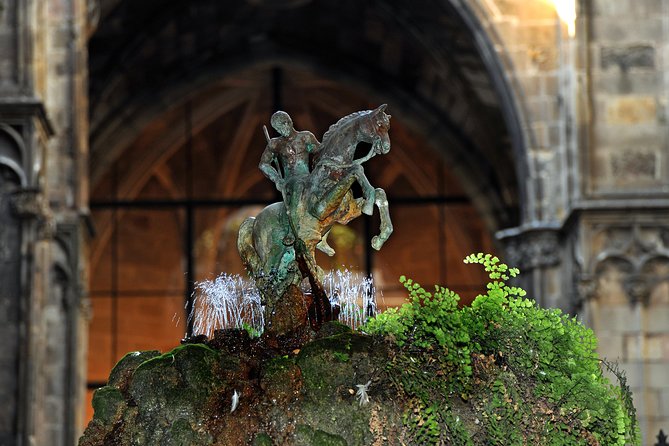
Reviewed · WALKING TOURS
Barcelona: Gothic Quarter Walking Tour
Barcelona’s old city is best understood on foot, where a Roman wall, a medieval square, and a modern café can sit within a few steps of one another. This German-language tour connects those layers through narrow lanes, small squares, royal scandals, Jewish history, Santa Maria del Mar, and even a little dragon lore. I like the 3.5-hour pace, which leaves room for photos and questions, and I like that guides such as Johannes add useful advice on food, shopping, and local specialties.
The main thing to consider is that this is an exterior walking tour, not a museum visit. You will see monuments from the outside, with only a few possible exceptions, so anyone hoping to explore interiors in depth should plan separate visits. Some of the old streets can also make the walk tiring, especially in summer.
Key points at a glance
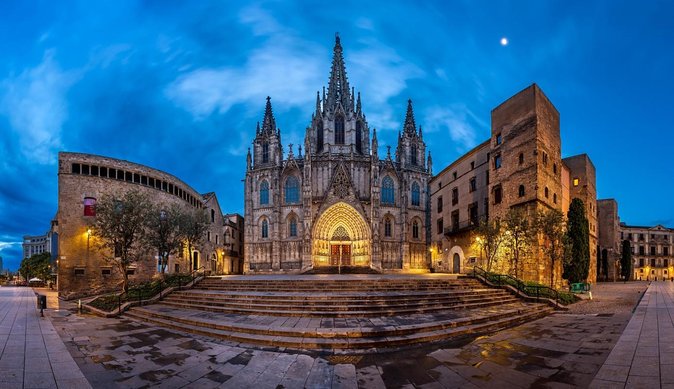
- German-language storytelling: The tour brings together Roman Barcelona, the medieval crown of Aragon, the Jewish Quarter, the Inquisition, the Bourbon period, and the Spanish Civil War.
- A walk through two old districts: You move from the Gothic Quarter toward the Ribera and El Born, ending near Passeig del Born.
- A relaxed 3.5-hour route: There is time for photographs, questions, and a bathroom break instead of a forced march.
- A private group for up to four: At $212 per group, the cost works best when shared by a small party.
- Useful local advice: Johannes has been praised for tailoring the walk and offering practical suggestions for restaurants, shopping, and local specialties.
- All-weather planning: The tour operates in sun, rain, wind, and strong showers, so dress for the forecast.
Starting at Plaça de Catalunya
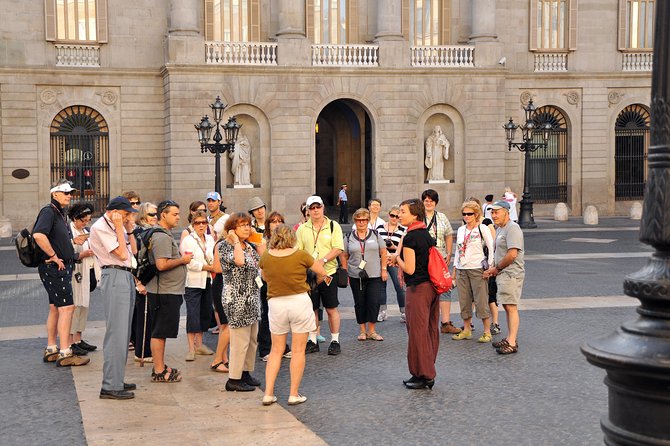
The meeting point is in front of Hotel Olivia Plaza at Plaça de Catalunya, 19. This is a sensible place to begin because the square is one of Barcelona’s main reference points, positioned between the newer central districts and the old city.
You are not simply being led from one famous building to another. The walk uses the square as a gateway into Barcelona’s older quarters, where the scale changes quickly. Broad city streets give way to lanes, courtyards, and compact plazas. That shift helps you understand why the Gothic Quarter can feel like a separate town inside the larger city.
Bring water before you start. The route is described as relaxed, but three and a half hours on old streets is still a proper walk. Comfortable shoes matter more than stylish ones here, and a hat, sunglasses, and sunscreen are useful in summer. In winter, a light jacket or thin coat should be enough according to the tour guidance.
More Walking Tours in Barcelona
- Barcelona Tapas and Wine Experience Small-Group Walking Tour
★ 5.0 · 5,804 reviews - Barcelona: Tapas Walking Tour with Food, Wine, and History
★ 4.8 · 4,261 reviews - Barcelona Tapas Walking Tour: Food, Wine & History
★ 4.5 · 1,928 reviews
Roman Barcelona beneath the medieval streets
The first historical layer reaches back to Roman times. One of the unusual stories concerns flowing water serving a convalescent colony, a reminder that Barcelona was not born as a medieval city. Roman planning and public infrastructure helped shape the settlement long before the cathedral quarter acquired its later appearance.
This early section is valuable because it gives you a way to read the streets. Later walls and buildings did not erase everything that came before. Instead, different periods were built over one another, leaving fragments and odd alignments for a guide to point out.
The tour also sets up Barcelona’s relationship with the wider Mediterranean world. The city was never only a collection of old stones. Its position as a port helped it grow, trade, fight, and reinvent itself. That larger idea returns throughout the walk, especially when the story reaches the crown of Aragon and the maritime power of the medieval city.
Gothic lanes, holy ground, and the birth of a nation
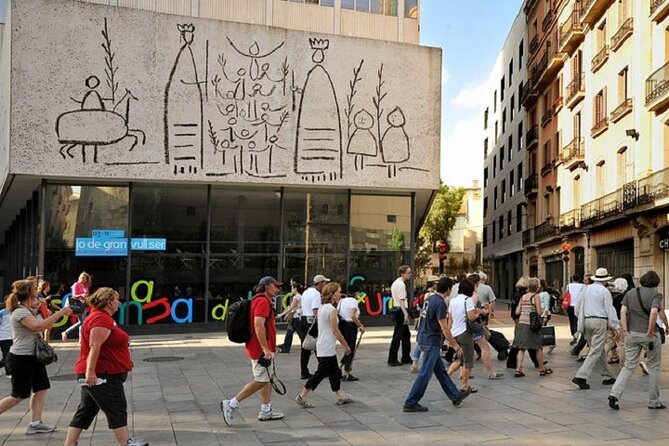
The Gothic Quarter is full of dramatic stories, but the best ones explain how power worked. You hear about the city’s religious importance, competing centers of authority, and the formation of a nation through conflict. The themes include a bloody struggle, the crown of Aragon, and the rise of Barcelona from a smaller city to a force with reach across the sea.
The wording of some historical stories is deliberately lively. There are dragons, French soldiers, a young girl in the pines, a strange brotherhood, and a general whose fate still hangs over the old city. That colorful approach should suit you if you prefer history with characters and tension rather than a long list of dates.
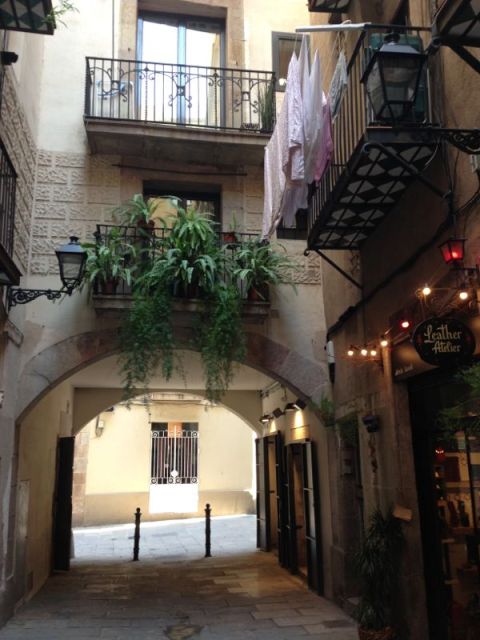
The narrow lanes also show the practical side of medieval life. Streets were not designed for tour groups, cars, or grand views. They twist, narrow, and open without much warning. The effect is atmospheric, but it can also feel crowded at busy times. Since the group is private and limited to four people, you should have a better chance to hear the guide and pause without losing the rest of your party.
The Jewish Quarter and the remnants of a lost world
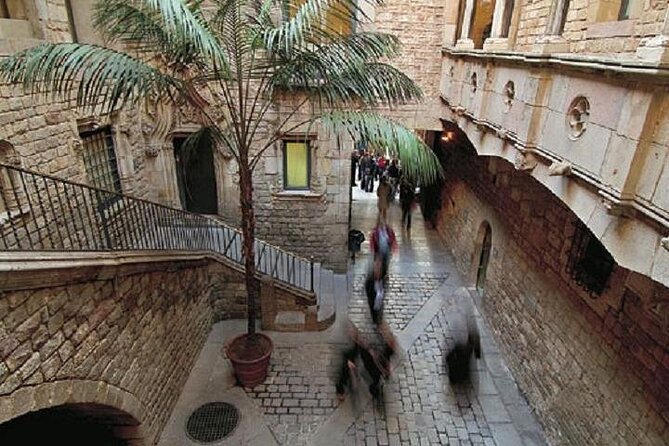
The old Jewish Quarter is one of the most important parts of the route. Here, the guide addresses the community that once formed part of Barcelona’s urban and commercial life, along with the forces that eventually destroyed that world.
This section deserves quiet attention. The remains can be easy to miss if you are walking alone, and the streets do not always announce what happened there. A guide can connect the physical setting with the social changes that shaped it.
The story then moves through the Inquisition and the political pressures of later rulers. The tour does not present the old city as a pretty stage set. It also deals with fear, punishment, religious control, and the cost of political decisions. That balance gives the walk more substance than a quick photo stop at a picturesque alley.
More Gothic Quarter walks:
- Barcelona Gothic Quarter Tapas & Taverns Food & Wine Tour
★ 5.0 · 1,470 reviews - Barcelona: Gothic Quarter Ghosts and Legends Walking Tour
★ 4.7 · 1,443 reviews - Barcelona: Old Town and Gothic Quarter Walking Tour
★ 4.8 · 1,393 reviews - Barcelona Old Town & Gothic Quarter Small Group Tour
★ 5.0 · 1,308 reviews
Royal power, public decisions, and a troubled succession
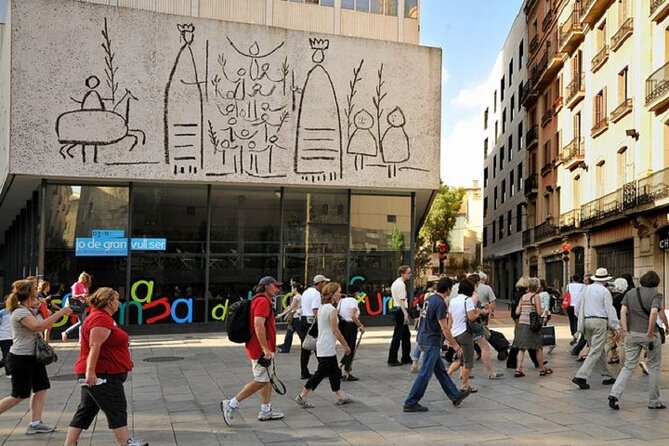
Barcelona’s medieval history includes more than kings and grand palaces. The route considers the role of ordinary citizens and public decision-making, including the advice of the hundreds and the general. It also reaches the death of King Martin, described as the beginning of the end of local co-determination.
This is a useful part of the tour for anyone trying to understand why Barcelona’s political identity can feel so strong today. The guide connects individual events with larger shifts in authority. You are not asked to memorize a parade of rulers. Instead, you see how decisions made by monarchs, councils, generals, and religious institutions changed the city.
The royal palace section adds a more human note. King Fernando’s fears and his failure to receive Columbus at home make the past feel less polished. Even powerful people misjudged events, worried about threats, and missed moments that later became famous.
A Gothic Quarter that is not entirely medieval
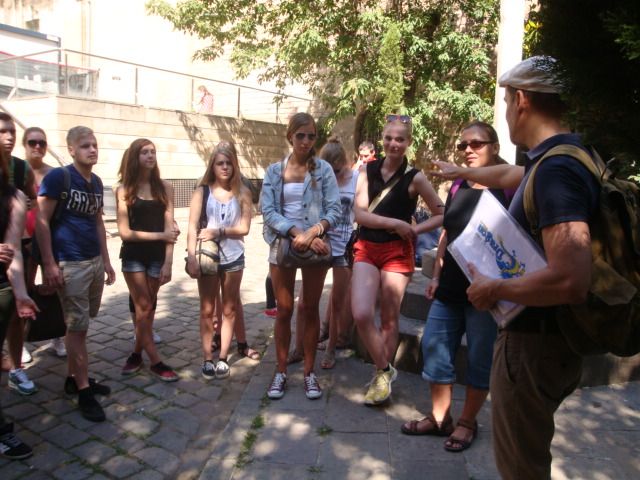
One of the sharper lessons on this route is that the Gothic Quarter is not a perfectly preserved medieval time capsule. Some buildings were moved, rebuilt, or arranged to create a more Gothic-looking setting. The tour’s theme of a Gothic theme park points to that complicated truth.
That does not make the district fake or worthless. It means you should look at it with more care. Barcelona has repeatedly reshaped its old center, sometimes preserving original fabric and sometimes producing a later version of the medieval image. A good guide helps you separate the genuinely old from the deliberately restored or relocated.
This is one reason the walk has value even if you have already wandered the quarter on your own. You may recognize the streets, but the explanation can change how you see them.
Santa Maria del Mar and the Ribera Quarter
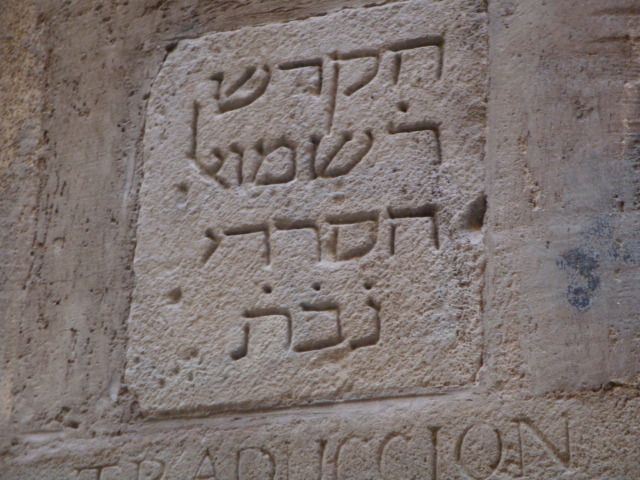
The route continues toward the Ribera district and Santa Maria del Mar, one of the walk’s major landmarks. The church is tied to the growth of medieval Barcelona and to the people who built, funded, and used it. The tour presents it as an early collaborative project, with legends and local heroes woven into the story.
You should expect to admire the church from outside rather than make a full interior visit. That distinction matters. Santa Maria del Mar is a place many people want to enter, so you may wish to schedule a separate visit if the inside is important to you.
The approach through the Ribera Quarter adds a different feel from the Gothic Quarter. The route keeps the focus on streets and squares, showing how the old city expanded and how trade, religion, and civic life overlapped. The ending at Passeig del Born, 22, places you near a district known for its old-city atmosphere and gives you a practical point from which to continue exploring.
Unusual details that make the walk memorable
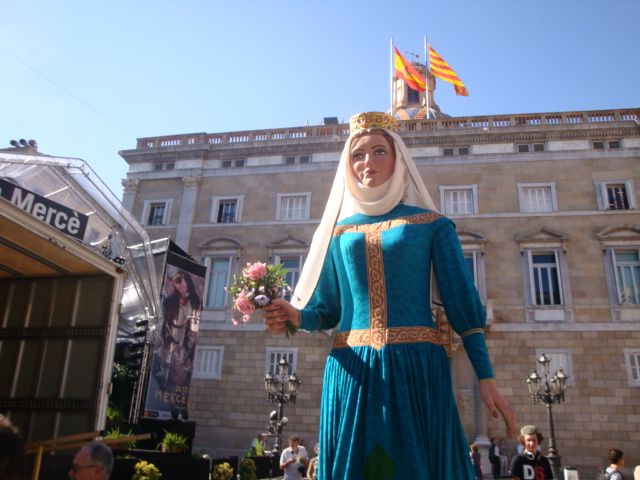
The subject list is broad and occasionally eccentric. You may hear about the dancing egg, a local tradition connected with Barcelona’s religious and civic calendar, as well as a half house and the song of the knife-grinder. These details are valuable because they break up the formal political story.
There is also a slightly spooky brotherhood, a mulberry grave, and the vengeance of the Bourbon kings against a general. Such stories make the old streets easier to remember. You begin to associate a square or doorway with a human episode rather than a bare date.
The tour also touches on the scars of the Spanish Civil War. A romantic place can carry a darker history, and the walk does not stop at the Middle Ages. It continues into the early eighteenth century and then reaches more recent events, showing that Barcelona’s old center has never stopped changing.
What the pace and group size mean for you
The stated duration is 3.5 hours, with the guided walking portion described as roughly three hours and fifteen minutes in the route details. Either way, set aside most of a morning or afternoon. This is not a short orientation stroll.
The pace is intended to be calm. You can stop for photographs, ask questions, and take a bathroom break without being pushed along. That makes the tour a good fit if you like time to look up at façades and listen rather than rush from landmark to landmark.
Still, calm does not mean effortless. Old streets may be uneven, and the length can feel tiring. One person described the experience as strenuous while still rating it highly, which is a useful warning. Wear sensible shoes and think about the weather before choosing a midday start in summer.
The activity is marked as wheelchair accessible, but the old-city setting includes narrow lanes and historic surfaces. If you use a wheelchair, it is sensible to confirm the exact route and any access limits before booking, particularly for the cloister visit.
German guidance and personal attention
The tour is conducted in German, and the private-group format is a major part of its appeal. It is listed at $212 for up to four people, so the price works out to about $53 per person for four. For two people, the per-person cost is much higher, but you are paying for a small-group experience rather than a large public walk.
Johannes is one guide associated with the experience. His approach includes adapting the walk to personal needs, bringing extra photographs, and offering practical suggestions for restaurants, shopping, and local specialties. Those extras can be especially useful early in a Barcelona stay, when you are still deciding where to eat and what to buy.
The guide’s ability to explain the city in German is the central reason to choose this tour. If you are comfortable in English or Spanish, you will find more options elsewhere. If German is your strongest language for detailed historical storytelling, a private group can make the information easier to follow and the questions more natural.
What is not included
The tour price covers the guided city walk. Interior visits and entry fees are not included. Plan on paying separately if you decide to visit a church, museum, or other paid site during another part of your trip.
The exterior focus keeps the route moving and lets the guide cover a wide stretch of old Barcelona. The tradeoff is clear: you receive more context across the districts, but less time inside individual monuments.
There are a couple of possible exceptions, and the cloister has a dress requirement. Wear clothing that reaches at least the knees and covers your shoulders if you want to take part in that visit. This is easy to manage, but it is worth knowing before you leave your hotel.
Is $212 good value for a group of four?
For four people, the price is reasonable if you value a private German-language guide and want a tailored walk. You receive three and a half hours of attention across two historic districts, plus practical advice that can help shape the rest of your stay.
For one or two people, the calculation is less favorable unless the language, personal pace, and small-group setting matter a great deal. The tour does not include admissions, food, transport, or interior visits, so compare the cost with a larger group walk if you mainly want a basic introduction.
The strongest value comes from the combination of wide historical coverage and individual attention. You move from Roman water systems to medieval politics, Jewish Barcelona, royal power, the Bourbon period, Santa Maria del Mar, and Civil War traces without changing guides or booking several separate activities.
Weather, clothing, and practical planning
The walk runs in sun, rain, wind, and strong showers. That gives you flexibility, but it also means you should not treat the weather note as decoration. Take a small bottle of water, use sun protection in summer, and carry rain gear when showers are possible.
A light jacket should be enough in winter. The old streets can feel cooler than broad open avenues, while summer sun can make the same route hard work. A hat and sunglasses are sensible, especially because the walking time is long.
Start with a bathroom stop if needed, then use the natural pauses along the way. The walk is designed to allow breaks, but a little planning helps you enjoy the stories instead of worrying about logistics.
Who should book this Barcelona walk?
I would choose this tour if you want Barcelona explained in German, prefer a small private group, and enjoy history that includes odd legends alongside serious political and religious events. It is also a good first activity because the guide’s restaurant and shopping suggestions can help with the days that follow.
It suits couples, families, and small groups of friends who can share the $212 price. It is less suitable if you dislike long walks, need frequent indoor stops, or want a tour centered on museum interiors.
If Santa Maria del Mar, the cathedral quarter, or the Jewish Quarter are your main targets, this route gives you useful context. Just remember to return independently for interior visits. The walk shows you how the pieces fit together, but it does not replace time inside every monument.
Should you book it?
Book this experience if German-language guidance, a private group, and a slow look at Barcelona’s old center are worth more to you than a low-cost group tour. The strongest features are the broad time span, Johannes’s practical local advice, and the chance to explore at a human pace.
Skip it if you want admission to museums and churches included, or if three and a half hours on historic streets sounds tiring. For the right small group, though, this is a thoughtful way to meet Barcelona as a living city, not just a row of famous façades.
FAQ
Where does the Gothic Quarter walking tour begin?
The meeting point is in front of Hotel Olivia Plaza at Plaça de Catalunya, 19, 08002 Barcelona.
Where does the tour end?
The walk ends at Passeig del Born, 22, 08003 Barcelona, near the Ribera and El Born area.
How long does the experience last?
The tour lasts 3.5 hours. The route details describe approximately 3.25 hours of guided walking and sightseeing.
Is the tour offered in English?
No. The live guide language listed for this activity is German.
Are entrance fees and interior visits included?
No. Interior visits and entry fees are not included. The tour mainly views monuments from outside, with a couple of possible exceptions.
What should I wear for the cloister visit?
Wear clothing that covers your shoulders and reaches at least your knees. The tour also recommends comfortable clothing and weather protection because it operates in sun, rain, and wind.
Recently added around Barcelona
- Park Guell Guided Tour with Skip the Line Tickets★ 4.0 · 739 reviews
- Entrance to the Mirador Torre Glories Barcelona★ 4.5 · 193 reviews
- Bohemian Barcelona Neighborhood Evening Tapas & Wine Tour★ 5.0 · 419 reviews
- Transfers From Cruise Port to Barcelona Airport★ 4.5 · 155 reviews
- Authentic Flamenco Show Barcelona : Intimate Casa Sors Experience★ 5.0 · 809 reviews
- Barcelona Expert Tour with Local Guide in Eco Tuk Tuk Private★ 5.0 · 216 reviews
- Barcelona Sunset Cruise with Light Snacks and Open Bar★ 5.0 · 476 reviews
- Barcelona: Sagrada Familia, Park Guell & Tapas Private Tour★ 5.0 · 903 reviews
Walking Tours, compared.

Barcelona Tapas and Wine Experience Small-Group Walking Tour
Read our review →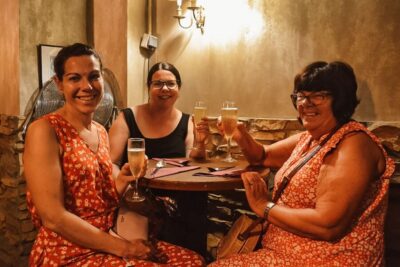
Tapas Walking Tour with Food, Wine, and History
Read our review →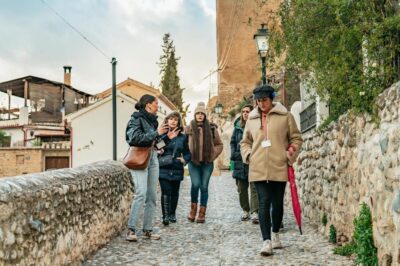
Albaicín and Sacromonte Guided Sunset Walking Tour
Read our review →
Toledo Tour & Vineyard Walk with Wine Tasting from Madrid
Read our review →

Barcelona Tapas Walking Tour: Food, Wine & History
Read our review →
Madrid Old Town & Royal Palace Walking Tour Skip the Line Ticket
Read our review →
Browse the lists this tour appears in