
Reviewed · WALKING TOURS
Barcelona Gothic Quarter Walking Tour
Barcelona’s Gothic Quarter is easiest to enjoy when someone explains what you’re looking at. Ancient Roman columns, medieval palaces, church courtyards, and narrow lanes can blur together without context. This walk brings the district’s layers into focus, from the Temple d’August to Plaça del Rei.
I like the short two-hour format, which gives you a useful introduction without swallowing half your day. I also like the small maximum group of 20, plus guides such as Alberto, Pilar, Alex, and Feliciano, who are praised for clear storytelling, humor, and strong local knowledge. The main caution is that the quality depends heavily on the guide and equipment. One poor experience involved a microphone problem and a long delay, while other tours moved smoothly.
Key points at a glance
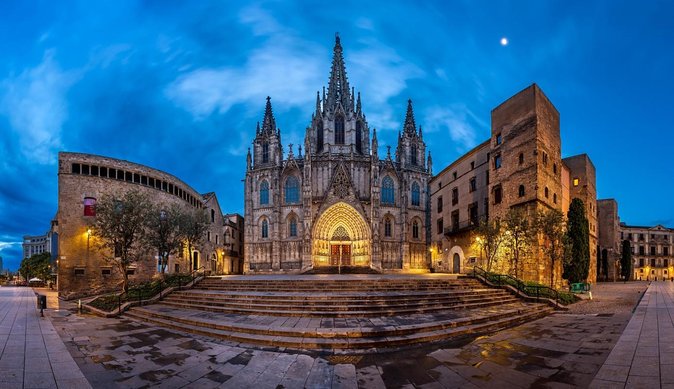
- Roman Barcelona in the middle of the old quarter: See the Temple d’August, one of the city’s best-preserved Roman remains.
- Medieval Plaça del Rei: Explore one of Barcelona’s most atmospheric squares and learn about the Palatine Chapel of Santa Agata.
- A useful first-day orientation: The route helps you recognize important buildings and return later on your own.
- About two hours on foot: The length works well for first-time visitors, families, and anyone with limited time.
- English-speaking local guide: Guides use stories, anecdotes, and sometimes visual aids to explain what once stood around you.
- Simple logistics: Meet at Pla de la Seu, 2, near public transportation, and finish at the same point.
Why the Gothic Quarter needs a guide
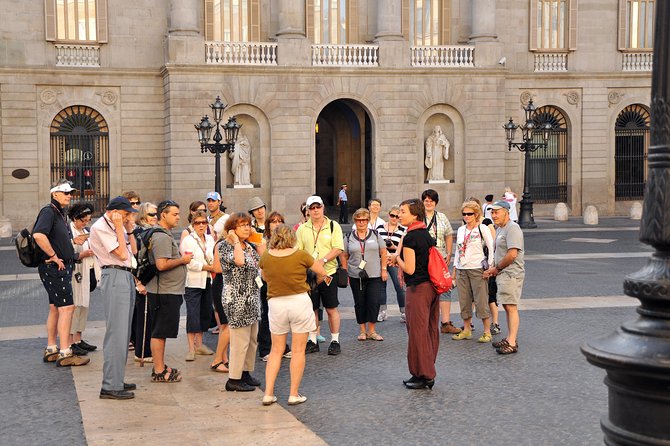
Barcelona’s Barri Gotic looks compact on a map, but it contains several different cities layered on top of one another. Roman Barcelona lies below the medieval town, and later buildings have changed the streets again. A guide helps you notice those changes instead of simply admiring stone walls and pretty squares.
I particularly like this tour as an opening activity. After two hours, you have a basic map in your head: the cathedral area, Plaça del Rei, the Roman remains, and the small lanes connecting them. You can then return to the places that caught your eye, or use the route to plan the rest of your time in the old city.
This is not a museum-heavy tour. It is a walking lesson delivered in the streets, with stops for buildings, courtyards, squares, and historical details. The best guides keep the information manageable. Alberto, for example, has been praised for using visual aids to show how Barcelona looked in the past and how it changed over time. That can make the stonework easier to understand.
More Walking Tours in Barcelona
- Barcelona Tapas and Wine Experience Small-Group Walking Tour
★ 5.0 · 5,804 reviews - Barcelona: Tapas Walking Tour with Food, Wine, and History
★ 4.8 · 4,261 reviews - Barcelona Tapas Walking Tour: Food, Wine & History
★ 4.5 · 1,928 reviews
Starting at Pla de la Seu
The meeting point is Pla de la Seu, 2, in Ciutat Vella. This places you right in the cathedral area, a sensible starting point for a walk through the old quarter. The location is near public transportation, but you should still allow time to find the exact meeting spot, especially if you are arriving in the morning when the surrounding streets may already be active.
The tour is offered in English, with the start time set by the operator. Check your confirmation carefully because the exact departure time depends on the language option and the date you choose. A mobile ticket is provided, so keep your booking accessible on your phone.
The first moments matter. Listen for the guide and look for the group rather than assuming the tour begins at a ticket booth. The activity ends back at the same meeting point, which makes it easy to continue toward the cathedral, La Rambla, or another part of the city afterward.
The Barri Gotic: streets, squares, and stories
The main stop is the Gothic Quarter itself. That sounds broad, but it is the point: you spend most of the walk moving through the district’s streets and old buildings rather than visiting one single attraction.
Expect frequent pauses while the guide explains the people and events connected with the area. The better guides add small details that you would likely miss on your own. One guide may point out a detail in a facade; another may explain how the street plan reflects an older period of the city. The tour’s value comes from connecting those small observations.
The quarter is also a good place for photographs. Narrow lanes open suddenly onto quiet squares, and medieval buildings create strong contrasts of light and shade. The walk can feel calmer than the main avenues nearby, though parts of the Gothic Quarter are popular and may be crowded at times.
You should wear comfortable shoes. The tour is only about two hours, and it is described as an easy walk for a wide range of ages, but you will remain on your feet throughout. Bring water, particularly in warm weather, and consider a hat or light rain protection because the activity runs in most ordinary conditions. One guide continued explaining the buildings in rainy weather, but wet stone streets can still be slippery.
The Temple d’August and Roman Barcelona
One of the most rewarding stops is the MUHBA Temple d’August. These Roman columns are easy to miss because they are enclosed within the later city rather than displayed in a large open ruin. That setting is part of the lesson. Ancient Barcelona is not somewhere outside the modern city. It is tucked into the medieval quarter.
The Temple d’August is described as the best-preserved Roman relic in Barcelona. A guide gives you the context to see it as more than an attractive fragment. You learn that the Gothic Quarter occupies the area of the ancient Roman city, so the narrow streets and later buildings sit above an older urban plan.
This stop also shows why a guided walk works well here. If you explore alone, you might find the columns, take a photograph, and continue. With an explanation, the remains become a clue to the city’s earlier identity. It is a compact stop, but one that adds real depth to the rest of the route.
More Gothic Quarter walks:
- Barcelona Gothic Quarter Tapas & Taverns Food & Wine Tour
★ 5.0 · 1,470 reviews - Barcelona: Gothic Quarter Ghosts and Legends Walking Tour
★ 4.7 · 1,443 reviews - Barcelona: Old Town and Gothic Quarter Walking Tour
★ 4.8 · 1,393 reviews - Barcelona Old Town & Gothic Quarter Small Group Tour
★ 5.0 · 1,308 reviews
Plaça del Rei and Santa Agata Chapel
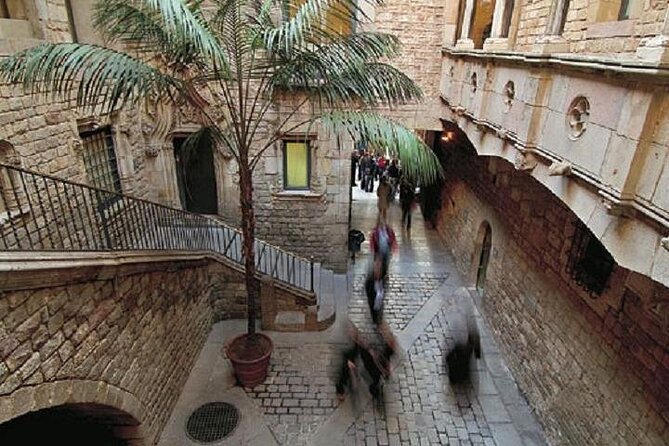
Plaça del Rei is the tour’s main medieval setting. The square is surrounded by old buildings and has a more formal, enclosed feeling than many of the quarter’s smaller lanes. It is a place where the guide can explain Barcelona’s medieval power, architecture, and public life in one setting.
The Palatine Chapel of Santa Agata is part of this stop. The chapel adds religious architecture to the walk, while the surrounding buildings help you picture the political importance of the square. Details can vary with the guide and the pace, but this is one of the places where a short explanation makes the architecture far more meaningful.
Some tours also focus on details inside or around the cathedral area, including the cathedral’s famous geese and a good-luck turtle. Those small features have become memorable parts of the experience for some participants, but you should not assume that every guide will spend the same amount of time on them.
That variation is worth noting. One dissatisfied customer felt too much time was spent at the cathedral and not enough on the wider quarter. If you want a brisk route with many separate stops, tell the guide early. If you enjoy a slower explanation of one major building, the cathedral area may suit you well.
The guides make the difference
The strongest part of this experience is the guide. Alberto and Albert have been singled out for lively explanations of Barcelona’s past, with Albert also described as a historian born in the city. Pilar is praised for her friendly manner and for explaining details that people had previously walked past without noticing.
Other guides named in the feedback include Alex, Feliciano, David, and Geordi, also called George. David used an earpiece system that helped people hear from the back of the group. Feliciano was praised for bringing the quarter to life, while Alex was valued for explaining lesser-known places and historical details.
Those comments point to what you should expect from a good tour: not just dates and names, but a clear explanation of why a place matters. The best guides balance facts with stories and leave you with enough information to remember the route without burying you in a lecture.
Still, guide quality is not perfectly predictable. One guide struggled with the microphone for about 45 minutes and eventually stopped using it, causing a major delay. Another complaint involved the guide not arriving at all. These appear to be serious exceptions rather than the general pattern, given the high overall rating, but they are worth keeping in mind when scheduling another fixed activity soon afterward.
Group size, pace, and comfort
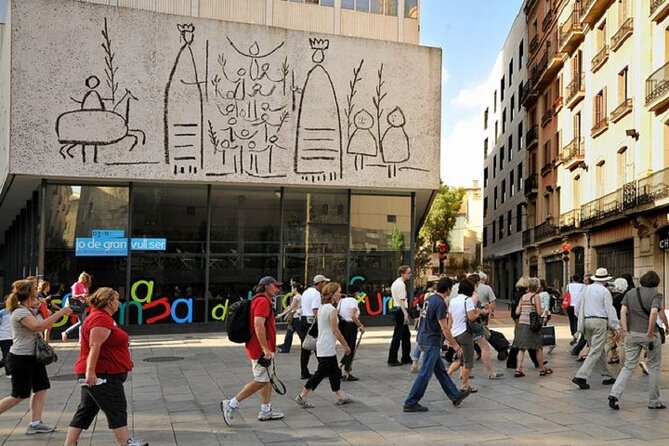
The group is limited to 20 people. That is not a private tour, but it is small enough for the guide to manage without creating a large procession through the narrow lanes. A smaller group also makes it easier to hear questions and stay close to the guide.
The pace is generally manageable. An eight-year-old completed one tour without complaint, and the route has been described as suitable for all ages. You will still be walking and standing for nearly two hours, so this is not the right choice if you need frequent seated breaks.
The tour can include periods of explanation at one spot before moving on. One person would have preferred more walking and less talking, while others liked the amount of information. If you prefer constant movement, you may find the talks slow. If you want the quarter explained properly, those pauses are the reason to book a guided walk instead of wandering alone.
What the $33.26 price really buys
At $33.26 per person, the price is reasonable if you want orientation and historical context rather than a ticketed attraction. The fee includes a local guide, but not food, drinks, hotel pickup, or drop-off. The listed stops do not add separate admission charges, so you are mainly paying for the guide’s time and interpretation.
That value depends on your interests. If you already know Barcelona’s history and enjoy researching buildings with your phone, you may prefer to explore independently. If this is your first visit, the guide can save you from passing important sites without understanding them.
I see the strongest value for a first morning or early afternoon in Barcelona. You get a framework for the old city, then you can choose which places deserve more time. The tour is also useful if you have only a short stay and want to see several important areas without booking a full-day activity.
Practical details before you book
The experience lasts approximately two hours and finishes where it starts. It is offered in English, and confirmation is sent when you book. The activity is near public transportation, service animals are allowed, and most people can participate.
Food and drinks are not included. Bring your own water and eat before or after the walk if you need a proper meal. The tour description does not promise a cafe stop, though one account mentions a pleasant pause for local coffee or food, so treat that as guide-dependent rather than guaranteed.
The experience is non-refundable and cannot be changed after booking. That makes timing important. Check the meeting point, language, and departure time before paying, and avoid placing another tightly scheduled tour immediately afterward. The walk normally takes about two hours, but a technical problem or a slower explanation could make the finish later than planned.
Who should choose this walk
I would choose this tour for a first visit, a short stay, or the first full day of a Barcelona trip. It gives you the essentials of the Gothic Quarter without demanding a half-day commitment. Families can manage the length, and the subject matter works for adults who enjoy architecture, history, and local stories.
It also suits repeat visitors who feel they have walked through the quarter without really understanding it. The Roman columns and medieval squares can look familiar after one visit, but a good guide may show you details you missed before.
I would hesitate if you dislike group walks, need a guaranteed private pace, or already have a tightly packed schedule. I would also be cautious if you are booking only because you expect a deep cathedral visit, since the focus is the wider Gothic Quarter and the balance between stops may vary by guide.
Should you book the Barcelona Gothic Quarter Walking Tour?
Yes, if you want a practical introduction to Barcelona’s oldest central district and value explanation over sightseeing alone. The Temple d’August, Plaça del Rei, and Santa Agata Chapel give the route solid historical anchors, while the narrow lanes supply the atmosphere.
Book it with realistic expectations. You are paying for a two-hour guided walk, not a private tour or a full museum program. The best guides, including Alberto, Pilar, Alex, Feliciano, and David, can make the quarter vivid through stories, visual aids, and well-paced explanations. The main risk is uneven guide performance or a technical issue.
For most first-time visitors, the reasonable price, short duration, central meeting point, and strong record make this a useful choice. Schedule it early in your stay, leave breathing room afterward, and use the route as a starting point for your own exploration.
FAQ
How long does the Barcelona Gothic Quarter Walking Tour last?
The tour lasts approximately two hours and ends back at the original meeting point.
Where does the tour start?
It starts at Pla de la Seu, 2, in Ciutat Vella, Barcelona, near public transportation.
What language is the tour offered in?
The tour is offered in English. The departure time depends on the language selected and the schedule set by the operator.
What places are included on the route?
The route includes the Gothic Quarter, the MUHBA Temple d’August, and Plaça del Rei, including the area around the Palatine Chapel of Santa Agata.
Is food or drink included?
No. Food and drinks are not included unless specifically stated.
How many people can join the tour?
The activity has a maximum group size of 20 travelers.
Recently added around Barcelona
- Entrance to the Mirador Torre Glories Barcelona★ 4.5 · 193 reviews
- Park Guell Guided Tour with Skip the Line Tickets★ 4.0 · 739 reviews
- Bohemian Barcelona Neighborhood Evening Tapas & Wine Tour★ 5.0 · 419 reviews
- Transfers From Cruise Port to Barcelona Airport★ 4.5 · 155 reviews
- Authentic Flamenco Show Barcelona : Intimate Casa Sors Experience★ 5.0 · 809 reviews
- Barcelona Expert Tour with Local Guide in Eco Tuk Tuk Private★ 5.0 · 216 reviews
- Barcelona Sunset Cruise with Light Snacks and Open Bar★ 5.0 · 476 reviews
- Barcelona: Sagrada Familia, Park Guell & Tapas Private Tour★ 5.0 · 903 reviews
Walking Tours, compared.

Barcelona Tapas and Wine Experience Small-Group Walking Tour
Read our review →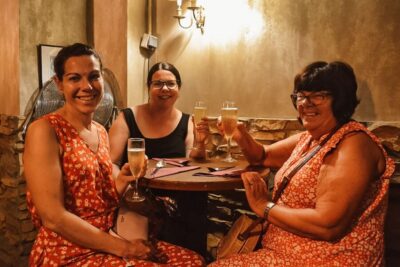
Tapas Walking Tour with Food, Wine, and History
Read our review →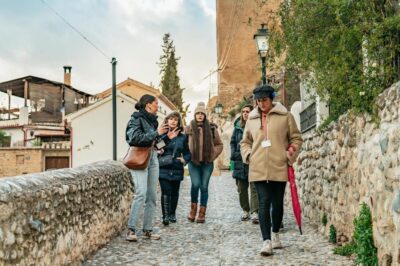
Albaicín and Sacromonte Guided Sunset Walking Tour
Read our review →
Toledo Tour & Vineyard Walk with Wine Tasting from Madrid
Read our review →

Barcelona Tapas Walking Tour: Food, Wine & History
Read our review →
Madrid Old Town & Royal Palace Walking Tour Skip the Line Ticket
Read our review →
Browse the lists this tour appears in