
Reviewed · CASTILE TOURS
Cuenca: Medieval Old Town
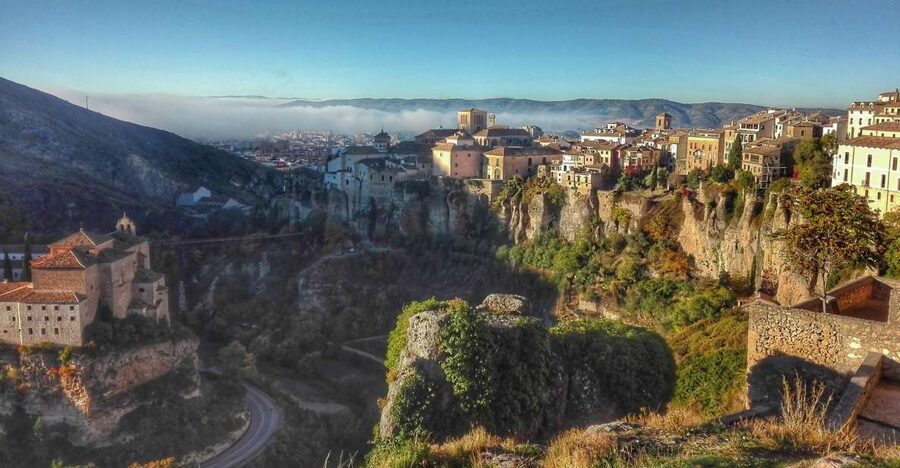
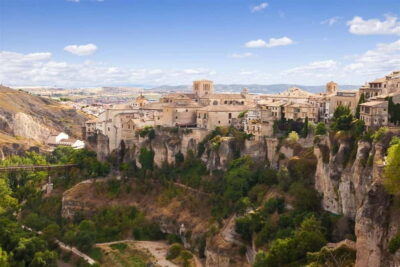
Cuenca’s old town sits on a natural rock between the deep gorges of the Júcar and Huécar rivers. The setting is striking enough on its own, but the real surprise is the way medieval buildings cling to the cliff edge, including apartments that rose 12 stories in the 16th century.
I like the tour’s small price and focused two-hour length, which make it an easy addition to a day in Castile-La Mancha. I also like having a local Spanish-speaking guide such as Ángela or Raúl explain how the narrow streets, churches, gorges, and hanging buildings fit together.
The main consideration is language: this tour is conducted only in Spanish. You should also expect hills, uneven streets, and plenty of standing, so it is not a good match for wheelchair users or people with significant mobility limits.
Key points at a glance
- A cliff-top medieval city: Cuenca’s old town occupies a natural rock above the Júcar and Huécar river gorges.
- The hanging architecture: Look up and outward for buildings that seem to project over the ravines.
- Europe’s highest historic apartments: The 16th-century apartment buildings reach 12 stories.
- A Spanish-only walking tour: Your guide explains the sights and local life in Spanish.
- A practical two-hour visit: The tour gives you a useful introduction without taking up an entire day.
- A very good price: At $10 per person, the tour offers a low-cost way to put Cuenca’s monuments and setting into context.
Why Cuenca’s old town feels so improbable
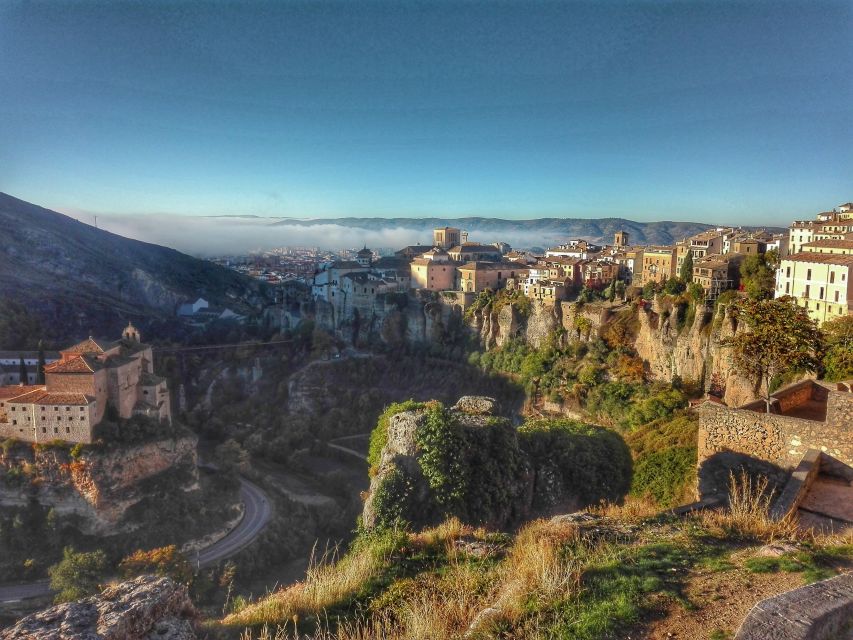
Cuenca is not simply a collection of old buildings. Its character comes from the meeting of stone, height, and empty space. The city is perched above two river gorges, so streets that look ordinary at first can suddenly open onto a dramatic drop.
That setting explains Cuenca’s nickname, the Eagle’s Nest. The old town occupies high ground, and the slopes fall away sharply on both sides. You do not need a long museum visit to understand why this place was built here. A walk through the streets gives you the basic answer: the rock offered a naturally defensible position, even if building on it required some bold engineering.
The old town was named a UNESCO World Heritage Site in 1996. That designation matters here because Cuenca preserves a whole urban setting, not just one famous monument. You are seeing streets, churches, homes, viewpoints, and cliffside construction working together as one historic city.
I find this kind of tour useful because the guide can point out the relationship between the buildings and the terrain. Without that context, you may simply photograph the hanging houses and move on. With an explanation, the city’s unusual shape begins to make sense.
A few more Castile half-days worth comparing
- From Madrid: El Escorial and Valley’s Basilica Half Day Tour
★ 4.4 · 638 reviews - From Madrid: Day Trip to Ávila and Salamanca w/ Guided Tour
★ 4.5 · 456 reviews - Madrid: Cuenca Day Tour with or without Enchanted City
★ 4.8 · 398 reviews
Meeting below City Hall
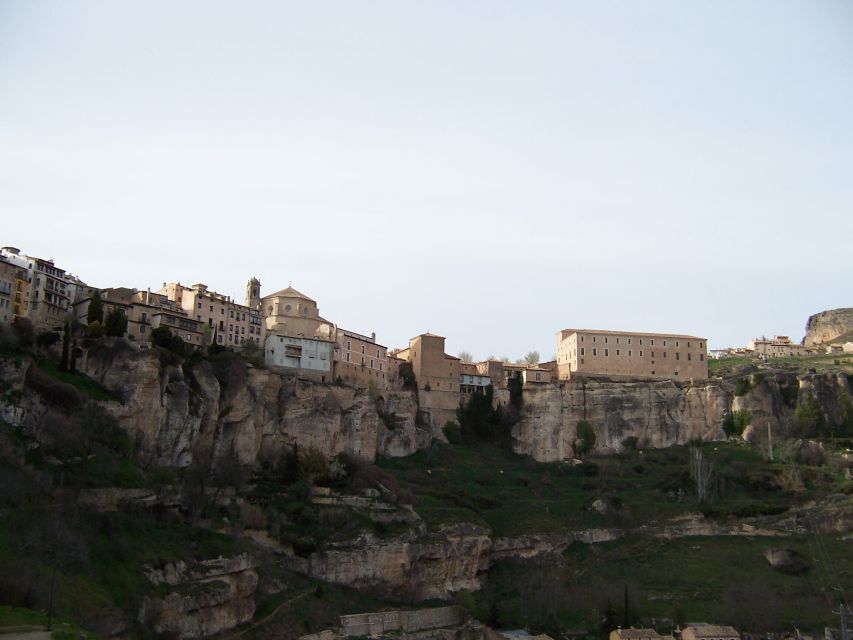
The meeting point is easy to identify: go to the arches below Cuenca City Hall, next to the tourist office. Look for the guides in red uniforms, and arrive at least five minutes before the scheduled start.
This is a walking tour, not a sightseeing bus trip. There is no pickup service, so you need to make your own way to the city center and the meeting point. That is a small but important detail if you are staying outside the old town or arriving with limited time.
The starting area places you near the historic center from the first minute. You will not spend the opening part of the tour waiting for transport or driving between sights. The guide can begin with the city’s position, its medieval past, and the two gorges that shape everything you see.
If you are joining with a child, a stroller may be possible on the route. One family completed the tour with a one-year-old in a stroller without trouble. Still, that does not make the walk suitable for every mobility need. The official information excludes wheelchair users and people with mobility impairments, and Cuenca’s slopes and narrow streets can make movement demanding.
Walking the narrow medieval streets
The heart of the experience is a guided walk through Cuenca’s old town. Expect tight streets, historic buildings, and frequent changes in elevation. The route is designed to show you the main monuments while also giving you a sense of ordinary life in the old city.
This is where the Spanish-only format matters most. Your guide does more than point at façades. You get explanations of the monuments, local customs, and the way people have lived in this unusual setting. The tour can also give you basic orientation, which helps if you plan to explore on your own afterward.
Ángela has led the tour with a warm, humorous manner, and Raúl has handled large groups while keeping people moving through Cuenca’s lanes. Those details suggest that the guide’s personality can shape the experience. A lively guide can make a two-hour walk feel easy and social, while a slower presentation may test your patience if you prefer to cover ground quickly.
The pace is worth considering. One person found the tour too slow, with too much time spent standing while the guide told stories. That criticism is useful, especially if you want a fast checklist of sights. The tour is better suited to you if you like pauses, explanations, and local stories rather than racing from one viewpoint to the next.
The hanging houses and cliff-edge views
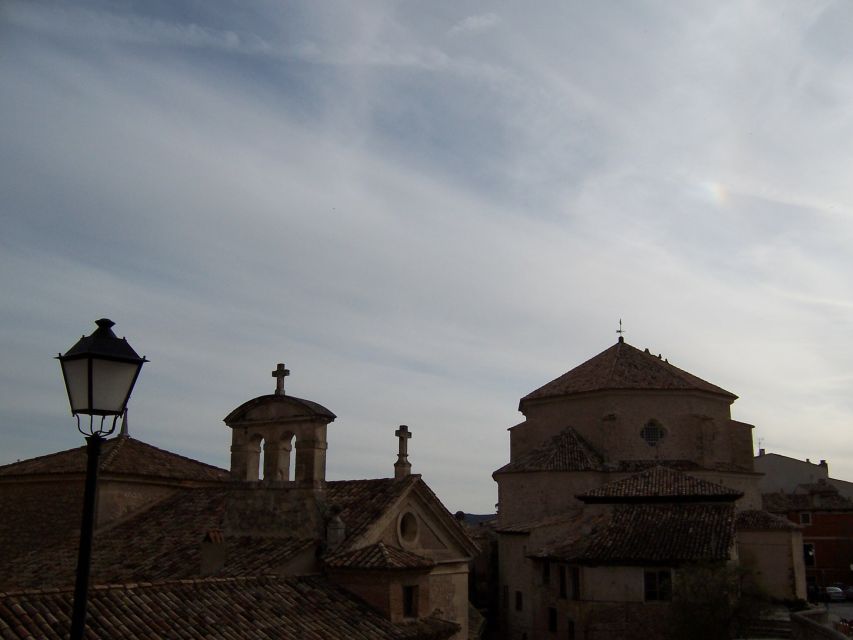
Cuenca’s hanging houses are the visual centerpiece. These buildings appear to extend over the side of the gorge, creating the implausible architecture promised by the tour description. From the right angle, the buildings seem to balance above open space.
The word hanging can make the structures sound like they are floating. They are not, of course, but their placement gives that impression. The important point is to look at the buildings as part of the cliff, not as isolated monuments. Their height and position show how the city adapted to ground that was steep, narrow, and difficult to build on.
You should pay close attention to where the group stops for views. A disappointing part of the route, for some visitors, is that the tour may not include crossing the bridge for the best view of the old town. The bridge offers a particularly strong perspective toward the cliffside buildings and the historic center.
If your guide does not cross it, you may want to step away from the group afterward and make that short detour yourself. This is one of the clearest practical tips for getting more from the visit. The guided walk gives you the story and orientation, but you may need a little independent time to collect the most dramatic photographs.
The gorge views are not a minor extra. They explain why Cuenca feels so different from a flat Spanish historic town. You look down toward the Júcar and Huécar ravines, then back up at buildings rising from the rock. That contrast is the main visual reward of the walk.
Same base in Castile, a completely different kind of day:
- Salamanca Sightseeing Walking Tour with Local Guide. Spanish
★ 4.7 · 312 reviews - Avila & Salamanca Tour with Tickets to Cathedral + Medieval Wall
★ 4.5 · 250 reviews - Royal Site of San Lorenzo de El Escorial Entrance Ticket
★ 4.4 · 239 reviews - Tour Guiado En Tuk Tuk Recorre Avila De La Forma Mas Comoda
★ 4.4 · 235 reviews
The 12-story apartments from the 16th century
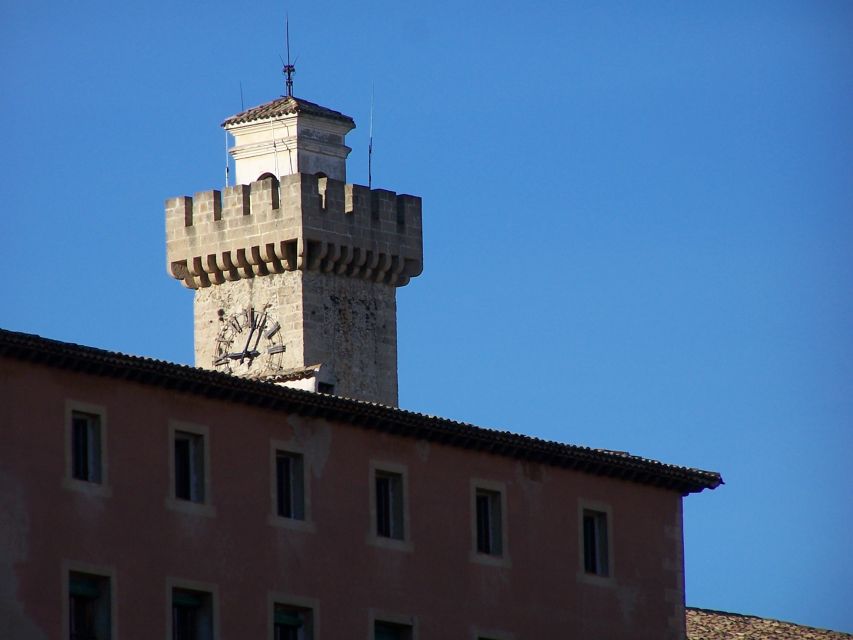
One of the most unusual facts covered on the tour is the existence of 16th-century apartments rising 12 stories. They are described as the highest apartments in Europe from that period, and they help explain why Cuenca’s old town feels so vertical.
In many historic cities, the old center spreads along a street or square. In Cuenca, buildings climb and hang because the available ground is limited. The apartments are a practical response to that problem, but they also became part of the city’s distinctive appearance.
You may find the scale hard to grasp from one angle. Keep looking up and down as you walk. The height of the buildings becomes clearer when you compare them with the gorge below and the streets above. A guide can point out details that would be easy to miss if you were only searching for the most famous houses.
This is also a good example of why the tour is more useful than a self-guided photo stop. You could see the apartments on your own, but you might not understand their date, purpose, or importance. The guide connects the architecture with Cuenca’s geography and local way of life.
Churches, monuments, and local stories
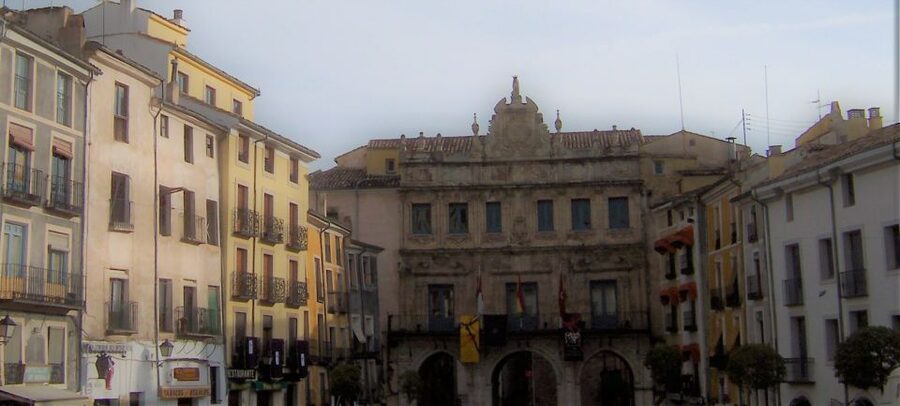
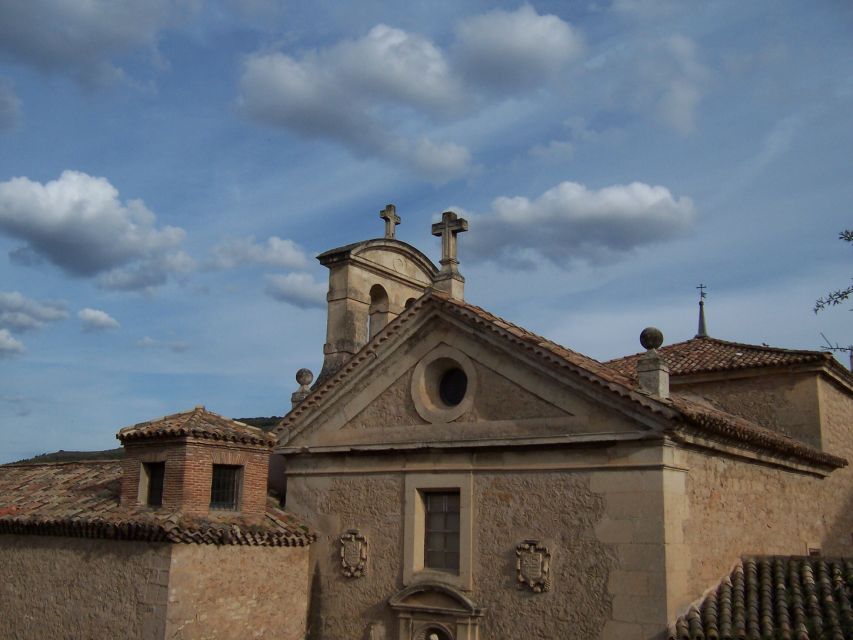
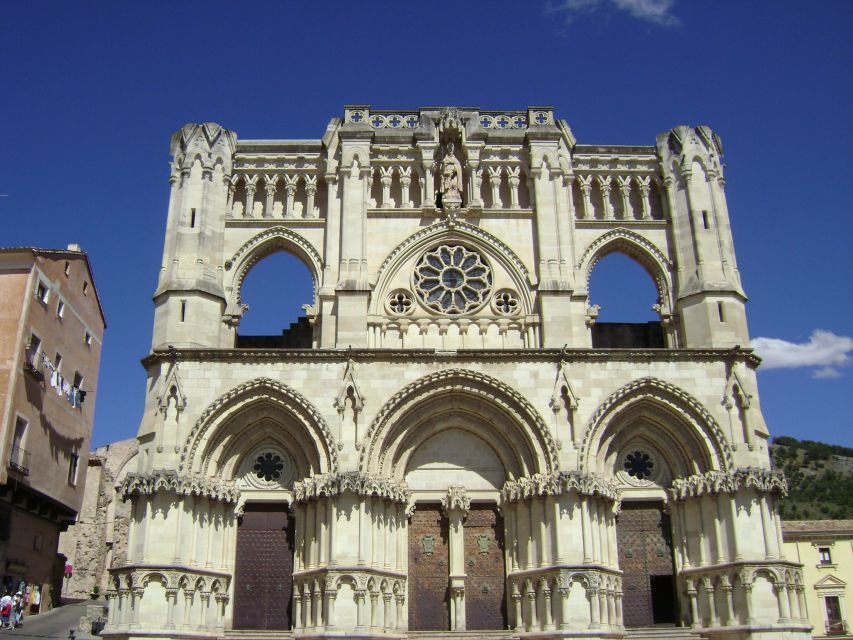
Cuenca’s old town includes splendid ecclesiastical architecture, and the tour introduces you to the main monuments along the route. The available details do not promise interior access to every church or monument, so you should think of this as a guided orientation walk rather than a series of full museum visits.
That distinction helps set the right expectation. You will learn what you are looking at, hear about the city’s past, and move through the historic center. If you want long visits inside individual buildings, you may need extra time on your own after the tour.
The stories are part of the bargain. One person felt that some of the storytelling did not add enough to the sightseeing, while others appreciated guides who were funny, detailed, and able to connect with a mixed group. I would treat this as a style issue rather than a flaw in the whole experience.
If you enjoy history presented through anecdotes, the pauses may be welcome. If you prefer a tight schedule and constant movement, the same pauses may feel long. The best guide for you will be one who explains the city without losing sight of the route.
What two hours gives you for $10
The tour costs $10 per person and lasts two hours. That is strong value if you want an introduction to Cuenca without committing to a full-day activity. You receive a local guide, a planned route, explanations of the old town, and help reading the city’s unusual architecture.
The value comes from the setting as much as the price. Cuenca can be confusing on your first visit because the old town is compact but steep, with roads, lanes, bridges, and viewpoints arranged around the gorges. A guide helps you understand where you are and why the city looks the way it does.
At the same time, this is not a private tour with a flexible route. It is a standard guided walk, and the pace may be set by the group. If you want to stop for long photographs, enter every church, or linger at the bridge, you may need to continue exploring after the two-hour walk.
The $10 price makes that easy to accept. You are not paying a large amount for a rigid, all-day program. You can take the guided introduction, then decide which areas deserve more of your time.
The activity also offers free cancellation up to 24 hours before the start and a reserve-now, pay-later option. Those terms are useful if your schedule in Spain is still changing, but the central value remains the same: a low-cost way to get context for Cuenca’s most unusual sights.
Language, pace, and comfort
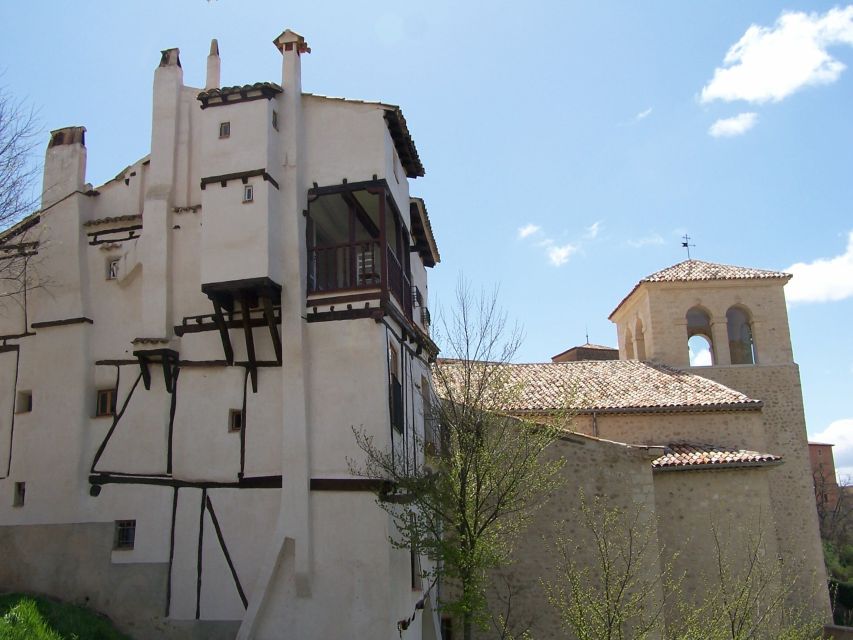
This tour is conducted only in Spanish. You should be comfortable following a live explanation in Spanish before booking. The guide may be lively, funny, or detailed, but the experience will not include an English-language version based on the information provided.
The Spanish-only format can be a plus if you want to practice listening in a real setting. It also gives you direct access to local expressions and stories. If you understand little Spanish, though, the architecture will still be worth seeing, but much of the tour’s value will be harder to follow.
Wear comfortable shoes and expect to walk through historic streets with slopes and uneven surfaces. The tour is not suitable for wheelchair users or people with mobility impairments. A stroller has worked for at least one family, but you should still consider your child’s needs and the exact route on the day.
Group size is not specified. One guide, Raúl, has led a large group successfully, so you should be prepared for the possibility of a group walk rather than an intimate private visit. Arriving five minutes early helps you find the red-uniformed guide and avoid a rushed start.
Who should book this Cuenca walk?
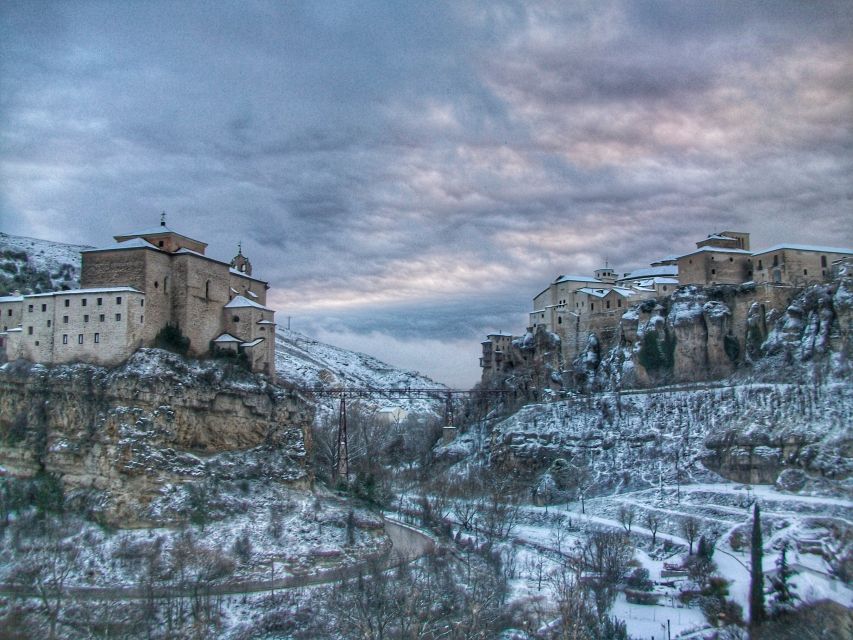
I would recommend this tour to you if you are visiting Cuenca for the first time and want the old town explained in a short, affordable format. It suits people who enjoy city walks, unusual architecture, river-gorge views, and stories about how local residents adapted to a difficult building site.
It is also a good choice if you have only part of a day in Cuenca. Two hours gives you a clear introduction, leaving time for photographs, the bridge, churches, and independent wandering afterward.
You may want to skip it if you do not understand Spanish, need step-free access, or dislike stopping to listen to historical stories. You may also prefer to explore alone if your main goal is to move quickly and photograph the hanging houses from several angles.
Should you book the Medieval Old Town tour?
Book it if you want a low-cost Spanish introduction to Cuenca’s remarkable setting. The best parts are the explanation of the cliffside city, the views into the Júcar and Huécar gorges, the hanging houses, and the remarkable 12-story apartments from the 16th century.
Go in with realistic expectations. This is a walking orientation, not a deep visit inside every monument, and the route may not include the bridge viewpoint you most want to see. Plan a little extra time afterward for independent views and photographs.
With a 4.7 rating from 152 bookings, the experience has earned strong overall approval, especially for friendly guides such as Ángela and Raúl. At $10, it is a sensible choice for Spanish-speaking visitors who want Cuenca’s strange and beautiful old town to make sense.
FAQ
How long is the Cuenca Medieval Old Town tour?
The tour lasts two hours. Starting times vary, so you should check availability when booking.
What language is the tour conducted in?
The tour is conducted only in Spanish with a live Spanish-speaking guide.
Where is the meeting point?
Meet below the arches of Cuenca City Hall, next to the tourist office. Look for guides wearing red uniforms.
Is hotel pickup included?
No. Pickup service is not included, so you need to reach the meeting point independently.
What are the main sights on the tour?
The walk covers Cuenca’s old town, narrow medieval streets, views of the Júcar and Huécar river gorges, hanging buildings, historic monuments, and 16th-century apartments that rise 12 stories.
Is the tour suitable for wheelchair users?
No. The tour is not suitable for wheelchair users or people with mobility impairments.
Can I cancel the tour for a refund?
Yes. You can cancel up to 24 hours before the scheduled start for a full refund. You can also reserve now and pay later.
Recently added around Castile
- Guided Tour of Albarracín and Casa Noble★ 5.0 · 105 reviews
- From Madrid: Alcalá de Henares & Cervantes Museum Day Trip★ 4.5 · 108 reviews
- From Madrid: Day Trip to Ávila and Salamanca w/ Guided Tour★ 4.5 · 456 reviews
- From Madrid: El Escorial and Valley’s Basilica Half Day Tour★ 4.4 · 638 reviews
- Madrid: Cuenca Day Tour with or without Enchanted City★ 4.8 · 398 reviews
- Royal Site of San Lorenzo de El Escorial Entrance Ticket★ 4.4 · 239 reviews
- Salamanca: Cathedral of Salamanca Ticket with Audio Guide★ 4.6 · 197 reviews
- Salamanca Sightseeing Walking Tour with Local Guide. Spanish★ 4.7 · 312 reviews
Castile Tours, compared.
El Escorial and Valley’s Basilica Half Day Tour
Read our review →
Salamanca Sightseeing Walking Tour with Local Guide. Spanish
Read our review →
Avila & Salamanca Tour with Tickets to Cathedral + Medieval Wall
Read our review →
Royal Site of San Lorenzo de El Escorial Entrance Ticket
Read our review →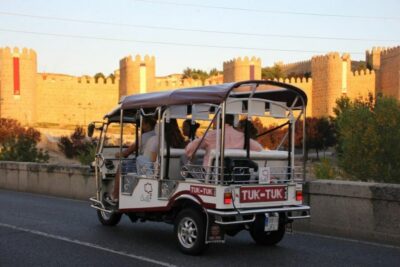
Tour Guiado En Tuk Tuk Recorre Avila De La Forma Mas Comoda
Read our review →
Browse the lists this tour appears in