
Reviewed · GALICIA TOURS
7-Day Tour of the French Way of Santiago from Sarria
Sarria is the classic starting point for earning the Compostela, and this seven-day walk to Santiago gives you the full pilgrim rhythm without asking you to carry your suitcase. You walk from town to town, collect stamps in your credential, eat well, and let Galicia do the talking.
I like the luggage transport, which leaves you free to walk with only a daypack. I also like the steady mix of woodland paths, small villages, churches, medieval bridges, and local food, especially octopus in Melide and Arzúa-Ulloa cheese. The main caution is that accommodation quality can vary, and the 29-kilometer day to Arzúa is a serious outing.
Key points to know before you book
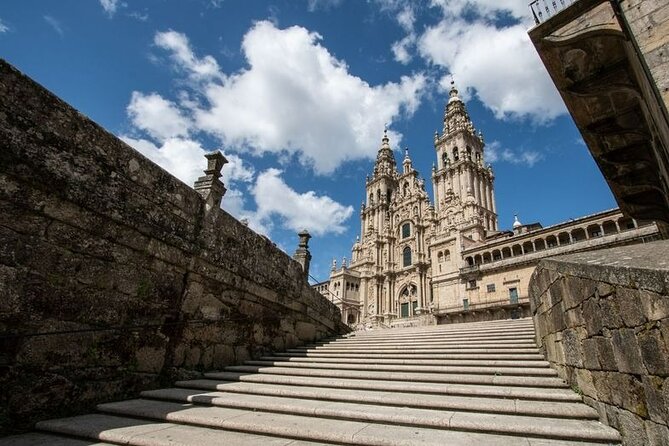
- Sarria to Santiago in six walking stages: You cover the final section of the French Way, with the finish in the Plaza del Obradoiro.
- The longest day is 29 kilometers: The stage from Palas de Rei to Arzúa is scenic but calls for good preparation.
- Your main bag travels ahead: Luggage transport is included, so you can walk with a light pack.
- Six breakfasts are included: Lunches, dinners, flights, and other personal spending are not.
- You receive an official pilgrim credential: Stamp it along the route, then collect your Compostela in Santiago.
- The experience is private: Only your group participates, though the Camino itself is a social route with people from many countries.
Why Sarria is the right starting point
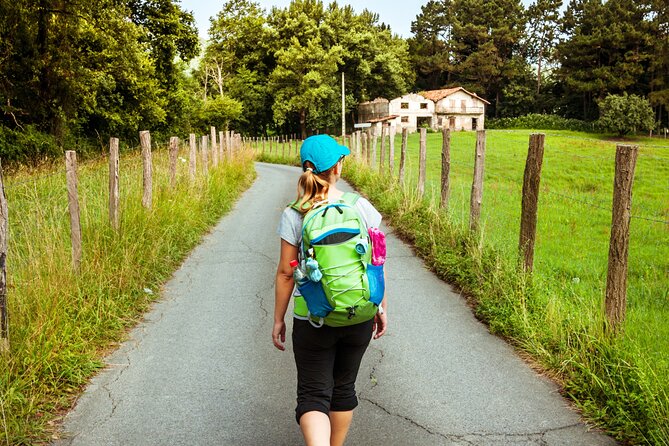
Sarria is not simply a meeting point. It is where you begin to shift from ordinary holiday mode into Camino mode. After arriving on your own and checking into your accommodation, you have time to walk the cobbled old streets, sit along the Malecón promenade, and watch the town’s pilgrim traffic settle into an easy rhythm.
That arrival day matters. You are not thrown straight into a long walk after a flight or train journey. You can collect your bearings, prepare your credential, check your footwear, and decide how much water and clothing you really need for the next morning.
The practical reason many people begin in Sarria is distance. This section gives you enough walking to qualify for the Compostela, provided you meet the credential requirements and collect the needed stamps. It also gives you a concentrated week of rural Galicia without committing to the full route from France.
Your start time is listed as 8:00 a.m. That is sensible for a walking holiday, especially on the longer stages. The exact daily routine depends on your accommodation and pace, so keep your mornings flexible.
A few more Galicia half-days worth comparing
- Ría de Arousa: Boat Ride to Mussel Farm with Tasting
★ 4.7 · 845 reviews - From Santiago: Tour to Rias Baixas with Boat Trip and Winery
★ 4.7 · 400 reviews - Guided Visit to the Estrella Galicia Museum with Beer Tasting
★ 5.0 · 382 reviews
Sarria to Portomarín, an easy introduction
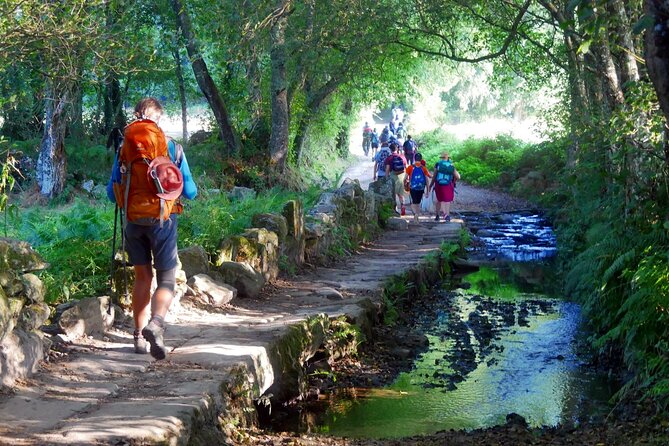
The first walking stage takes you from Sarria to Portomarín in about five hours. It is a welcoming start, with forests, rivers, pasture, and small rural villages rather than steep mountain paths.
The route includes churches at Barbadelo and Ferreiros. They give the day some historical shape without turning the walk into a museum tour. You can stop along the way for a drink or a rest, which helps you settle into the practical rhythm of the Camino: walk, pause, eat, repeat.
Near Portomarín, the Belesar reservoir appears in the distance. The town itself has an unusual story. Its original location was flooded when the reservoir was built on the Miño River, and the settlement was moved higher up the valley. On a clear day, you may see traces of the old town below the water.
Portomarín is a good first overnight stop because it offers time to relax and eat after a manageable day. The route is not flat all the way, but it is described as comfortable, with no major difficulty. Still, do not treat the first stage as a free pass. Six days of walking lie ahead, and small foot problems grow quickly if you ignore them.
Palas de Rei and the first serious test
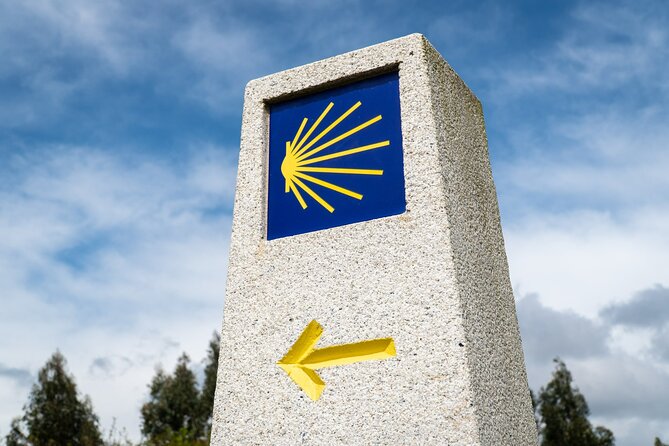
The next stage covers about 25 kilometers and combines road with mountain paths. It is still listed as roughly five hours, but distance estimates on walking itineraries depend heavily on pace, stops, detours, and the exact accommodation location.
This is a day for taking your time. A worthwhile detour leads to Castro de Castromaior, a Celtic settlement that offers a glimpse into Galicia’s pre-Roman past. Another major stop is Vilar de Donas, where a monastery and Romanesque church form one of the area’s most important historic sites. The church was declared a National Monument in 1931.
These stops show why the Camino works so well as a walking route. You are not being driven from one attraction to another. The old churches and archaeological sites appear along the path, giving your legs a reason to slow down and your mind something to consider.
Palas de Rei has the services you need at the end of the stage. You can rest, find a meal, and explore traces of its castrexo culture, including mámoas, dolmens, and castros. If you are not used to long-distance walking, this is where you should take your feet seriously. Use the afternoon for recovery rather than trying to see everything.
The long road to Arzúa through Melide
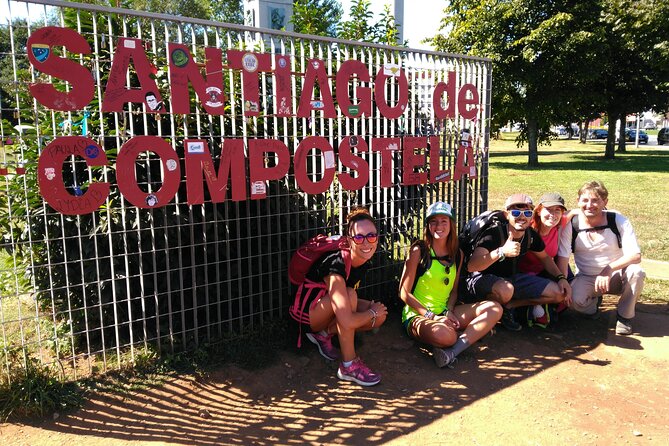
The Palas de Rei to Arzúa stage is the big one: about 29 kilometers. It is the longest stage of the French Way within Galicia on this itinerary, and it deserves respect.
The good news is that the route is also one of the prettiest. Dirt tracks, wooded sections, rural homes, and medieval bridges lead you toward the province of A Coruña. The route has the kind of changing scenery that makes a long day feel less repetitive, but the distance remains the distance.
Melide is the natural halfway prize. It is famous for Galician-style octopus, and stopping here for a plate is part of the local food culture. The meal is not just a break from walking. It gives you a taste of Galicia beyond the route markers and pilgrim menus.
After Melide, the remaining kilometers are generally less demanding, but you will still be glad to arrive in Arzúa. This is a day when the included luggage transfer really earns its keep. Carrying only a small pack can make the difference between a satisfying challenge and a slog.
Arzúa is also known for its cheese, especially Arzúa-Ulloa, a local product with protected designation of origin status. Try it with other regional foods if you have the energy. A good dinner and an early night are more valuable than a late stroll.
Same base in Galicia, a completely different kind of day:
- Excursion to Rias Baixas with Winery – Optional mussel boat
★ 5.0 · 276 reviews - Segway Tour Tower of Hercules
★ 5.0 · 249 reviews - Vigo: Walking Tour with local History & Culture
★ 4.6 · 236 reviews - O Grove: Boat Tour at the Arousa estuary with mussel tasting
★ 4.8 · 231 reviews
Arzúa to O Pedrouzo, a welcome lighter day
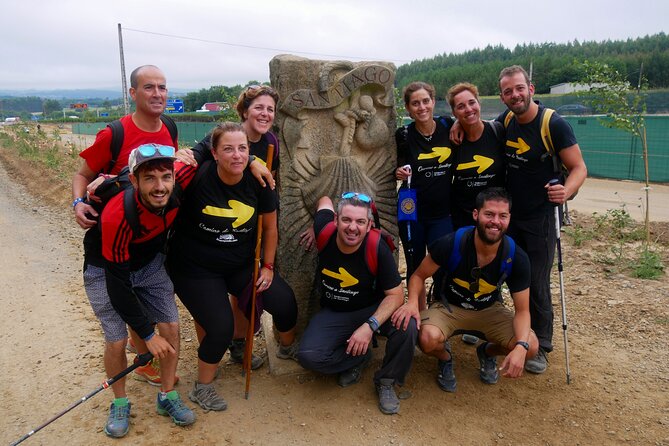
After the long haul, the stage to O Pedrouzo is shorter and easier. The route is described as flat and comfortable, with plenty of bars, shops, and places to pause.
This is the sort of day that lets you enjoy the Camino rather than simply complete it. You can walk at a measured pace, stop for coffee, and spend more time noticing the small details of rural Galicia. The route is getting close to Santiago, but the experience is not yet urban.
The usual pilgrim habit here is to go to bed early. That advice is worth following. The next morning is your final approach to Santiago, and arriving early gives you more time in the city. If your feet are tired, use this shorter stage to deal with blisters, wash clothes, and prepare your documents.
Monte do Gozo and the arrival in Santiago
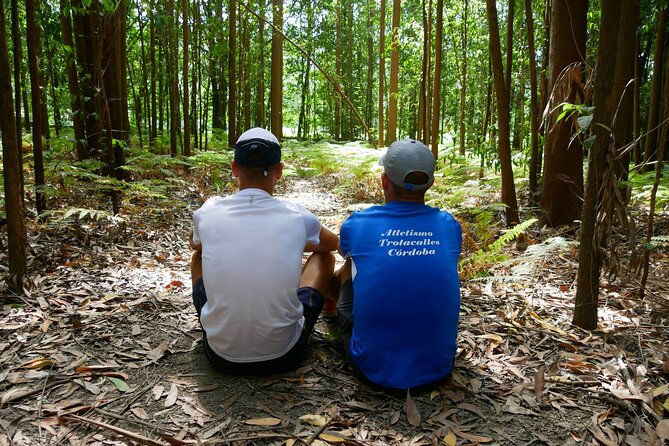
The final walking stage takes about five hours and leads into Santiago de Compostela. It is relatively short and not considered difficult, but the emotional weight is different from the earlier days.
At Monte do Gozo, the towers of the cathedral come into view. The place name means Mount of Joy, and the reason becomes clear when Santiago first appears in the distance. It is a simple view, but after several days on foot, it can feel enormous.
The descent into the city brings you through the final streets and into the Plaza del Obradoiro. This is the moment the route has been building toward. Your credential should show the stamps collected along the way, and in Santiago you can pick up the Compostela if you meet the official requirements.
Do not rush away after reaching the square. Santiago rewards slow wandering. The old town’s wet stone streets, cathedral setting, tapas, local beer, music, and Galician liqueurs all make sense after a week of walking. Rain is common enough to be part of the city’s character, and the polished stones can look especially striking in wet weather.
The final day is not another walking stage. It is a farewell day, with time to enjoy Santiago, collect your Compostela, return home, or continue onward to Finisterre. The package ends in Santiago, not at an airport, so you need to arrange your own onward transport.
What the package includes, and what it leaves to you
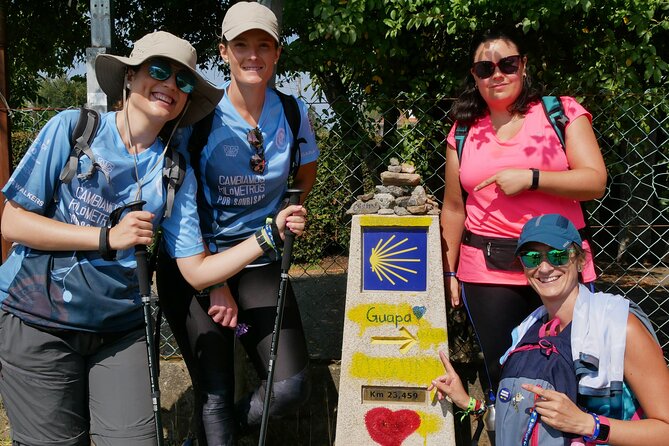
At $1,143.30 per person, the price is best understood as a logistics package rather than a guided hiking tour. You are paying for the accommodation arrangements, six breakfasts, luggage transport between stages, a pilgrim credential, and travel insurance for foreign visitors.
That can be good value if you want the Camino experience but do not want to spend each evening searching for a room or arranging the next bag transfer. One useful piece of advice is to wait before buying flights or train tickets until you receive your accommodation dates and documents. This is especially important during busy periods.
Flights are not included. You should also budget for lunches, dinners, snacks, drinks, personal purchases, and any transport you need to reach Sarria or leave Santiago. The itinerary says you arrive in Sarria on your own, so that first connection is part of your planning.
Accommodation is the less predictable part. Rural Galicia has a range of pensions, hotels, and pilgrim lodgings, and standards can differ from stop to stop. Some packages may place you close to town, while others may use accommodation outside the center when local supply is tight. Ask exactly what accommodation category you are buying before payment.
Past service feedback connected with Camino packages has been very positive about organization, luggage handling, pre-trip information, and support when someone is injured. It has also included complaints about slow replies, variable lodging, and difficulty reaching the correct emergency number. The practical lesson is simple: keep the dedicated emergency number from your route documents separate from the ordinary office contact and use the correct line if something goes wrong on the trail.
Walking comfort and preparation
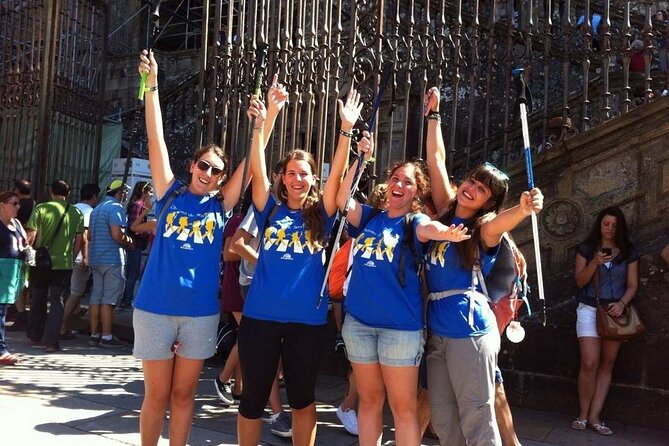
You do not need to be an elite hiker for this route, but you do need to prepare for consecutive days on foot. The 25-kilometer and 29-kilometer stages are the key tests, not the shorter final approach.
I would train with several long walks before departure. Wear the shoes you intend to use, carry the daypack you expect to carry, and learn how your feet respond to hills and hard surfaces. A light pack should still contain water, rain protection, a phone, basic first aid, and anything you need during the day.
The included luggage transfer is a major comfort. Pack one main bag within the provider’s stated limits and keep your walking essentials with you. You do not want to reach a café and discover that your jacket, medication, or charger is in the suitcase that has already gone ahead.
The experience is described as suitable for most people, but that does not mean effortless. Anyone with a knee problem, recent injury, or concern about 29 kilometers should ask about adjusting the stages before booking. A related Camino arrangement was modified to shorter 10 to 15 kilometer days for a person with an injured knee, but you should not assume that this exact package includes the same change.
Who will get the most from this Camino
This tour suits you if you want a self-guided walking experience with the hard logistics handled. You set your own pace, but you do not have to organize each hotel, arrange daily luggage movement, or find your credential after arriving.
It is also a strong option for solo walkers who want freedom but expect to meet people along the way. The private format means only your group participates in the booked activity, but the public Camino route naturally brings you into contact with other pilgrims.
Families and older walkers can enjoy it too, provided they are comfortable with the distances or arrange a modified plan in advance. One person completed a similar route with an 80-year-old parent, but that success depended on careful planning and support.
You may prefer a fully guided tour if you want someone walking beside you every day to explain monuments, manage meals, and solve problems in person. This package is better for people who want independence with a safety net.
The cancellation terms are strict close to departure. You can receive a full refund if you cancel at least six full days before the start time. Cancellations two to six days before departure receive 50 percent, while cancellations within two days are not refunded.
Should you book this seven-day route?
I would book it if your priority is to walk the final French Way from Sarria without carrying full luggage or arranging every overnight stop yourself. The credential, six breakfasts, insurance, and bag transfers make the $1,143.30 price easier to justify, especially for a first Camino.
Before paying, ask for the accommodation category, the exact hotel or pension locations, the luggage rules, and the emergency contact procedure. If the 29-kilometer stage worries you, request a shorter alternative before confirming.
Choose this route for its simple pleasures: a forest path after breakfast, octopus in Melide, cheese in Arzúa, the first view of Santiago, and the quiet pride of walking into the Plaza del Obradoiro under your own power. Skip it only if you want luxury lodging guaranteed at every stop or a fully guided, tightly scheduled holiday.
FAQ
Where does the tour begin?
The tour begins in Sarria, in Lugo, Galicia. You make your own way to Sarria and settle into the accommodation before the walking stages begin.
Where does the tour end?
The tour ends in Santiago de Compostela, in A Coruña. From there, you can return home, stay another day, or continue to Finisterre.
How long does the experience last?
The experience lasts approximately seven days. Day one is for arriving in Sarria, days two through six cover the walking route, and day seven is the final day in Santiago.
Is luggage transport included?
Yes. Luggage transportation between stages is included, allowing you to walk without carrying your main bag.
Are meals included?
Six breakfasts are included. Flights, lunches, dinners, drinks, and other personal expenses are not included.
Do I receive a pilgrim credential?
Yes. The package includes an official pilgrim credential for collecting stamps along the route.
Is the tour guided?
The activity is a private tour for your group, and English service is offered. The supplied information describes a self-guided walking format rather than a guide accompanying you on every stage.
Recently added around Galicia
- From Santiago: Lugo Ribadeo & Cathedral Beach Full-Day Tour★ 4.6 · 129 reviews
- From A Coruña: Costa da Morte & Cape Finisterre Day Tour★ 4.6 · 107 reviews
- Rías Baixas: Guided Day Tour from Santiago with Boat Ride★ 4.8 · 167 reviews
- O Grove: Ría de Arousa Catamaran Tour with Seafood Lunch★ 4.7 · 159 reviews
- From Santiago: Rías Baixas Galicia Seafood & Wine Day Tour★ 4.6 · 209 reviews
- Visit Coastal Vineyard★ 5.0 · 195 reviews
- From Santiago: Lugo & Cathedrals Beach Guided Excursion★ 4.5 · 174 reviews
- From Santiago: Tour to Rias Baixas with Boat Trip and Winery★ 4.7 · 400 reviews
Galicia Tours, compared.
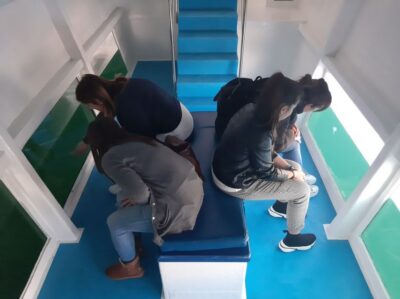
Ría de Arousa: Boat Ride to Mussel Farm with Tasting
Read our review →
From Santiago: Tour to Rias Baixas with Boat Trip and Winery
Read our review →
Guided Visit to the Estrella Galicia Museum with Beer Tasting
Read our review →
Excursion to Rias Baixas with Winery – Optional mussel boat
Read our review →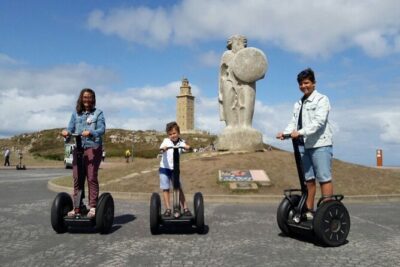
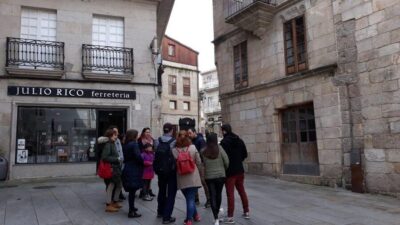
Vigo: Walking Tour with local History & Culture
Read our review →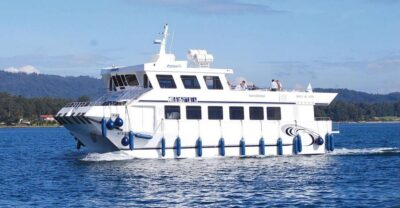
O Grove: Boat Tour at the Arousa estuary with mussel tasting
Read our review →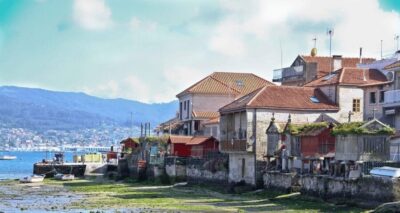
From Santiago: Rías Baixas Galicia Seafood & Wine Day Tour
Read our review →Browse the lists this tour appears in