
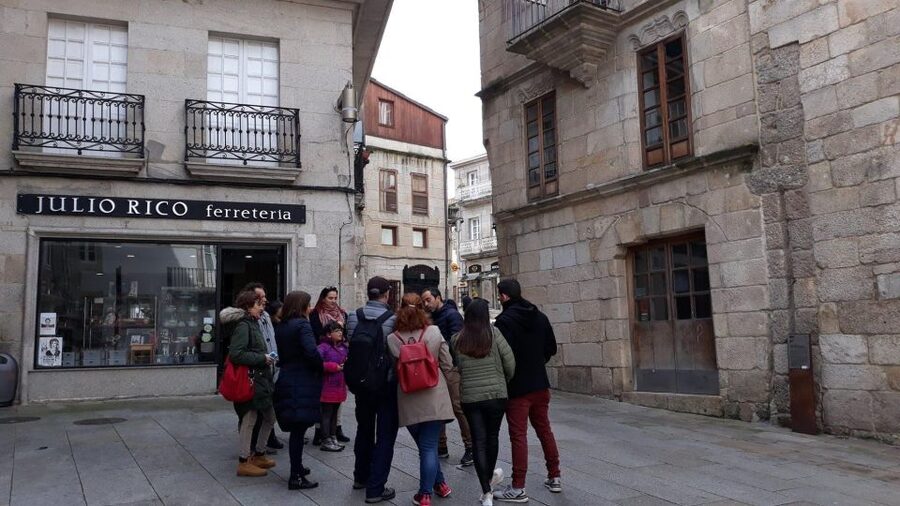
Reviewed · HISTORICAL TOURS
Vigo: Walking Tour with local History & Culture
Vigo’s best introduction may be a walk from a man-fish statue to a harbor filled with stories of emigrants, naval power, and sunken treasure. This two-hour route links the old town, San Sebastián Castle, and the port while giving you fine views across the Ría de Vigo. The Treasure of Rande adds a touch of mystery to what could otherwise be a standard city tour.
I like the way the tour mixes major sights with practical local advice. Guides such as Jorge, José Manuel, Pedro, and Omar have been praised for clear English, humor, and a real affection for Vigo. I also like the useful food tips at the end, including the recommendation of O Porco. The main caution is physical: Vigo is hilly, and some stretches are rocky, so the route can be tiring for anyone with walking or balance problems.
Key points to know before you book
- Begin beneath El Sireno: Meet at Praza Porta do Sol, where the tall man-fish sculpture makes the meeting point easy to spot.
- See Vigo from above: The route includes San Sebastián Castle, one of the best places for views across the city and estuary.
- Follow the port story: The final section explains Vigo’s growth, migration links, maritime trade, and the famous Treasure of Rande.
- Expect strong local guidance: Guides including Jorge, José Manuel, Pedro, Omar, and Borja have been praised for storytelling, English, humor, and food advice.
- Plan for hills: The tour is wheelchair accessible with an accompanying person, but steep streets, uneven ground, and long periods on your feet require care.
- Tip-based pricing matters: The advertised cost is $22 per person, with payment made at the end according to your satisfaction.
Starting with El Sireno in Praza Porta do Sol
The tour begins in Praza Porta do Sol, Vigo’s central meeting point, beside the sculpture known as El Sireno, or O Sireno in Galician. The strange, memorable figure is a man-fish raised high above the ground, so look upward rather than searching at street level.
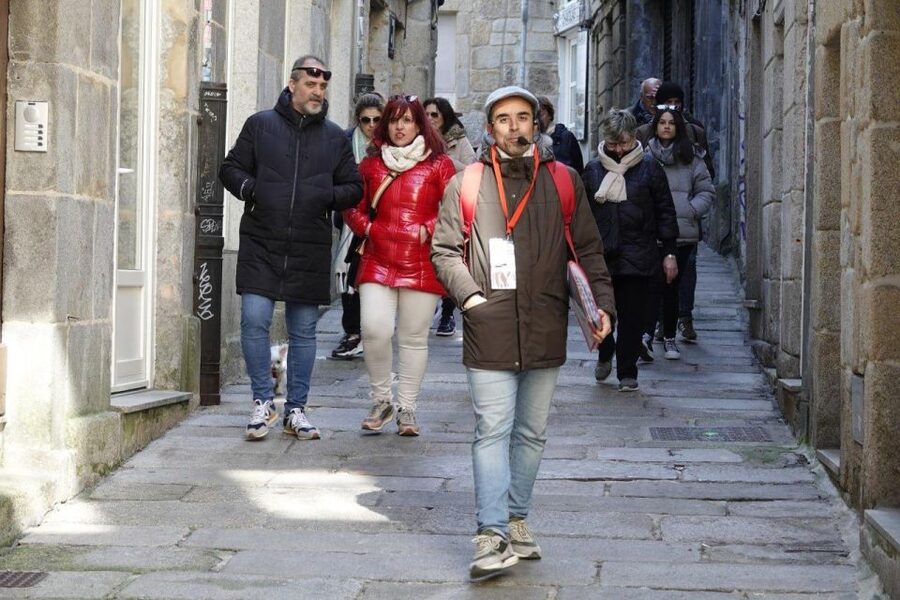
A guide with a red umbrella marks the group. That small detail matters in a busy square, especially if several walking tours are gathering nearby. The opening stop gives your guide a chance to place Vigo on the map and explain why this port city developed where it did.
Vigo is not a city that reveals itself all at once. Its old streets climb away from the water, and its modern commercial center blends into older squares and lanes. This tour helps you read those layers instead of simply passing through them.
The guide is central to the experience. The strongest reports come from people who enjoyed the personality as much as the facts. Jorge is often praised for his English, patience, and enthusiasm. José Manuel is noted for humor and clear explanations. Pedro, Omar, Borja, and George have also been singled out for making Vigo’s past easy to follow.
Guide assignments can change, so you should not book expecting one particular person. You can expect the tour to be offered in English or Spanish, and the guides are accustomed to working with mixed-language groups.
More History Tours in Galicia:
- Barcelona: Tapas Walking Tour with Food, Wine, and History
★ 4.8 · 4,261 reviews - Sevilla Food Tour: Tapas, Wine, History & Traditions
★ 5.0 · 3,468 reviews - Valencia Old Town Tour with Wine & Tapas in 11th Century Historic Monument
★ 5.0 · 3,234 reviews
Rúa Policarpo Sanz and the García Barbón Theatre
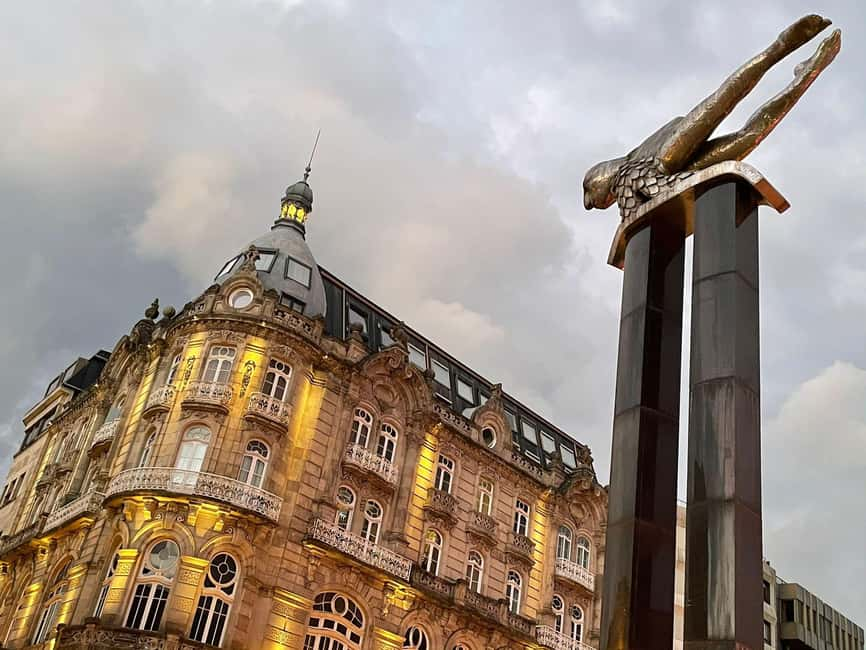
From Porta do Sol, the group moves along Rúa Policarpo Sanz toward the García Barbón Theatre. The walk is short, but it begins the shift from Vigo’s central square into the city’s grander architectural streets.
The theatre stop lasts only a few minutes, so do not expect an interior visit or a performance. Its value is in the explanation of Vigo’s cultural life and the role of public buildings in a port city that grew wealthy through shipping, trade, and connections abroad.
This is also where a good guide can make architecture useful rather than dry. Instead of asking you to memorize dates, the tour connects buildings with Vigo’s changing fortunes. You get a sense of how the city moved from a smaller coastal settlement toward the modern Galician port you see today.
The tour uses historical photographs, maps, and other documentation. These materials can help you picture streets before later construction changed them. If your group is large, the guide carries a microphone. That is helpful, although one issue remains: a large crowd can make it hard to see or hear unless you stay near the front.
Rúa do Príncipe and the Celta Vigo connection
The route continues along Rúa do Príncipe, one of Vigo’s main shopping streets, with a stop at the Tenda RC Celta, the official shop connected with the city’s football club. This is a useful reminder that local identity is not only found in monuments and museums.
A quick stop here can help you understand the emotional place of Celta Vigo in the city. You are not going inside for a shopping session, and this is not a football-focused tour. Still, the inclusion of the club gives the walk a modern local note, rather than keeping the story trapped in old stone.
The commercial setting also gives you a practical sense of Vigo. If you want time to browse, shop, or take photographs, save that for after the tour. The guide’s job here is to connect the street and the club with local life, not to provide a long retail break.
San Sebastián Castle and the finest view on the route
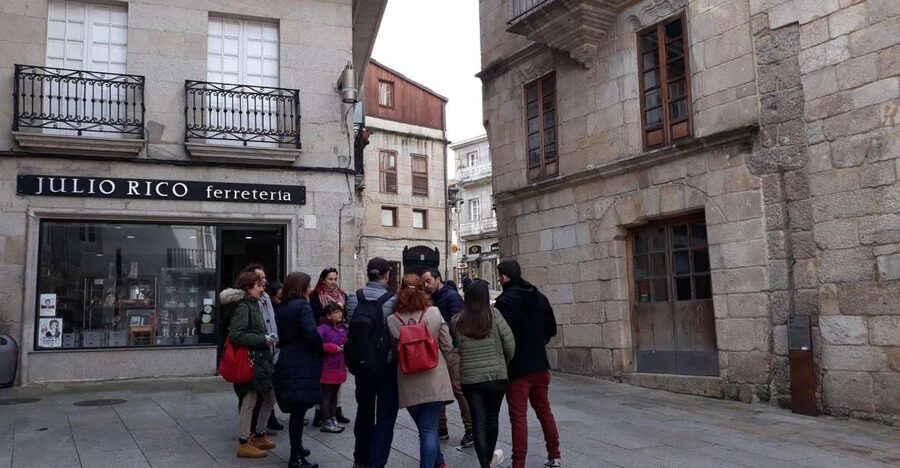
The walk then heads toward Castelo de San Sebastián. This is one of the most rewarding parts of the tour because you gain a higher viewpoint over Vigo and the Ría de Vigo.
The castle stop lasts about 15 minutes. Expect an outdoor explanation rather than a full museum visit, and remember that no entrance fees are included. The main attraction is the setting: you can look across the city, toward the water, and back over the route you have just walked.
The guide uses the view to explain Vigo’s defensive needs and its position on the Atlantic coast. Vigo has faced threats from the sea, military pressure, and periods of uncertainty. The old town’s survival becomes more meaningful when you see how exposed the city is around its estuary.
This is also a good place to ask questions. Several guides have been praised for answering questions rather than simply delivering a prepared speech. Jorge, in particular, has been described as attentive and willing to adjust the pace, offer shade or sitting breaks, and make room for different abilities.
The climb deserves honest attention. Vigo has many hills, and this section may feel demanding if your knees are weak or you have balance problems. One person described uneven, rocky areas and a route that took longer than expected. The tour is officially wheelchair accessible, but an accompanying person is required, and you should discuss your needs before setting out.
More Walking Tours in Galicia:
- Barcelona Tapas and Wine Experience Small-Group Walking Tour
★ 5.0 · 5,804 reviews - Granada: Albaicín and Sacromonte Guided Sunset Walking Tour
★ 4.9 · 2,962 reviews - Toledo Tour & Vineyard Walk with Wine Tasting from Madrid
★ 5.0 · 2,546 reviews - Madrid Walking Tour from Puerta del Sol to Retiro Park
★ 5.0 · 2,285 reviews
Rúa Ferrería and Constitution Square
After the castle, the group returns through Rúa Ferrería toward Praza da Constitución. The name points to Vigo’s older urban fabric, where narrow streets and traditional buildings offer a sharper contrast with the wider commercial avenues.
At Constitution Square, the guide spends about ten minutes explaining the character of the old center. This is one of the places where the tour’s historical theme becomes tangible. You are walking through streets that survived serious threats and repeated changes, while modern restaurants and daily city life continue around them.
I like this part because it slows the route down. The castle gives you the broad view, but the square helps you notice the scale of the old town. A guide who knows the city well can point out small architectural details and explain how public spaces worked in earlier periods.
Do not expect every stop to have a bench or table. One person wished for more seating at the stopping points. If you need regular rests, tell the guide early. The pace is usually described as comfortable, but the tour involves standing while listening, not just walking between attractions.
Praza da Igrexa and Vigo’s older streets
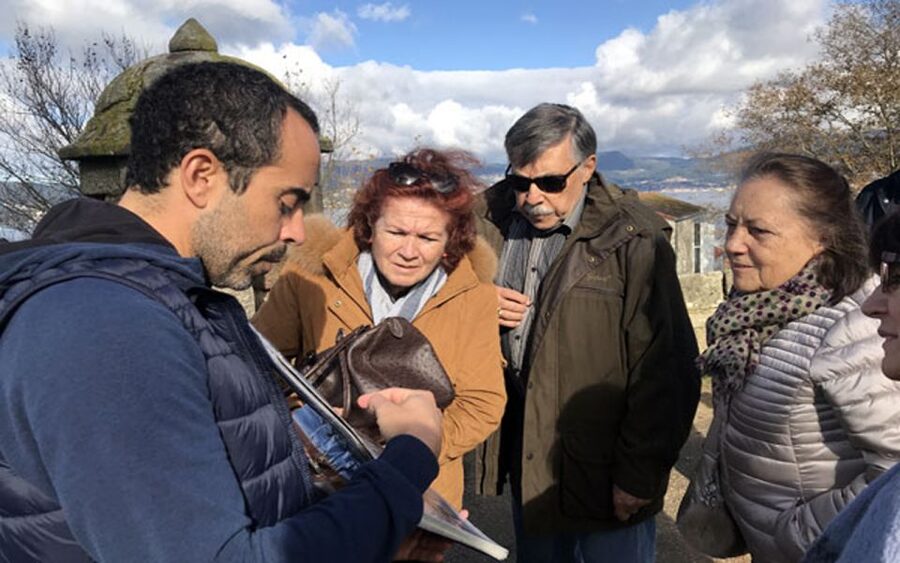
The walk continues to Praza da Igrexa, where the guide spends about 15 minutes. This is one of the longer stops, giving you time to explore the character of the square and hear more about Vigo’s past.
The route is designed to show how much history is packed into a small area. You move from a commercial street to a traditional square, then toward the waterfront. That sequence makes it easier to understand Vigo as a working city rather than a collection of isolated sights.
The guides also bring in famous figures and local customs connected with Vigo and Galicia. You may hear stories that explain why the city has such strong links with the sea, with northern Europe, and with people who left Galicia to build lives elsewhere.
This is where language ability can make a major difference. Most English-language comments have been strongly positive, with special praise for Jorge’s fluent English and several guides’ ability to explain local ideas clearly. One booking intended to be in English ended up largely in Spanish, and another participant helped translate. That appears to have been an exception, but it is sensible to confirm the language when booking.
Pescadería Street and the final walk to the water
From Praza da Igrexa, the group follows Rúa Pescadería toward the port. The street name points toward Vigo’s long relationship with fishing and seafood, and the move toward the water prepares you for the final part of the tour.
The route does not treat the port as a quick photo stop. Instead, the guide explains how the waterfront shaped Vigo’s economy and helped connect Galicia with other countries. Migration is an important part of the story, and you get a clearer picture of how people, money, goods, and ideas moved through the city.
This is also a good point to pay attention to the estuary. Views appear throughout the walk, but the water becomes the main subject here. The guide helps tie together the high viewpoint at San Sebastián Castle and the working harbor below.
The final approach is generally easy to understand, but the entire route may last longer than two hours. One person found that the tour ran about 30 minutes over the advertised time. That can be welcome if you have no fixed plans, but it matters if you are catching a ship, meeting a taxi, or working around a short port visit.
Vigo’s port and the Treasure of Rande
The port stop lasts about 20 minutes and gives the tour its strongest sense of place. You are looking at the water while hearing how Vigo developed as a major port and why its location mattered to military and commercial powers.
The Treasure of Rande is the story hook. Legends tell of valuable cargo lost in the waters of the Ría de Vigo, creating a long-running connection between the estuary and tales of sunken treasure. The guide presents this as part of the city’s stories and identity, not as a guaranteed treasure-hunting expedition.
The port also brings together several themes from earlier stops. The castle explains defense. The old town shows the city’s past. The modern harbor explains Vigo’s continuing relationship with shipping, fishing, travel, and migration.
At the end, the guide gives suggestions for food, drinks, souvenirs, and additional things to do in Vigo and nearby areas. This practical advice is one of the tour’s best features. Specific food guidance has been appreciated, and O Porco was recommended to one group as a welcoming place for a meal.
If you have only a short time in Vigo, these suggestions can save you from wandering around hungry after the tour. Write down names and locations as you go, since the final recommendations may come quickly if the group is large.
What $22 is worth on a tip-based tour
The advertised price is $22 per person, but this is a tip-based walking tour, with payment made at the end according to your satisfaction. That makes the value slightly different from a conventional fixed-price sightseeing tour.
You are paying for a local guide, route planning, historical material, the walking tour itself, and practical advice. Entrance fees are not included, but the listed route does not depend on paid interior visits. In that sense, the price covers interpretation rather than admission tickets.
I consider it good value if you want a two-hour orientation before exploring alone. You get the old town, a castle viewpoint, the port, local stories, and food recommendations without spending half a day in a museum.
The value depends heavily on your guide and group size. A small group can feel personal, and one small outing became almost private with only two people. A large group may be harder to hear, even with a microphone, so stand near the guide and arrive ready to keep up.
Who will enjoy this Vigo walking tour
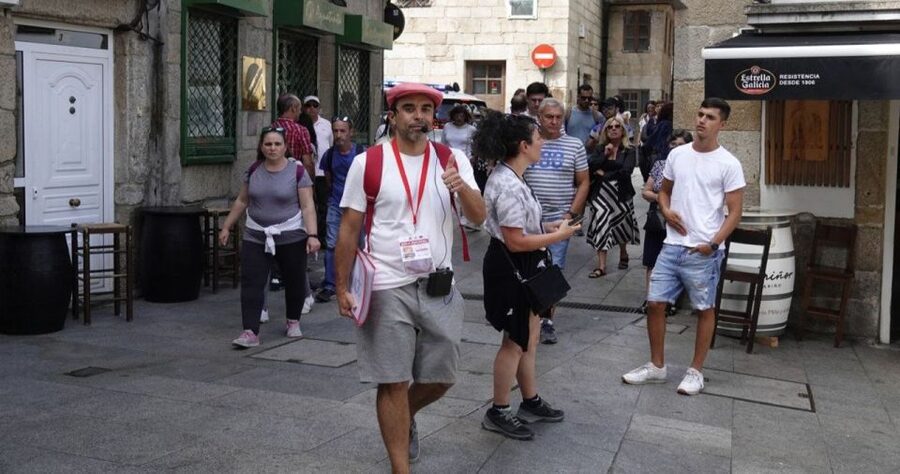
I would recommend the tour to first-time visitors, cruise passengers with a few hours, and anyone who wants a quick sense of how Vigo fits together. It works especially well if you enjoy city stories, views, food advice, and a guide who can answer questions.
It also suits people who want more than a monument checklist. The route links architecture with migration, local customs, football, maritime trade, defense, and folklore. That gives you useful context for the rest of your time in Galicia.
You should be cautious if hills are difficult for you. The tour is wheelchair accessible with an accompanying person, and guides have shown care with slower walkers, but the route includes climbs and uneven sections. Ask for a slower pace or sitting breaks, and do not assume accessible means effortless.
I would also leave extra time after the two-hour estimate. The guide may continue for about 30 minutes, especially if questions are flowing. That is useful for a relaxed visit, but less convenient if your schedule is tight.
Should you book it?
Book this Vigo walking tour if you want a lively introduction to the city, strong views of the Ría de Vigo, and local guidance on where to eat and what to do next. The best fit is a curious first-time visitor who does not mind hills and enjoys history delivered with humor.
Skip it if you need a strictly timed route, a completely flat walk, or guaranteed one-to-one attention in a very small group. Also confirm the tour language and allow more than two hours.
For most visitors, the combination of El Sireno, San Sebastián Castle, the old streets, the port, and the Treasure of Rande makes the $22 tip-based format worthwhile. You leave with a map in your head, a few stories to remember, and better ideas for spending the rest of your time in Vigo.
FAQ
Where does the Vigo walking tour begin?
The tour begins in Praza Porta do Sol, near the El Sireno sculpture. Look for a guide carrying a red umbrella. The statue is high above the ground, so look up when finding the meeting point.
How long does the walking tour last?
The advertised duration is approximately two hours. It can sometimes run longer, with one reported experience lasting about 30 minutes beyond the expected finish.
Which languages are available?
The live tour is offered in English and Spanish. Confirm your preferred language when booking, especially if you are joining a mixed-language group.
Is the tour wheelchair accessible?
Yes, the tour is described as wheelchair accessible, but an accompanying person is required. The route also includes hills and some uneven or rocky areas, so discuss your needs before starting.
Are entrance fees included?
No. Entrance fees are not included. The route focuses on outdoor sights, views, streets, squares, San Sebastián Castle, and the port.
Where does the tour finish?
The listed route finishes at the Port of Vigo after stops along Rúa Pescadería and the waterfront.
How does the tip-based payment work?
The advertised cost is $22 per person, and payment is made at the end according to your satisfaction. You can also reserve now and pay later, and cancellation is available up to 24 hours in advance for a full refund.
Recently added around Galicia
- From Santiago: Lugo Ribadeo & Cathedral Beach Full-Day Tour★ 4.6 · 129 reviews
- From A Coruña: Costa da Morte & Cape Finisterre Day Tour★ 4.6 · 107 reviews
- From Santiago: Rías Baixas Galicia Seafood & Wine Day Tour★ 4.6 · 209 reviews
- Visit Coastal Vineyard★ 5.0 · 195 reviews
- From Santiago: Lugo & Cathedrals Beach Guided Excursion★ 4.5 · 174 reviews
- Rías Baixas: Guided Day Tour from Santiago with Boat Ride★ 4.8 · 167 reviews
- O Grove: Ría de Arousa Catamaran Tour with Seafood Lunch★ 4.7 · 159 reviews
- Guided Visit to the Estrella Galicia Museum with Beer Tasting★ 5.0 · 382 reviews
Historical Tours, compared.
Tapas Walking Tour with Food, Wine, and History
Read our review →
Sevilla Food Tour: Tapas, Wine, History & Traditions
Read our review →
Valencia Old Town Tour with Wine & Tapas in 11th Century Historic Monument
Read our review →
Barcelona Tapas Walking Tour: Food, Wine & History
Read our review →
Ultimate Seville Tapas, Wine & History Small Group Tour
Read our review →
Skip-the-Line Great Mosque-Cathedral History Tour
Read our review →

Madrid Historical Tour with Local Guide in Eco Tuk Tuk Private
Read our review →Browse the lists this tour appears in