
Reviewed · TENERIFE TOURS
Tenerife: La Casa de Los Balcones Entrance Ticket
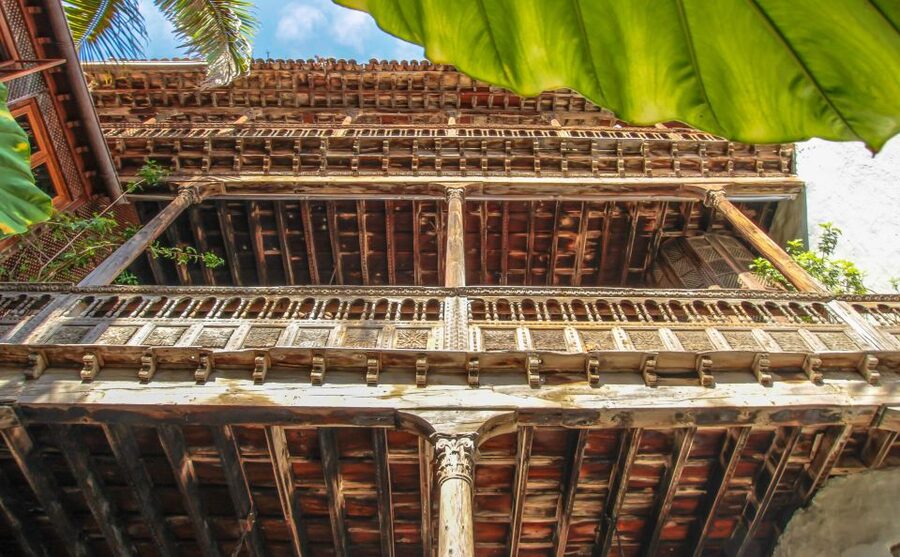
La Casa de Los Balcones gives you a close look at 19th-century Canarian home life, not from behind a grand museum facade but inside a preserved townhouse with family belongings, art, and handmade goods. I like the personal feel of the antique collection, and I like that the visit connects the house to La Orotava’s customs, crafts, and older roots.
The main drawback is size. You will not find a full-day museum here, and some rooms can be seen quickly. The downloadable audio guide also requires your own phone and headphones, and one recent booking reported problems using it with an Apple device, so check compatibility before you go.
Key points to know before you go
- A real 19th-century townhouse: See the rooms, belongings, and domestic details linked to the family who once lived here.
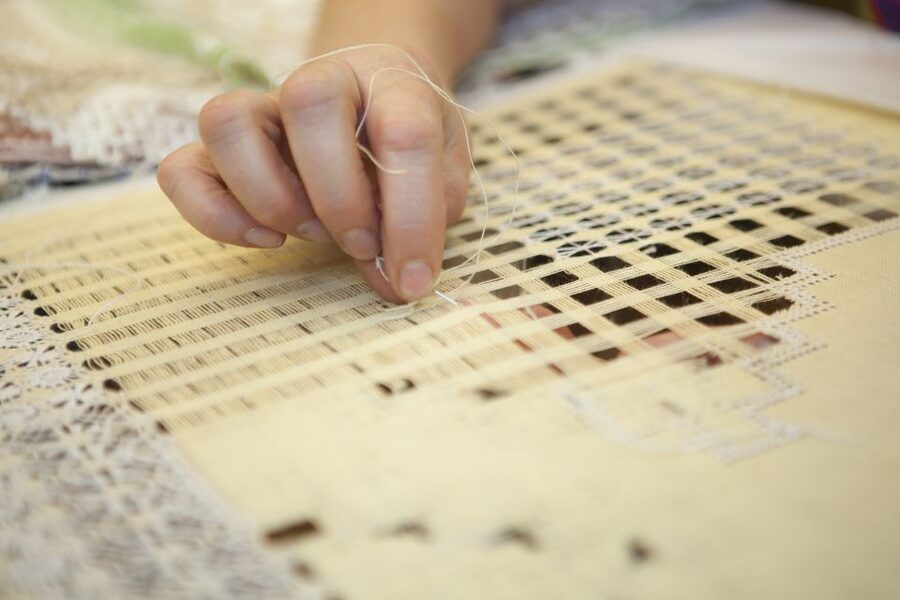
- Calado threadwork: Learn how Canarian artisans create intricate openwork embroidery by drawing and tying threads.
- A compact cultural visit: The house offers a focused look at local life rather than a large museum program.
- Audio guide in four languages: Choose English, Spanish, French, or German, but bring your own phone and headphones.
- Traditional souvenirs: Look for embroidery, lace, pottery, regional costumes, and small replicas of La Orotava balconies.
- Budget-friendly admission: At $7 per person, the ticket is easy to add to a day in La Orotava, especially if you value historic houses and craft traditions.
Entering La Casa de Los Balcones
La Casa de Los Balcones is a former 19th-century Canarian townhouse in La Orotava, now arranged as a cultural museum. Your visit begins at the entrance, where you show your voucher at the ticket collection point.
The setting matters. This is not simply a modern gallery filled with old objects. You are entering the kind of house that once shaped everyday life for a local family. The building itself provides much of the story, while the preserved furniture, personal antiques, and household details help you picture how the owners lived.
I find historic homes more revealing than many formal museums because they show scale and routine. A chair, decorative object, piece of domestic equipment, or room arrangement can tell you how people used their space. Here, the collection is tied to the home, so you can consider the objects in their original setting rather than as unrelated items in glass cases.
The house is described as quaint but impressive. That combination gives you a useful expectation. Do not arrive expecting a huge palace with dozens of galleries. Instead, expect a compact visit where the building, its contents, and the local traditions all work together.
A few more Tenerife half-days worth comparing
- Siam Park Entry Tickets
★ 4.5 · 15,710 reviews - Tenerife: Eco-Yacht Whale and Dolphin Watching and Swimming
★ 4.7 · 15,619 reviews - Los Cristianos Respectful No-Chase Whale and Dolphin Safari
★ 4.6 · 12,782 reviews
Seeing the former owners’ antiques
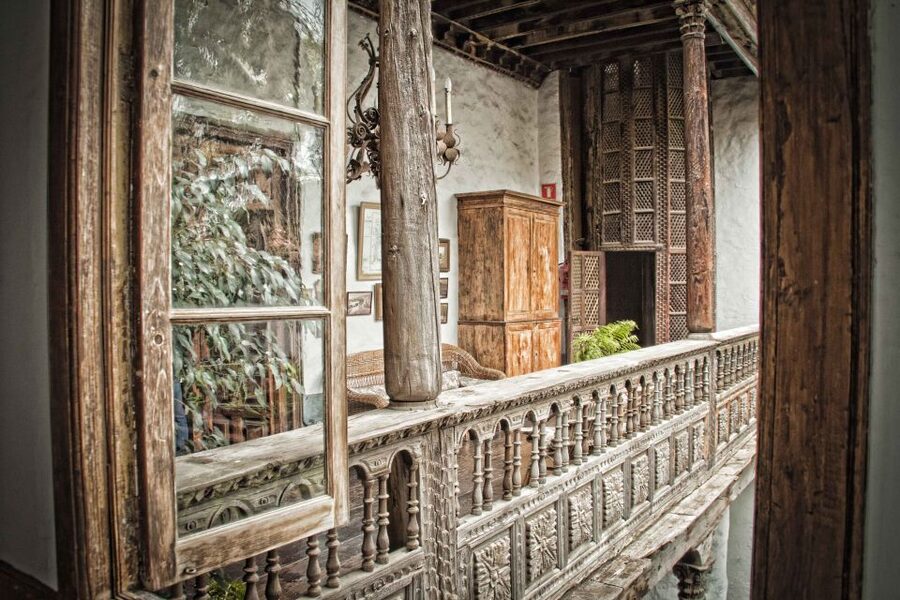
One of the strongest parts of the visit is the personal antiques collection connected with the former owners. These objects help turn the house from an architectural stop into a glimpse of family life.
You can look at the furnishings and belongings as signs of status, taste, and daily routine. The details also give the audio guide a practical role. Rather than walking through a bare historic shell, you have objects to focus on as you learn about the customs of the people who lived there.
The information provided does not promise a long list of named family members or a dramatic personal story. That is worth keeping in mind. The appeal is the overall picture of a 19th-century household, not a highly theatrical presentation.
I would allow enough time to pause in each room rather than rushing straight toward the craft displays. If you enjoy old houses, the quiet details may be more rewarding than the headline attractions. If you prefer large collections with many labels and displays, you may find the visit brief.
Understanding daily life in 19th-century Tenerife
The house offers a way to think about social life in 19th-century Tenerife. You get a sense of family customs, domestic habits, and the material world around the original residents.
That context is useful because local culture is not only found in festivals or scenic viewpoints. It also lives in the way homes were arranged, the objects people kept, the clothes they wore, and the handwork they produced. La Casa de Los Balcones brings those pieces together in one place.
The town’s ancient roots and cultural traditions are also part of the visit. The experience does not limit itself to the building’s walls. It places the townhouse within La Orotava’s wider story, helping you connect one family home with the town’s identity.
You should see this as an introductory cultural stop. It gives you a foundation for noticing Canarian details elsewhere, especially in architecture, craft shops, and local celebrations. It will not answer every question about Tenerife’s past, but it can make the town feel less like a collection of attractive streets and more like a place shaped by generations of local customs.
The delicate work of Calado
The craft displays are a major reason to visit. La Casa de Los Balcones shows examples of Calados, a traditional Canarian threadwork technique known for its fine, open designs.
Calado involves intricate work with threads. The displays explain the history of the craft and the methods used to make it. Even if you know little about embroidery, you can appreciate the patience and control required to produce patterns from thread rather than from a solid piece of fabric.
This section adds a human touch to the house. The antiques show how people lived, while the Calado displays show what local makers could create by hand. Together, they explain culture through both household objects and skilled work.
Take a close look at the samples. The point is not simply that the pieces are pretty. Their value lies in the technique, the time involved, and the fact that the craft is tied to Canarian tradition. The displays are especially useful if you plan to buy embroidery or lace later, since you will have a better idea of what kind of work you are seeing.
The museum also presents other local art and handcrafts. The information supplied does not give a full catalog of each item, so the exact selection may vary. You can expect the craft displays to center on Canarian traditions rather than on a broad international art collection.
Same base in Tenerife, a completely different kind of day:
- Tenerife: Loro Parque Entry Ticket
★ 4.8 · 12,411 reviews - Loro Parque and Siam Park Combined Admission Tickets
★ 4.7 · 7,307 reviews - Tenerife: Kayak and Snorkel with Turtles, Wetsuits Included
★ 4.6 · 7,215 reviews - Costa Adeje: Whale & Dolphin Eco-Cruise with Snacks & Drinks
★ 4.6 · 5,096 reviews
A short visit with a built-in audio guide
The entrance includes a downloadable audio guide in English, Spanish, French, and German. This is helpful because a small historic house can otherwise leave you guessing about what you are seeing.
You need your own mobile phone and headphones. That requirement is easy to overlook, so download what you need and bring charged equipment. One recent booking reported that the audio guide did not work with an Apple device. I cannot promise that every Apple user will have trouble, but I would check compatibility before paying and keep the visit worthwhile even if the audio fails.
The guide should help you understand the customs, antiques, Calado work, and local background. It is not presented as a live tour with a named guide, and no guide names are provided. That means you can move at your own pace, but you also do not have a person on hand to answer follow-up questions.
For some people, this is ideal. You can pause, look closely, and continue when ready. For others, a live explanation would feel more engaging. If you enjoy independent museum visits, the audio format is a useful addition. If you rely heavily on guided interpretation, treat the technology as an important part of your planning.
Finishing at the local craft shop
At the end of the visit, the gift shop gives you a chance to take home something tied to the museum’s subject.
Available products include embroidery, lace, pottery, regional costumes, and souvenirs such as miniature balconies of La Orotava. These items are more meaningful after you have seen the house and learned about local handwork. You can compare the modern products with the historic objects and Calado samples inside.
The miniature balconies are a particularly fitting souvenir because they connect directly to the town’s architecture. They are also easier to pack than pottery or a larger textile piece. If you are looking for a practical gift, embroidery and lace offer a direct link to the traditional craft displays.
The shop is not a reason to buy the ticket by itself. Think of it as a final extension of the visit. You can browse without turning the museum into a shopping stop, and you can decide if a local product is worth carrying home after seeing how the traditions fit into the house.
Is $7 a fair price?
At $7 per person, the ticket is inexpensive by museum standards. The price works best if you already plan to spend time in La Orotava and want a cultural stop that does not take up an entire day.
Value depends on what you want from a museum. You are paying for access to a historic townhouse, its antique collection, local art and craft displays, and a multilingual audio guide. That is a fair package for a short, focused visit.
The limitation is the amount of material. One recent booking described the house as beautiful but said there was little to see, while another called it pleasant but not exceptional. Those reactions point to the same practical truth: the building is worth seeing if you enjoy intimate historic sites, but it may feel expensive if you expect a large museum with many rooms and extensive exhibits.
I would not schedule this as your only activity for the day. Pair it with time in La Orotava and treat the $7 ticket as one part of a wider town visit. That approach protects you from expecting a full-day attraction and lets the house provide context for the surrounding cultural traditions.
Who will enjoy this house most?
I would recommend La Casa de Los Balcones to you if you like historic buildings, family collections, traditional crafts, or small museums with a clear local focus. It is also a good choice if you want a quiet cultural stop rather than a large attraction with a long route.
The experience suits adults and older children who can appreciate antiques and handwork. The Calado displays may be especially interesting if you enjoy textiles, lace, embroidery, or handmade objects.
You may want to skip it if you need step-free access, use a wheelchair, or have significant mobility difficulties. The experience is specifically listed as unsuitable for wheelchair users and people with mobility impairments.
You should also think twice if you only enjoy large museums or need a live guide. The visit is compact, and the interpretation comes through a downloadable audio guide rather than a named guide leading you through the rooms.
Practical planning for your visit
The ticket is valid for one day, with available starting times shown when you check availability. You show your voucher at the museum entrance ticket collection point.
Bring your own phone and headphones for the audio guide. Since the guide is a download, it is sensible to prepare before entering rather than assuming the museum will provide equipment. If you use an Apple device, check that the guide works on your phone before committing to it.
The activity has free cancellation up to 24 hours in advance for a full refund. You can also reserve now and pay later, which may help if your Tenerife plans are still shifting.
The museum is not suitable for wheelchair users or people with mobility impairments. The available information does not provide further details about stairs, seating, or the precise route through the house, so contact the provider if you need more specific access information.
My call: book it as a focused La Orotava stop
Book La Casa de Los Balcones if you want a short look at Canarian domestic life and traditional handcrafts for a modest price. The antiques, family setting, Calado work, and local souvenirs give the visit a clear identity.
Do not book it expecting a large museum or a full day of activity. The attraction is compact, and the audio guide may need extra preparation, especially if you use an Apple phone. For me, the best plan is to combine it with time in La Orotava, give the rooms a thoughtful look, and treat the visit as a small but useful window into the town’s customs.
FAQ
How much does admission to La Casa de Los Balcones cost?
Admission costs $7 per person.
How long is the ticket valid?
The ticket is valid for one day. Starting times depend on availability when you check.
Is an audio guide included?
Yes. A downloadable audio guide is included in English, Spanish, French, and German.
What do I need to use the audio guide?
You need your own mobile phone and headphones.
Is the museum suitable for wheelchair users?
No. The experience is not suitable for wheelchair users or people with mobility impairments.
What can I buy at the end of the visit?
The gift shop sells items including embroidery, lace, pottery, regional costumes, and miniature balconies of La Orotava.
Recently added around Tenerife
- Las Galletas: Whale & Dolphin Tour with Local Skipper★ 4.8 · 397 reviews
- Tenerife: Teide National Park Guided Buggy Tour★ 4.6 · 299 reviews
- Tenerife: Loro Parque & Siam Park Entry Ticket with Transfer★ 4.6 · 732 reviews
- Tenerife: Teide, Icod de los Vinos & Garachico Full Day Tour★ 4.3 · 602 reviews
- Tenerife: Snorkeling Tour in a Marine Protected Area★ 4.9 · 636 reviews
- Tenerife: Sunset Catamaran Tour with Transfer, Buff & Drinks★ 4.8 · 570 reviews
- Tenerife: Half-Day Snorkeling Tour★ 4.6 · 154 reviews
- Tenerife: Siam Park All-Inclusive Entry Ticket★ 4.7 · 915 reviews
Tenerife Tours, compared.


Eco-Yacht Whale and Dolphin Watching and Swimming
Read our review →
Los Cristianos Respectful No-Chase Whale and Dolphin Safari
Read our review →

Loro Parque and Siam Park Combined Admission Tickets
Read our review →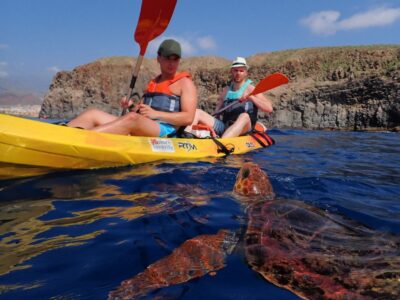
Kayak and Snorkel with Turtles, Wetsuits Included
Read our review →
Whale & Dolphin Eco-Cruise with Snacks & Drinks
Read our review →
Mount Teide Tour with Cable Car Ticket & Transfer
Read our review →Browse the lists this tour appears in