
Reviewed · TEIDE NATIONAL PARK TOURS
Teide National Park: Stargazing Experience
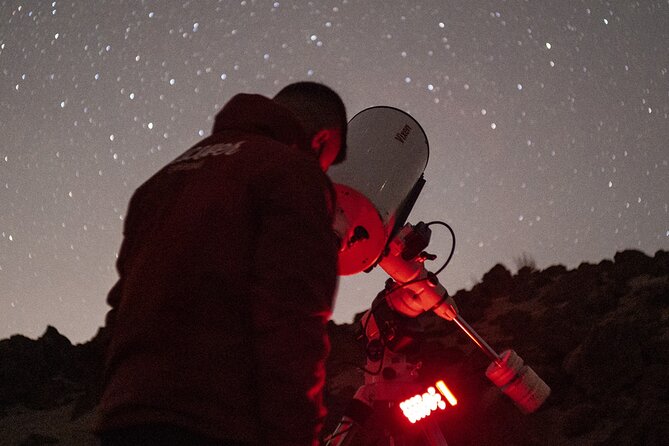
Teide’s high, light-free skies make this more than a quick look at a few stars. You’ll learn to find Polaris, trace the ecliptic and zodiac, and connect constellations with Greek mythology before turning to high-grade telescopes. I especially like the clear progression from naked-eye orientation to telescope viewing, and the chance to receive images of objects such as a star cluster or galaxy after the tour.
The main catch is the cold. At altitude, temperatures can drop sharply after sunset, even when the coast feels warm. Guides such as Miguel, Manuel, and Luke have been praised for making the science easy to follow, but you’ll enjoy the evening far more with proper warm shoes, several layers, and realistic expectations about an outdoor activity.
Key points at a glance
- Find Polaris and the celestial north pole: Learn how the night sky is arranged before looking through a telescope.
- See planets and deep-sky objects: Depending on the date and conditions, you might observe Jupiter, Saturn and its moons, Mars, the Orion Nebula, Andromeda, star clusters, or the Milky Way.
- Use Teide’s dark skies: The national park offers a far clearer sky than the towns and resorts below.
- Hear the stories behind the stars: Greek mythology helps turn scattered points of light into recognizable shapes.
- Get more than a quick photo: An astrophoto telescope may let you receive images of selected objects seen during the session.
- Prepare for mountain cold: Warm clothing is essential in autumn and winter, and sensible year-round after sunset.
Why Teide is such a good place to stargaze
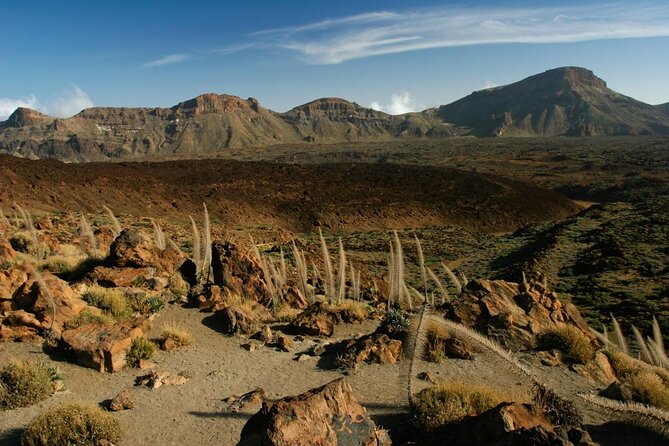
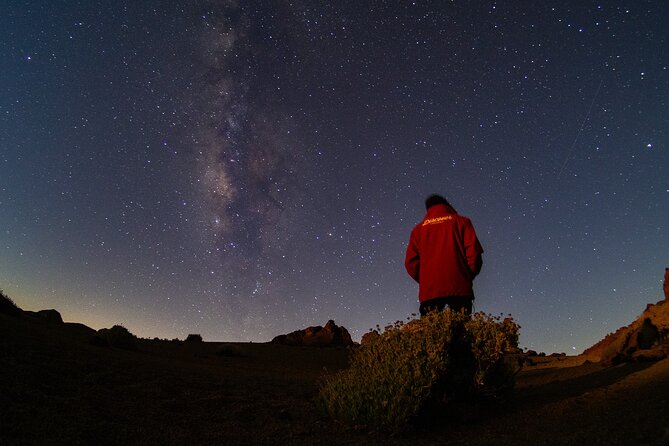
The key advantage here is the setting. Teide National Park is away from the town lights of Tenerife, so the sky can reveal far more stars than you are likely to see from a resort balcony. That matters because stargazing is not only about owning a powerful telescope. A dark sky gives you a better view before the equipment even comes out.
The meeting point is in the parking area directly opposite the natural environment of Minas de San José. If you drive up from the south, it is the second car park on the right. From the north, it is the first car park on the left. This is a practical meeting place, but do not treat the drive up as a casual evening jaunt. You will be heading into a high mountain area, and the temperature can be much lower than on the coast.
The tour lasts 80 minutes and begins after sunset. That timing gives the sky time to darken, while still keeping the activity short enough to fit into a wider Tenerife itinerary. I would allow extra time for reaching the meeting point, finding the correct car park, and getting comfortable in the cold. The exact start time can change, especially if you book months ahead. The provider confirms the schedule later by WhatsApp or email, so check those messages before setting out.
More Teide trips and cable car tickets:
- Tenerife: Mount Teide Tour with Cable Car Ticket & Transfer
★ 4.3 · 5,094 reviews - Tenerife: Sunset and Stargazing at Teide National Park
★ 4.7 · 2,826 reviews - Teide National Park Sunset & Stargazing with Dinner (Star Safari)
★ 5.0 · 2,601 reviews
First, learn the sky without a telescope
The tour starts with the naked eye. This is one of its best choices. You are not simply handed a telescope and shown whichever bright object happens to be available. Instead, the guide helps you understand the basic layout of the heavens.
You’ll learn to identify important stars and major constellations. The guide points out Polaris and explains the position of the celestial north pole, giving you a fixed reference point for the rest of the session. This is useful because the night sky can seem like a random scatter of lights when you first look up. A few reference points make it easier to follow what comes next.
The guide also introduces the ecliptic, the apparent path followed by the Sun across the sky, along with the zodiac line. This is astronomy rather than fortune telling, though the familiar zodiac constellations provide a pleasant link to something many people already recognize. You might see your own zodiac sign, but the value is in understanding where it sits among the other constellations.
Greek mythology adds a human touch. Stories explain why certain groups of stars have the names they do and help you remember their shapes and positions. Guides including Miguel and Manuel have been praised for explaining these ideas with humor, while Luke was noted for making the subject inviting even for people who did not consider themselves astronomy fans.
This opening section is especially good for beginners. You do not need previous astronomy knowledge, and the information is presented in a way that connects the dots rather than burying you in technical terms.
Then turn to planets, galaxies, and star clusters
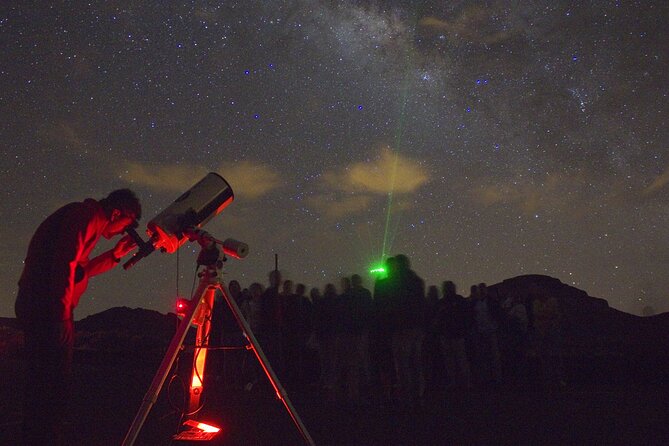
Once you have your bearings, the telescopes come into play. The exact objects depend on the season, weather, visibility, and the moon’s cycle, so no responsible tour can promise the same viewing list every night.
Past sessions have included Jupiter and its moons, Saturn, Mars, the Orion Nebula, the Andromeda Galaxy, star clusters, the Milky Way, and the moon. Seeing a planet as a small, defined object through a telescope is very different from seeing a bright point in the sky. Jupiter’s moons can make the planet feel like a miniature system, while Saturn is often memorable because of its distinctive shape.
The Orion Nebula and Andromeda Galaxy offer a different kind of experience. They are not simply bright planets nearby. They give you a glimpse of objects far beyond our immediate neighborhood in space. The telescope cannot make every object look like a colorful observatory photograph, but it can make the scale of the universe feel more real.
The equipment is described as high grade, and the tour also uses an astrophoto telescope. This may allow images of selected objects to be sent after the session. One past experience included a picture of a star cluster and a galaxy, which is a useful extra because night-sky photos are difficult to capture with an ordinary phone.
Keep your expectations sensible. Telescope viewing is often a shared activity, so you may need to wait your turn and move between objects as the guide directs. The reward is not a rapid checklist of sights. It is the chance to focus on a few celestial objects with someone who can explain what you are seeing.
The guides make the science approachable
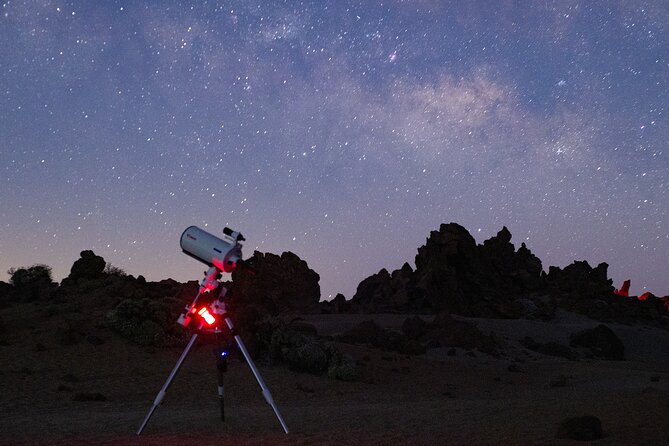
A telescope is only as useful as the person operating it. Here, the guide is central to the experience. The advertised languages are Spanish and English, and several guides have been singled out for clear, lively explanations.
Miguel has led English-language sessions that covered constellations, mythology, planets, and galaxies in an easygoing way. Manuel has also been praised for explaining the moon and constellations with humor. Luke was described as inspiring and clear while showing stars, planets, and the moon.
That range of names matters because the tone of an astronomy tour can vary greatly. A dry lecture would be hard to enjoy while standing outside in the cold. The strongest descriptions of this activity point to a good balance between practical sky navigation, science, mythology, and a little fun.
The guides also help you understand what the telescope is showing. Without that context, a bright speck can be easy to forget. With an explanation of its distance, place in the sky, or relationship to nearby objects, the view becomes much more meaningful.
More stargazing nights in Tenerife:
- Teide by Night: Sunset & Stargazing with Telescopes Experience
★ 4.5 · 1,492 reviews - Sunset & Stargazing Experience From Teide
★ 4.5 · 1,129 reviews - Teide National Park: Guided Large Telescope Stargazing Tour
★ 4.9 · 319 reviews - Tenerife: Sunset Night Tour and Stargazing at Teide + Dinner
★ 3.8 · 316 reviews
Cold weather is the real test
Take the warning about clothing seriously. Teide can feel cold after sunset, and wind makes the problem worse. People have found the temperature far lower than at sea level, with some describing themselves as frozen after extended time outside.
Wear warm layers, a proper coat, long trousers, warm shoes, and extra insulation for your hands and head. Comfortable shoes are listed as essential, and warm shoes are specifically recommended. Autumn and winter demand the most care, but even a mild summer evening at the coast does not guarantee a mild night in the national park.
The 80-minute schedule may sound short, but standing still while looking through equipment can make the cold feel stronger. You are not walking continuously to keep warm. If you are sensitive to low temperatures, bring more clothing than you think you need.
The activity is not suitable for people with heart or respiratory problems, and it is not for unaccompanied minors. The provider also says you should not take part within 24 hours of scuba diving. These restrictions are worth checking before you pay, particularly if this is part of a packed outdoor holiday.
The moon can change the experience
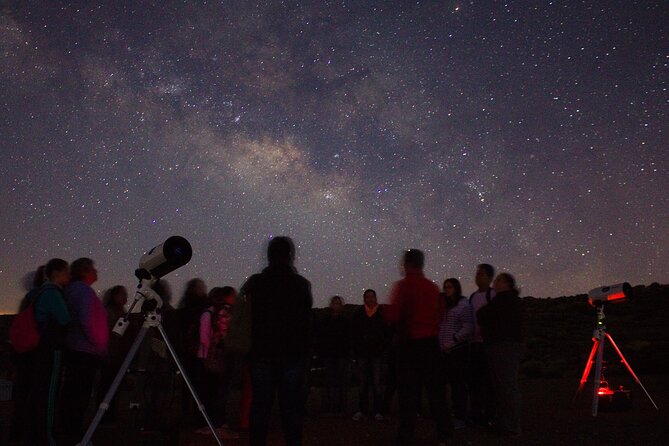
The moon’s cycle affects the character of a stargazing evening. A bright moon can be beautiful and may offer a clear target through the telescope, but it can also wash out some faint stars and distant objects. A darker night can reveal more of the Milky Way and make weaker deep-sky sights easier to see.
The provider specifically asks you to consider the moon’s cycle when booking. That does not mean one phase is always best. It depends on what you hope to see. If you want a brighter, easy-to-recognize object, the moon can be a strong part of the session. If your priority is faint galaxies, nebulae, and dense fields of stars, a darker sky may suit you better.
Cloud and visibility also matter, though no exact weather policy is provided here. Check the schedule and any messages from the provider before leaving for the meeting point. The tour includes insurance, but it does not include dinner or transport.
Is $41 good value?
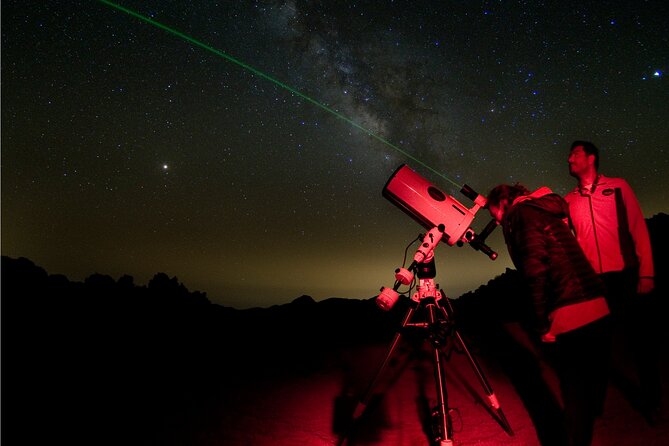
At $41 per person, this is a fair price for an 80-minute guided astronomy experience in one of Tenerife’s best-known dark-sky areas. You are paying for the guide, telescope use, naked-eye instruction, astronomical observation, and insurance. The value is strongest if you would not know how to identify constellations or use a telescope on your own.
The astrophoto element adds a little more value, especially if you receive an image of an object you saw. Do not treat that as a guaranteed professional photo package, though. The main product is the live explanation and viewing, not a large collection of edited pictures.
One point to weigh is time. Some people may find $41 high for an activity lasting 80 minutes, especially after adding the cost and effort of reaching Teide National Park. If you already plan to visit the park and enjoy science, the tour fits naturally into your evening. If you are only looking for a quick scenic stop, the price may feel less convincing.
I would compare it with the cost of arranging suitable equipment and instruction yourself. For most holidaymakers, the guide and telescope access make the fee reasonable. The value drops if you dislike cold, struggle with late-night mountain outings, or expect a polished planetarium-style show.
Who will enjoy this most?
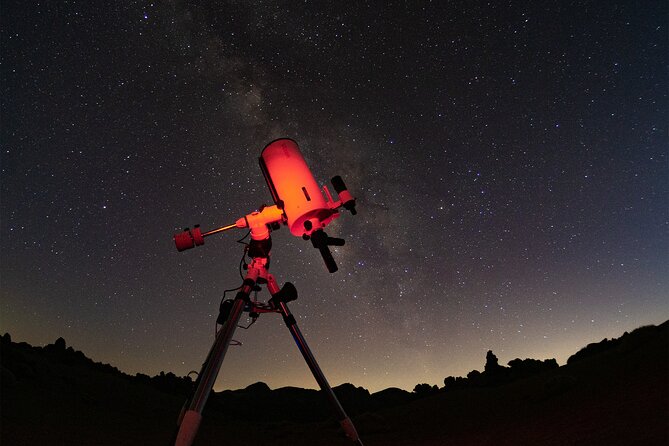
This is a strong choice for first-time stargazers, couples, families with accompanied children, and anyone curious about the night sky. You do not need a background in astronomy. The simple explanations, mythology, and visible planets give beginners several ways into the subject.
It also suits people who want a quieter evening away from Tenerife’s resort areas. The dark setting and focus on the sky create a very different mood from a restaurant, beach bar, or daytime sightseeing stop.
Photography enthusiasts may appreciate the astrophoto telescope, but this is not presented as a full photography workshop. Bring your phone if you like, but make the live viewing your main goal.
I would think twice if you need easy warmth, indoor seating, a meal, or hotel transport. Dinner and pickup are not included, and the meeting point is in the national park. You are responsible for reaching Minas de San José and dressing for the mountain.
Booking details worth knowing
You can cancel up to 24 hours before the activity for a full refund, and the reserve-now-pay-later option lets you hold a place without paying immediately. Those terms are useful if your Tenerife plans may shift.
If you book far ahead, do not assume the start time shown at first is final. The provider may adjust it and will confirm the schedule through WhatsApp or email. Check your messages before the day of the tour.
Pets are not allowed. Children must be accompanied, since unaccompanied minors cannot take part. The activity is offered in Spanish and English, so select the language that will make the explanations easiest to follow.
Should you book the Teide stargazing tour?
Book it if you want a guided introduction to the night sky rather than a quick look at stars. The best parts are the dark Teide setting, the clear progression from constellation finding to telescope viewing, and the chance to see objects such as Jupiter, Saturn, Orion’s Nebula, or Andromeda when conditions allow.
I would book with one firm rule: dress for a mountain night, not a beach holiday. If you can handle the cold and reach the meeting point, $41 is a sensible price for an accessible astronomy experience with strong guides and serious equipment. If you want dinner, transport, or guaranteed views of a particular planet, choose another evening plan.
FAQ
Where does the stargazing tour meet?
Meet in the parking area directly opposite the natural environment of Minas de San José in Teide National Park. From the south, use the second car park on the right. From the north, use the first car park on the left.
How long does the activity last?
The scheduled duration is 80 minutes. The tour begins after sunset, and starting times can vary, particularly for bookings made months in advance.
Which languages are available?
The live guide is available in Spanish and English.
What should I wear?
Bring comfortable shoes, warm clothing, and warm shoes. Temperatures can be low after sunset, especially in autumn and winter, so several warm layers are recommended.
Is hotel pickup or dinner included?
No. Hotel pickup, drop-off, and dinner are not included. You need to reach the meeting point at Minas de San José yourself.
Can I cancel or pay later?
You can cancel up to 24 hours in advance for a full refund. The reserve-now-pay-later option allows you to book without paying at the time of reservation.
More National Park Trips in Tenerife
- Tenerife: Snorkeling Tour in a Marine Protected Area
★ 4.9 · 636 reviews - Tenerife: Teide National Park Guided Buggy Tour
★ 4.6 · 299 reviews - Arrecife/Playa Blanca: Timanfaya National Park Area Day Tour
★ 4.4 · 856 reviews - Lanzarote: Timanfaya National Park Tour
★ 4.5 · 691 reviews
Recently added around Tenerife
- Las Galletas: Whale & Dolphin Tour with Local Skipper★ 4.8 · 397 reviews
- Tenerife: Teide National Park Guided Buggy Tour★ 4.6 · 299 reviews
- Tenerife: Loro Parque & Siam Park Entry Ticket with Transfer★ 4.6 · 732 reviews
- Tenerife: Teide, Icod de los Vinos & Garachico Full Day Tour★ 4.3 · 602 reviews
- Tenerife: Snorkeling Tour in a Marine Protected Area★ 4.9 · 636 reviews
- Tenerife: Half-Day Snorkeling Tour★ 4.6 · 154 reviews
- Tenerife: Sunset Catamaran Tour with Transfer, Buff & Drinks★ 4.8 · 570 reviews
- Tenerife: Siam Park All-Inclusive Entry Ticket★ 4.7 · 915 reviews
Teide National Park Tours, compared.
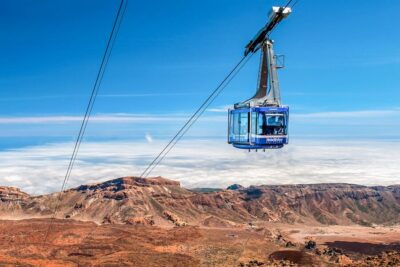
Mount Teide Tour with Cable Car Ticket & Transfer
Read our review →
Teide National Park Sunset & Stargazing with Dinner (Star Safari)
Read our review →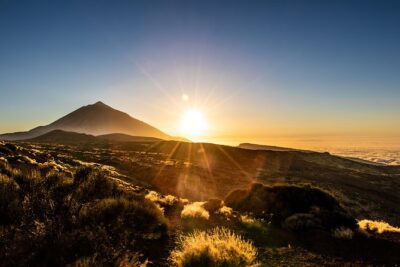
Teide by Night: Sunset & Stargazing with Telescopes Experience
Read our review →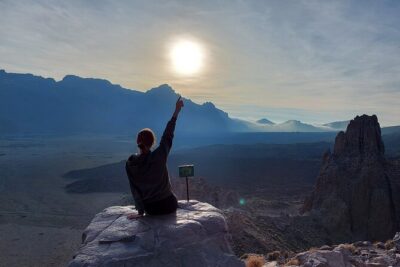
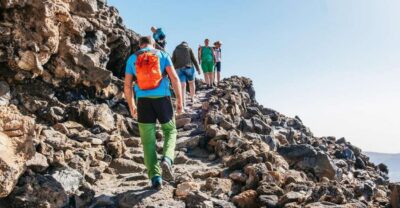
Mount Teide Summit Hiking Adventure with Cable Car
Read our review →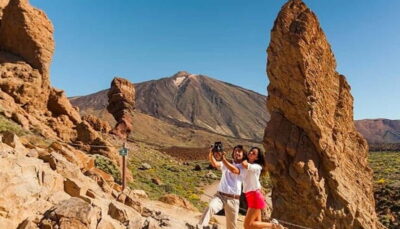
Teide, Icod de los Vinos & Garachico Full Day Tour
Read our review →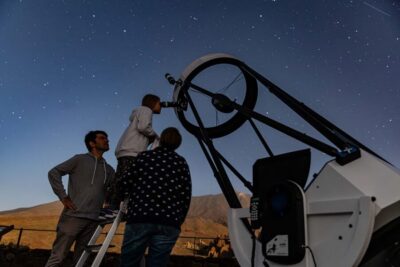
Teide National Park: Guided Large Telescope Stargazing Tour
Read our review →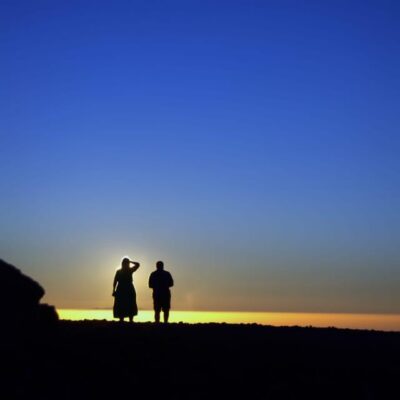
Sunset Night Tour and Stargazing at Teide + Dinner
Read our review →Browse the lists this tour appears in