
Reviewed · FULL-DAY
From Seville: Full-Day Aracena & Rio Tinto Mines Tour
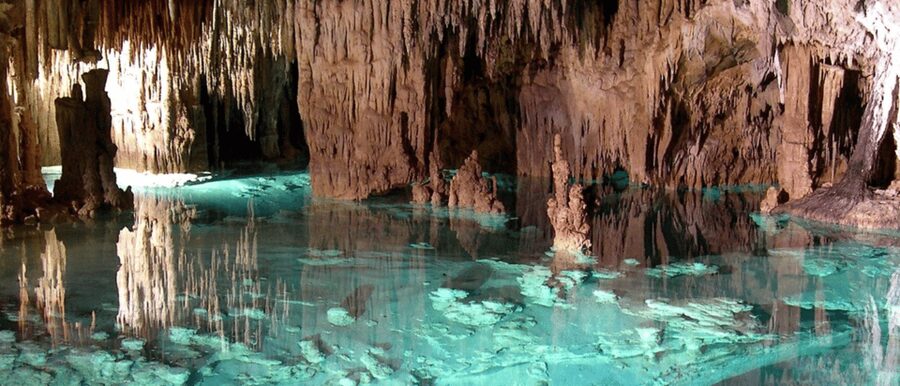
Rio Tinto is one of Spain’s strangest day trips: copper, silver, and gold mining have stained the river red and left parts of the countryside looking almost Martian. The Gruta de las Maravillas, with its blue pools, stalactites, and stalagmites, gives the day a completely different mood.
I like the excellent variety, from free-roaming Iberian pigs and cork trees to mining history and underground caverns. I also like the small-group format and the guides, including Driss, Miguel, Carmen, and Sergio, who often add stories, photo stops, and local food tips along the way.
The main drawback is the long day and plenty of road time. The mine area fascinates some people more than others, and the cave visit can feel hurried, especially if the audio guide does not work well or you need an English explanation.
Key points to know before booking
- Rio Tinto looks almost otherworldly: Acidic, mineral-filled water gives the river its famous red color.
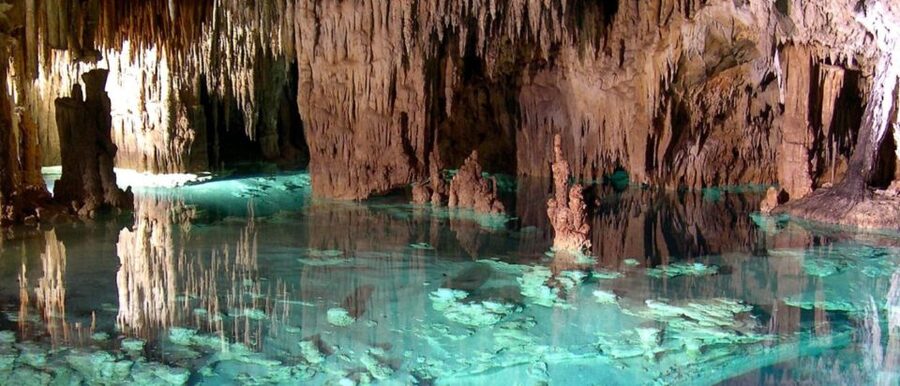
- The cave is the star for many visitors: Gruta de las Maravillas contains nearly 2,000 meters of chambers, pools, and rock formations.
- Aracena adds rural Andalusia: Cork oaks, holm oaks, Iberian pigs, a hilltop castle, and a two-hour lunch break shape the middle of the day.
- Guides make a real difference: Driss, Miguel, Sergio, Luismi, Carmen, and others are praised for clear explanations and friendly service.
- You spend about 10 hours away from Seville: The air-conditioned vehicle is comfortable, but the route includes several hours on the road.
- The $112 price can be good value: Transport, a guide, walking tours, and entrance fees are included, but meals and drinks are not.
Why Rio Tinto is worth the long ride
Many day trips from Seville chase grand monuments. This one heads into the Sierra Morena for something much less predictable: an old mining district, a biosphere reserve, and a cave beneath the town of Aracena.
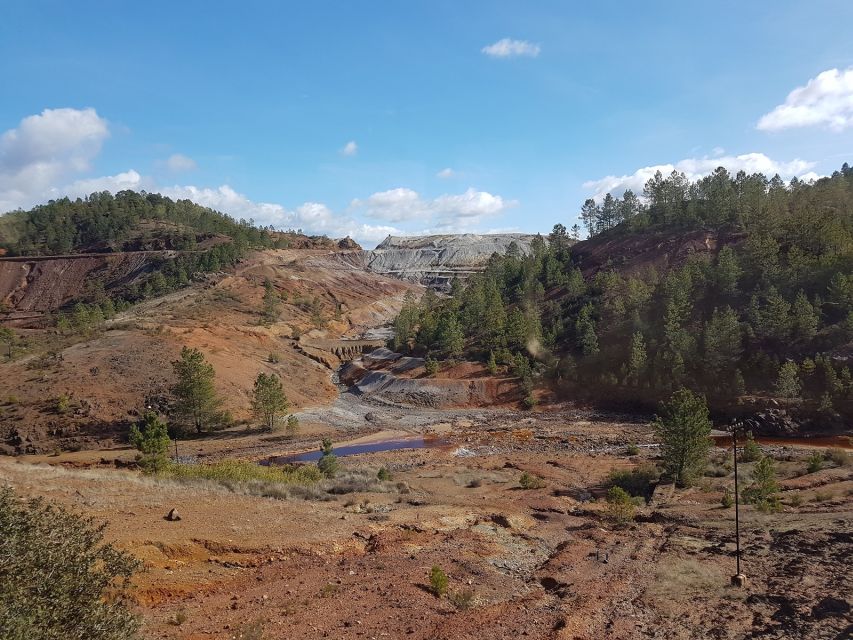
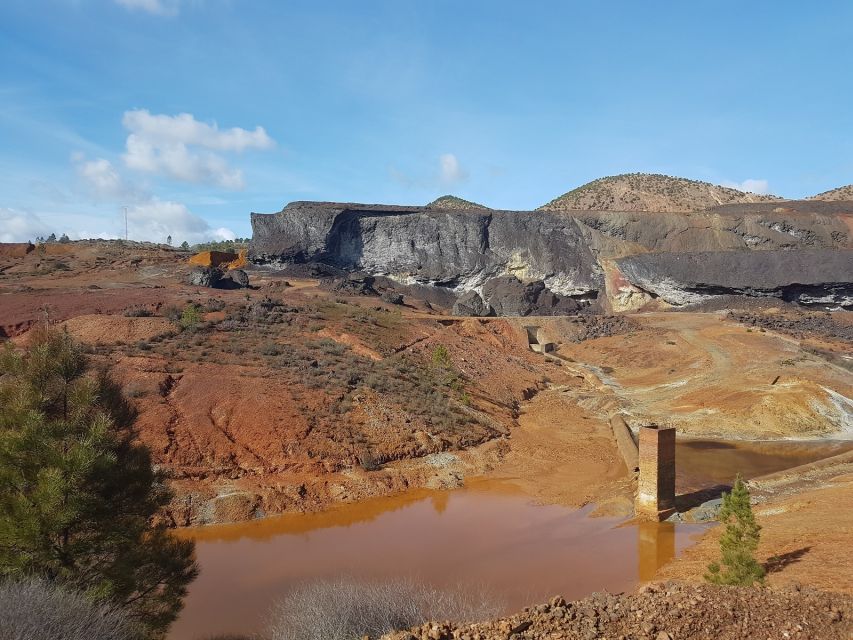
Rio Tinto has been worked for more than 2,000 years for copper, silver, and gold. Mining has changed the hills and waterways so thoroughly that the area now attracts scientific interest, including study connected with NASA. The comparison with Mars is not just marketing fluff. Red earth, rusty water, bare mining ground, and unusual mineral colors create a setting unlike the white villages and orange groves closer to Seville.
I would not call the mine area conventionally pretty. Its appeal is industrial and geological. You see what happens when centuries of extraction reshape the earth, and you learn why the river carries a reddish tone. The mildly acidic water and metallic minerals make it difficult for much life to survive in the river.
That makes the first section of the day best for people who enjoy geology, industry, science, or unusual scenery. If you only want postcard countryside, the mining stops may feel less rewarding. The red pools and broad views are the strongest photo opportunities, while the working mining area has been described as interesting rather than beautiful.
A few more Seville half-days worth comparing
- Toledo Half or Full Day Tour with Optional Lunch from Madrid
★ 4.5 · 5,807 reviews - Madrid: Toledo & Segovia Full Day Guided Tour with Alcázar
★ 4.6 · 4,394 reviews - From Seville: Pueblos Blancos and Ronda Full-Day Trip
★ 4.5 · 3,849 reviews
The road through Dehesas de Sierra Morena
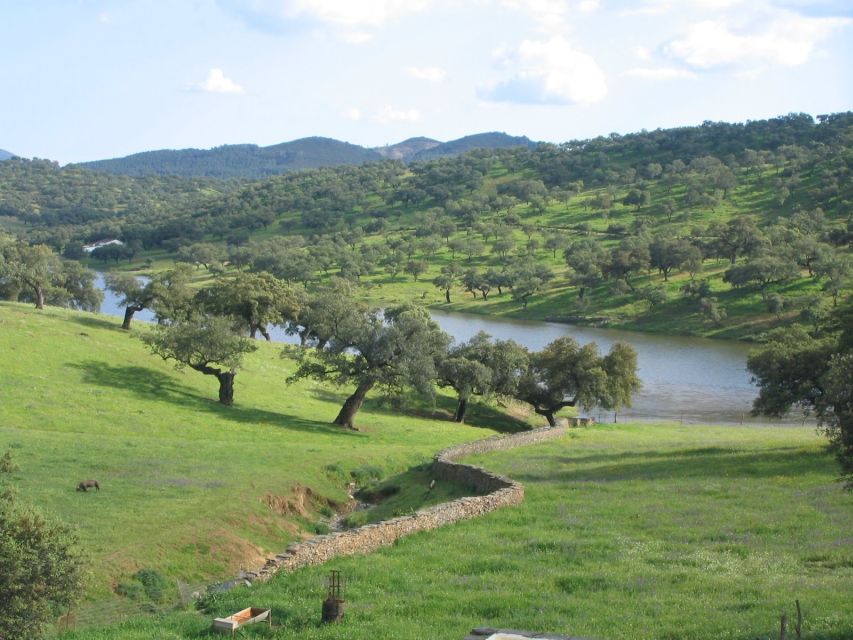
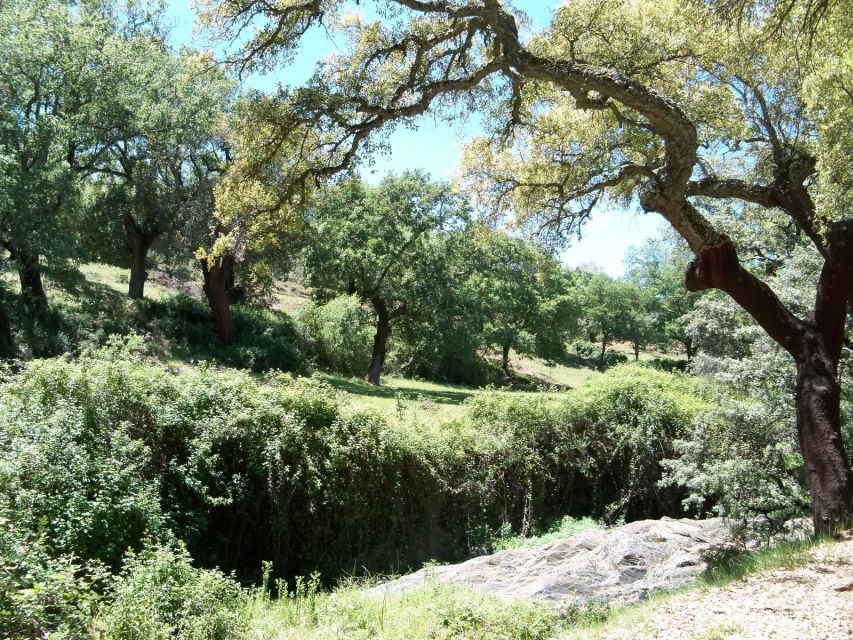
The drive from Seville takes you into the Dehesas de Sierra Morena, a protected area of open woodland and grazing land. The scenery changes gradually, with cork trees and oaks providing shade and Iberian pigs roaming beneath them.
This is an important part of the experience, not just a transfer between attractions. The dehesa is a traditional form of countryside where trees, pasture, and livestock share the same space. You might see bulls and Iberian pigs, and the guide may point out local plants, birds, or farming practices.
Luismi, who has studied agriculture, has been especially good at explaining the plants and animals of the reserve. One guide even entertained the group with bird calls. Details like this can turn a quiet stretch of road into a useful introduction to the area.
Expect several short stops for views, churches, villages, or photos. The exact pattern can change with the group and the guide. That flexibility is helpful, though it also means the day may not follow the same rhythm every time.
Seeing the red river and old mine country
At Minas de Riotinto, you get a short visit and photo stop in the mining area. The guide explains how mineral extraction shaped the ground and how the river became one of Spain’s most recognizable natural and industrial sights.
The river itself is the visual highlight. Its reddish water contrasts sharply with the surrounding earth, and some pools show stronger color than others. If you are hoping to walk through an active underground mine, adjust your expectations. The experience focuses on viewpoints, the mining zone, and explanation rather than a full underground mine tour.
That limitation matters. A few people have wished for more access to the mines or a stop showing a wider range of rock colors. The visit is still worthwhile, but it is better understood as an outdoor look at a mining region than as a traditional mine attraction.
The guide can make this stop much better. Driss has been praised for choosing good photo points and explaining the mining story without overloading the group. Miguel and Sergio are also frequently singled out for clear commentary and an easy sense of humor.
Aracena and the shaded trails
After Rio Tinto, the day shifts from industrial scenery to the softer countryside around Aracena. This town is the center of the Sierra de Aracena and Picos de Aroche Natural Park, with white buildings, wooded hills, and walking paths beneath cork trees and oaks.
You receive time to look around, take photographs, and have lunch. The two-hour break is welcome after the morning drive and makes the day feel less like a series of quick stops. Lunch is not included, but guides can suggest restaurants with different price levels and, in at least one case, vegetarian choices.
Aracena is also connected with Iberian ham production. Some versions of the day include a ham museum or a local shop where you can taste regional products. This is not guaranteed as a formal stop in every description, so ask your guide rather than planning your schedule around it.
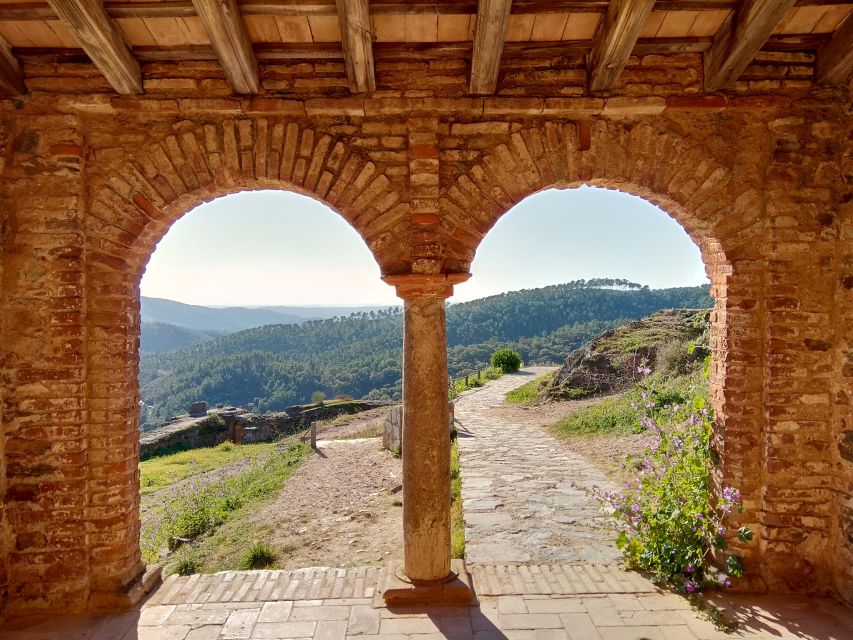
The hilltop Castillo de Aracena gives you a choice. You can climb for views over the town and surrounding hills, or use the time to explore Aracena at street level if the climb does not appeal. The castle stop is listed at about 30 minutes, so do not expect a long archaeological visit.
I would make the effort to reach the viewpoint if you are comfortable walking uphill. Some people skip it, but the elevated position helps you understand the shape of the town and the wooded country around it. If you prefer a slower pace, Aracena itself offers a pleasant alternative.
Same base in Seville, a completely different kind of day:
- Seville: Royal Alcázar Entry Ticket
★ 4.6 · 28,378 reviews - Seville: Cathedral and La Giralda Entry Ticket
★ 4.5 · 24,592 reviews - Seville: Live Flamenco Dancing Show Ticket at the Theater
★ 4.7 · 16,396 reviews - Seville: Casa de la Memoria Flamenco Show
★ 4.8 · 12,964 reviews
Inside the Gruta de las Maravillas
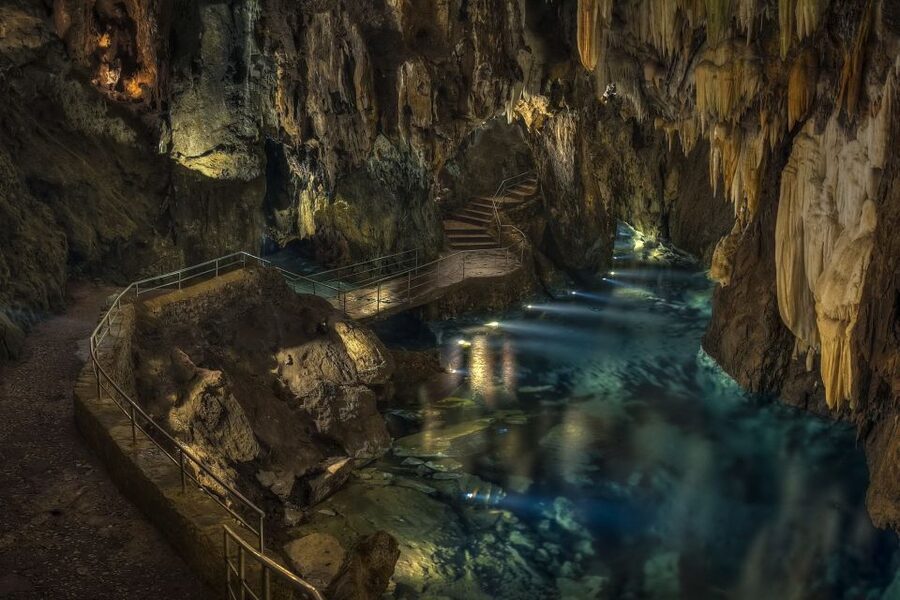
The Gruta de las Maravillas is the strongest reason to choose this day trip over a simple mine excursion. The cave extends for almost 2,000 meters, though the guided visit covers only part of that network.
Inside, water has shaped limestone into stalactites, stalagmites, chambers, and pools. The deep blue water and pale rock formations create a cool, quiet contrast to the red, exposed ground at Rio Tinto. Seeing both places on the same day gives the excursion its real sense of variety.
The cave visit lasts about an hour, with roughly 50 minutes often spent on the route itself. You should wear comfortable shoes and expect stairs, narrow passages, and some tight spaces. If you are uncomfortable in enclosed places, this is the part to consider carefully.
The main weakness is language support. The cave guide may not speak English, and the English audio guide has sometimes been limited or failed to work properly. A few guides, including Driss, have strong cave experience and can add useful explanations, but this depends on the person leading your group.
You may also find the pace a little brisk. There is a lot to see, and the official route leaves limited time to stop at every formation. Still, the cave is an unusually beautiful and memorable part of the day, and it regularly makes the long drive feel worthwhile.
The final church and mountain views
The route can include a stop for views of the rural Mosque of Almonaster la Real, a small historic religious building set on a hill. The exact stop may vary, but this kind of pause adds another layer to the trip: rural architecture and quiet mountain scenery rather than only mines and caves.
One of the useful strengths of this tour is the guide’s ability to make extra stops when time and conditions allow. Several guides have added churches, viewpoints, animal sightings, or local food suggestions. Do not count on every optional stop, but do listen when the guide points one out.
Transport, group size, and pace
The full outing takes about 10 hours. The scheduled road sections include approximately one hour to Rio Tinto, another 30 minutes between mining stops, a further 30 minutes toward Aracena, and about 90 minutes back to Seville.
That adds up to a substantial amount of time in the vehicle. The roads can be bumpy in places, and the route covers a large area. The air-conditioned vehicle is a practical advantage, particularly in warmer months, and the small-group setup generally makes the ride more personal than a large coach tour.
Your pickup and drop-off point depends on the option you choose. Listed Seville locations include C. Rastro 12, Hotel Don Paco, Calle Trajano 6, and Seville. Confirm the exact meeting point before departure.
Shared and private tours are available. A shared tour is the better value if you enjoy conversation and do not mind a little less control over timing. A private option makes more sense if you want a slower pace, more photo stops, or a schedule shaped around your interests.
Guides work in English, French, Italian, and Spanish, but language matching has a condition. At least four people who speak a requested language may be needed. If that minimum is not met, the operator may offer another language, another date, or a refund.
Is the $112 price fair?
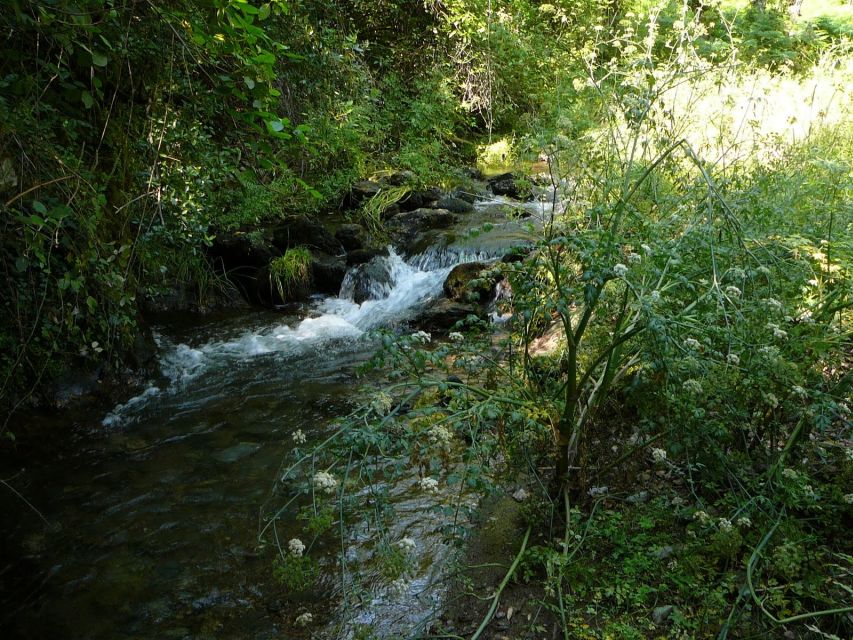
At $112 per person, the price is reasonable for a 10-hour excursion covering a distant mining region, a natural park, Aracena, a castle viewpoint, and the cave. Transport, a local guide, walking tours, and entrance fees are included.
You still need to budget for lunch and drinks. The two-hour lunch break gives you enough time to choose your own meal, which is useful if you have dietary preferences or want to control spending.
The value depends on what you want from the day. For someone without a car, this is an efficient way to reach places that are awkward to combine independently. You avoid arranging rural buses, cave tickets, and long-distance transport, while the guide provides context along the way.
If the mines do not interest you, part of the price may feel less useful. In that case, a trip focused only on Aracena and the cave would offer a stronger match, if available. For nature lovers, geology fans, solo visitors, and anyone wanting a break from Seville’s city center, the mix is well judged.
Who should book this day trip?
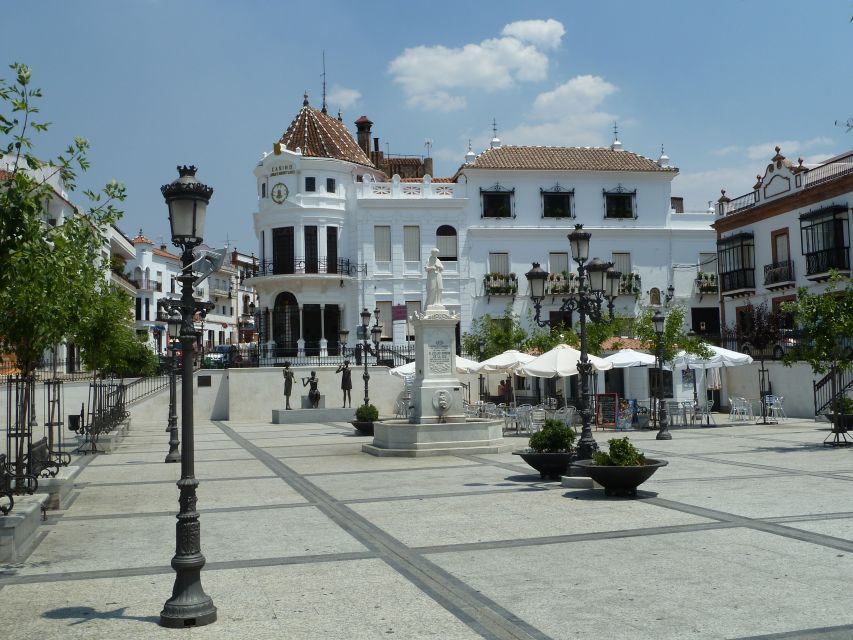
I would choose this tour if you want unusual scenery and local countryside, not another familiar Spanish monument. It suits people who enjoy caves, geology, rural food traditions, history, and changing scenery.
It also works well for solo visitors who are not driving. The vehicle, guide, and fixed stops take away much of the planning, while the small group gives you company without the feel of a huge bus excursion.
Families with older children may enjoy the red river and cave, though the long day and narrow cave passages deserve thought. Anyone with limited comfort on stairs or in enclosed spaces should ask about the cave route before booking.
The tour is less suitable if you want a slow morning, a long lunch, or extensive time inside Aracena. You see a lot, but the schedule has to keep moving.
Should you book it?
Book this experience if you want a full, varied day beyond Seville and the idea of a red river, old mines, oak country, and an underground cave sounds appealing. The Gruta de las Maravillas is the safest reason to go, while Rio Tinto gives the day its unusual character.
I would choose a private option if budget allows and you care about pace or photography. For the best value, take the shared small-group tour, wear comfortable shoes, bring water, and accept that some of the day will be spent on the road.
The guides are a major part of the experience. Names such as Driss, Miguel, Sergio, Luismi, Carmen, and Peter appear repeatedly in the operating team’s strong feedback, with particular praise for humor, safe driving, local knowledge, and personal attention. The only consistent cautions are the long route, the uneven appeal of the mining area, and imperfect English support inside the cave.
FAQ
How long does the Rio Tinto and Aracena tour last?
The experience lasts about 10 hours, including transport from Seville, sightseeing, lunch time, and the return journey.
What is included in the price?
The price includes transport in an air-conditioned vehicle, a local guide, walking tours, entrance fees, and established pickup and drop-off points.
Are meals and drinks included?
No. Lunch and drinks are not included, although you have about two hours of free time in Aracena to eat.
Is the tour available as a private experience?
Yes. You can choose between a private tour and a shared small-group option, depending on availability.
What languages are offered?
Guiding is available in English, French, Italian, and Spanish. A minimum of four people speaking a requested language may be required.
Do I need to visit the underground mines?
The Rio Tinto portion focuses on the mining area, viewpoints, the river, and the effects of mining on the surrounding region. A full underground mine visit is not described as part of the standard experience.
What is special about the Rio Tinto river?
The river runs through old mining fields and carries metallic minerals. These combine with mildly acidic water to create its distinctive reddish color.
Is the cave suitable for people who dislike enclosed spaces?
The cave includes narrow staircases and tight sections. If you feel uncomfortable in enclosed places, consider this before booking.
What should I bring?
Wear comfortable shoes. You should also be prepared for walking at the cave, castle, town, and outdoor viewpoints.
Can I cancel the tour?
You can cancel up to 24 hours in advance for a full refund. The activity also offers reserve-now-and-pay-later booking.
Recently added around Seville
- Seville: Alcázar Fast-Track Access with Guided Tour★ 4.2 · 432 reviews
- Seville: Small Group Jewish Quarter Tour with Tapas & Drinks★ 5.0 · 119 reviews
- Seville: Sunset Roof Top Walking Tour★ 4.5 · 122 reviews
- Seville: Small-Group Jewish Quarter Discovery Walking Tour★ 4.9 · 499 reviews
- Seville: VIP Exclusive Early Access Tour of The Alcazar★ 4.8 · 276 reviews
- Seville: Authentic and Romantic Horse-Drawn Carriage Ride★ 4.5 · 341 reviews
- Seville: Tapas, Taverns and History Guided Walking Tour★ 4.9 · 515 reviews
- Seville: Flamenco Show at Tablao Almoraima in Triana★ 4.6 · 483 reviews
Full-Day, compared.
Toledo Half or Full Day Tour with Optional Lunch from Madrid
Read our review →
Toledo & Segovia Full Day Guided Tour with Alcázar
Read our review →
Timanfaya Park and Jameos del Agua Full-Day Tour
Read our review →
Browse the lists this tour appears in