
Reviewed · NATIONAL PARKS
From Seville: Doñana National Park Day Trip
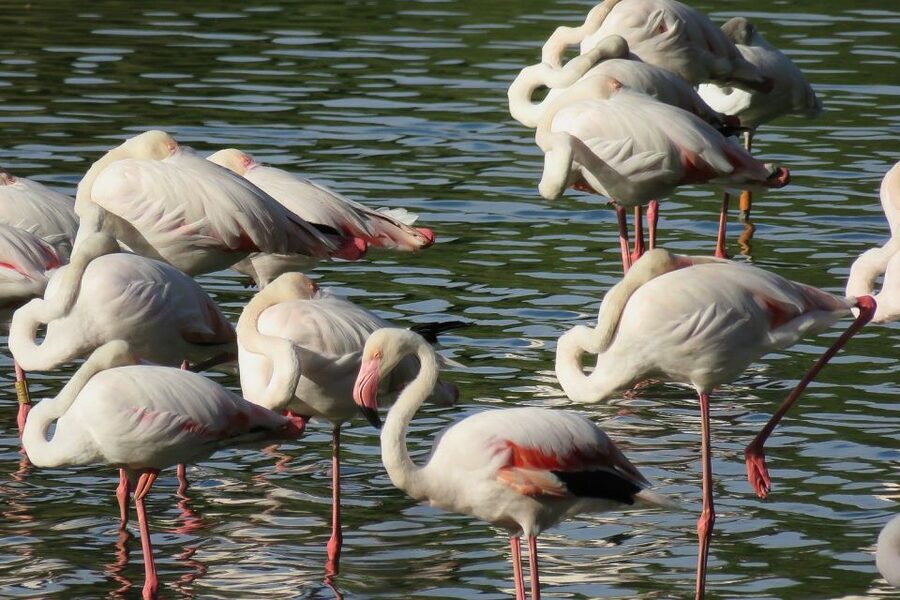
Doñana is one of those places where the scenery keeps changing. In a single day, you move from Guadalquivir marshes and rice fields to pine forest, open pasture, village lanes, giant dunes, and a broad Atlantic beach. The best moments may be small: a flamingo flock, a stork circling above the fields, deer beyond the road, or pawprints left by a lynx you never quite see.
I like the excellent wildlife spotting and the chance to cover such a huge area without arranging several separate trips. I also like the guides’ enthusiasm. José, Sergio, Luismi, Patricia, Diego, and others have been praised for explaining the plants, birds, history, and traditions while adjusting the drive to find animals.
The tradeoff is time in the van. This is a 10-hour park circuit, not a long walking hike. You may also get only a short stretch on the beach and dunes, and wildlife is never guaranteed, especially the elusive lynx.
Key points to know before you book
- Doñana changes character all day: You see marshes, rice fields, pine woods, pasture, dunes, and Atlantic shore.
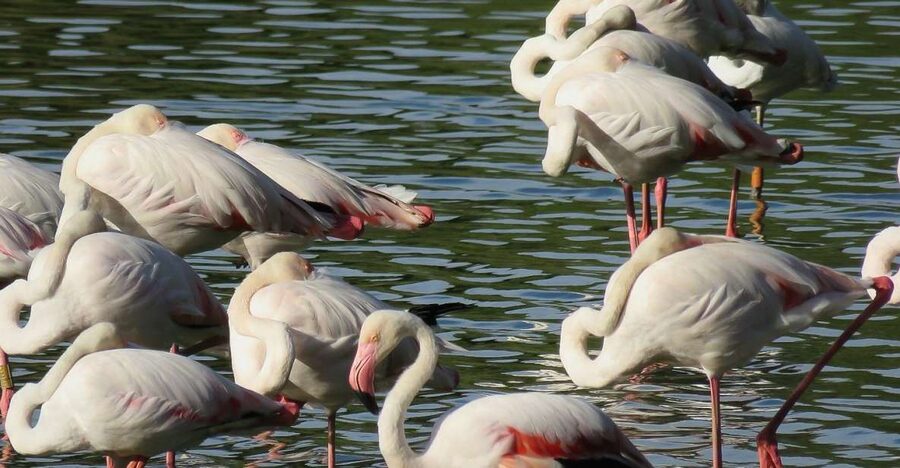
- Birdwatching is the main event: Flamingos, storks, egrets, herons, ibises, kites, and many other species may appear.
- The guide matters: José, Sergio, Luismi, Patricia, and Diego have earned praise for sharp eyes and strong knowledge of the park.
- Expect a lot of driving: The park is enormous, and reaching its northern and southern areas takes time.
- El Rocío is more than a lunch stop: Its chapel, sandy streets, observatory, and nearby La Rocina trails add culture to the nature day.
- Spring and winter can be strongest for birds: Summer brings heat, beach time, and a chance to swim, but some areas may look dry.
Why this 10-hour Doñana trip is worth your day
At $105 per person, this is not a cheap outing, but it covers hotel pickup and drop-off, transport, a guide, and binoculars. You are paying for access to a wide and complicated protected area without needing to rent a car, plan routes, or work out where wildlife is most likely.
I see the value most clearly if you have only one day to spare from Seville. Doñana is too large to understand from one roadside viewpoint. This tour gives you a broad look at its main habitats, with a guide who can explain why the same park looks wet and bird-filled in one place, dry and sandy in another.
The cost makes less sense if you want a quiet beach day or several hours of walking in one location. The experience is built around movement. You will cover ground, stop often, and spend much of the day looking through vehicle windows or binoculars.
The overall rating is 4.3 from 380 bookings, with especially strong praise for the guides. That pattern matters. The scenery is impressive, but the guide is often what turns a long drive into a worthwhile wildlife outing.
More national park trips in Seville:
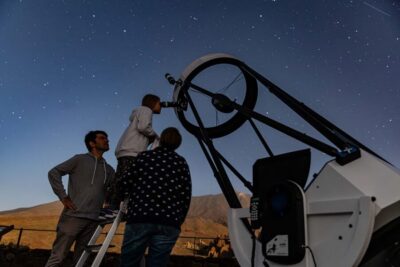
- Tenerife: Sunset and Stargazing at Teide National Park
★ 4.7 · 2,826 reviews - Teide National Park Sunset & Stargazing with Dinner (Star Safari)
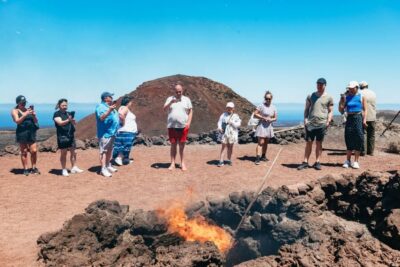
★ 5.0 · 2,601 reviews - Arrecife/Playa Blanca: Timanfaya National Park Area Day Tour
★ 4.4 · 856 reviews
From Seville to the northern marshes
Pickup is from Seville, with hotel pickup and return included. You should wait in your hotel lobby about 10 minutes before the agreed time. Make sure your phone can receive WhatsApp messages, since one person arrived late after not realizing the operator would use that channel.
The first drive passes through Coria del Río along the Guadalquivir. This is a useful transition from city to countryside, though traffic leaving Seville can slow things down. The trip then reaches Dehesa de Abajo, a visitor area on the northern edge of the marshes.
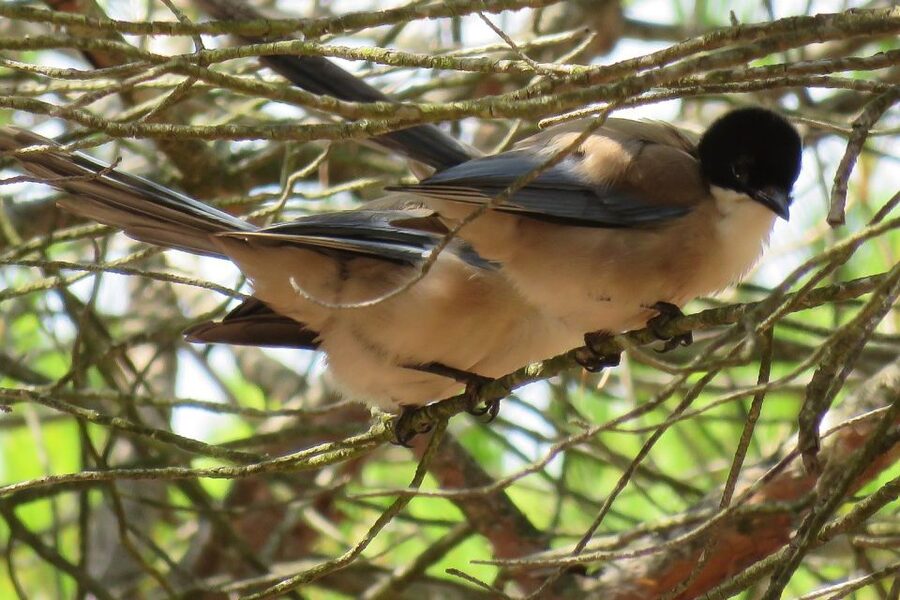
Here, the setting opens into water, pasture, and pine woodland. The park supports around 300 bird species and a large range of other wildlife. You may look for flamingos, Spanish imperial eagles, storks, herons, and smaller birds that are easy to miss without help.
Bring your own binoculars if birdwatching is important to you. Binoculars are supplied, but the equipment may be well used. The tour also includes prismatics, and guides may reposition the vehicle or use their own spotting skills to give everyone a better view.
Rice fields, storks, and patient wildlife watching
The rice fields are one of the more unusual parts of the outing. They are associated with Europe’s largest colony of storks, giving you a chance to see large birds in a working agricultural setting rather than only in a formal reserve.
This is where expectations help. A wildlife day is not a parade of guaranteed sightings. You might see dozens of species, as one keen birder counted around 70 on a single trip, or you might spend longer periods scanning open ground for movement.
The guide’s role is crucial. José was praised for spotting birds quickly and repositioning the vehicle so everyone could see. Sergio has been described as making detours and driving slowly when something interesting appeared. That flexibility can make a major difference in a place where animals may be far from the road.
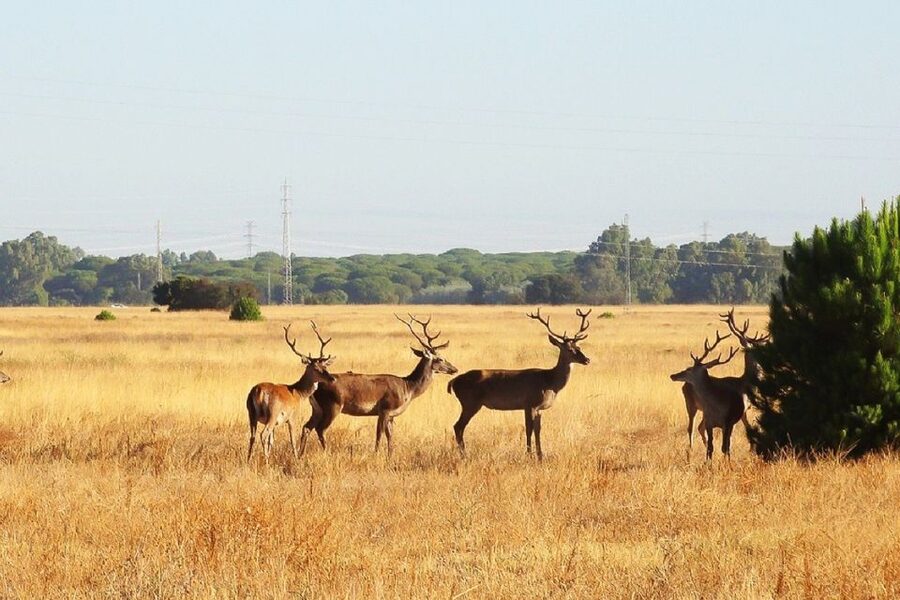
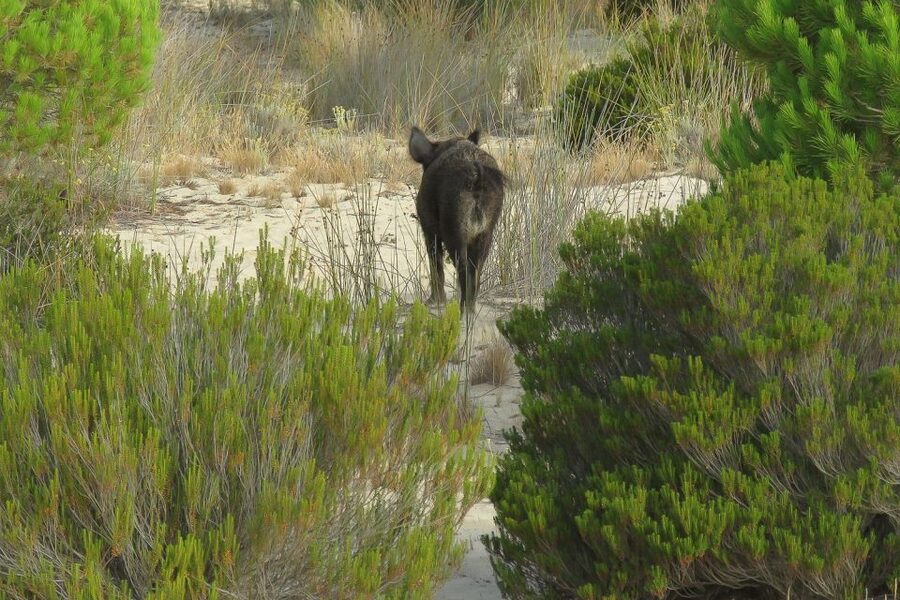
Possible sightings include glossy ibis, black kite, blue heron, little egret, great egret, osprey, purple swamphen, griffon vulture, barn owl, cuckoo, lark, deer, and wild boar. Doñana’s Spanish imperial eagle is a prized sighting, but you should treat it as a possibility rather than a promise.
El Rocío gives the nature day a human center
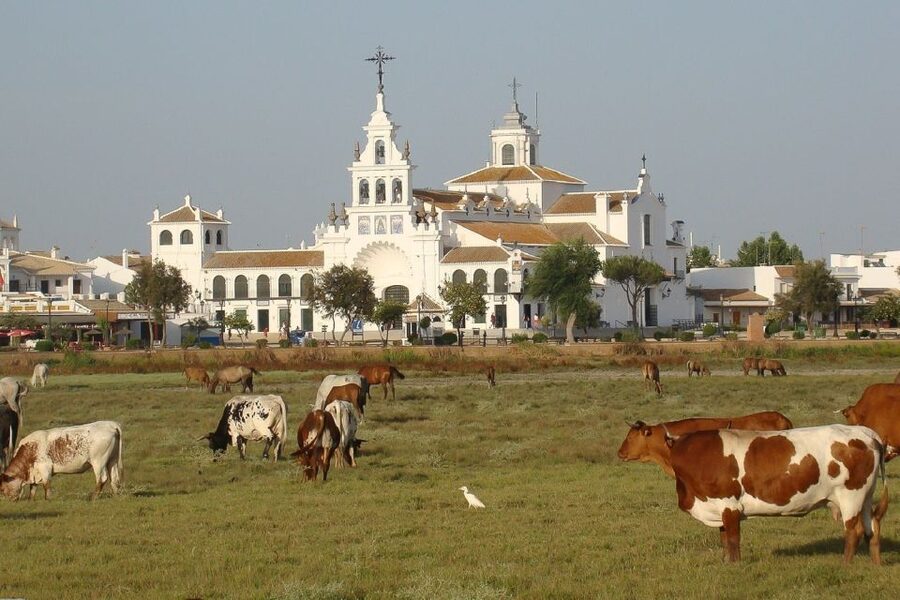
The village of El Rocío is one of the trip’s most distinctive stops. It is known for its chapel and its connection with the annual pilgrimage, but you also get a sense of the area’s traditions simply by walking through the sandy streets.
The visit usually includes a guided look at the village, the chapel, and an observatory. It is not a long cultural tour, so you should not expect extensive free time. Some people would prefer more time here, especially after hearing about the village’s unusual past and religious traditions.
I think El Rocío works best as a change of rhythm. After marshes and long wildlife scans, the village gives you buildings, local customs, and a place to pause. You may also have time for lunch, but food and drinks are not included, so plan to pay for your own meal or bring suitable snacks.
The nearby La Rocina stream adds another natural stop. Trails here let you get out of the vehicle and walk through a different part of Doñana. Still, the walking is limited compared with what many people expect from a national park visit. If your priority is hiking, this may feel too vehicle-based.
A few more Seville half-days worth comparing
- From Malaga: Seville Day Trip and Optional Monument Tickets
★ 4.5 · 340 reviews - From Malaga: Seville Day Trip with Real Alcázar Tickets
★ 4.3 · 280 reviews - Tangier Day Trip from Seville with Lunch Included & Local Guide
★ 3.5 · 220 reviews - From Costa del Sol & Malaga: Seville Day Trip
★ 3.9 · 203 reviews
Matalascañas, dunes, and the Atlantic coast
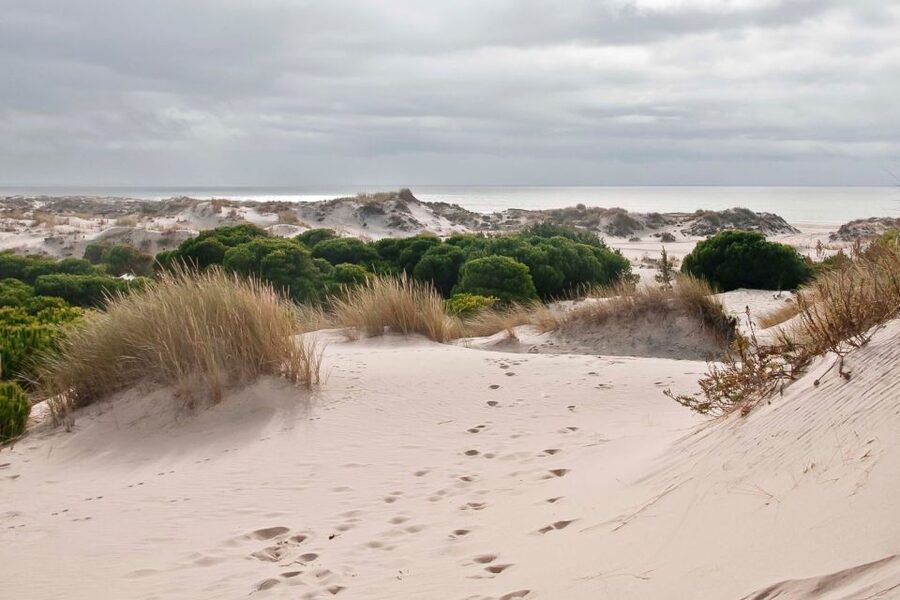
After El Rocío, the route continues toward Matalascañas and the southern side of the park. This part of the day brings one of the clearest changes in scenery: open sand, large dunes, and the Atlantic shore.
The dune system is described as Spain’s largest, and it gives the trip a sense of scale. You are no longer looking across marsh water or pine trunks. You are walking among sand and coastal vegetation, with the beach providing a wide, open finish to the park visit.
The itinerary allows about two and a half hours in the Matalascañas area, including the guided visit and photo stops. In practice, the time can be divided between the dunes, the beach, lunch, and other stops. One booking had only about 35 minutes for the beach and dunes, so do not book this expecting a long swim or a leisurely seaside afternoon.
In summer, you may take a dip in the Atlantic. Bring swimwear only if swimming matters to you, and remember that the tour is still a wildlife circuit rather than a beach excursion. The coast is a welcome chance to cool off, but the schedule may not leave much time.
The return route passes through the pine forest around Asperillo. If the timing works, sunset gives the trees and dunes a softer look. This can be one of the day’s prettiest moments, though the exact light depends on the season and departure schedule.
How much walking and driving should you expect?
You should think of this as a guided nature road trip with short walks, not a hiking tour. The supplied schedule includes drives of about 50 minutes from Seville, 30 minutes between the park and El Rocío, and 75 minutes back toward Seville. Other shorter drives and wildlife stops fill the day.
Some stretches can be bumpy, especially on rougher park roads. One person found the ride uncomfortable for an hour or more, while others described the vehicle as modern and comfortable. The back seats can be less useful for viewing, particularly when all seven seats are filled.
Small groups help. Private trips offer more room to shape the day around birds, mammals, photography, or walking. Shared departures can be good value, but the group’s interests and language needs will affect how flexible the guide can be.
The guide may stop, reverse, or take a small detour when wildlife appears. That is a benefit, but it can also mean that the schedule shifts. You will get more from the day if you accept that wildlife watching needs patience.
The best season depends on your priorities
Winter can be a strong choice for birdwatching, with many birds around the lakes and marshes. The park may also feel quieter, and the cooler air makes long outdoor stops easier.
Spring brings active wildlife and more plant life. One person specifically felt spring would offer more nature, and I agree that it is a sensible season for anyone focused on birds, flowers, and fresh growth.
Summer is hotter and often drier, but it adds the possibility of swimming at the coast. You will want comfortable shoes, sunglasses, a hat, and sunscreen. The sun can be intense, and many stops are exposed.
Autumn can combine pleasant temperatures with good birdwatching. The exact wildlife mix changes throughout the year, so choose based on your main interest rather than searching for one perfect month.
Doñana is still attractive in poor weather, but rain can reduce visibility and make the ground less inviting. The operator has substituted another outing in the past when weather made the park impractical, with the White Villages offered instead. If that possibility matters to you, confirm the current policy before departure.
What kind of guide can you expect?
The strongest part of this experience is the human element. Guides including José, Sergio, Luismi, Patricia, Diego, Ramón, and Miguel have been singled out for being attentive, friendly, and well informed about wildlife and local traditions.
That does not mean every departure will feel identical. A guide may be especially focused on birds, photography, local culture, or keeping a mixed-language group together. English, French, Italian, and Spanish are offered, but a particular language requires at least four people who speak it. If that minimum is not met, the operator may offer another language, date, or a refund.
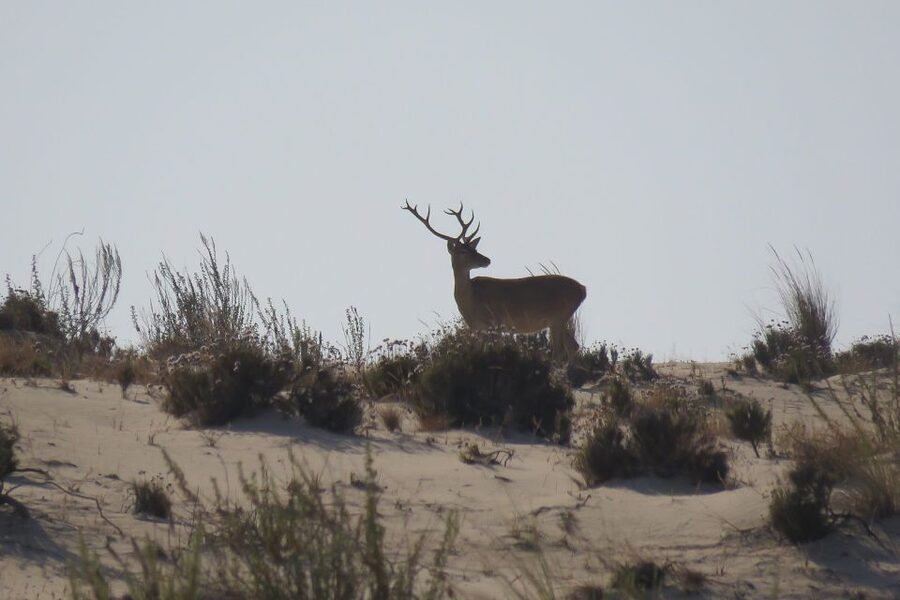
A good guide can also make a missed sighting feel worthwhile. Lynx are famous here, but they are extremely difficult to see. You might find tracks or pawprints instead. Deer and wild boar are more realistic possibilities, though all wild animals remain unpredictable.
Food, equipment, and what to pack
Meals and drinks are not included. You will have time for lunch, but the exact arrangement can vary, so bring water and a snack even if you plan to buy food along the way.
Wear shoes that work for both short trails and sand. Add sunglasses, a sun hat, and sunscreen. A light extra layer may help in cooler seasons, but the provided information does not specify a clothing service or storage facility.
Pets are not allowed. Infant seats can be supplied if requested in advance, which is useful for families who need one. Ask for it before the trip rather than assuming one will be available at pickup.
Who should book this Doñana day trip?
You should consider booking if you enjoy birds, open countryside, changing habitats, and guides who actively search for wildlife. It is particularly useful for a first visit to Doñana from Seville, when you want to cover the park without driving yourself.
It also suits photographers and casual nature fans who are happy to spend time scanning with binoculars. You do not need to identify every bird to enjoy the day, but patience helps.
I would hesitate if you want a full day of hiking, a guaranteed lynx sighting, or several relaxed hours on the beach. The vehicle time is unavoidable because Doñana is so large, but it can feel long if your main goal is walking.
Free cancellation up to 24 hours before departure and the option to reserve now and pay later make planning less risky. Just confirm the pickup details, language, and infant seat needs before the day.
Should you book it?
Book this trip if you want a broad, guided introduction to Doñana and would rather watch wildlife than organize a complicated self-drive day. The mix of marshes, storks, El Rocío, pine woods, dunes, and beach is the real value.
Choose a private departure if you want more control over stops or have a strong birdwatching focus. On a shared trip, bring patience, accept that the back seat may be less ideal, and remember that a lynx sighting is luck, not a feature you can count on.
For most nature-minded visitors with one free day in Seville, I think the tour earns its place. You may spend more time driving than expected, but you also get a look at one of Spain’s most varied protected areas in a single, well-filled day.
FAQ
How long is the Doñana National Park trip from Seville?
The experience lasts 10 hours, including transport from Seville, guided stops, and the return journey.
Is hotel pickup included?
Yes. Hotel pickup and drop-off in Seville are included. You should wait in the hotel reception or lobby 10 minutes before pickup.
What languages are available?
Guiding is available in English, French, Italian, and Spanish. A minimum of four people speaking a particular language is required.
Is this a private tour?
You can choose between a private experience and a small-group departure.
Are meals and drinks included?
No. Meals and drinks are not included, so you should budget for lunch and bring water or snacks.
Will I see a lynx?
A lynx sighting is possible but not guaranteed. You might see tracks, while deer and wild boar are other possible large mammals.
Are binoculars provided?
Yes. Prismatics are included, although you may prefer to bring your own binoculars for birdwatching.
Can I swim in the sea?
You may swim in the Atlantic during summer, subject to the available time and conditions at the Matalascañas beach stop.
What should I bring?
Bring comfortable shoes, sunglasses, a sun hat, and sunscreen. Infant seats are available if requested in advance, and pets are not allowed.
Recently added around Seville
- Seville: Alcázar Fast-Track Access with Guided Tour★ 4.2 · 432 reviews
- Seville: Small Group Jewish Quarter Tour with Tapas & Drinks★ 5.0 · 119 reviews
- Seville: Sunset Roof Top Walking Tour★ 4.5 · 122 reviews
- Seville: Small-Group Jewish Quarter Discovery Walking Tour★ 4.9 · 499 reviews
- Seville: Authentic and Romantic Horse-Drawn Carriage Ride★ 4.5 · 341 reviews
- Seville: VIP Exclusive Early Access Tour of The Alcazar★ 4.8 · 276 reviews
- Seville: Sunset and Evening Paddle Boarding Tour★ 4.8 · 355 reviews
- Seville: Tapas, Taverns and History Guided Walking Tour★ 4.9 · 515 reviews
National Parks, compared.
Teide National Park Sunset & Stargazing with Dinner (Star Safari)
Read our review →
Arrecife/Playa Blanca: Timanfaya National Park Area Day Tour
Read our review →
Jávea: Cala Tango and San Antonio Nature Reserve Kayak Tour
Read our review →
Teide National Park: Guided Large Telescope Stargazing Tour
Read our review →Browse the lists this tour appears in