
Reviewed · CYCLING TOURS
Bilbao: Guided Highlights Small Group or Private E-Bike Tour
Bilbao’s best feature is how much of the city you can understand from its riverbanks. This three-hour e-bike ride links the old trading town with the sleek Guggenheim era, showing you how iron, ships, football, and art shaped the Basque Country’s largest city. I like the easy riverside route and the way the ride gives first-time visitors a useful city overview before they start exploring on foot.
I also like the guides’ local flavor. Oskar, Roberto, Willie, Txema, and others bring their own stories, humor, and pride in Bilbao. The main drawback is simple: this is a moving introduction, not a slow museum tour, so you will want extra time later at the Guggenheim, Maritime Museum, or historic center.
Key points to know before you ride
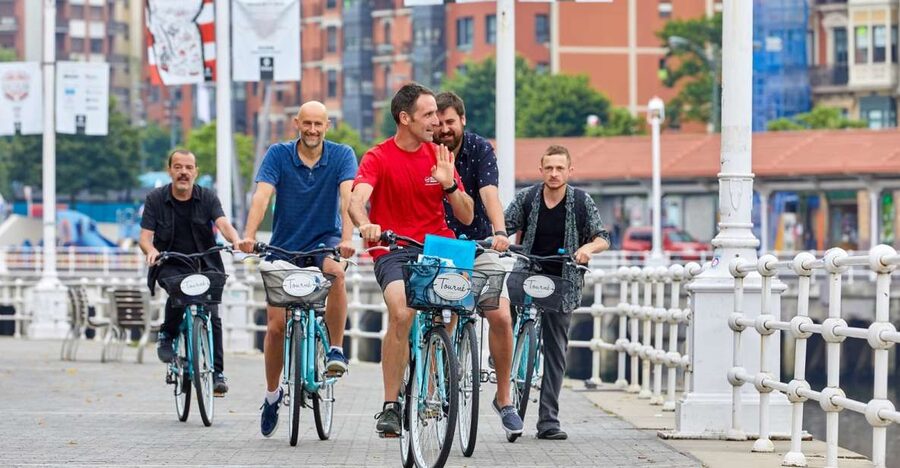
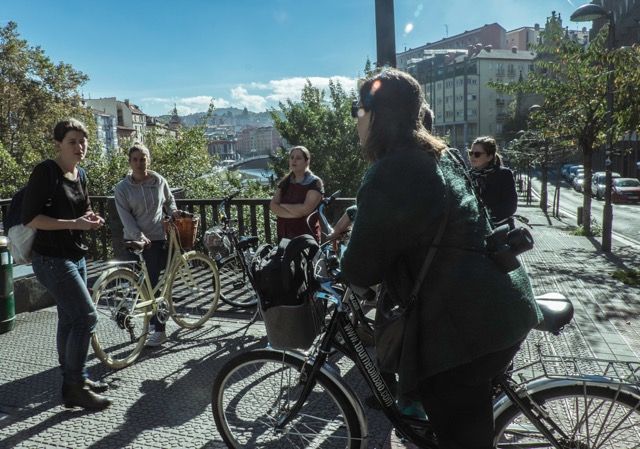
- Mostly safe, flat cycling: The route uses bike lanes and pedestrianized roads for most of the ride, keeping you away from busy traffic.
- A full Bilbao overview: In three hours, you connect the old city, Nervión River, Guggenheim Museum, Zubizuri Bridge, San Mamés, parks, and Maritime Museum.
- Strong local guides: Oskar, Roberto, Willie, Txema, and other guides are praised for clear English, humor, history, and personal stories.
- Easy e-bikes: The bikes require little effort and are suited to riders who are not highly confident cyclists, though you still need basic mobility.
- Good first-day choice: You get practical orientation and ideas for where to return during the rest of your stay.
- Height restriction: Riders must be at least 140 centimeters tall, and the tour is not suitable for people with mobility impairments.
Why an e-bike is a smart way to meet Bilbao
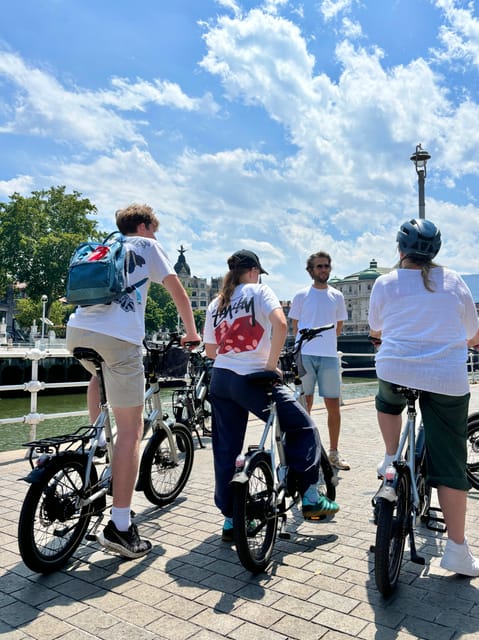
Bilbao is compact enough to explore on foot, but its main sights stretch along the Nervión River. The river connects the old center, the Guggenheim area, the former industrial zones, and the western side of the city. Walking between all of these places takes time, especially if you want a broad first look.
The e-bike solves that problem without turning the outing into a workout. You pedal, but the motor takes much of the strain. The bikes are described as compact, comfortable, and easy to use, and one rider who was not especially confident on a bicycle found that almost the entire route stayed on cycle paths.
That makes this a good fit for you if you want to cover ground but do not want a serious cycling challenge. The ride is described as flat and relaxed, with occasional breaks to hear stories and take in the sights. You still need to be comfortable steering, stopping, and riding in shared urban spaces.
At $58 per person, the price is reasonable for three hours of bike rental, guiding, and orientation. A private group is available if you want more control over the pace or are traveling with family and friends. A small group can offer better value, while a quiet period may sometimes feel nearly private if attendance is low.
More Bike Tours in Bilbao:
- Bilbao: City Highlights Guided Bike Tour
★ 4.8 · 171 reviews - Valencia: City Highlights Guided Bike Tour
★ 4.7 · 2,373 reviews - Seville Highlights Bike Tour (English)
★ 5.0 · 2,225 reviews
Starting where Bilbao began
The tour begins near the place where Bilbao first took shape. That starting point matters because the city can seem, at first glance, like a modern art capital built around one famous museum. Its older identity is different. Bilbao began as a trading port, and its early life grew around commerce, the river, and access to the wider Basque region.
Your guide uses the first part of the ride to explain how the settlement developed. You hear how a smaller port became an industrial center, how iron changed the city, and how the river carried both goods and people. This gives the rest of the route a clear thread: Bilbao’s modern architecture did not appear from nowhere. It followed decades of trade, shipbuilding, industry, and urban change.
The historic streets are also a useful reminder that Bilbao is more than its polished waterfront. You may ride through or alongside authentic older parts of the city, hearing about local identity and the Basque people as you go. Guides have also discussed politics, gastronomy, language, and daily life, so the tour is not limited to dates and building names.
I would pay close attention here, even if your main aim is sightseeing. The early story helps you read the city later, particularly when the route reaches the riverfront and former industrial areas.
Following the Nervión River to the modern city
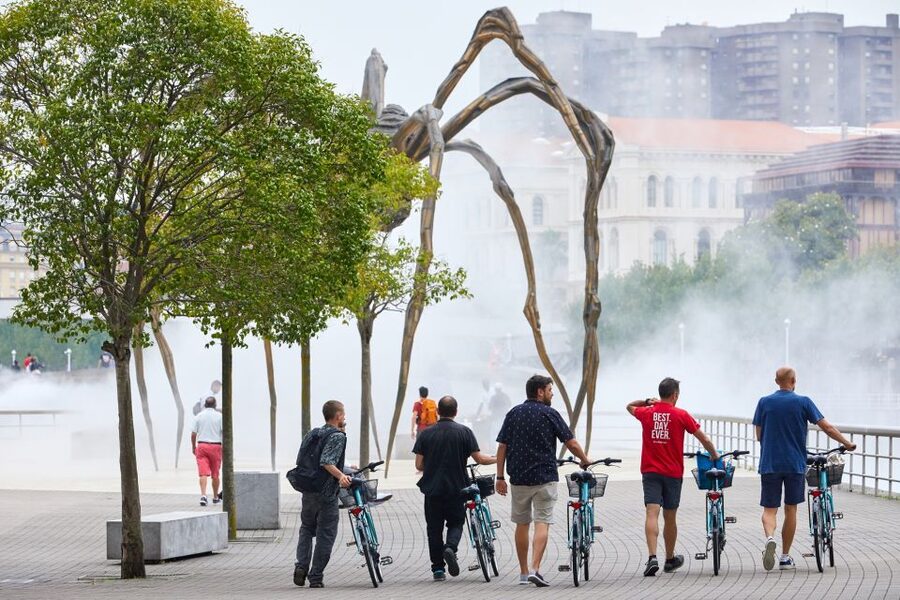
The Nervión is the tour’s natural guide. It divides Bilbao and explains much about the city’s growth. Riding beside it gives you a simple way to see the contrast between old working Bilbao and the newer public spaces that now line the water.
The route is designed to keep you away from heavy traffic. Much of it uses bike lanes and pedestrianized roads, which makes it calmer than a standard city cycling tour. That said, you are still riding in an urban setting, so you should remain alert around pedestrians, crossings, and other cyclists.
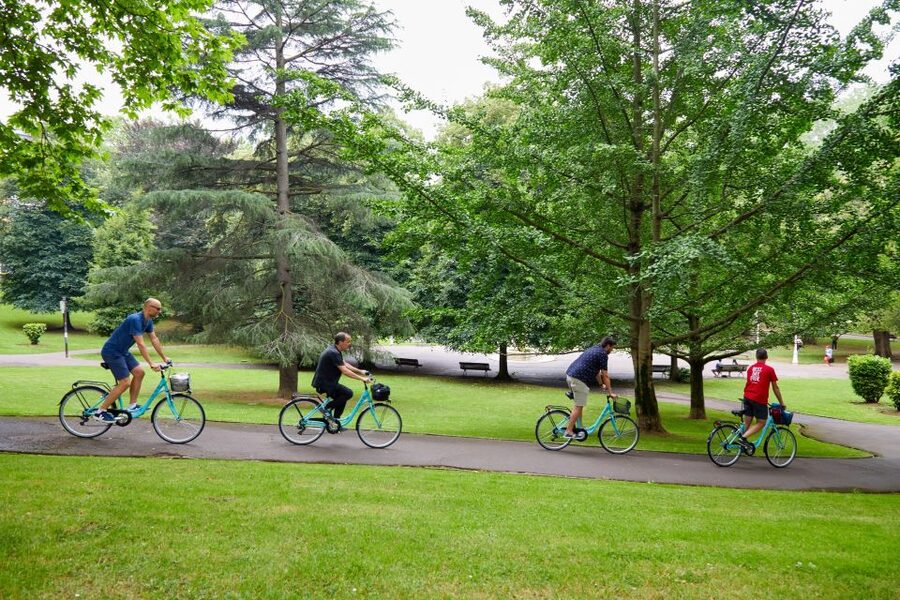
The river ride also gives the guide room to explain Bilbao’s change from industrial center to cultural destination. Parks and open spaces now occupy areas that once served more practical purposes. The result is a city that feels easier to move through than its industrial past might suggest.
One practical benefit is orientation. You see how the main districts relate to one another instead of visiting isolated sights by taxi or on separate walks. After the tour, you should have a clearer idea of where the old center ends, where the Guggenheim sits, and how the river links the main attractions.
The Guggenheim and Zubizuri Bridge
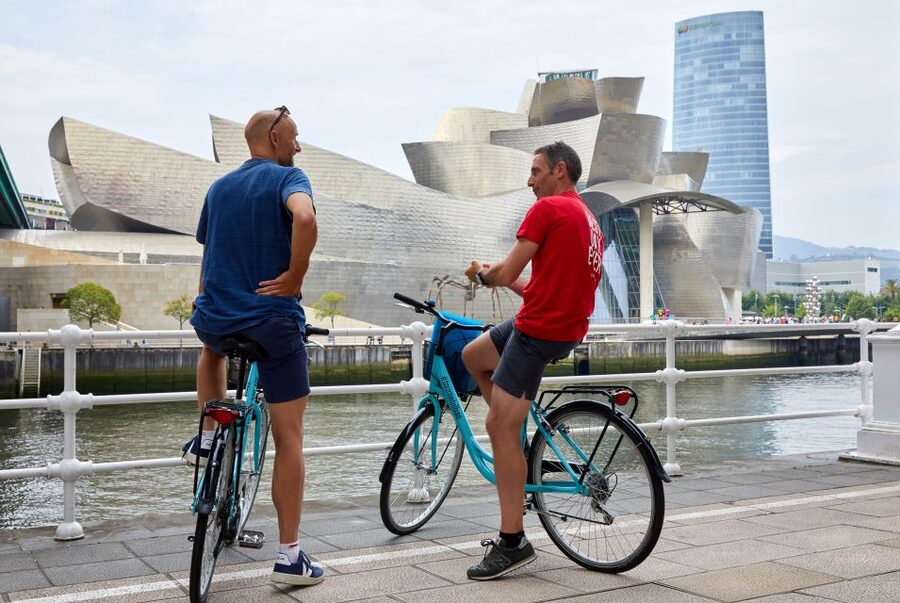
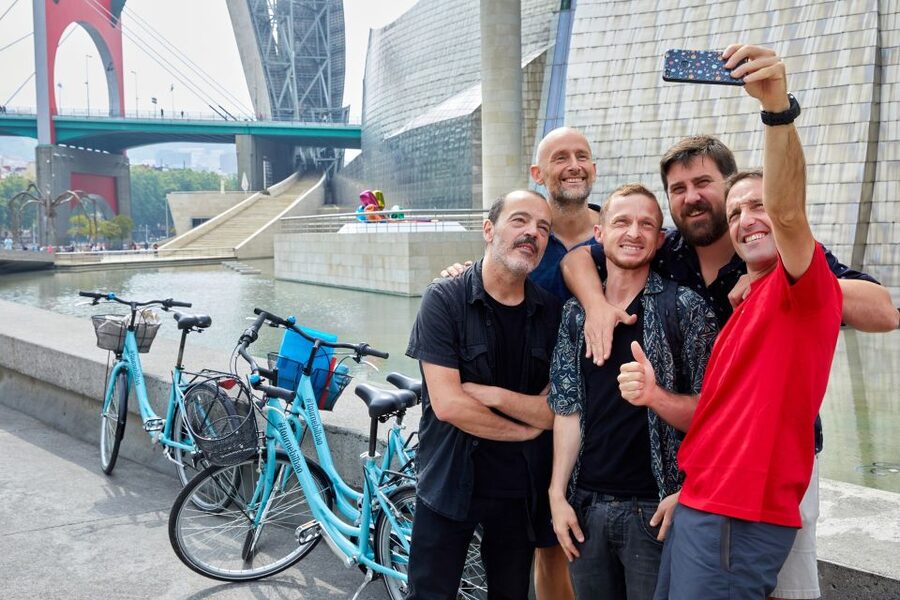
The Guggenheim Museum is the obvious star of the modern route. You see its curved titanium forms from several useful angles rather than simply arriving at the front entrance and taking one photograph. The bicycle makes it easier to compare the building with the river, bridges, and public spaces around it.
The guide explains how the museum fits into Bilbao’s wider renewal. That context is valuable because the Guggenheim is not only an art museum. It helped change the way people saw the city, drawing attention to architecture, public design, and cultural projects along the river.
Do not expect the tour to replace a museum visit. The ride gives you the outside story and helps you decide how much time to spend inside. If modern art is high on your list, schedule a separate visit after the bike tour so you can explore without watching the clock.
The Zubizuri Bridge, designed by Santiago Calatrava, adds another architectural stop. Its white curves create a strong contrast with the Guggenheim’s metallic surfaces and the older city around them. Your guide can point out how Bilbao mixes bold new design with older streets and industrial traces.
This portion is especially good for photographs, though you should expect the group to stop briefly rather than settle in for a long photo session. The goal is to keep the route moving and cover a wide section of the city.
More E-Bike Tours in Bilbao:
- Barcelona 3-hour Bike or E-Bike Tour: Highlights and Hidden Gems
★ 5.0 · 1,429 reviews - Madrid: Highlights Bike Tour with Optional E-Bike or Tapas
★ 4.8 · 1,402 reviews - Barcelona: 2.5-Hour Bike or E-Bike Historical Tour
★ 4.5 · 1,262 reviews - Albaicin & Sacramonte Electric Bike Tour in Granada
★ 5.0 · 1,044 reviews
San Mamés, football, and local identity
San Mamés is more than a football stadium on this route. It is the home of Athletic Club, a team with an unusually strong place in Bilbao’s identity. The stadium is often described as a modern cathedral for Athletic supporters, and the comparison helps explain why football matters here.
Even if you are not interested in the sport, this stop adds something important. A city is not only its monuments and museums. It is also the loyalties and traditions that shape daily life. Guides have used Athletic Club to explain local pride and the special relationship between the team and the Basque people.
You will not be attending a match as part of the tour, and the visit is an exterior stop rather than a stadium event. Still, it gives you a better sense of Bilbao beyond the postcard sights. The guide’s enthusiasm can make this one of the liveliest parts of the ride.
The Maritime Museum and Bilbao’s working past
The Maritime Museum connects the river to shipbuilding and industry. This is where the city’s working identity becomes especially clear. Bilbao’s relationship with water was not just scenic. The river supported trade, industry, shipyards, and the movement of materials.
The museum helps explain why the Nervión mattered so much and why industrial growth changed the city. The bike tour takes you past the site and uses it as a storytelling stop. You should not expect a full museum visit, but you get enough context to understand the role of ships and the river in Bilbao’s development.
For many people, this is one of the most useful parts of the itinerary because it keeps the modern art story in proportion. Bilbao is famous for the Guggenheim, but its identity was built earlier through commerce and industry. Seeing both sides gives the city more depth.
What the guides add to the ride
The guide is the key variable in any city tour, and this experience benefits from guides who bring different personalities to the same route. Oskar is repeatedly praised for his energy, humor, English, and command of Bilbao’s history. Roberto is known for building the story around clear landmarks and stops. Willie has a calm, friendly manner, while Txema has been appreciated for his humor and local knowledge.
Those differences matter. One guide may spend more time on architecture, another on politics or football, and another on personal memories of growing up in Bilbao. The tour is built around a shared route, but it does not feel like a recorded script.
Good guides also make room for questions. You can ask about food, local traditions, the Basque region, or places to visit after the ride. That personal exchange is one reason I would book this near the beginning of your stay rather than at the end.
The guides have also handled less-than-perfect weather well. Rain has not automatically ended the experience. One guide adapted to a major storm by finishing in a cafe, while another kept the group engaged during a wet day. Still, bring comfortable clothes and shoes, and check the forecast before you ride. The activity is outdoors, and weather can affect the pleasure of the route.
The pace, comfort, and practical limits
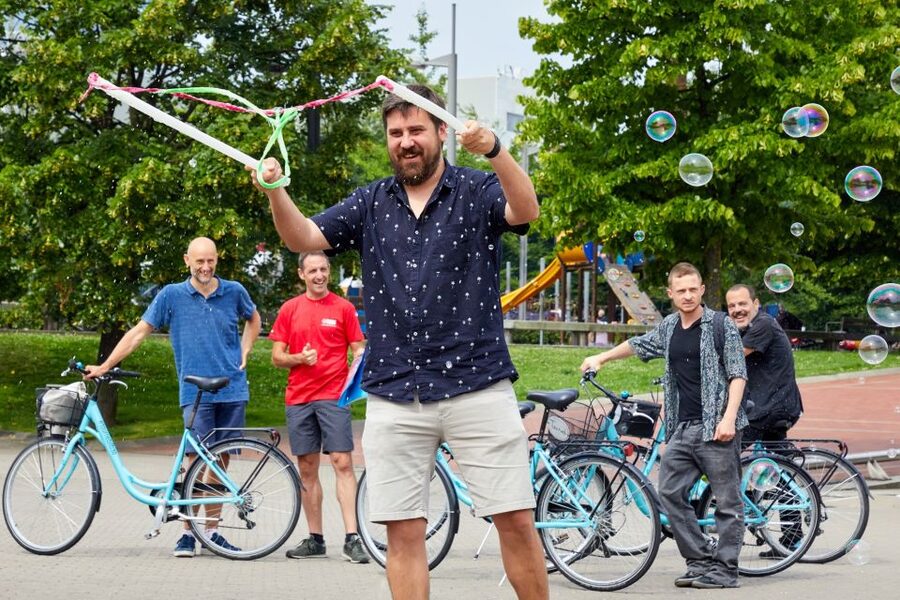
Three hours is long enough to see a lot but short enough to fit into a busy itinerary. Expect a relaxed pace with regular stops for explanation and views. The ride is not presented as a race, and the electric assistance means you can focus on the city rather than saving energy for the next hill.
A helmet is available but not required. Child seats can be requested, which may help families, but the minimum height is 140 centimeters. The tour is not suitable for people with mobility impairments, so check this carefully before booking.
Food and drinks are not included. Water may be available, but you should not count on a meal or tasting as part of the standard three-hour experience. A separate tapas option has been available on some bookings, but you should confirm that when selecting your activity.
The meeting point can vary by the option you choose. Read the booking details closely so you do not assume every departure begins in the same place. You can select a live guide in Dutch, English, or German, and private groups are offered.
Cancellation is flexible up to 24 hours before the start for a full refund. You can also reserve and pay later, which is useful when rain or changing plans may affect your Bilbao schedule.
Who should book this Bilbao e-bike tour
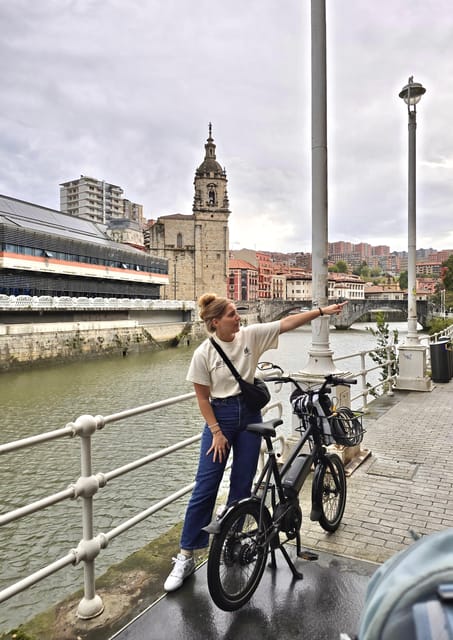
I would choose this tour for a first visit, especially if you have only a day or two in Bilbao. It gives you a working map of the city and helps you decide where to return for a longer visit.
It is also a good choice for cruise passengers with limited time ashore. The route covers more ground than a short old-town walk, and the e-bike keeps the outing practical without demanding much physical effort.
You will get the most from it if you enjoy context along with photographs. The guide talks about Bilbao’s origins, industry, architecture, football, culture, and present-day identity. If you only want to pedal silently or spend long periods at each attraction, a self-guided rental may suit you better.
Families should check the height rule and request a child seat in advance if needed. Riders who are nervous on bikes may find the route reassuring because it mostly follows protected or low-traffic paths, but basic cycling ability is still required.
Should you book it?
Book it if you want to get your bearings fast, see Bilbao’s major sights, and hear the city’s story from a local guide. The $58 cost is fair for three hours of e-bike use and guiding, especially when you consider how much riverfront and city ground you can cover.
I would schedule it early in your stay, then use the guide’s suggestions for later visits to the Guggenheim, Maritime Museum, old streets, parks, and food spots. Skip it only if you dislike cycling, need a fully accessible activity, or want long indoor visits at each attraction.
For most first-time visitors who can ride a bike and meet the 140-centimeter height requirement, this is a relaxed and useful introduction to Bilbao.
FAQ
How long is the Bilbao e-bike tour?
The tour lasts three hours.
How much does the tour cost?
The listed price is $58 per person.
Which sights are included on the route?
The route includes Bilbao’s historic origins, the Nervión River, Zubizuri Bridge, Guggenheim Museum, San Mamés stadium, parks, and Maritime Museum.
Is the ride difficult?
The tour is designed as a relaxed ride using e-bikes. Most of the route follows bike lanes and pedestrianized roads, and the route is described as flat and easy. You still need basic cycling ability.
Are helmets included?
Yes. A helmet is available, but wearing one is not required.
Can children join the tour?
Children must be at least 140 centimeters tall. Child seats are available on request.
Which languages are offered?
Live guiding is available in Dutch, English, and German.
Is a private tour available?
Yes. A private group option is available.
Are food and drinks included?
No. Food and drinks are not included in the standard tour, though some booking options may offer an additional tapas experience.
Can I cancel the tour?
You can cancel up to 24 hours in advance for a full refund. Reserve now and pay later is also available.
Recently added around Bilbao
- The Original Bilbao Food Tour with Wine Pairings★ 4.9 · 120 reviews
- Bilbao: City Highlights Guided Bike Tour★ 4.8 · 171 reviews
- Bilbao old town walking tour★ 4.6 · 151 reviews
- Bilbao: Bilbao Cathedral and San Anton Church Entry Ticket★ 4.4 · 107 reviews
- Bilbao: Guggenheim Like Never Before: VIP Access. Small Group.Top★ 4.5 · 190 reviews
- The Authentic Bilbao Pintxos, Food & Wine Tour with a Local★ 5.0 · 360 reviews
- The Award-Winning Bilbao Food Tour & Wine Pairing by Basque Local★ 5.0 · 967 reviews
- Basque Best Bites – #1 Food & Wine tour of Bilbao★ 5.0 · 268 reviews
Cycling Tours, compared.

Barcelona 3-hour Bike or E-Bike Tour: Highlights and Hidden Gems
Read our review →
Best of Madrid: 3-Hour Guided Bike Tour in Small Groups
Read our review →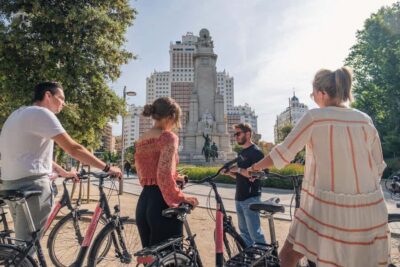
Highlights Bike Tour with Optional E-Bike or Tapas
Read our review →Browse the lists this tour appears in