
Reviewed · DRINKING TOURS
Bean to Bar Chocolate Workshop in Barcelona
The best part of this Barcelona workshop is that you do not simply taste polished chocolate. You handle the raw material: roast cocoa beans, peel them, grind them, and turn them into cocoa paste. That physical work gives you a better sense of what bean to bar really means.
I like the small group of eight, which leaves room for questions and help at the worktable. I also like the mix of history, tasting, and practical work, especially the chance to try cocoa in drinks and compare chocolate made from beans grown in different regions. The main consideration is that this is more of a guided learning session than a free-form chocolate-making class. You make one bar, but the instructor leads much of the process.
Key points at a glance
- Start with a real cocoa pod: See what cocoa looks like before it becomes a bean in a chocolate bar.
- Roast, peel, and grind the beans: You take part in the early steps instead of watching from the side.
- Taste cocoa in several forms: Try chocolate, cocoa-based drinks, nibs, and other parts of the bean.
- Learn the human side of chocolate: The session explains cocoa cultivation and the lives of producing communities.
- Small group, two languages: Up to eight people can attend, with instruction in Spanish or English.
- Take home your own bar: You also receive an apron, hat, certificate, and a written workshop summary.
Starting with the cocoa pod at Kina Chocolates
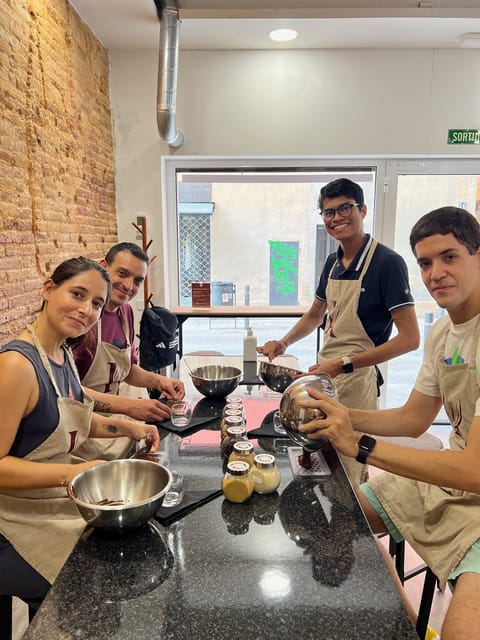
The workshop takes place at Local Kina Chocolates, a small artisan chocolate shop in Barcelona. That setting matters. You are not in a large tourist attraction with a polished display and a crowd moving through. You work in the same kind of compact setting where chocolate is made and sold.
The session begins with cocoa itself. You get to observe a cocoa pod and learn what happens in the growing fields before the beans reach a chocolate maker. That first step helps correct a common idea: chocolate does not begin as a smooth brown block. It starts with a fruit, its seeds, and a long chain of work involving farmers, fermentation, drying, roasting, and grinding.
The guides have different names depending on the session, including Renée, Oscar, and Franklin. The strongest feature across the experience is the teaching style. Oscar is known for a playful, passionate approach, while Renée brings clear explanations and warmth. Franklin has also led sessions with an easy manner and a willingness to answer questions.
You should expect a talk, but not a lecture that keeps you seated for two hours. The group handles samples, works with equipment, and tastes along the way. The limit of eight people is especially useful here. It gives you a better chance to ask about flavor, farming, or technique without waiting behind a large group.
More workshops in Barcelona:
- Barcelona: Cocktail Master Class by Mixologist with Tapas
★ 4.7 · 959 reviews - Barcelona Cocktail Masterclass with Tapas
★ 5.0 · 377 reviews - Ceramic Tiles Small Group Workshop in Barcelona
★ 5.0 · 336 reviews
Roasting and peeling the cocoa beans
The hands-on section starts with the beans. You roast them, then peel away the shells. It is a simple task, but it changes the way you see chocolate. The scent and texture are direct and earthy, and the work is less tidy than opening a wrapped bar.
The shell is not just waste. The workshop introduces different ways cocoa can be used, including cocoa-based drinks and other products made from parts of the bean. Some people become interested in cocoa bean shell tea or caramel-covered cocoa beans sold in the shop, though those purchases are separate from the workshop.
Peeling also shows why small-batch chocolate takes time. A commercial bar hides nearly all of this labor. Here, you see that even before the chocolate is refined, someone has to prepare the beans carefully. The activity is practical without requiring specialist skill, so teenagers and adults can take part.
You should let the instructor set the pace. This is not a race to finish first, and the value comes from understanding each stage. If you want a session where you independently control every temperature and recipe, this may feel limited. If you want a clear introduction to the whole process, the guided approach works well.
Grinding beans into cocoa paste
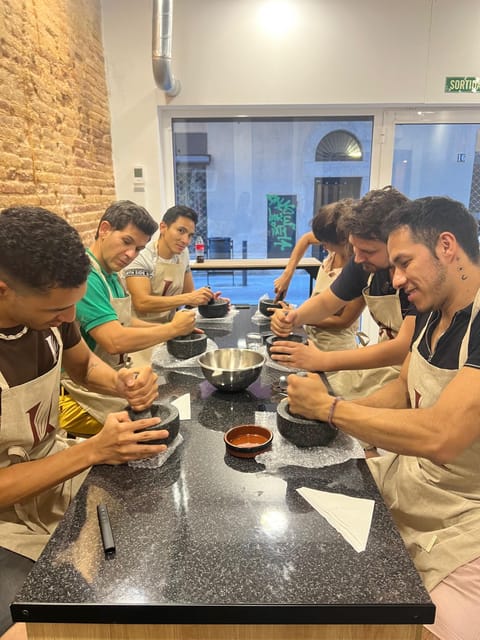
After roasting and peeling, you grind the cocoa. This is the moment when the beans begin to resemble the chocolate you know, though the flavor is much more direct and less sweet. You make your own cocoa paste and learn how the texture changes as the beans are broken down.
The workshop helps you understand the difference between cocoa flavor and the sweetness added to many supermarket bars. You taste cocoa in forms that are not designed to be instantly sugary. That can be a useful lesson if you normally judge chocolate only by its smoothness or sweetness.
The work also explains why bean quality and processing both matter. Cocoa from different growing areas can have different flavors, and the session includes samples from different climates. You may notice changes in bitterness, fruitiness, or aroma. The point is not to turn you into a professional taster in two hours. It is to give you a vocabulary for noticing what you are eating.
This is one place where expectations matter. The workshop is described as bean to bar, but you are not spending the full two hours making a bar alone from raw beans. The instructor demonstrates and guides the main stages, while you participate in selected tasks, tastings, drinks, and your own final bar.
Cocoa drinks and the long story of chocolate
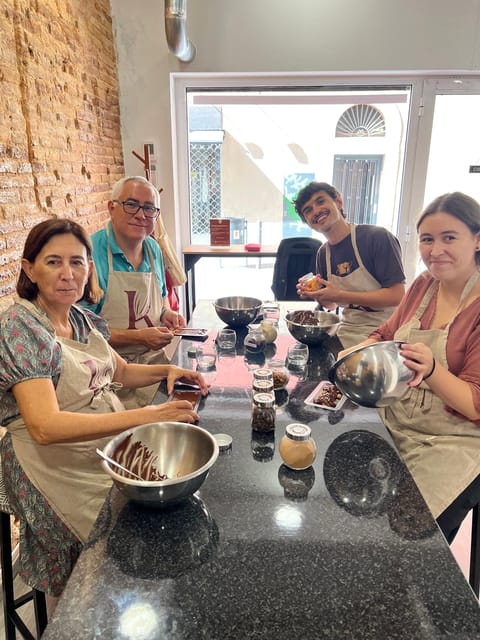
Chocolate has a long cultural story, and the workshop uses drinks to make that story easier to grasp. You prepare cocoa-based drinks and learn how cocoa has been consumed in different forms, including ways that differ from the sweet chocolate drinks familiar today.
The drinks are more than a pleasant break. They show that cocoa can be bitter, aromatic, spiced, or lightly sweetened, depending on how it is prepared. You get to taste the bean as an ingredient rather than only as confectionery.
The historical part covers ancient uses of cocoa and follows the changes that led to modern chocolate-making. The teaching is connected to what you are holding and tasting, which keeps it from becoming a string of dates and names. You learn how cultivation, processing, and changing habits shaped the chocolate we buy today.
This part suits curious adults and older children. Families who want a purely decorative activity may find the agricultural and historical material more than expected. That is a benefit if you want your Barcelona activity to teach you something, but it is worth knowing that the session is not only about eating sweets.
More bar walks in Barcelona:
- Barcelona: El Born and Gothic Quarter Wine & Tapas Bar Tour
★ 4.8 · 674 reviews - Barcelona Bar Crawl
★ 5.0 · 466 reviews - Barcelona: Estrella Damm Old Brewery Tour with Tasting
★ 4.5 · 179 reviews - The Ice Bar Experience at Icebarcelona
★ 3.5 · 160 reviews
Making one chocolate bar to take home
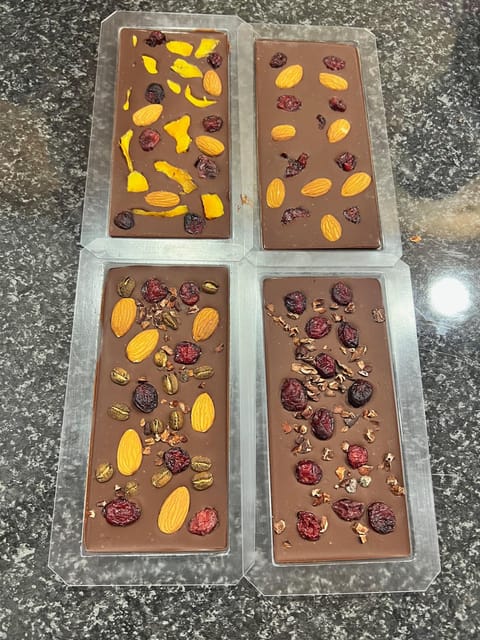
Near the end, you make your own chocolate bar. This gives the session a clear finish and leaves you with something more useful than a few tasting notes. You have seen the raw beans, handled them, tasted cocoa in several forms, and then made a finished product.
The bar is part of the workshop rather than a separate shopping extra. You also receive an apron and hat during the activity, plus a personalized certificate and a written summary of what you learned. The summary is handy if you want to remember the stages later, especially after returning home and looking at a chocolate label with new interest.
Take care with the finished bar in warm weather. One participant found that the Barcelona heat affected the chocolate on the way home. That is a small but practical warning: carry it carefully, and do not assume it will remain perfect if left in a hot bag or car.
The final bar will not replace the shop’s finished artisan products. It is your record of the process, and its value comes from having made it yourself. You can also browse or buy chocolate at Kina Chocolates after the workshop, but the teaching is not built around pressuring you to purchase.
The farmer-to-bar connection
A useful feature of the workshop is its attention to cocoa-producing communities. You learn how cocoa is grown, what happens in the fields, and how local communities live and work. The session also discusses the bean-to-bar idea and the effort required before cocoa reaches a shop in Barcelona.
That context gives the tasting more weight. Chocolate is not only flavor and texture. It is an agricultural product, and price and quality connect to the work of farmers. The workshop presents the importance of traceability and fair treatment, helping you think beyond the front of the package.
This is especially valuable for anyone who wants to buy better chocolate after the activity. You leave with a clearer idea of why a short ingredient list and careful sourcing can matter. The workshop does not turn a complicated supply chain into a simple story, but it does give you a useful starting point.
Who will enjoy this two-hour workshop
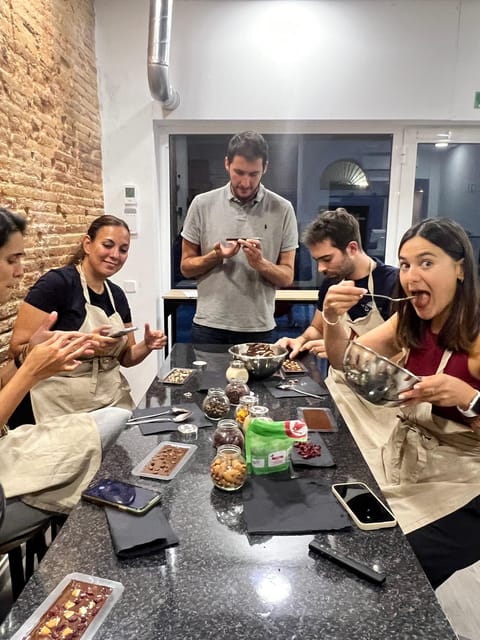
I would choose this for chocolate lovers who want to understand how chocolate is made, not just sample a few premium pieces. It also works well for couples looking for an indoor activity and for families with teenagers. Children around ten or older may enjoy it if they can follow a short explanation and take part in careful work, though the stated audience is adults and teenagers.
The small group keeps the session personal. You can ask why one bean tastes different from another, what the shell is used for, or how cocoa becomes a drink. Guides such as Renée and Oscar are praised for combining clear instruction with humor, and that matters when a workshop includes both technical steps and historical material.
I would not choose it if your main goal is to produce several elaborate chocolates from scratch. You make one bar, and the instructor leads the process. This is a practical introduction with tasting and education, not a professional pastry course.
The workshop is wheelchair accessible, and instruction is offered in Spanish and English. Some content may be presented in its original language, so ask the guide to clarify anything important if you need a full explanation in your preferred language. Tell the provider about allergies or intolerances in advance so the activity can be adapted.
Is $47 a fair price?
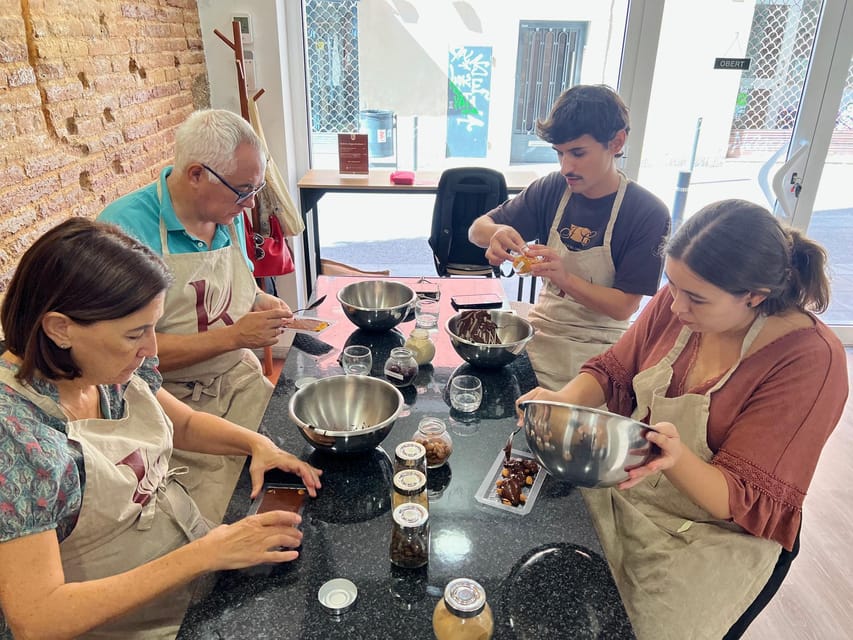
At $47 per person, the value is good if you use the full two hours. You are paying for a guided lesson, materials and utensils, tastings, cocoa drinks, your own chocolate bar, an apron and hat, a certificate, and a written summary. You also get access to a small group rather than a large demonstration.
The price makes more sense when you compare it with the range of activities included. You are learning about cultivation, history, bean processing, flavor, and farmer communities while doing practical work. A simple chocolate tasting might cost less, but it would not give you the same connection between raw bean and finished bar.
The value is weaker only if you want a long period of independent making. The workshop is carefully structured, and the guide controls the main stages. That keeps it moving and makes it suitable for beginners, but it limits how much you can experiment on your own.
Timing, booking, and small details
The activity lasts two hours, with starting times based on availability. That length fits neatly into a Barcelona day, especially as an indoor choice during rain or intense heat. I would avoid scheduling a major timed attraction immediately afterward, since hands-on activities can run at a relaxed pace.
You can cancel up to 24 hours before the start for a full refund, and the reserve-now, pay-later option helps if your plans are still changing. The meeting point is Local Kina Chocolates in Catalonia, where the session is run by Kina Chocolates.
The activity has a top rating from 172 reviews, but the more useful point is what the praise focuses on: the instructors, the hands-on format, the balance of explanation and tasting, and the chance to work with real cocoa beans. Those are the elements to value when deciding if the price suits you.
Should you book the Bean to Bar Chocolate Workshop?
I would book it if you want a friendly, hands-on Barcelona activity with real substance. The strongest reasons are the small group, the chance to roast, peel, and grind cocoa, the drinks and tastings, and the discussion of farmers and sourcing. The instructors, especially Renée, Oscar, and Franklin, add personality without turning the session into a sales pitch.
I would skip it only if you want a fully independent chocolate-making class or a large quantity of finished chocolate. You make one bar, and much of the process is guided. For most adults, teenagers, couples, and curious families, $47 buys a useful two hours and a much better understanding of what is behind the word chocolate.
FAQ
Where does the Bean to Bar Chocolate Workshop take place?
The workshop takes place at Local Kina Chocolates in Barcelona, Catalonia, Spain.
How long does the workshop last?
The activity lasts two hours. Starting times depend on availability.
How much does the workshop cost?
The listed price is $47 per person.
Is the workshop offered in English?
Yes. The workshop is offered in Spanish and English. Some content may be shown in its original language.
How many people are in each group?
The workshop is limited to eight participants, making it a small-group activity.
What will I make and take home?
You will make one chocolate bar to take home. You also receive a personalized certificate and a written summary of the workshop.
Do I need to report allergies?
Yes. You should tell the provider about any allergies or intolerances so the workshop can be adapted.
Recently added around Barcelona
- Park Guell Guided Tour with Skip the Line Tickets★ 4.0 · 739 reviews
- Entrance to the Mirador Torre Glories Barcelona★ 4.5 · 193 reviews
- Bohemian Barcelona Neighborhood Evening Tapas & Wine Tour★ 5.0 · 419 reviews
- Transfers From Cruise Port to Barcelona Airport★ 4.5 · 155 reviews
- Authentic Flamenco Show Barcelona : Intimate Casa Sors Experience★ 5.0 · 809 reviews
- Barcelona Expert Tour with Local Guide in Eco Tuk Tuk Private★ 5.0 · 216 reviews
- Barcelona Sunset Cruise with Light Snacks and Open Bar★ 5.0 · 476 reviews
- Barcelona: Sagrada Familia, Park Guell & Tapas Private Tour★ 5.0 · 903 reviews
Drinking Tours, compared.
Guided Pub Crawl Madrid Experience and Club Entry
Read our review →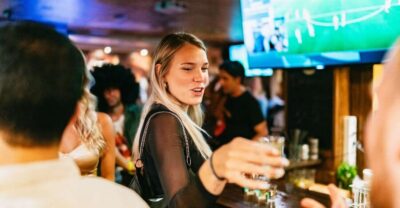
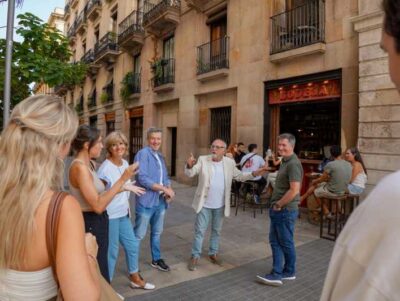
El Born and Gothic Quarter Wine & Tapas Bar Tour
Read our review →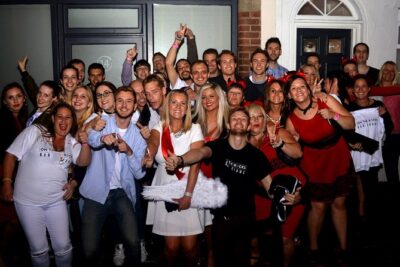
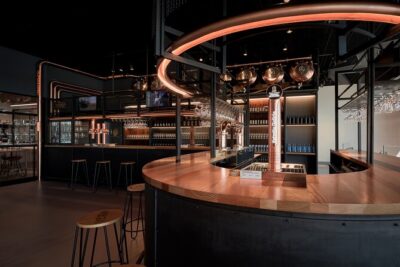
Guided Visit to the Estrella Galicia Museum with Beer Tasting
Read our review →
Pub Crawl Madrid Running since 2005 Bar Exploration
Read our review →
Browse the lists this tour appears in