
Reviewed · WINE TOURS
Barcelona Wine Tasting: Catalan and Spanish Wines
Barcelona’s wine culture gets a proper introduction here, with five wines from Spain and Catalonia served in a relaxed Old Town setting. You’ll move from sparkling wine to whites and reds while learning how grapes, place, aroma, and food change what you taste.
I like the clear progression and the generous, conversational teaching style. I also like the location near the Picasso Museum, which makes this an easy addition to a Gothic Quarter afternoon. The main consideration is that the food pairing can be modest on some options, so this is a tasting, not a meal.
Key points to know before booking
- Five wines in 90 minutes: The lineup includes one sparkling wine, two whites, and two reds.
- A useful first lesson in Spanish wine: You’ll learn about grape varieties, Spanish wine regions, aroma, and basic tasting technique.
- Food changes the wine: Cheese, charcuterie, olives, or other regional snacks help you compare pairings.
- Small, social setting: Groups are often intimate, with some sessions involving around 10 people and occasional private tastings.
- Hosts make the difference: Robert, Omar, Vivian, Christina, and other sommeliers are praised for warmth, clear explanations, and generous pours.
- Good Old Town location: Look for the big wooden doors, close to the Picasso Museum and plenty of places for dinner afterward.
Five glasses that explain Spanish wine
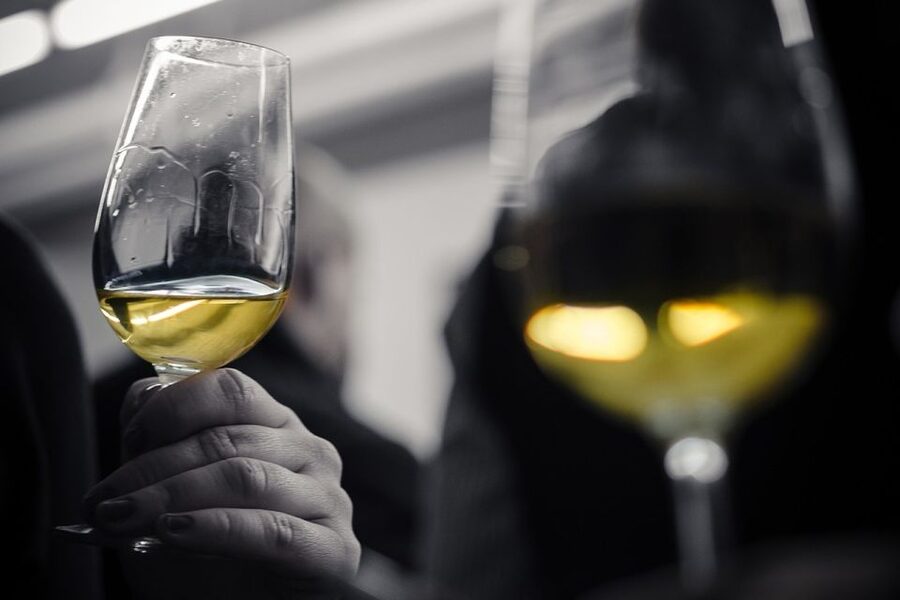
This tasting is built around a simple idea: Spanish wine makes more sense when you compare several styles side by side. Instead of ordering one bottle and guessing what makes it different, you taste a sequence of wines and hear how region, grape, and production affect the glass in front of you.
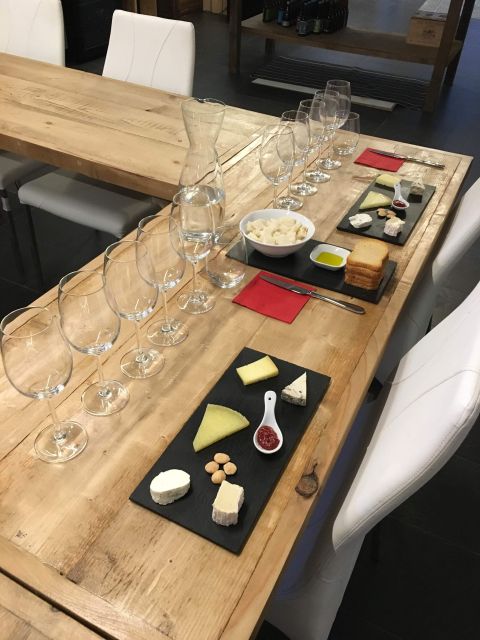
The five-wine format is well judged for a 1.5-hour session. You receive one sparkling wine, two white wines, and two red wines. That gives you a broad introduction without turning the afternoon into a marathon. The sparkling wine opens the tasting, the whites show a lighter and often fresher side of Spanish production, and the reds let you consider body, aroma, and structure.
You should not expect a master sommelier qualification in a single sitting. You should expect a practical starting point. The explanations focus on useful basics: how to look at the wine, notice its scent, taste it with purpose, and think about what you are eating alongside it.
That works well for beginners. Several people who rarely attend tastings found the session easy to follow, while more experienced wine drinkers had room to ask questions. The tone is educational but not stiff. You are encouraged to talk, compare impressions, and ask why one wine works better with a certain food.
More Food Tours in Barcelona
- Barcelona: Tapas Walking Tour with Food, Wine, and History
★ 4.8 · 4,261 reviews - Barcelona: Paella Cooking Experience & Boqueria Market Tour
★ 4.8 · 3,661 reviews - Barcelona Tapas Walking Tour: Food, Wine & History
★ 4.5 · 1,928 reviews
The Old Town setting near the Picasso Museum
The venue sits in Barcelona’s historic center, close to the Picasso Museum. That makes the tasting easy to pair with a walk through the Gothic Quarter, a museum visit, or dinner nearby.
Finding the entrance takes a little care. The meeting instruction is simple: look for the big wooden doors. In the narrow streets of the Old Town, that detail matters, so keep it in mind rather than relying only on a general address.
The setting is described as cozy, attractive, and relaxed. It is not presented as a grand cellar tour or a visit to a vineyard. Instead, you sit down in a wine bar or restaurant setting and focus on the glasses, the food, and the conversation.
I like this arrangement for a city break. You do not spend time on a bus or lose half a day getting to a winery. The tradeoff is that you will not see vineyards, barrels, or the winemaking process firsthand. This is a tasting lesson in Barcelona, not a countryside wine excursion.
How the 90-minute tasting unfolds
The sommelier begins with an introduction to Spanish wine and the country’s main wine regions. Catalonia gets special attention, but the scope is broader than Catalan wine alone. You learn how different parts of Spain produce distinct styles and how local grapes shape the final result.
The tasting then moves through the five wines. The guide explains the grape varieties and gives you a method for tasting. You may be asked to consider the wine’s appearance, smell, and flavor, then compare it with the next glass.
This structure is more helpful than a string of unrelated pours. You get a reference point as the session continues. A white wine can be considered against another white, and a red can be judged not just on its own but in relation to the other styles already tasted.
The hosts also leave room for questions. Robert is praised for his clear and friendly approach, while Omar is described as personable and attentive with both small and larger groups. Vivian has hosted sessions for birthday and hen-party groups, and Christina is noted for making the experience welcoming and easygoing.
Host names can vary by date, so do not book expecting one particular person. The consistent feature is the teaching role: you have an English-speaking guide who leads the tasting and explains the wines as you go.
The food pairings are more than decoration
The food is there to show how wine changes when it meets something salty, creamy, savory, or strongly flavored. Depending on the option booked, you may receive a snack pairing or a cheese-focused pairing with advice on matching food and wine.
Cheese, olives, charcuterie, and regional snacks appear in the tasting experience. The pairing is not simply a plate placed on the table. The guide explains which combinations work and why. You taste the wine before and after trying a snack, then notice how the flavor shifts.
That exercise is one of the most useful parts for someone who wants to drink Spanish wine after the trip. You learn a simple habit: do not judge a wine only by the first sip. Food can soften a sharp edge, bring out fruit, or make a wine seem heavier or lighter.
The amount of food varies by the option and session. One person found the snacks less substantial than expected, while others described the cheese and charcuterie as generous and well matched. I would plan to eat dinner afterward rather than treat the tasting as a full meal.
Vegetarian choices may be available through the selected option, but you should check the booking details carefully. The experience has accommodated food allergies in some sessions, though you should still communicate dietary needs before or at booking instead of assuming every pairing will suit you.
More Wine Tours in Barcelona
- Barcelona Tapas and Wine Experience Small-Group Walking Tour
★ 5.0 · 5,804 reviews - Barcelona: Coastline Boat Trip with Snacks and Cava
★ 4.9 · 1,905 reviews - Barcelona Gothic Quarter Tapas & Taverns Food & Wine Tour
★ 5.0 · 1,470 reviews - Barcelona: Guided Food Walking Tour with Tapas and Wine
★ 5.0 · 848 reviews
What you can learn without being a wine expert
You do not need a trained palate for this activity. The guide starts with the basics and explains wine in ordinary language. That is a real strength, since wine tastings can easily become a parade of terms that leave beginners too embarrassed to ask questions.
You’ll learn to pay attention to aroma, taste, and the effect of food. You’ll also hear about how wine is made and how regional conditions influence the result. One person who had never learned much about winemaking before found the session especially useful for that reason.
The information is broad rather than technical. You will not cover every Spanish appellation or study production methods in detail. Instead, you get a working map of Spanish wine and enough tasting practice to make more confident choices in a restaurant or wine shop.
That makes this a good first activity in Barcelona. It gives you vocabulary and context before you encounter Catalan wine on a menu. You may also discover a style you want to seek out later in the trip.
The group atmosphere and guide style
The social side matters here. Sessions often involve a small group, sometimes around 10 people. That is large enough for conversation but small enough for questions and direct attention from the sommelier.
Some bookings have turned into private tastings when the rest of the group did not attend. That is not something you can count on, but it shows how the format can adjust to the number of people present.
The atmosphere is casual. You are not expected to sit silently while a lecture runs on. People talk with one another, compare what they smell and taste, and sometimes continue chatting after the formal tasting ends.
That makes the experience a good choice for couples, friends, solo visitors, and small celebrations. It has also worked well for hen parties because it offers a shared activity without requiring anyone to be a serious wine enthusiast.
The relaxed tone does mean the session can vary slightly with the group and the person leading it. If you want a very formal, technical tasting, this may feel informal. If you want clear explanations with room for conversation, the format should suit you.
Is $41 a fair price?
At $41 per person, the experience offers five wines, a sommelier guide, water, and food pairing advice. For a 90-minute activity in central Barcelona, that is a reasonable price, particularly if you value instruction rather than simply receiving drinks.
The value improves if you are new to Spanish wine. You are paying for comparison, explanation, and the chance to ask questions. A few glasses ordered separately in a bar may cost less, but they will not necessarily teach you how the regions and grapes differ.
The price is less compelling if you mainly want a large meal or a long evening of drinking. The food is intended to support the wine, not replace dinner. Also, the included pairings can feel light depending on the option you choose.
Some people have wanted to buy the wines they tasted at the venue. That may not be possible on the spot, though the guide can offer nearby wine-shop suggestions. If a particular bottle catches your attention, ask where you can find it before leaving.
The flexible booking terms also help if your plans are still shifting. You can reserve now and pay later, and cancellation is free up to 24 hours before the activity for a full refund. Starting times vary, so check availability when choosing your date.
Who will get the most from this tasting?
I would recommend it first to anyone who wants a friendly introduction to Spanish wine without committing to a full-day winery trip. Beginners will get the most obvious benefit, but people who already drink wine can still enjoy the regional comparison and food experiments.
It is especially suitable for:
- Couples looking for an easy Old Town activity
- Friends planning a relaxed afternoon or hen party
- Solo visitors who enjoy meeting a small group
- People curious about Catalan wine but short on time
- Anyone who wants pairing ideas for meals at home
It is not suitable for children under 18 or for pregnant women, since alcohol is central to the experience. It may also disappoint you if you expect a vineyard visit, a full dinner, or a highly technical certification-style class.
The location makes scheduling simple. You can visit the Picasso Museum, walk through the surrounding Old Town, attend the tasting, and then choose from the nearby restaurants for dinner. Since the session lasts 1.5 hours, it fits neatly into a city itinerary without taking over the day.
Practical tips for a better visit
Arrive with enough time to find the big wooden doors. The Old Town streets can be confusing, and a rushed arrival is not the best way to begin a tasting.
Do not wear strong perfume. Much of the lesson depends on smelling the wines, so heavy fragrance can make the experience harder for you and the people sitting nearby.
Eat something light beforehand if you are sensitive to alcohol. Five wines in 90 minutes can affect you more than expected, even when the pours feel modest. Water is included, so use it between wines.
Ask questions. The session is designed for conversation, and the guides have been praised for answering questions patiently. Ask about a grape you like, a wine you want to find at home, or the best pairing for a Spanish dish.
If you have allergies or follow a vegetarian diet, check the selected food option and mention your needs clearly. The pairing matters, and a little planning can make the food portion much more useful.
Should you book Barcelona Wine Tasting?
Book it if you want a compact, social introduction to Catalan and Spanish wine in the center of Barcelona. The combination of five contrasting wines, clear tasting instruction, and food pairing makes the $41 price sensible for a first lesson.
I would be cautious only if you need a substantial meal, a countryside winery visit, or a formal technical course. For everyone else, this is a smart way to add local food culture to an Old Town day, especially if you want to leave Barcelona knowing more than just which wine tasted good.
FAQ
How long does the Barcelona wine tasting last?
The tasting lasts 1.5 hours.
How many wines are included?
Five regional wines are included: one sparkling wine, two white wines, and two red wines.
Is the tasting focused only on Catalan wine?
No. The experience covers wines from Catalonia and other regions of Spain.
What will the sommelier explain?
The sommelier explains Spanish wine regions, grape varieties, basic tasting techniques, wine history and production, and ways to pair wine with food.
Is food included?
Yes. The experience includes snacks or a cheese pairing option, depending on the option booked. Pairing advice is included as part of the session.
Is water provided?
Yes. Water is included.
What language is the activity conducted in?
The activity is conducted in English.
Where is the meeting point?
The meeting point is in Barcelona’s Old Town. Look for the big wooden doors. The venue is close to the Picasso Museum.
Can children attend the wine tasting?
No. Children under 18 are not suitable for this activity. Pregnant women are also advised not to attend.
Recently added around Barcelona
- Park Guell Guided Tour with Skip the Line Tickets★ 4.0 · 739 reviews
- Entrance to the Mirador Torre Glories Barcelona★ 4.5 · 193 reviews
- Bohemian Barcelona Neighborhood Evening Tapas & Wine Tour★ 5.0 · 419 reviews
- Transfers From Cruise Port to Barcelona Airport★ 4.5 · 155 reviews
- Authentic Flamenco Show Barcelona : Intimate Casa Sors Experience★ 5.0 · 809 reviews
- Barcelona Expert Tour with Local Guide in Eco Tuk Tuk Private★ 5.0 · 216 reviews
- Barcelona Sunset Cruise with Light Snacks and Open Bar★ 5.0 · 476 reviews
- Barcelona: Sagrada Familia, Park Guell & Tapas Private Tour★ 5.0 · 903 reviews
Wine Tours, compared.
Montserrat & Cogwheel Train, Gourmet Wine Tasting & Tapas/Lunch
Read our review →
Barcelona Tapas and Wine Experience Small-Group Walking Tour
Read our review →
Montserrat with Black Madonna & Medieval Winery with Tapas/Lunch
Read our review →
Montserrat and Winery Tour with Tapas or Lunch
Read our review →
Tapas Walking Tour with Food, Wine, and History
Read our review →
Sevilla Food Tour: Tapas, Wine, History & Traditions
Read our review →
Valencia Old Town Tour with Wine & Tapas in 11th Century Historic Monument
Read our review →
Toledo Tour & Vineyard Walk with Wine Tasting from Madrid
Read our review →Browse the lists this tour appears in