
Reviewed · SAGRADA FAMILIA TOURS
Barcelona: Sagrada Familia, Modernism, and Old Town Tour
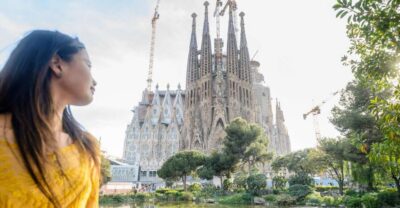
Barcelona makes a strong first impression on this tour because you move from Gaudí’s fanciful Modernism to Roman remains and narrow medieval lanes in a single morning. The Sagrada Família exterior gets a full 45-minute introduction, then the route shifts through Passeig de Gràcia and the Gothic Quarter.
I like the small groups of up to 10 and the included metro ride, which saves time between the basilica and the city center. I also like the guides’ storytelling style. Caio, David, Albert, Carlos, and Anastasiia are among the guides praised for clear English, warmth, humor, and useful local suggestions. The main drawback is simple: you visit the major monuments from outside, including the Sagrada Família.
Key points at a glance
- Sagrada Família exterior: Spend about 45 minutes learning how to read Gaudí’s extraordinary façades, without entering the basilica.
- Passeig de Gràcia Modernism: Compare Casa Milà, Casa Batlló, Casa Amatller, and Casa Lleó Morera from the street.
- Two thousand years of Barcelona: Move from Roman columns and aqueduct remains to medieval courtyards and modern architecture.
- Gothic Quarter details: See the Cathedral, Bishop’s Bridge, Temple of Augustus, Jewish Quarter, and Kiss Mural.
- Small-group format: With no more than 10 people, it is easier to ask questions and keep up with the guide.
- Good first-day value: At $52, the tour works best as an orientation before choosing which interiors deserve separate admission.
A city overview that starts with Gaudí
The tour begins in front of the KFC near Sagrada Família. Look for the blue umbrellas, then expect a short introduction before the group gathers around one of Barcelona’s most recognizable buildings.
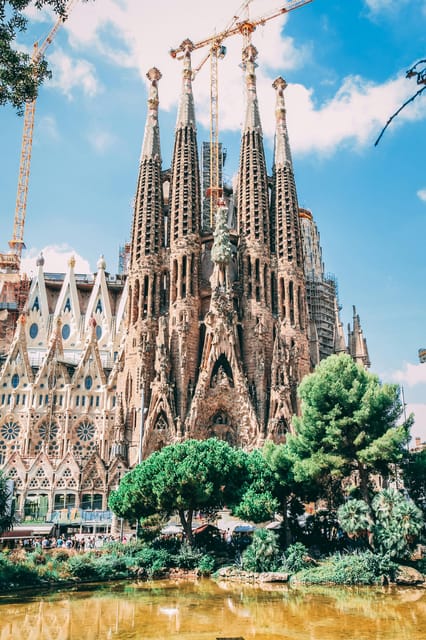
The Sagrada Família portion lasts about 45 minutes. That is enough time for a guide to explain the basilica’s design, religious symbols, construction, and Gaudí’s artistic choices from the outside. A good guide can point out details you might miss on a quick photo stop, and that is where this experience earns its keep.
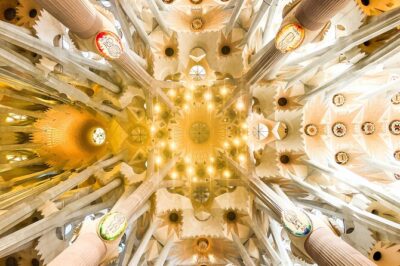
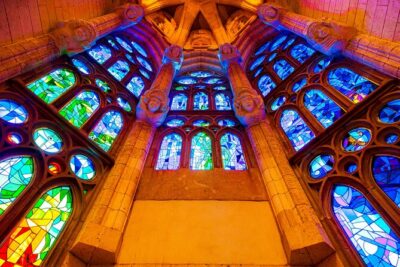
Do not arrive expecting to walk through the basilica. Entry is not included, and the tour provides an exterior explanation only. If going inside is a priority, book a separate timed admission for another part of your visit.
This opening also gives you a useful way to understand Barcelona. The city is not just a collection of pretty façades. It mixes religious art, Catalan identity, engineering, politics, and urban ambition. Guides such as Albert and Caio have been praised for making those links clear without turning the stop into a dry lecture.
More ways into the Sagrada Familia:
- Barcelona: Sagrada Familia Entry Ticket with Audio Guide
★ 4.6 · 105,312 reviews - Barcelona in 1 Day: Sagrada Familia, Park Guell,Old Town & Pickup
★ 5.0 · 13,541 reviews - Barcelona: Sagrada Familia Skip-the-Line Entry Ticket & Tour
★ 4.8 · 12,789 reviews
The metro ride saves time between districts
After Sagrada Família, the group takes the metro for about 15 minutes. One Zone 1 ticket is included, so you do not need to arrange separate transport for this part of the route.
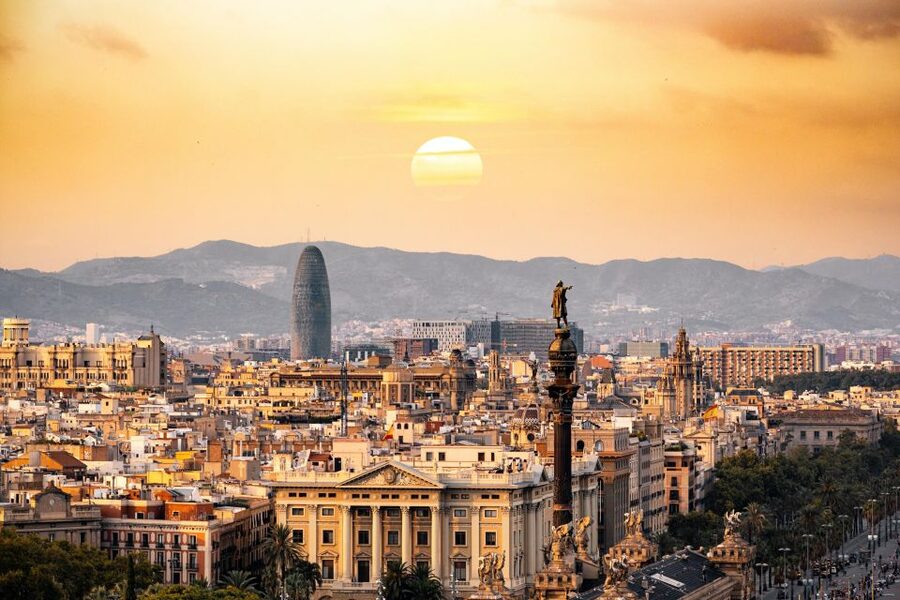
That transfer matters. Barcelona’s key sights are spread across several districts, and walking between the basilica and Passeig de Gràcia would use up valuable tour time. The metro keeps the route practical and lets you spend more of the paid time looking at buildings rather than crossing ordinary streets.
You still need comfortable shoes. Although the metro breaks up the route, this remains a walking tour with repeated stops, standing, and movement through the Old Town. Large bags and luggage are not allowed, so bring only what you need for several hours outdoors.
Passeig de Gràcia and Barcelona’s Modernist competition
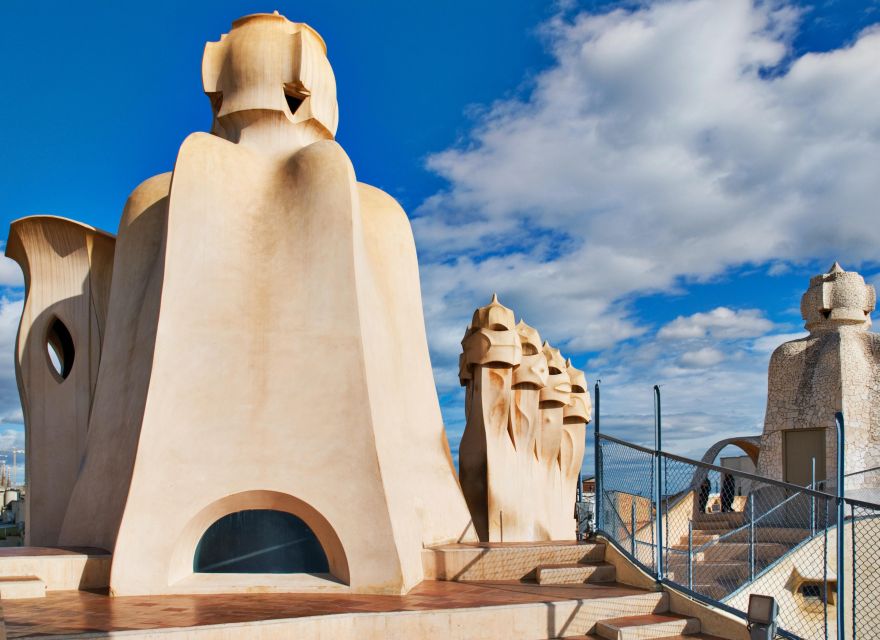
The Modernist section begins with Casa Milà, also known as La Pedrera. Its rippling stone exterior and unusual roofline show how far Gaudí pushed the idea of a city home. From the pavement, your guide explains the building’s shape and purpose, but you will not enter.
Next comes Casa Batlló, another Gaudí creation with a façade that seems to bend, shimmer, and change as you look at it. The guide’s job here is not merely to point and name. It is to help you notice color, bone-like forms, masks, balconies, and the building’s place in Barcelona’s Modernist movement.
Casa Amatller sits beside Casa Batlló and gives you a useful comparison. Designed by Josep Puig i Cadafalch, it has a more orderly, sculptural appearance, with a distinctive stepped roof. Seeing these buildings side by side makes the architectural rivalry along Passeig de Gràcia much easier to understand.
The route also pauses at Casa Lleó Morera, associated with architect Lluís Domènech i Montaner. Together, the four buildings show that Barcelona’s Modernism was not only about Gaudí. Several major architects were reshaping the city at the same time, each with a different visual language.
You will also pass the House of Pascual i Pons and the Antonio Rocamora House. These stops add context to the avenue’s broader collection of grand residences rather than focusing only on the names most familiar to first-time visitors.
The trade-off is access. You get the outside architecture and a guide’s interpretation, but not the interiors, furniture, staircases, or decorative details that make some of these houses especially worthwhile. I see this as a sampling course. It helps you decide if Casa Batlló, Casa Milà, or another Modernist house deserves a separate visit.
Plaça de Catalunya and Las Ramblas
The Modernist route leads toward Plaça de Catalunya, a major meeting point between the newer city and the Old Town. The stop is brief, about 10 minutes, but it helps you understand Barcelona’s layout before the group heads into the historic center.
The tour also points you toward Las Ramblas, the city’s famous pedestrian boulevard. This is less a deep visit than a geographic and cultural marker, showing how the grand central avenues connect with the older streets nearby.
I find this transition useful because Barcelona can feel confusing on a first visit. One minute you are among broad boulevards and elaborate apartment blocks. A few turns later, you are in a much older district where the streets narrow and the buildings close in.
A few more Barcelona half-days worth comparing
- Barcelona: Park Güell Admission Ticket
★ 4.4 · 76,534 reviews - Barcelona: Casa Batlló Entry with Self-Audioguide Tour
★ 4.7 · 25,359 reviews - Barcelona: 24 or 48-Hour Hop-On Hop-Off Bus Tour
★ 4.4 · 20,872 reviews - Barcelona: Park Guell Guided Tour with Skip The Line Entry
★ 4.7 · 17,563 reviews
Entering the Gothic Quarter through small squares
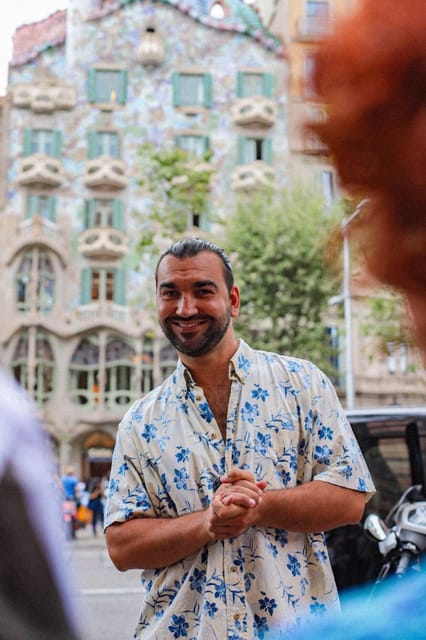
The Old Town portion is where the tour slows into stories. Plaça de Sant Felip Neri is one of the most memorable squares on the route. Its quiet setting and marked walls invite questions about the city’s difficult past, and the guide explains the square rather than rushing through it for a quick photograph.
Barcelona Cathedral follows, at least from the outside. Its Gothic façade and surrounding streets provide a strong contrast with Gaudí’s playful Modernism. Here, the guide can explain the city’s medieval religious center and show how the cathedral fits into the older urban fabric.
The nearby Casa de l’Ardiaca adds another layer. Its courtyard and architectural details connect to the institutions that shaped medieval Barcelona. The route also includes the General Archive of the Crown of Aragon, an important stop for understanding the political role of the Crown of Aragon in the wider region.
You will see the Bishop’s Bridge, one of the Gothic Quarter’s most photographed details. It crosses a narrow street with a dramatic, almost theatrical design. It is a good example of how Barcelona’s Old Town mixes genuinely old structures with later additions and restorations.
The Gothic Quarter segment also includes the Jewish Quarter, San Jaume Square, and the Temple of Augustus. The Roman columns at the Temple of Augustus are especially valuable because they make the city’s ancient past visible amid the medieval streets. You are not just hearing that Barcelona has Roman foundations. You are standing beside surviving evidence.
Roman Barcelona, medieval power, and the Kiss Mural
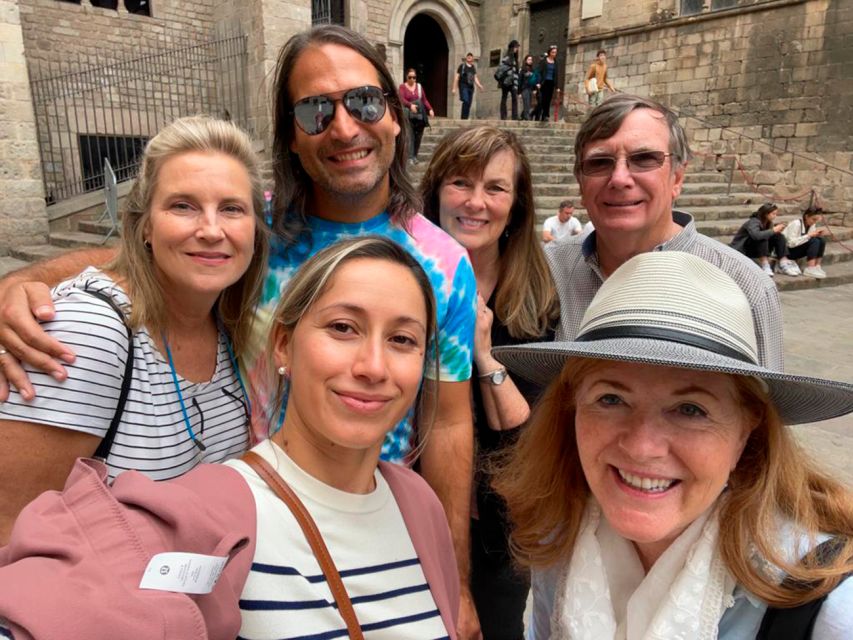
The route continues through the Gothic Quarter and may include references to the Roman aqueduct and the Cathedral of the Sea. These points help connect the Old Town’s visible stonework with the city’s religious and civic development across the centuries.
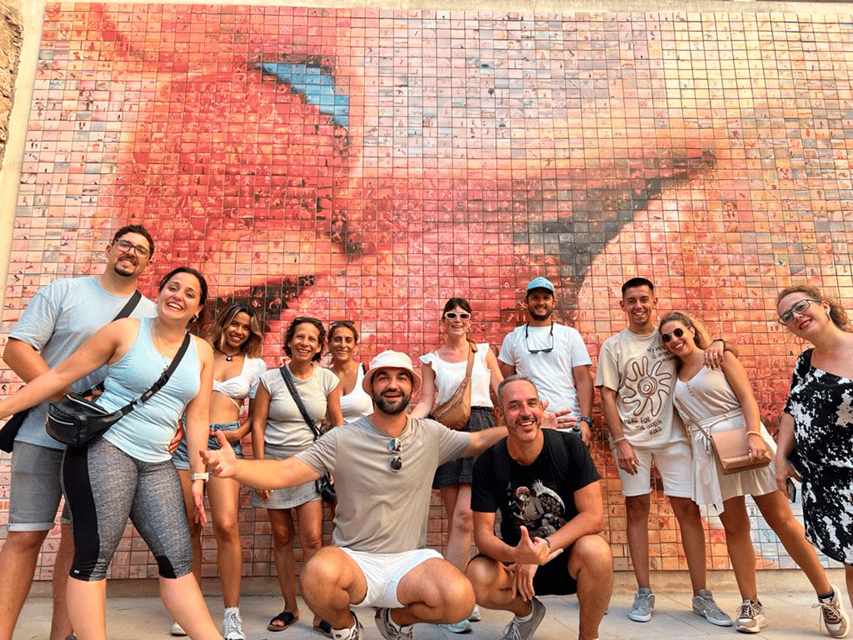
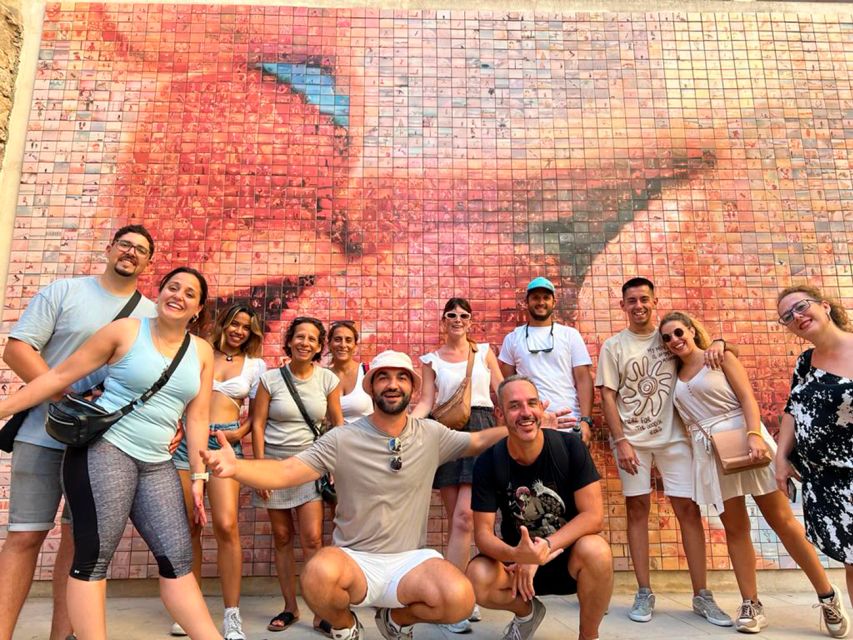
El Mural del Petó, or the Kiss Mural, provides a lighter final stop. Its large image is made from many small photographs and has become a popular symbol of affection for Barcelona. It is a modern artwork placed within an old district, which fits the tour’s larger theme: Barcelona keeps adding new meaning to historic spaces.
The route ends at Plaça del Rei. This is a fitting finish because the square gathers several layers of the city in one place. It is also a practical ending point for continuing through the Old Town, finding a meal, or returning to a Modernist attraction later.
The full route covers more than 15 sights, but the timing tells you what kind of experience this is. Many stops last around 10 to 15 minutes, with longer attention at Sagrada Família. You get breadth, explanation, and orientation rather than long interior visits.
Why the guide makes the difference
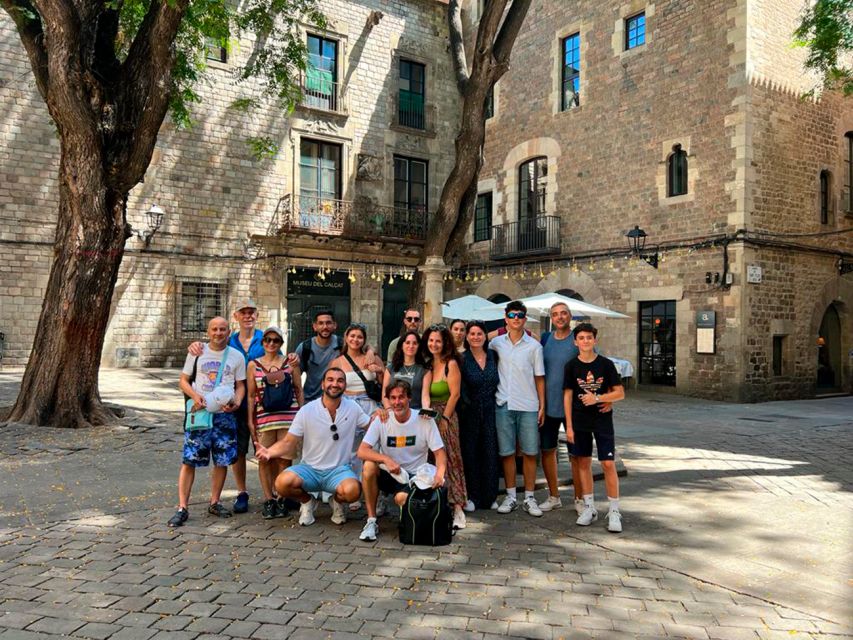
The strongest part of this tour is the person leading it. The listed format uses a local artist or actor guide, and the experience depends on that guide’s ability to connect architecture with stories.
Caio is described as an aspiring artist who brings a personal interest in Barcelona’s cultural treasures. David is praised for clear English, patience, humor, and practical food suggestions. Albert is noted for friendly communication and strong command of the city’s past. Carlos is described as funny, passionate, and willing to include less obvious corners. Anastasiia brings an interest in architecture and history, while Nacho is praised for keeping the group involved and attentive.
Guide assignments can change, so you should not book on the assumption that one specific person will lead your departure. Still, the repeated pattern is useful: the guides are expected to explain, answer questions, and keep the walk conversational.
The language options are English, Spanish, French, Italian, and German. If you have a question, ask it. The small group makes conversation easier than on a large coach tour, and the guides are specifically expected to involve the group rather than simply recite a script.
What $52 gets you
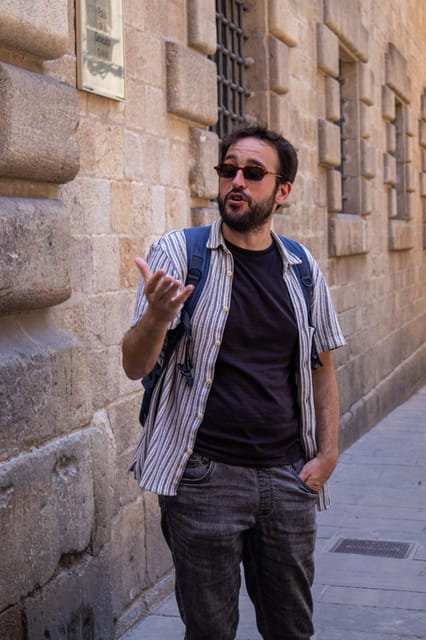
At $52 per person, this is not the cheapest way to see Barcelona from the street. A self-guided walk costs little, and several of these locations are public squares or exterior viewpoints.
The value comes from the amount of ground covered and the interpretation provided along the way. You receive a 3 to 3.5-hour route, a metro ticket, a comfort break with restrooms, a small group capped at 10 people, and a guide who links Roman, medieval, and Modernist Barcelona.
The price makes more sense if you have limited time. Someone in Barcelona for one evening, a short cruise stop, or a first morning in the city can use this tour to see many districts quickly. It also helps you choose where to spend money later. After seeing Casa Batlló, Casa Milà, or Sagrada Família from outside, you can decide which interior deserves a reservation.
The value is weaker if you already know Barcelona well or mainly want to enter major monuments. You will need separate tickets for every interior, and the tour does not replace a dedicated Sagrada Família visit.
Who should book this walk
I would recommend it to first-time visitors who want a clear map of Barcelona’s main architectural and historic zones. It is also a good fit for solo visitors, couples, and small families who prefer asking questions instead of following a large flag through the city.
Art and architecture fans will get the most from the Modernist stops. People interested in Roman and medieval Barcelona will appreciate the Temple of Augustus, the Jewish Quarter, the cathedral area, and Plaça del Rei.
The tour is wheelchair accessible, but the route still involves city streets, standing, and movement through busy public areas. Bring comfortable shoes and avoid luggage or large bags.
You should skip it if your main goal is a long interior visit. The tour shows you many buildings from the outside, and that limitation is central to the format, not a minor footnote.
Should you book the Sagrada Família and Old Town tour?
Book it if you want a well-paced first look at Barcelona and value a guide who can turn architecture into a connected story. The mix is unusually broad: Sagrada Família, four major Modernist façades, Roman columns, Gothic lanes, the cathedral, Bishop’s Bridge, and the Kiss Mural, all in one small-group route.
Do not book it expecting admission to the Sagrada Família or any other monument. Think of the $52 as payment for orientation, interpretation, transport between districts, and a useful shortlist of places to revisit.
For a first day in Barcelona, that is a fair deal. Start here, take notes on the interiors that catch your eye, then use the rest of your visit to go back at your own pace.
FAQ
Does the tour enter the Sagrada Família?
No. The tour provides a guided explanation and sightseeing from outside the Sagrada Família. Entry is not included.
How long does the tour last?
The tour lasts approximately 3 to 3.5 hours.
How many people are in the group?
The group is limited to 10 participants.
Is transportation included?
Yes. One Zone 1 metro ticket is included and used during the tour.
Where does the tour begin?
Meet the guide in front of the KFC near Sagrada Família. Look for the blue umbrellas.
Where does the tour end?
The tour ends at Plaça del Rei.
Which languages are available?
Guides may lead the tour in English, Spanish, French, Italian, or German.
Are monument entry tickets included?
No. Entry tickets to the monuments are not included. The tour visits many of the attractions from the outside.
Recently added around Barcelona
- Park Guell Guided Tour with Skip the Line Tickets★ 4.0 · 739 reviews
- Entrance to the Mirador Torre Glories Barcelona★ 4.5 · 193 reviews
- Bohemian Barcelona Neighborhood Evening Tapas & Wine Tour★ 5.0 · 419 reviews
- Transfers From Cruise Port to Barcelona Airport★ 4.5 · 155 reviews
- Authentic Flamenco Show Barcelona : Intimate Casa Sors Experience★ 5.0 · 809 reviews
- Barcelona Expert Tour with Local Guide in Eco Tuk Tuk Private★ 5.0 · 216 reviews
- Barcelona Sunset Cruise with Light Snacks and Open Bar★ 5.0 · 476 reviews
- Barcelona: Sagrada Familia, Park Guell & Tapas Private Tour★ 5.0 · 903 reviews
Sagrada Familia Tours, compared.
Sagrada Familia Entry Ticket with Audio Guide
Read our review →
Barcelona in 1 Day: Sagrada Familia, Park Guell,Old Town & Pickup
Read our review →
Sagrada Familia Skip-the-Line Entry Ticket & Tour
Read our review →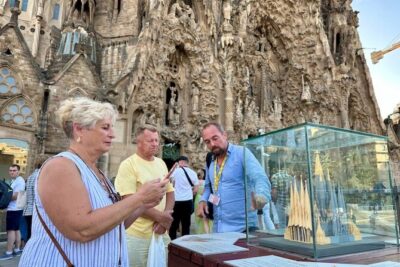
Park Guell and Sagrada Familia Tour with Skip the Line Tickets
Read our review →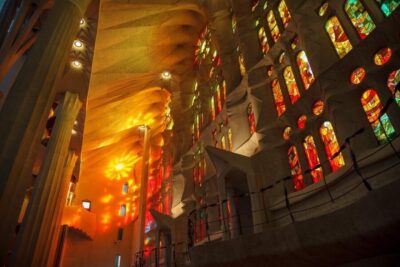
Browse the lists this tour appears in