
Reviewed · WALKING TOURS
Barcelona: Old Town Private Walking Tour of Past and Present
Barcelona’s story comes in layers here: Roman walls beneath Gothic lanes, medieval churches beside modern cafés, and a former industrial quarter leading toward the Olympic-era waterfront. This private walk with Fabio connects those pieces better than a quick monument checklist. I especially like the stop at La Boqueria, where local cheese, Iberian ham, and fruit juice turn history into lunch, and the choice of ending at La Barceloneta or along Passeig de Gràcia.
I also like the small-group format, which lets Fabio adjust the pace, answer questions, take photos, and point out places larger groups can miss. The main consideration is time: two to three hours can introduce a great deal of Barcelona, but it cannot give every stop a proper interior visit. Expect a brisk overview rather than a full museum tour.
Why this Barcelona walk is worth your time
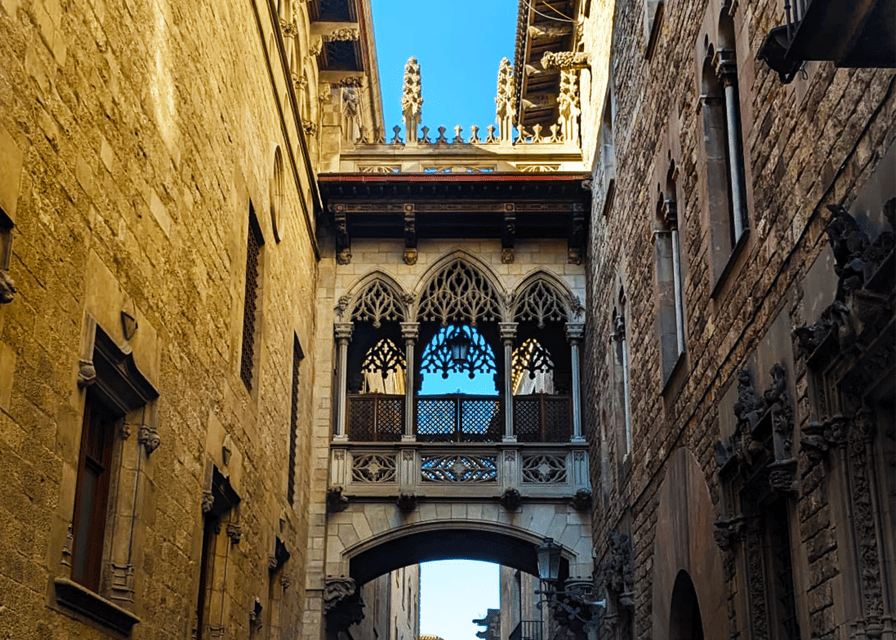
- Roman Barcelona in the Gothic Quarter: See Plaça del Rei, the Temple of Augustus, Santa Eulalia Cathedral, and lesser-known traces of the ancient city.
- A flexible private route: Fabio can adapt the pace and emphasis to your interests, with options for shopping, food, family needs, or major sights.
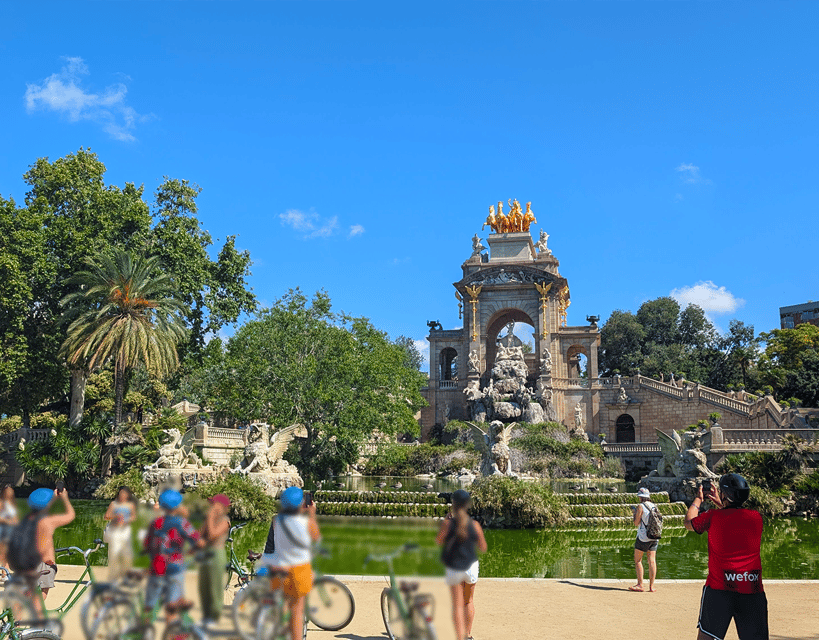
- Ciutadella Park and El Born: Begin among city greenery before entering one of Barcelona’s most atmospheric old districts.
- A taste at La Boqueria: Share samples of Iberian ham and cheese with a refreshing fruit juice.
- Two useful finishing choices: Walk downhill to the port and Barceloneta, or head toward Plaça Catalunya and Gaudí’s Casa Batlló and Casa Milà.
- A strong first-day introduction: You get practical advice about restaurants, nightlife, sightseeing, and places to avoid for safety.
Starting at Arc de Triomf or Plaça Sant Jaume
You can begin at Arc de Triomf or Plaça de Sant Jaume, depending on the option booked. That matters because the route can feel quite different from the first minute.
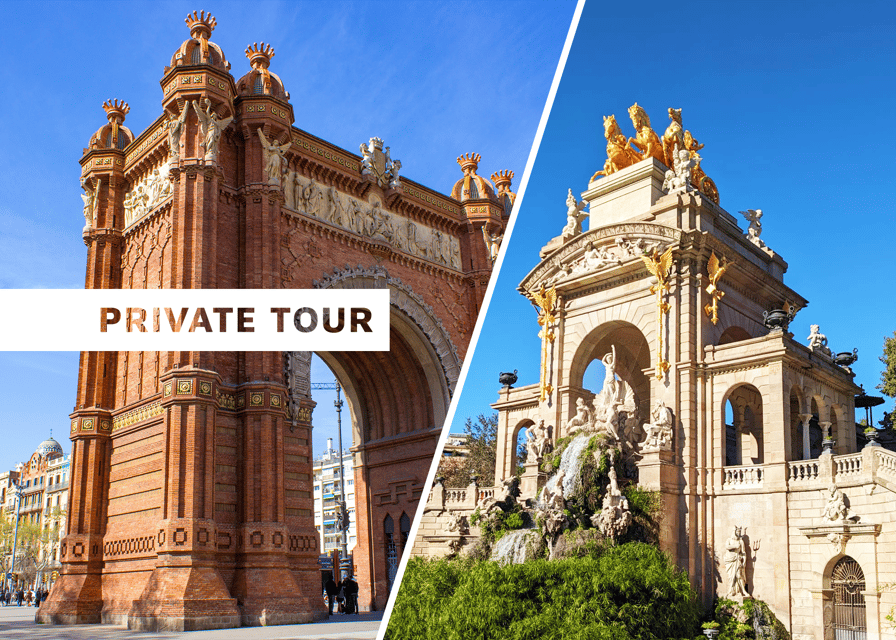
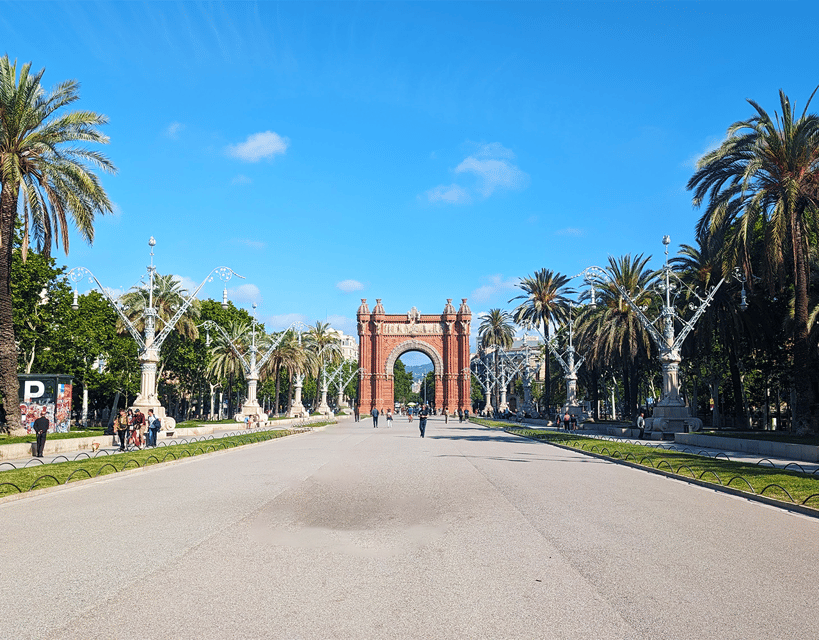
Starting at Arc de Triomf gives you a clear sense of Barcelona’s broad boulevards before the walk narrows into the old quarters. It also leads naturally into Ciutadella Park and El Born. Starting at Plaça de Sant Jaume places you directly in the political and historic center, near the Gothic Quarter and the city’s main cathedral.
A private tour is useful here because the meeting point can be matched to your plans. If you are arriving from another part of town, check the exact starting point before booking. Hotel pickup is not included, though it may be requested.
The walk lasts two to three hours, with the typical experience taking about two and a half to three hours. Wear comfortable shoes. Barcelona’s old center is easy to explore on foot, but its stone streets, uneven paving, and long route between neighborhoods can tire you out. Bring sunscreen, especially in the warmer months.
More Private Tours in Barcelona
- Tour Welcome Barcelona with Local Guide in Eco Tuk Tuk Private
★ 5.0 · 1,882 reviews - Barcelona Private Tour by Sidecar Motorcycle
★ 5.0 · 1,750 reviews - Barcelona Helicopter, Sailboat & Old Town Private Walking Tour
★ 5.0 · 1,395 reviews
Ciutadella Park, Barcelona’s city break
From Arc de Triomf, the walk enters Ciutadella Park. This broad green space gives you a welcome pause from traffic and dense stone streets. It is not just a pretty park. It helps explain how Barcelona grew beyond its old defensive core and created public space within the expanding city.
Fabio uses the park as an opening chapter before moving into El Born. That is a smart choice. You begin with room to breathe, then see how quickly Barcelona changes as you enter the old neighborhoods.
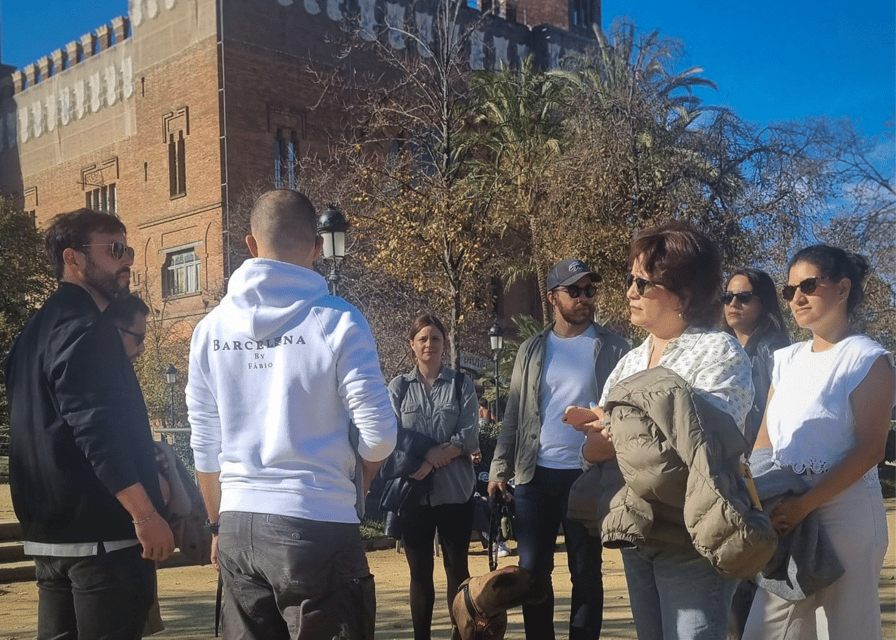
The park is also a good place to settle into the tour’s pace. You can ask questions early, explain what interests you, and tell Fabio if you want more architecture, food, shopping, or local life. Several people praised his relaxed manner and his willingness to adjust the route rather than force everyone through a fixed script.
El Born and La Ribera, where commerce shaped the city
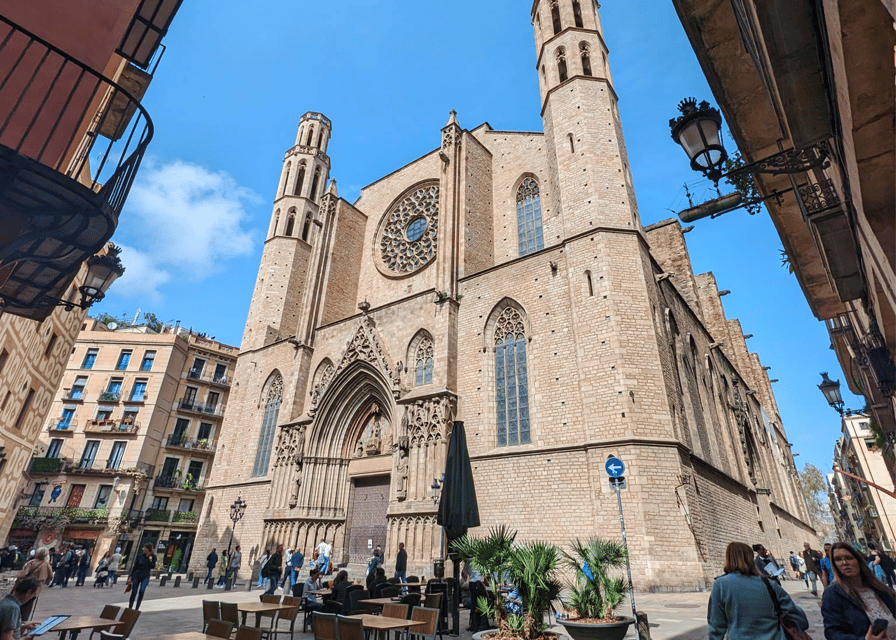
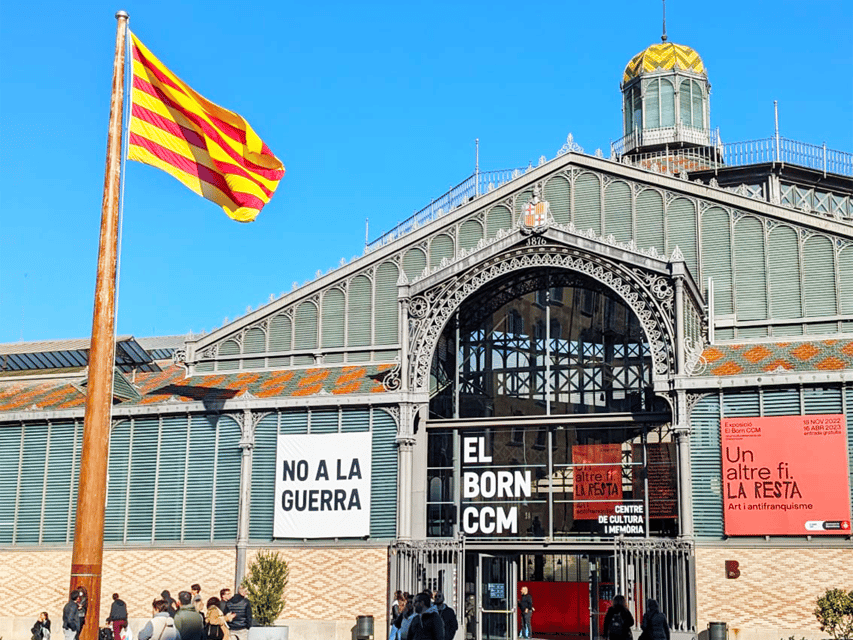
El Born and La Ribera were once central to Barcelona’s trade and working life. Today, the streets mix old churches, cultural spaces, independent shops, restaurants, and carefully restored buildings. The area rewards a guide because its character is not always obvious from the outside.
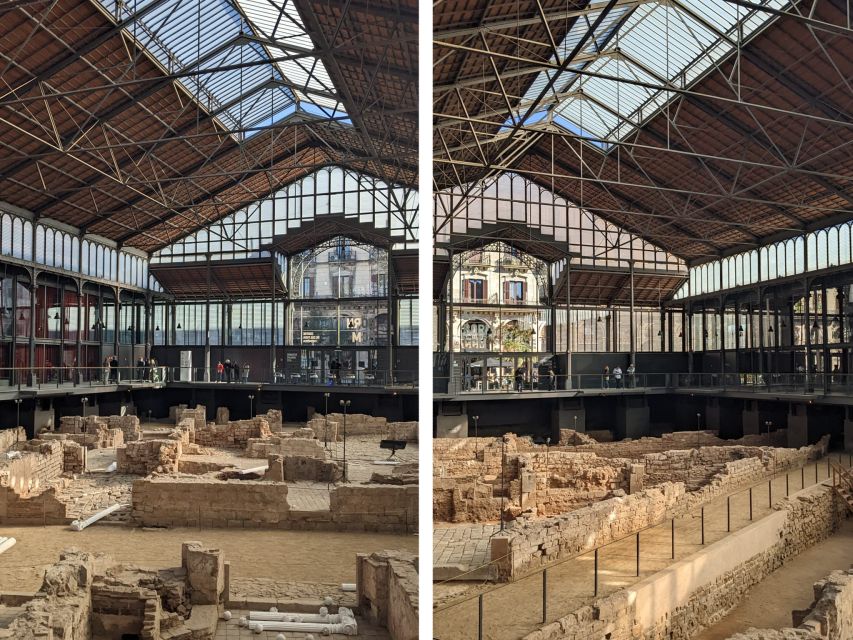
The Cultural Center is one of the key stops. Its archaeology helps show the layout of earlier Barcelona beneath the modern district. The city’s past here is not locked away in one grand monument. It appears in foundations, street lines, courtyards, and fragments that are easy to pass without context.
The tour may also include Santa Maria del Mar, often called the Cathedral of the Sea. If timing allows, you can step inside without an additional ticket. The church gives the walk one of its strongest interior moments, though timing is important. A short private tour cannot guarantee a long visit at every stop, and access can depend on opening conditions.
I like this portion of the route because it connects buildings to ordinary city life. You are not just looking at a church facade. You are learning how a neighborhood once linked trade, religion, labor, and urban growth.
Roman traces and medieval Barcelona in the Gothic Quarter
The Gothic Quarter is the tour’s history lesson, but it is best enjoyed as a walk rather than a series of dates. Narrow lanes open onto formal squares, old churches, government buildings, and fragments of Roman Barcelona.
Plaça del Rei is one of the main stops. It was linked to the royal residence and remains one of the most impressive spaces in the old center. The surrounding buildings make it easy to picture medieval Barcelona as a seat of power, not simply an attractive maze of lanes.
At Plaça Sant Jaume, you see the city’s civic center. This is where Barcelona’s present-day public life meets its older foundations. Fabio’s approach, based on the information provided about the tour, joins past events with current city life instead of treating history as something sealed off from the present.
Santa Eulalia Cathedral adds another major landmark. Its scale and setting make it a natural anchor for the quarter, while the smaller Plaça Sant Felip Neri offers a quieter, more reflective stop. The square is often remembered for its worn walls and subdued atmosphere, a sharp change from the larger public spaces nearby.
The Temple of Augustus is the sort of place you may miss without help. Roman columns survive inside the older city fabric, tucked into a setting that does not announce itself from the street. One of the tour’s secret stops also focuses on Roman remains. That can be more rewarding than another obvious photo stop because you begin to see how ancient Barcelona is folded into the modern neighborhood.
This section requires attention underfoot. The lanes are narrow, and the group may move through busy areas. The route is listed as wheelchair accessible, but anyone who uses a wheelchair or has limited mobility should confirm the exact route and current access arrangements before booking, since old-center streets and individual buildings can vary.
More Walking Tours in Barcelona
- Barcelona Tapas and Wine Experience Small-Group Walking Tour
★ 5.0 · 5,804 reviews - Barcelona: Tapas Walking Tour with Food, Wine, and History
★ 4.8 · 4,261 reviews - Barcelona Tapas Walking Tour: Food, Wine & History
★ 4.5 · 1,928 reviews - Barcelona: Tapas Food Crawl Walking Tour with Tastings
★ 4.9 · 1,798 reviews
La Rambla and La Boqueria: history with a snack
The tour emerges from the Gothic Quarter onto La Rambla, Barcelona’s famous central promenade. This is a useful transition from the old city to the more public, commercial side of Barcelona. It is also the point where you should stay alert with your belongings and follow Fabio’s safety advice.
La Boqueria is one of the most practical stops on the route. The tasting includes local products to share, such as Iberian ham and cheese, along with fruit juice. It is a small inclusion, but it adds real value to a walking tour. You get a chance to taste something local without committing to a full meal, and Fabio can help explain what you are seeing.
The market can be crowded, and a short stop will not cover every stall. That is part of the tradeoff. You get a lively introduction rather than a long food tour. If you want to return later for a slower visit, this first look helps you understand where the market fits into the city’s daily life.
Several guests appreciated Fabio’s restaurant recommendations, and some received a list of places to eat. That makes the tour especially useful early in your stay. Ask for suggestions that fit your budget and preferred neighborhood while you are still with him.
Choosing your finish: Barceloneta or Gaudí
The final part of the walk can follow one of two broad directions. Your choice should depend on what you want from the rest of the day.
The downhill route passes the Liceu Theater, Plaça Reial, the Columbus Monument, Port Vell, and La Barceloneta. Plaça Reial is a handsome arcaded square and is associated with some of Gaudí’s early work, while the port shows Barcelona’s connection to the sea and its later redevelopment.
The route toward Barceloneta gives you a strong change of scene. You move from Roman streets and medieval squares to marinas, open waterfront, and the beach. It is the better choice if you want to end outdoors or plan to continue with a seaside meal.
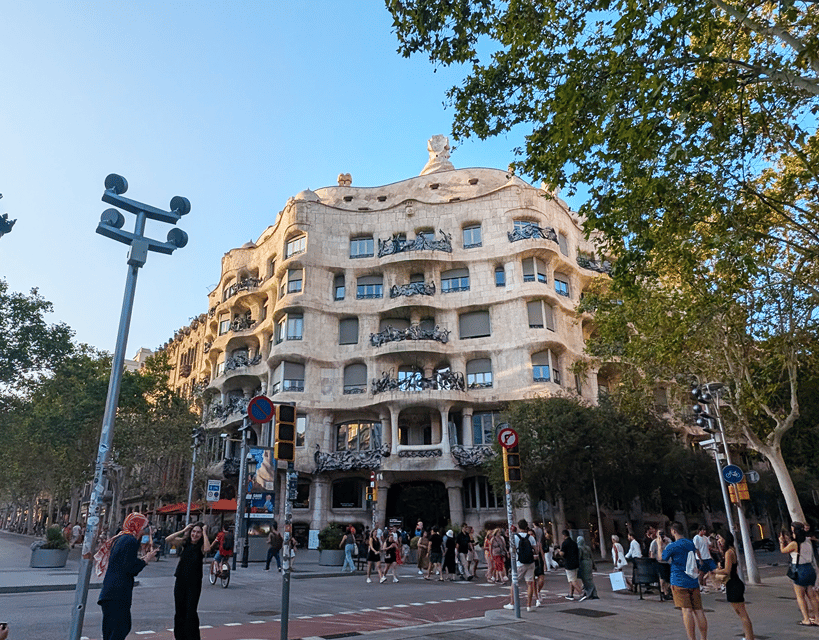
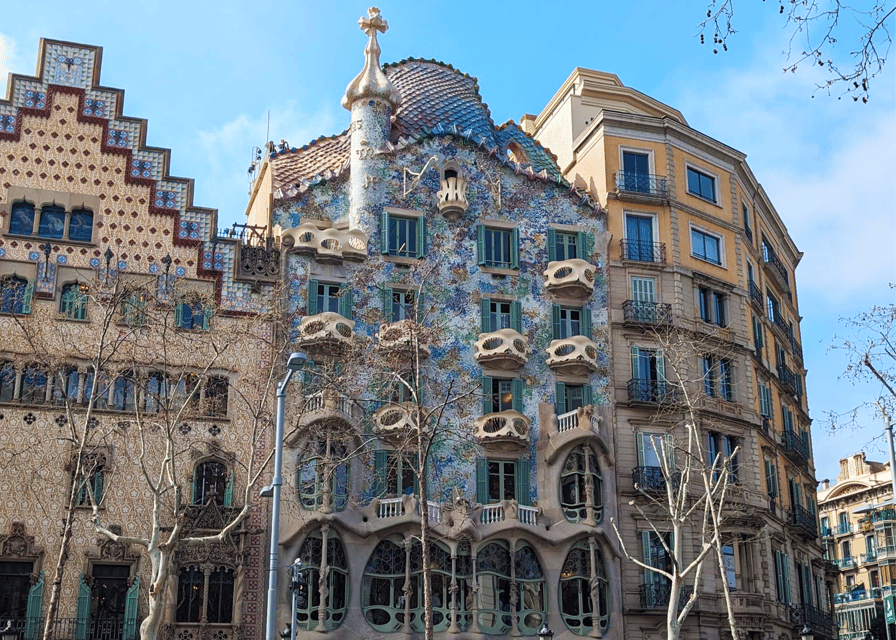
The uphill option moves toward Plaça Catalunya and Passeig de Gràcia. You can admire Casa Batlló and Casa Milà from the outside. These facades are among the clearest introductions to Gaudí’s work, but remember that entry tickets are not included. If you want to tour the interiors, plan a separate visit and allow enough time.
This route may also include a fountain where you can make a wish. It adds a light, local touch after several hours of history and architecture. Choose the Gaudí finish if modernist buildings are high on your list. Choose Barceloneta if you want the tour to end with fresh air and the sea.
What the private format changes
At $50 per person, the value depends on your group size and priorities. For a solo visitor or couple, it costs more than joining a large group walk. In return, you get a private experience for up to eight participants, with children under six included without counting toward that limit.
For a family or small group, the price becomes easier to justify. You are paying for a guide who can slow down for questions, alter the route, make photo stops, and shape the afternoon around your interests. Families with older children and teenagers can get more from this than from a formal lecture because the walk changes scenery often.
Fabio was repeatedly praised for being friendly, flexible, patient, and clear. Those qualities matter in a private tour. The guide is not just delivering facts. He can explain a difficult historical point in another way, suggest a restaurant, help you orient yourself, or adjust the pace when the group needs a break.
The tour is offered in English, Spanish, French, and Portuguese. It is also pet-friendly, and children under six are free. Water is provided in a small eco-friendly bottle for each person. These are modest extras, but they are useful on a warm day.
Who should book this walk?
I would choose this tour for a first day in Barcelona, especially if you want to understand how the old city connects to El Born, La Rambla, the port, and the modernist center. It is also a good fit if you prefer conversation and flexibility over a large group with a fixed route.
It suits couples, families, solo visitors, and groups of friends. The route includes enough variety to hold the attention of children and teenagers, though younger children may tire before the end. Tell Fabio your interests at the start so the private format works in your favor.
I would not choose it as your only architecture tour if you want extended visits inside the cathedral, Santa Maria del Mar, or Gaudí’s houses. Tickets are not included, and the schedule is designed to show many areas rather than spend an hour at one monument.
Free cancellation is available up to 24 hours before the tour, and you can reserve now and pay later. Starting times vary, so check availability when you choose a date.
Should you book it?
Book this Barcelona private walking tour if you want a well-paced introduction, personal guidance, and a practical route through the city’s oldest neighborhoods. The strongest reasons are Fabio’s flexibility, the mix of Roman remains and modern Barcelona, the La Boqueria tasting, and the choice of waterfront or Gaudí finish.
Skip it if you prefer exploring alone, want long museum visits, or already know the Gothic Quarter well. At $50 per person, it is best value for a small group that wants orientation, local recommendations, and a guide who can make the city easier to read.
FAQ
How long does the Barcelona walking tour last?
The tour lasts between two and three hours. The described experience usually takes about two and a half to three hours, depending on pace and route.
What neighborhoods does the tour visit?
The route covers El Born, La Ribera, the Gothic Quarter, La Rambla, and may continue to La Barceloneta or Passeig de Gràcia.
Where does the tour start?
The starting point may be Arc de Triomf or Plaça de Sant Jaume, depending on the option booked.
Is the tour private?
Yes. It is a private group experience with a maximum of eight participants, not counting children under six.
Which languages does the guide speak?
The tour is available in English, Spanish, French, and Portuguese.
Is food included?
A shared tasting at La Boqueria is included. It features local products such as Iberian ham and cheese, along with fruit juice.
Are attraction tickets included?
No. Tickets for attractions, museums, and monuments are not included, though ticket arrangements may be requested.
Is the tour suitable for wheelchair users?
The activity is listed as wheelchair accessible. Because the route includes old streets and historic buildings, confirm the exact route and access details before booking.
Can children join the tour?
Yes. Children under six are free and do not count toward the eight-person group limit.
Can I bring a dog?
Yes. The tour is pet-friendly, so you may bring your dog.
Recently added around Barcelona
- Entrance to the Mirador Torre Glories Barcelona★ 4.5 · 193 reviews
- Park Guell Guided Tour with Skip the Line Tickets★ 4.0 · 739 reviews
- Bohemian Barcelona Neighborhood Evening Tapas & Wine Tour★ 5.0 · 419 reviews
- Transfers From Cruise Port to Barcelona Airport★ 4.5 · 155 reviews
- Authentic Flamenco Show Barcelona : Intimate Casa Sors Experience★ 5.0 · 809 reviews
- Barcelona Expert Tour with Local Guide in Eco Tuk Tuk Private★ 5.0 · 216 reviews
- Barcelona Sunset Cruise with Light Snacks and Open Bar★ 5.0 · 476 reviews
- Barcelona: Sagrada Familia, Park Guell & Tapas Private Tour★ 5.0 · 903 reviews
Walking Tours, compared.

Barcelona Tapas and Wine Experience Small-Group Walking Tour
Read our review →
Tapas Walking Tour with Food, Wine, and History
Read our review →
Albaicín and Sacromonte Guided Sunset Walking Tour
Read our review →
Toledo Tour & Vineyard Walk with Wine Tasting from Madrid
Read our review →
Barcelona Tapas Walking Tour: Food, Wine & History
Read our review →
Madrid Old Town & Royal Palace Walking Tour Skip the Line Ticket
Read our review →
Browse the lists this tour appears in