
Reviewed · MALAGA TOURS
Antequera: Dolmens and El Torcal Tour with Transfer
Antequera’s most surprising sight is not a palace or church. It is a group of prehistoric stone tombs, built thousands of years ago, followed by a mountain shaped from the floor of the ancient Tethys Sea. This four-hour outing links both places with a guide and van, making a complicated day easy to manage.
I like the small group limit of eight, which gives you room to hear the explanations and ask questions. I also like the way the tour joins archaeology and geology: the dolmens explain how people understood death, while El Torcal shows the enormous forces that shaped the ground beneath them.
The main drawback is the tight schedule. You get about 90 minutes at each main stop, enough for a clear introduction and a walk, but not enough for a slow, independent exploration. El Torcal can also be cold, foggy, or wet, and the tour runs in all weather.
Key points to know before booking
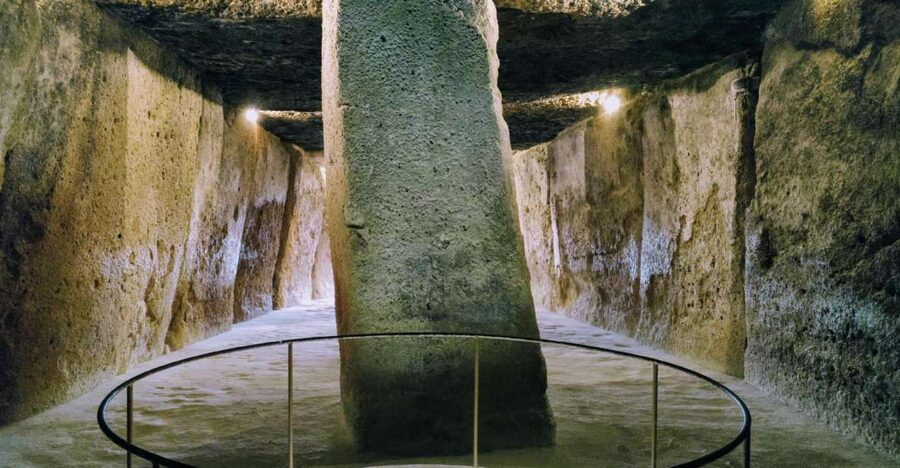
- Three prehistoric tombs: Visit Menga, Viera, and the Tholos of El Romera, all built with large stone slabs for ceremonies and burials.
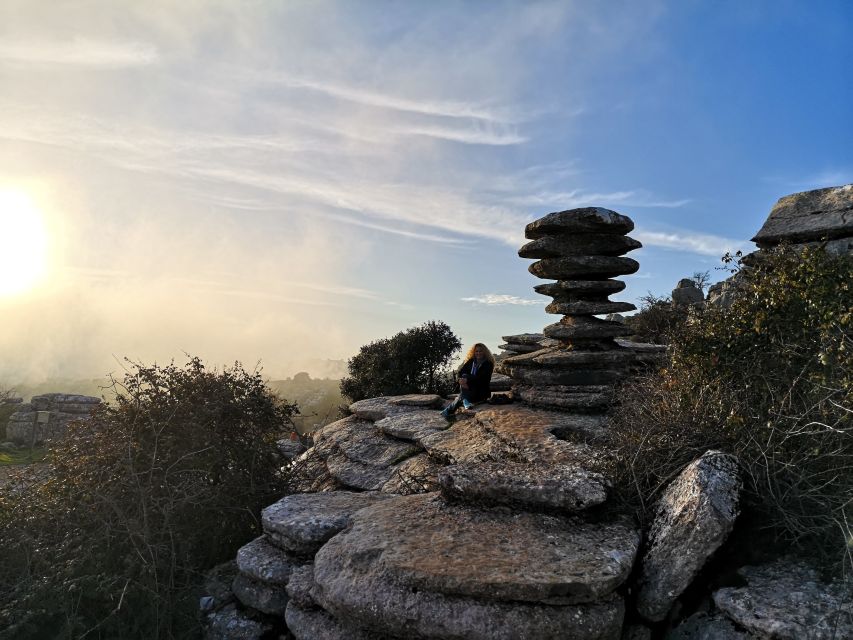
- El Torcal at 1,200 meters: Walk among limestone shapes formed from rock that once lay beneath an ancient sea.
- A genuinely small group: The van carries no more than eight participants, so the guide can keep explanations personal.
- Useful for car-free visitors: Transfers connect Puerta de Estepa with both sites, removing the need to arrange separate transport.
- Guides make the difference: Natacha, Justine, and Antonio have been praised for clear history, geology, nature, driving, and multilingual support.
- Bring warmth and proper shoes: The tour runs rain or shine, and mountain conditions can change quickly.
Why these two sites belong together
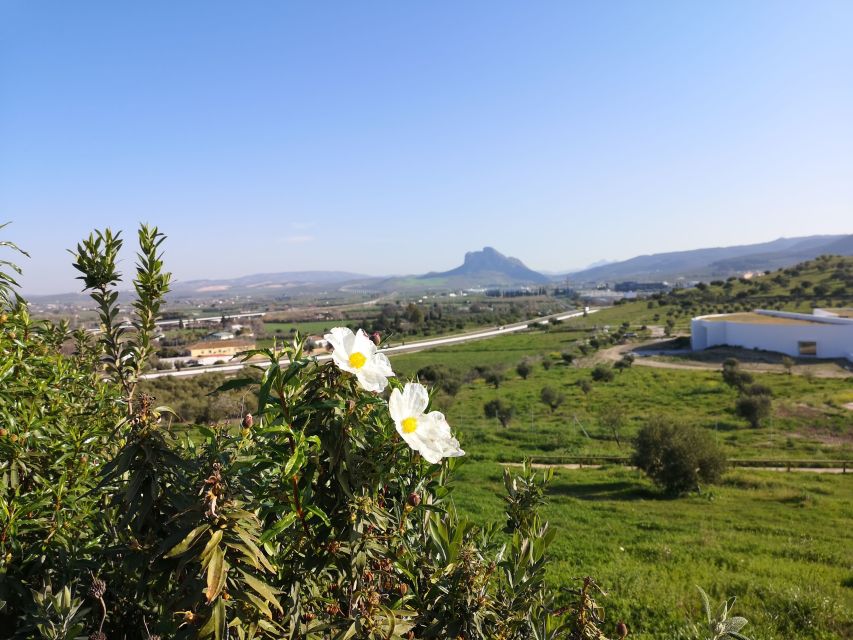
At first glance, prehistoric tombs and strange mountain rocks may seem like separate attractions. They work better as a pair. The dolmens show human beings working with stone, sky, and the surrounding countryside. El Torcal shows the older story beneath all of that, a world that existed millions of years before the first builders arrived.
The tour gives you two kinds of time travel in a single half-day. At the archaeological site, you think in terms of generations and rituals. At El Torcal, the clock stretches back to the Tethys Sea, when fish moved through water above the limestone that now forms the mountain.
That connection is the best reason to choose this experience instead of visiting either place alone. A guide can point out how the tombs relate to their setting and explain why these sites were not simply practical burial chambers. They were places where death was seen as a passage to another state of being.
At $41 per person, the price is fair for a four-hour outing that includes the guide, transfers, and walking sticks. It is especially useful if you do not have a car. Independent visitors would need to organize transport between Antequera and the mountain, then handle the timing themselves.
A few more Malaga half-days worth comparing
- Málaga: Caminito del Rey Guided Tour with Transportation
★ 4.8 · 12,183 reviews - Caminito del Rey: Guided Tour and Entry Ticket
★ 4.6 · 11,286 reviews - Málaga: Museo Picasso Málaga Entry Ticket
★ 4.4 · 11,138 reviews
Meeting the van at Puerta de Estepa
The tour begins at Puerta de Estepa in Antequera. The van stops between the kiosk and the bus shelter, a precise meeting point that is easier to find than a vague town-center address.
From there, the first transfer takes about 10 minutes. That short ride brings you to the Archaeological Dolmens of Antequera, where the first guided visit lasts about an hour and a half.
The small van matters here. You are not being moved as part of a large coach group, and the limited capacity lets the guide speak to everyone without shouting. Several guides have also been praised for arriving on time, keeping the vehicle clean, and driving carefully.
If you need the tour in a language other than English, Spanish, or French, this is not the right choice based on the information available. The tour is offered in those three languages, and a mixed-language group may require the guide to divide explanations between languages.
Entering Menga, Viera, and the Tholos of El Romera
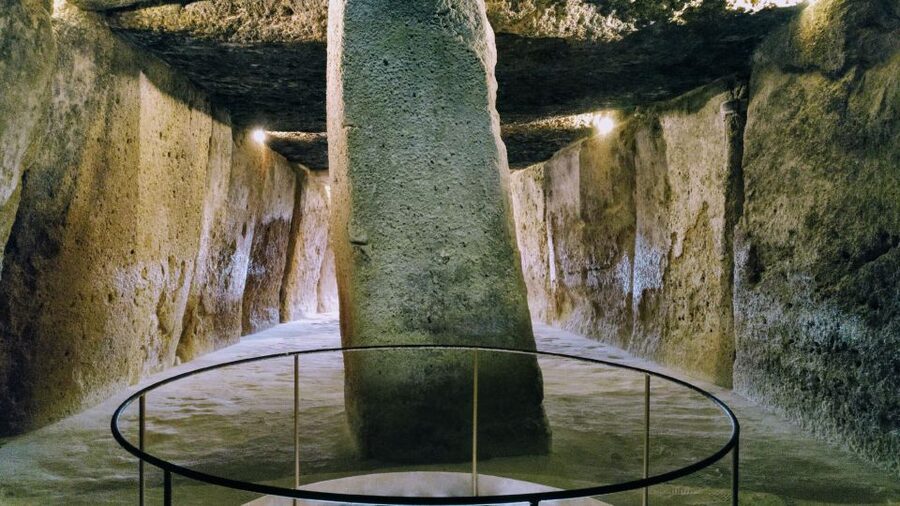
The dolmens are the heart of the archaeological portion. Menga is presented as the largest dolmen in Europe, positioned at about 1,200 meters above sea level. Its enormous stone construction makes the site feel less like a small museum stop and more like a carefully planned meeting between people, rock, and the sky.
Viera offers a different sense of the same building tradition. Together with Menga and the Tholos of El Romera, it shows how Neolithic communities created enclosed chambers with large upright stones and lintels across the roof.
These were not just graves in the narrow modern sense. The tour explains their use for rituals and funerals, along with the idea that death marked a change rather than a final ending. That belief gives the stone chambers a human presence, even though the builders lived thousands of years ago.
I find guided interpretation particularly helpful here. Without context, you may see a pile of massive stones and admire the engineering. With an informed guide, you begin to notice the relationship between the chambers, the surrounding land, and the people who chose this location.
The visit lasts around 90 minutes, which should give you time to enter the dolmens, listen, take pictures, and ask questions. It is not an all-day archaeological study, so you should expect a focused introduction rather than an exhaustive examination of every stone.
The site can also feel more meaningful because of what comes next. Once you have seen how ancient people shaped local rock for ritual use, you travel toward a mountain where nature has shaped the same basic material on a far larger scale.
The 30-minute ride to El Torcal
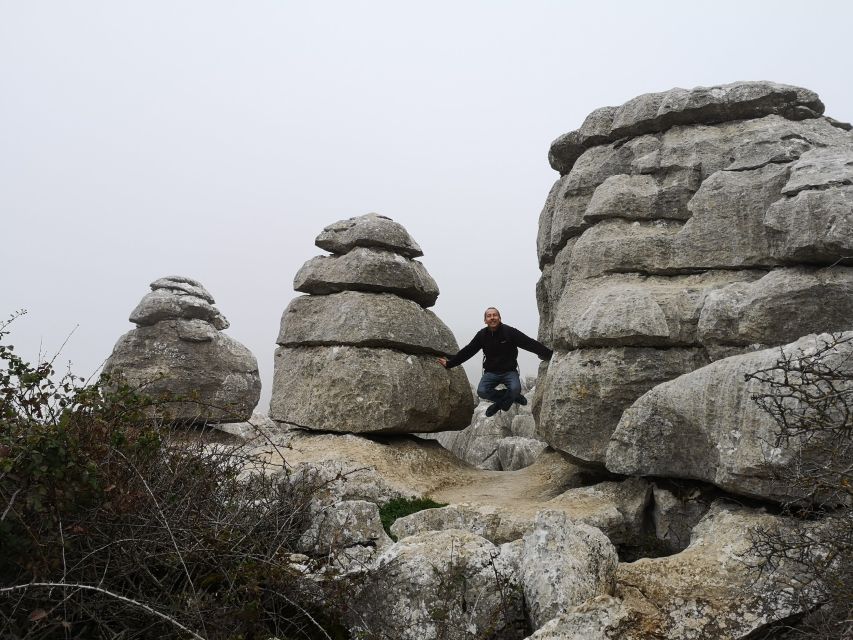
The transfer from the dolmens to El Torcal takes about 30 minutes. This is more than a simple change of location. You move from the evidence of human activity to a high mountain area where the rock itself is the main attraction.
At about 1,200 meters, El Torcal is cooler than Antequera. The supplied advice to bring warm clothing is practical, not decorative. Even if the lower town feels mild, mountain weather can be different, and the tour goes ahead in rain or fog.
One visit took place in fog, but that did not cancel the experience. Fog changes the view and may hide distant scenery, yet it can also make the stone formations feel more mysterious. You should still understand that poor weather may reduce the wide views that are part of the appeal.
The tour includes walking sticks. That is useful because the ground at a natural rock site can be uneven, and the walking portion is more active than simply stepping out of a van for photographs. Comfortable shoes are essential.
Same base in Malaga, a completely different kind of day:
- Caminito del Rey: Entry Ticket and Guided Tour
★ 4.6 · 8,149 reviews - From Málaga & Costa del Sol: Caminito del Rey Guided Tour
★ 4.7 · 7,488 reviews - El Chorro: Caminito del Rey Guided Tour with Shuttle Bus
★ 4.7 · 7,091 reviews - Caminito del Rey: Tour with Official Guide and Drink
★ 4.7 · 6,190 reviews
Walking among rocks from an ancient sea
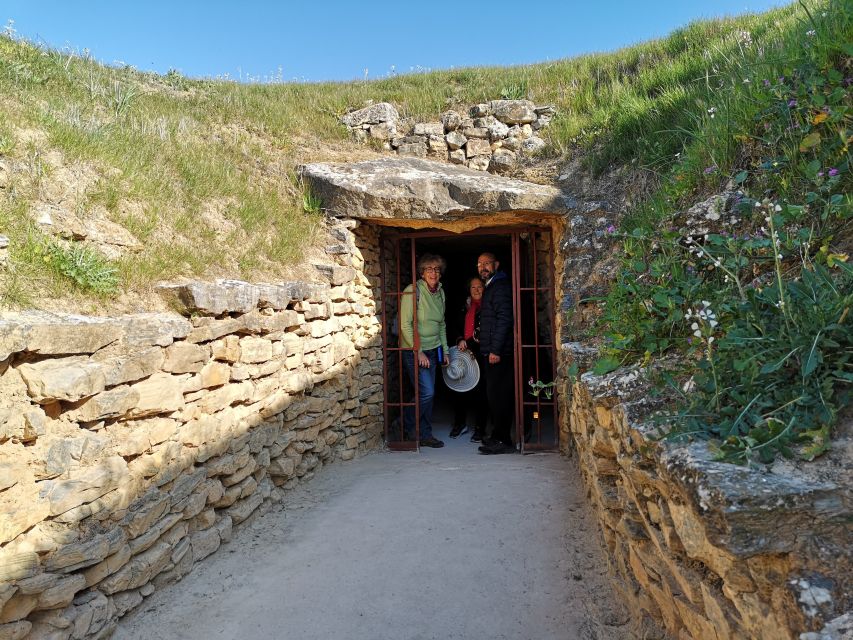
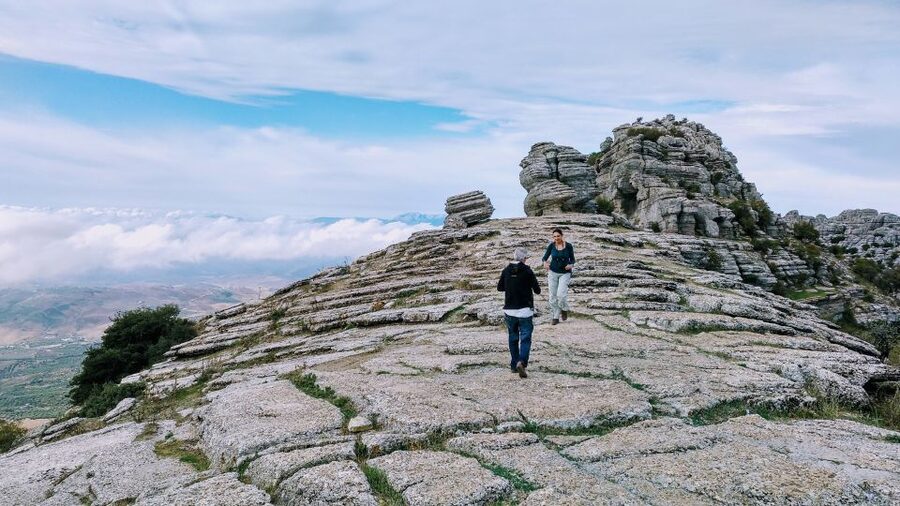
El Torcal’s limestone formations are the geological high point of the excursion. The explanation centers on the idea that these mountains grew from the deep Tethys Sea. Millions of years ago, fish swam above rock that now sits high above the surrounding countryside.
That story gives the formations scale. You are not simply looking at oddly shaped rocks. You are seeing layers of the earth pushed, lifted, weathered, and reshaped over immense stretches of time.
The guided walk lasts about 90 minutes. You can expect the guide to discuss fossils, limestone, the origins of the formations, and the plants and animals of the area. Natacha has been singled out for bringing the geology, local nature, and history together in a clear way, while other guides have been praised for their passion for the mountain.
The scenery is the reason many people book this part of the trip. From the high ground, the views extend across the countryside and, in clear conditions, toward the coast. Still, I would not treat this as a long hiking day. The schedule provides a guided introduction and time for photographs, not a full network of independent trails.
That distinction matters if you are choosing between this tour and a dedicated hiking outing. You will see the main character of El Torcal and learn how it formed, but the four-hour format keeps the walk moderate and structured.
The value of having a guide
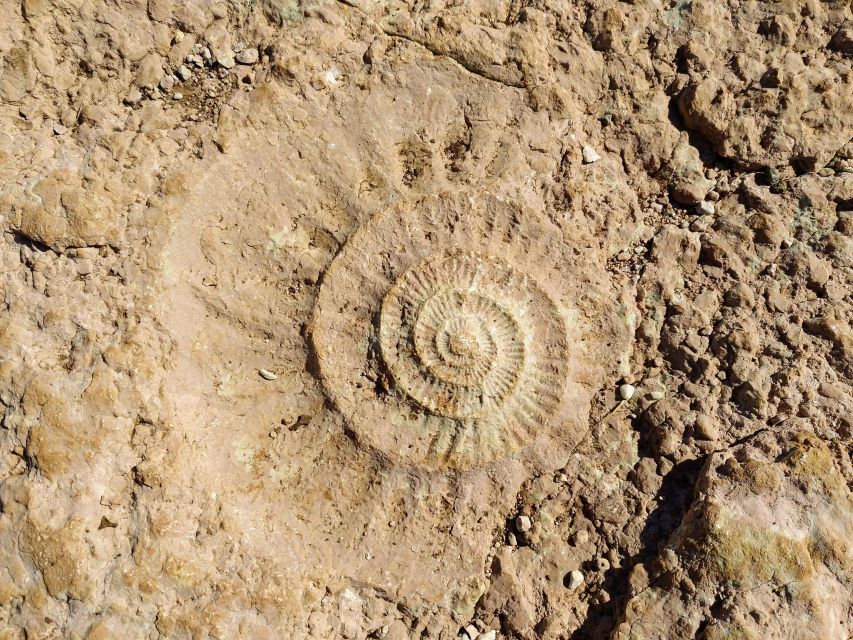
The tour’s strongest feature is the human explanation. The stones at Menga and the formations at El Torcal are impressive on their own, but the experience gains much more from someone who can connect archaeology, geology, plants, animals, and local geography.
Natacha is repeatedly described as punctual, organized, careful, friendly, and passionate about the area. Justine has been praised for explaining clearly in a mixed-language group and for helping everyone follow along. Antonio has been noted for speaking clear English and handling French and Spanish needs professionally, although you should not assume every guide will speak every language equally during a particular departure.
This is also useful for safety. A guide who knows the roads and mountain conditions can manage the transfers and keep the group moving at a sensible pace. One guide was specifically praised for being safety-focused and for keeping the outing on schedule.
You should choose this tour if you prefer to understand what you are seeing rather than simply photograph it. It suits first-time visitors to Antequera, people without a rental car, and anyone who likes a compact outing with a clear beginning and end.
Timing, group size, and the four-hour pace
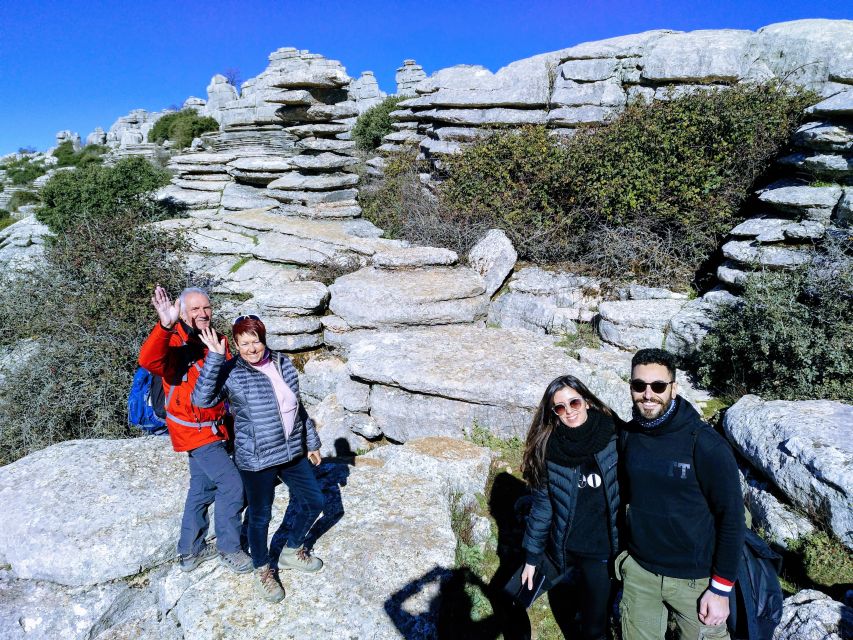
The published schedule breaks down like this:
- About 10 minutes from Puerta de Estepa to the dolmens
- About 90 minutes at the archaeological site
- About 30 minutes to El Torcal
- About 90 minutes at El Torcal
- About 20 minutes back to Puerta de Estepa
That totals four hours. The return transfer is listed as about 20 minutes, though actual road conditions can affect the clock.
A group of six has been described as comfortable, and the maximum of eight keeps the visit personal. You can hear the guide more easily than in a coach group, and you have a better chance to ask a question without interrupting a large crowd.
The late afternoon can be a smart choice. It may be less crowded than the morning, giving you more space around the dolmens and rock formations. Availability changes, so check the departure times rather than assuming a particular hour.
The pace is well suited to a half-day plan. You can still have lunch, visit more of Antequera, or continue to another activity afterward. If you want long pauses, extensive hiking, or lots of time at each dolmen, the schedule may feel brisk.
Weather, clothing, and practical comfort
Wear comfortable shoes with a firm sole. The tour includes walking at a mountain site, and the provider supplies walking sticks, but neither replaces sensible footwear.
Bring warm clothing even in a warm season. El Torcal is high, and the weather may be colder than in town. Rain and fog are possible, and the outing operates rain or shine.
Weather affects what you see most at El Torcal. Clear conditions provide broader views across the countryside and toward the coast. Fog may limit the distance but can give the rock formations a more dramatic mood. Rain will require more care on the walk, so anyone uncomfortable on wet or uneven ground should consider that before booking.
There is no need to bring a car, arrange separate transfers, or work out how to connect the two sites. That practical simplicity is a major part of the $41 value.
Who should book this experience
I would recommend this tour to you if you want a compact introduction to two of Antequera’s most unusual places. It is particularly useful if you are staying in town without a car or if you have only half a day available.
It also suits curious families and adults who enjoy history with a strong natural setting. The dolmens provide a human story, while El Torcal supplies the big geological picture. The guide’s explanations help children and first-time visitors understand why the sites matter.
You may want another option if you are seeking a strenuous full-day hike, a private experience, or a slow archaeological visit with plenty of unstructured time. The small group is friendly and manageable, but it is still a shared tour, and the guide may need to explain in more than one language.
The 4.8 rating from 124 reviews reflects consistent praise for the guides, transport, timing, and educational value. The most repeated strength is not a single viewpoint or photo stop. It is the way the guides make the history and geology understandable without turning the outing into a classroom lecture.
Should you book the dolmens and El Torcal tour?
Book it if you want the easiest way to connect the Archaeological Dolmens of Antequera with El Torcal in one morning or afternoon. At $41, the transfers and small group make good sense, especially without a car.
Go in with realistic expectations. You will receive a focused 90-minute visit at each main stop, not unlimited time. Bring warm clothes and good shoes, accept that the weather may change, and choose this tour for clear explanations, striking geology, and a well-managed half-day rather than for a long hike.
Free cancellation up to 24 hours before departure and the option to reserve now and pay later add useful flexibility. Check the available starting times, meet between the kiosk and bus shelter at Puerta de Estepa, and you will be set for an unusual trip from prehistoric ceremony to mountains born beneath an ancient sea.
FAQ
How long does the Antequera dolmens and El Torcal tour last?
The tour lasts four hours, including transfers between Puerta de Estepa, the dolmens, El Torcal, and the return point.
What sites are included?
You visit the Menga and Viera dolmens and the Tholos of El Romera, followed by El Torcal de Antequera.
Where is the meeting point?
Meet at Puerta de Estepa. The van stops between the kiosk and the bus shelter.
What languages are available?
The tour is offered in Spanish, English, and French.
How large is the group?
The tour is limited to eight participants.
What should I bring?
Bring comfortable shoes and warm clothing. Walking sticks are included.
Does the tour operate in bad weather?
Yes. The tour takes place rain or shine, so prepare for changing conditions at El Torcal.
Recently added around Malaga
- Tour to Gibralfaro★ 4.7 · 182 reviews
- Málaga: Picasso Birthplace Museum Ticket & City Audio Guide★ 4.1 · 158 reviews
- Nerja, Torrox, or Torre del Mar: Caminito del Rey Day Trip★ 4.9 · 762 reviews
- Malaga: Tuk tuk tour★ 4.8 · 402 reviews
- Malaga: Organic Vineyard Tour with 6 Wines, Tapas & Transfer★ 4.8 · 334 reviews
- Malaga: The Ultimate Tapas Workshop with Market Visit★ 4.9 · 108 reviews
- Malaga: Tour of Malagueta Bullring & Immersive Exhibition★ 4.7 · 271 reviews
- Malaga: Tapas Tasting Tour★ 4.9 · 133 reviews
Malaga Tours, compared.
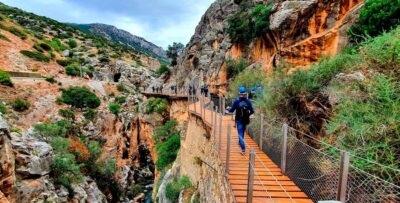
Caminito del Rey Guided Tour with Transportation
Read our review →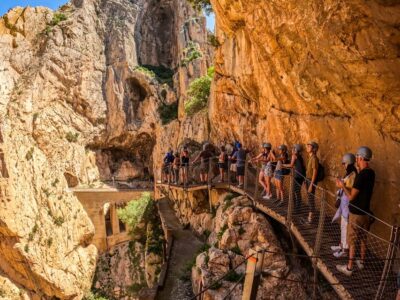
Caminito del Rey: Guided Tour and Entry Ticket
Read our review →
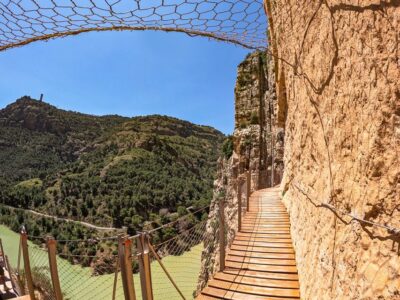
Caminito del Rey: Entry Ticket and Guided Tour
Read our review →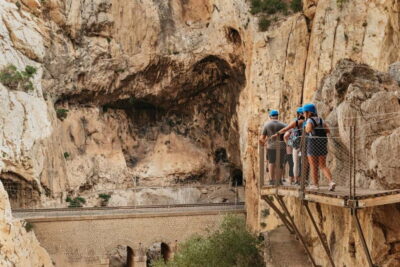
From Málaga & Costa del Sol: Caminito del Rey Guided Tour
Read our review →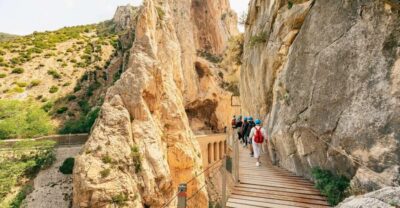
El Chorro: Caminito del Rey Guided Tour with Shuttle Bus
Read our review →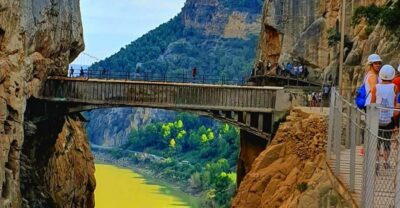
Caminito del Rey: Tour with Official Guide and Drink
Read our review →
Alcazaba and Roman Theatre Guided Tour With Entry
Read our review →Browse the lists this tour appears in