
Reviewed · PICASSO TOURS
Picasso Small Group Walking Tour with Museum Skip the Line Ticket
Picasso’s Barcelona comes into focus on foot, one old street and café at a time. This tour links his early life to places he knew, then takes you into the Picasso Museum, where more than 4,000 works trace his growth from gifted student to major modern artist. I like the small group of up to 10 and the way the walk gives the museum a local setting. I also like the skip-the-line museum entry, especially when queues are long.
The main caution is the tight two-hour schedule. You will see several sites and receive a guided museum visit, but this is an introduction rather than a slow, art-school-style study. Check that your booking is for the English tour, since one past booking issue involved a French-language guide.
Key points at a glance
- Picasso’s early Barcelona: Follow the places tied to his years in the city from 1895 to 1905.
- El Quatre Gats: See the café where Picasso met other artists and spent time in Barcelona’s creative circle.
- Museum entry included: Walk into the Picasso Museum with admission already covered and avoid the regular queue.
- Small-group setting: The group is limited to 10 people, making questions and conversation easier.
- Strong guide factor: Past guides named Alex, Sylvia, Pilar, Danielle, Iris, Marco, and Alli received especially warm praise for their art and city background.
- Practical format: Meet at Plaça de Catalunya and finish at the museum on Carrer de Montcada, with no hotel transport or food included.
Why Picasso’s Barcelona matters
Picasso is often presented through his later blue, pink, and Cubist periods. This walk takes a more useful route: it begins with the young artist before his name carried much weight.
Picasso lived in Barcelona at various times between 1895 and 1905. The city gave him art training, friends, cafés, streets to observe, and a creative setting that helped shape his early work. You are not simply being shown famous paintings. You are being shown the places and social circles that helped form the person who painted them.
That makes this a good choice if you know Picasso mainly as the artist of distorted faces and broken-up forms. The tour focuses heavily on his early development. Inside the museum, your guide helps connect the young student and working artist to the paintings in front of you.
I also like the way the experience combines two types of sightseeing. The first part is a city walk through central Barcelona. The second is an art visit indoors. If you have already spent days walking the Gothic Quarter, the Picasso thread gives familiar streets a new purpose.
More Museum Tours in Barcelona
- Barcelona: FC Barcelona Museum “Barça Immersive Tour” Ticket
★ 4.4 · 10,944 reviews - Barcelona: Park Güell and Gaudí House Museum Entry Ticket
★ 4.5 · 6,326 reviews - Barcelona: Picasso Museum Skip-the-Line Guided Tour
★ 4.5 · 3,355 reviews
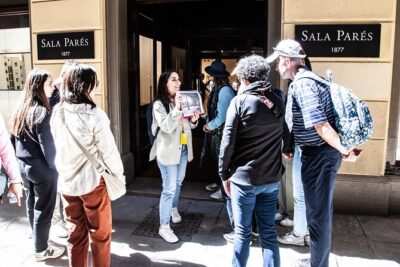
Starting at Plaça de Catalunya
The meeting point is the Oficina d’atenció turística at Plaça de Catalunya, 17. This is a central location near public transportation, so it is practical for most visitors staying in central Barcelona.
Arrive ready to walk. The tour passes through old streets and the La Ribera quarter before reaching the museum. The supplied details do not give an exact walking distance or say how many stairs are involved, so wear comfortable shoes and expect city surfaces rather than a polished museum route.
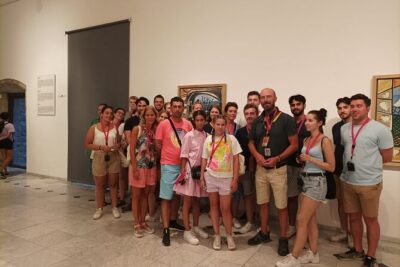
The group can include no more than 10 people. That matters here. A guide explaining a painting to 10 people can usually keep the conversation moving without the stop-and-start feel of a large coach group. It also gives you a better chance to ask why a work matters, how Picasso’s technique changed, or what a particular Barcelona location meant to him.
The tour is offered in English. Since language is central to an art tour, confirm the language shown on your booking before you go. One unhappy booking involved a French guide being assigned to people who did not speak French. That appears to have been an arrangement problem, but it is still a useful reminder to check the details.
El Quatre Gats and Picasso’s creative circle
One of the first meaningful stops is El Quatre Gats, a famous Barcelona café tied to the city’s artists and writers. Picasso socialized there with other creative people, and the café helps explain the atmosphere around his early career.
This is not a stop where you spend a long time studying a painting. Its value is social and historical. You get a sense of the kind of place where a young artist could meet fellow painters, exchange ideas, and see new work. The guide’s storytelling matters more here than a plaque or a quick photograph.
Past guides have been praised for making this part of the walk feel connected to Picasso’s life rather than treating it as a list of addresses. Alex, Sylvia, Pilar, and Danielle are among the guides singled out for clear explanations and strong personal interest in Picasso and Barcelona.
You should expect some city noise and normal pedestrian traffic in this portion. The tour is not a private, quiet walk through empty lanes. It is a moving look at Picasso’s old neighborhood, with the guide helping you notice what you might otherwise pass without a thought.
Llotja Mar and the making of an artist
The route continues to Llotja Mar, the art school where Picasso trained. This stop is important because it shifts the story from the social world of cafés to the discipline of learning to draw and paint.
A young Picasso did not appear fully formed. He studied, practiced, and developed through formal training and observation. Your guide explains how his education fits into the story of his early work, which gives more meaning to the paintings you later see in the museum.
This is one of the strongest reasons to take the walking tour before visiting the collection. Without context, early works can look like isolated examples of skill. With context, you can watch an artist test methods, absorb training, and gradually move toward his own voice.
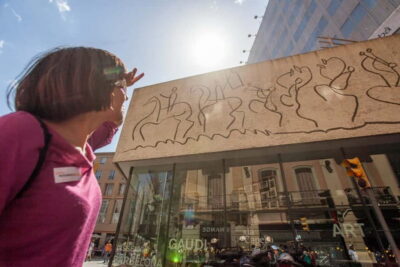
The tour also pauses at the Frisos del Col-legi d’Arquitectes. These three friezes are described as Picasso’s only open-air works. They are an unusual part of the route because they let you see his art outside a museum, integrated into the city rather than framed on an interior wall.
The friezes may be a quick stop, depending on the group pace. Still, they add variety to the experience. You are not spending the entire walk looking at modern reproductions or waiting to enter a gallery. You are seeing actual public works connected to the city.
More Skip-the-Line Tickets in Barcelona
- Barcelona: Park Guell Guided Tour with Skip The Line Entry
★ 4.7 · 17,563 reviews - Barcelona: Sagrada Familia Skip-the-Line Entry Ticket & Tour
★ 4.8 · 12,789 reviews - Park Guell Guided Tour with Skip the Line Ticket
★ 4.5 · 6,996 reviews - Park Guell and Sagrada Familia Tour with Skip the Line Tickets
★ 5.0 · 6,384 reviews
Through La Ribera to the museum
The walk continues past other places associated with Picasso, including locations where he painted, and then through La Ribera. This section serves two purposes.
First, it gives you a sense of the old city’s streets and buildings. Second, it creates a bridge between the artist’s daily surroundings and the museum collection. Picasso’s Barcelona was not a backdrop added later by tour planners. It was the setting where he studied, met friends, worked, and developed.
The route is part neighborhood walk and part biography. If you prefer a tour that moves quickly from landmark to landmark, you may find the street portion a little interpretive. I think that is the point. The most useful parts are often the connections between ordinary streets and the choices Picasso made as a young artist.
The Gothic Quarter and La Ribera can be confusing on your own, especially when narrow streets and changing names make it hard to build a mental map. Several guides, including Alex, Sylvia, and Iris, have been praised for explaining the old city along with Picasso. That added city context makes the walk useful even if you are not devoted to modern art.
Inside the Picasso Museum
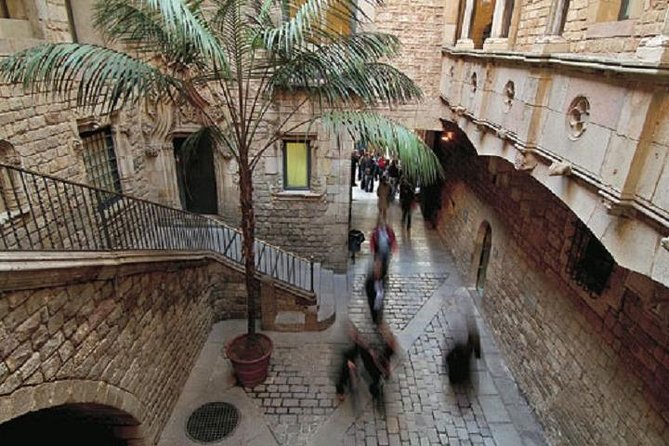
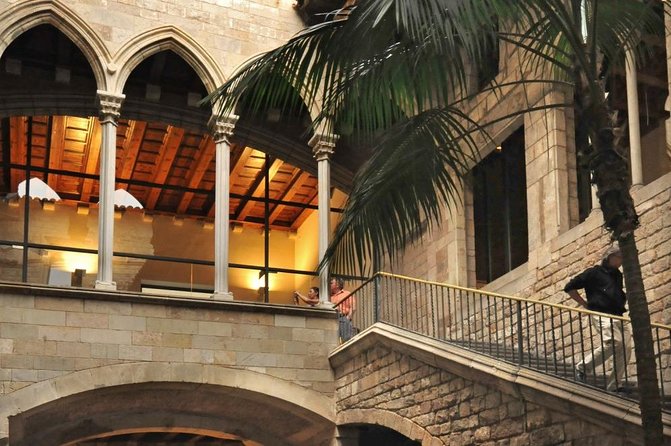
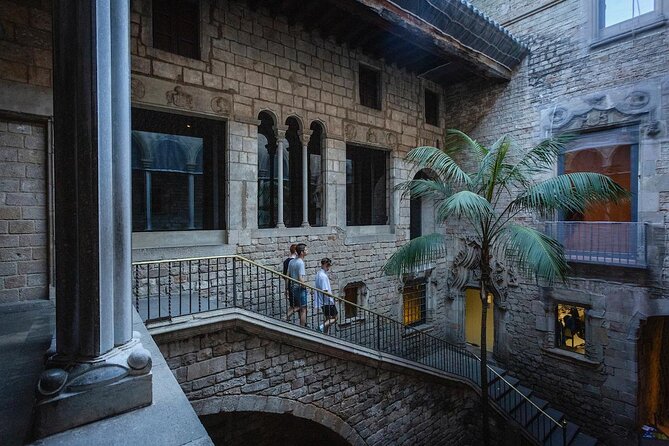
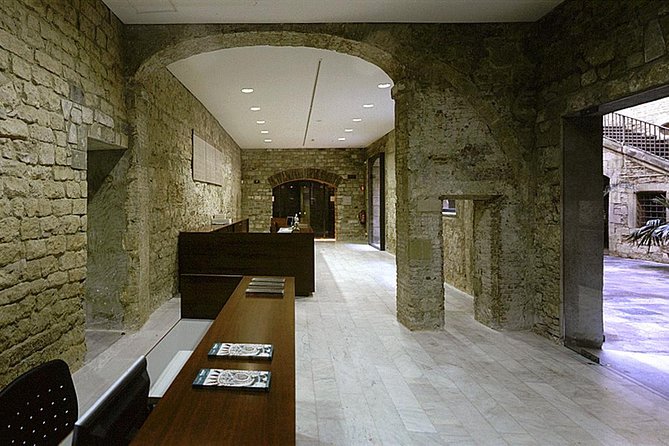
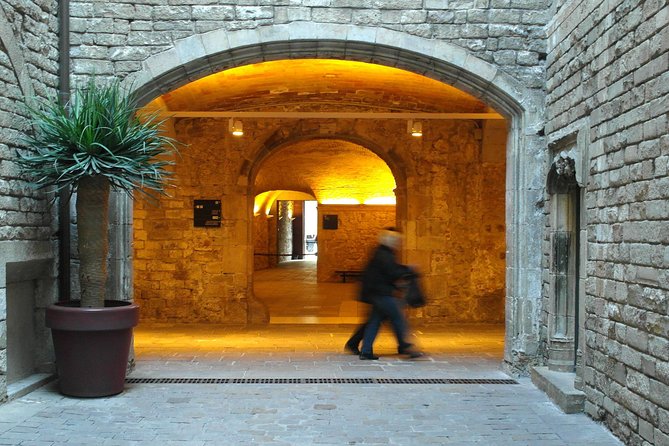
The tour ends at the Museu Picasso on Carrer de Montcada, 23. Admission is included, and the guide uses a skip-the-line ticket to avoid the regular entry queue.
Queue access is a practical benefit, not just a marketing phrase. The museum is popular, and waiting outside can eat into a short Barcelona visit. Since the whole experience lasts about two hours, saving entry time helps preserve the part you actually came to see.
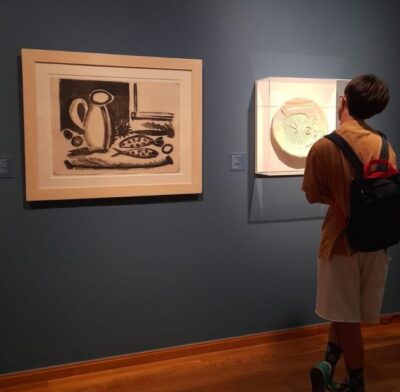
The museum holds more than 4,000 Picasso works. You will not study all of them in one visit. Your guide instead directs you to important pieces, with an emphasis on works from Picasso’s formative years.
This is where the quality of the guide has the biggest effect. A good museum explanation does more than identify a painting. It points out changes in technique, connects a work to Picasso’s age and circumstances, and helps you see why an early painting belongs in the story.
Past guides have included Alex, Sylvia, Danielle, Marco, Iris, Pilar, and Alli. Their reported strengths vary slightly, but the repeated pattern is clear: visitors valued guides who explained both the art and Picasso’s relationships with family and friends. One particularly strong account described the tour as following Picasso from age 13 through his mid-20s and showing how those relationships shaped his development.
Do not expect the guide to cover every gallery in equal detail. The museum is too large for that in a short visit. You get a guided selection of highlights, then finish at the museum and can continue looking around on your own if you wish.
One practical drawback is comfort. The museum can feel warm, and that made one visit less pleasant. If you are sensitive to heat, bring water for the walk and dress for indoor conditions that may not feel cool.
Is $48.06 a fair price?
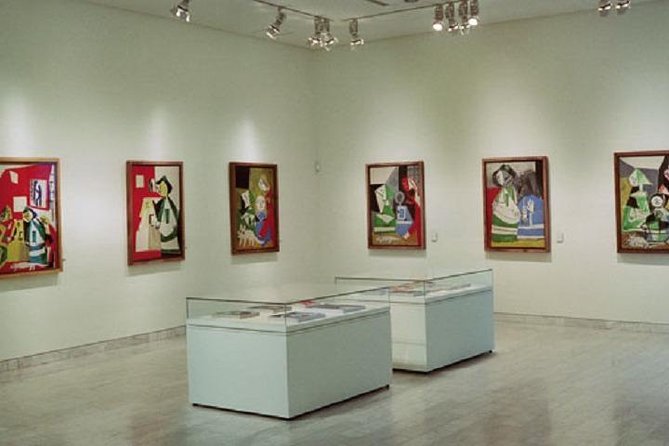
At $48.06 per person, this tour is not the cheapest way to enter the museum. You are paying for more than the ticket: a professional English-speaking guide, the city walk, and help choosing what to see inside a large collection.
I think the price makes the most sense for three kinds of visitors. First, it suits anyone who wants a clear introduction to Picasso without doing hours of reading first. Second, it works well for a first visit to Barcelona, since the walk also introduces the Gothic Quarter and La Ribera. Third, it is useful if you value a small group and want to ask questions.
The value is weaker if you already know Picasso’s Barcelona well, have museum expertise, or prefer to explore every gallery at your own pace. You may get more from buying a museum ticket and lingering independently.
The skip-the-line entry helps tip the balance toward fair value during busy periods. The guide’s ability to make sense of 4,000-plus works is the other major part of what you are buying. If you only want a quick look at the collection, the guided format may feel too structured. If you want a story, the price is easier to justify.
Who should book this walk?
I would recommend it for first-time Picasso visitors, curious art lovers, and anyone who enjoys learning through places rather than dates and labels. It is also a good early Barcelona activity because it gives you a guided introduction to the Gothic Quarter, La Ribera, and the museum district.
Families and mixed-age groups may also find the format manageable. Most people can participate, and service animals are allowed. The short duration keeps the commitment reasonable, though the walking portion means you should be comfortable moving through old city streets.
I would be more cautious if your main goal is a long, quiet museum visit. The tour finishes at the museum, so you can continue on your own, but the guided portion is designed to cover both streets and galleries in about two hours.
Guide quality will shape your experience. Names that have received especially strong praise include Alex, Sylvia, Pilar, Danielle, Iris, Marco, and Alli. You cannot count on a particular guide unless the booking specifies one, but the tour has clearly attracted guides who can discuss both Picasso and Barcelona.
Useful details before you go
The tour includes the professional guide and Picasso Museum admission. Food, drinks, hotel pickup, and hotel drop-off are not included.
You meet at Plaça de Catalunya and finish at the museum on Carrer de Montcada. Plan your next activity from the museum area, not from the starting point.
Confirmation is provided when you book. Free cancellation is available up to 24 hours before the start time for a full refund. Changes or cancellations made less than 24 hours before the local start time are not accepted.
The experience is offered in English and allows service animals. The group maximum is 10 people, and the meeting point is near public transportation.
Should you book it?
Book this tour if you want Picasso’s early Barcelona explained by a guide, not just a museum audio label. The best parts are the link between El Quatre Gats, Llotja Mar, the public friezes, La Ribera, and the museum collection. The small group and included queue access add real value.
Skip it if you want to spend several hours examining every gallery independently or if you dislike a timed walk. For most visitors who want a clear, human introduction to Picasso and old Barcelona, $48.06 is a reasonable price, provided you confirm the English-language booking and arrive ready to walk.
FAQ
How long does the Picasso walking tour last?
The tour lasts approximately two hours, including the walking route and the guided visit inside the Picasso Museum.
Where does the tour begin?
It begins at the Oficina d’atenció turística at Plaça de Catalunya, 17, in Barcelona.
Where does the tour finish?
The tour finishes at the Picasso Museum at Carrer de Montcada, 23, in the Ciutat Vella area.
Is Picasso Museum admission included?
Yes. The Picasso Museum admission ticket is included in the tour price.
Does the tour include skip-the-line entry?
Yes. The tour includes skip-the-line entrance to the Picasso Museum.
What language is the tour offered in?
The tour is offered in English. Check your booking carefully because one past booking problem involved a French-language guide being assigned.
How large is the tour group?
The maximum group size is 10 people.
Is hotel pickup included?
No. Hotel pickup and drop-off are not included. You must reach the meeting point at Plaça de Catalunya.
Can I cancel for a full refund?
Yes. You can cancel at least 24 hours before the local start time for a full refund. Cancellations or changes made less than 24 hours before the start time are not accepted.
More Picasso Museums
- Picasso Museum Skip-the-Line Guided Tour
★ 4.5 · 1,079 reviews - Barcelona: Small Group Picasso Tour with Picasso Museum
★ 4.5 · 674 reviews - Picasso Museum and Walking Tour Plus Optional Wine & Food Tasting
★ 5.0 · 596 reviews - Barcelona: Picasso Museum Guided Tour
★ 3.9 · 124 reviews
More Walking Tours in Barcelona
- Barcelona Tapas and Wine Experience Small-Group Walking Tour
★ 5.0 · 5,804 reviews - Barcelona: Tapas Walking Tour with Food, Wine, and History
★ 4.8 · 4,261 reviews - Barcelona Tapas Walking Tour: Food, Wine & History
★ 4.5 · 1,928 reviews - Barcelona: Tapas Food Crawl Walking Tour with Tastings
★ 4.9 · 1,798 reviews
Recently added around Barcelona
- Entrance to the Mirador Torre Glories Barcelona★ 4.5 · 193 reviews
- Park Guell Guided Tour with Skip the Line Tickets★ 4.0 · 739 reviews
- Bohemian Barcelona Neighborhood Evening Tapas & Wine Tour★ 5.0 · 419 reviews
- Transfers From Cruise Port to Barcelona Airport★ 4.5 · 155 reviews
- Authentic Flamenco Show Barcelona : Intimate Casa Sors Experience★ 5.0 · 809 reviews
- Barcelona Expert Tour with Local Guide in Eco Tuk Tuk Private★ 5.0 · 216 reviews
- Barcelona Sunset Cruise with Light Snacks and Open Bar★ 5.0 · 476 reviews
- Barcelona: Sagrada Familia, Park Guell & Tapas Private Tour★ 5.0 · 903 reviews
Picasso Tours, compared.
Picasso Museum and Walking Tour Plus Optional Wine & Food Tasting
Read our review →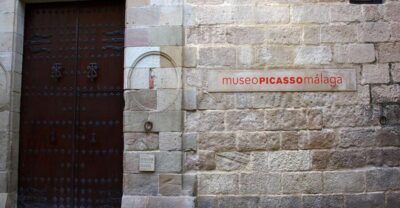
Picasso Museum Guided Tour with Skip-the-Line Ticket
Read our review →
Picasso Birthplace Museum Ticket & City Audio Guide
Read our review →Browse the lists this tour appears in