Reviewed · TICKETS
Barcelona: Museu Nacional d’Art de Catalunya Entrance Ticket
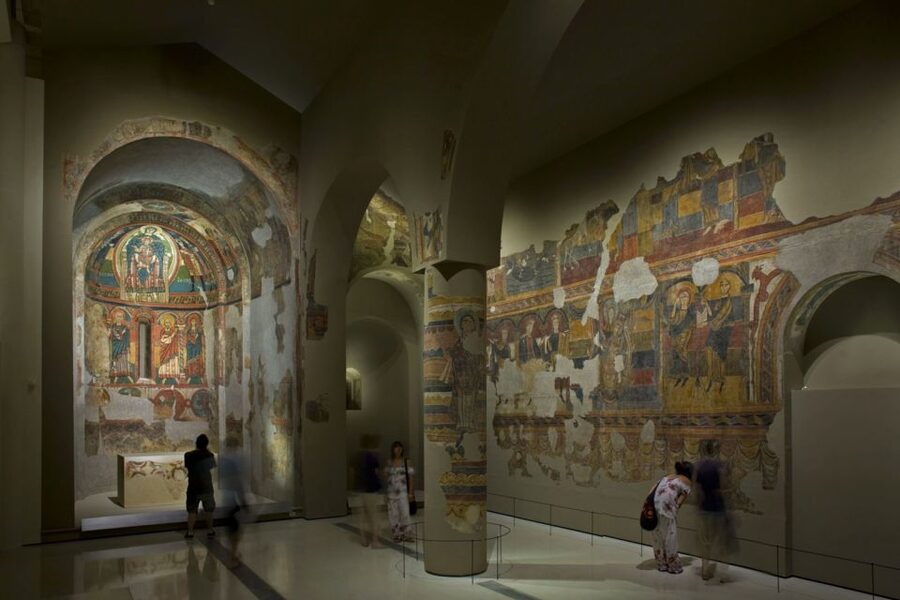
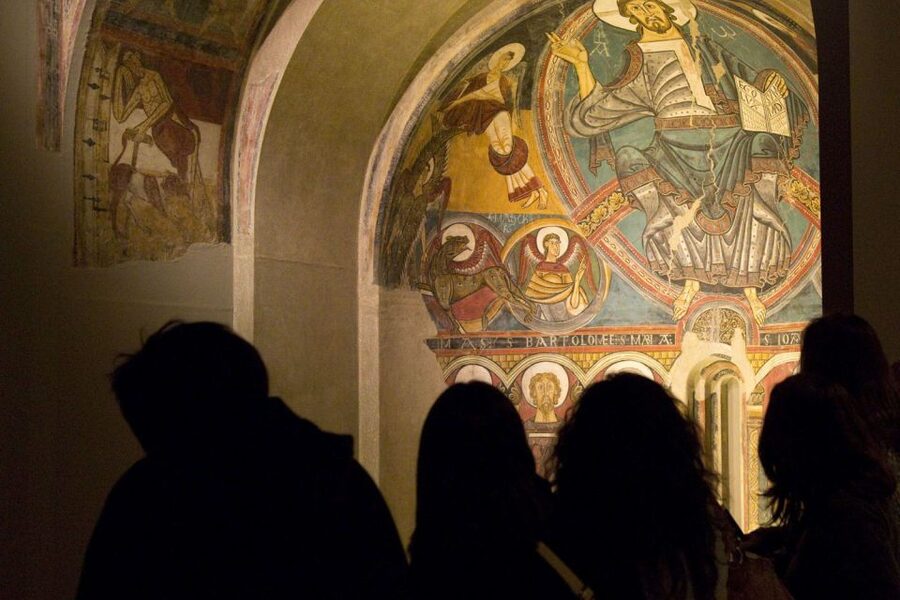
The most remarkable part of the Museu Nacional d’Art de Catalunya is not one painting but the way the museum presents Romanesque mural paintings rescued from old Catalan churches. You see large frescoes arranged in settings that help you understand their original purpose, not just small fragments behind glass.
I like the museum’s broad sweep, from medieval Catalonia to Modernism and European Baroque. I also like the setting inside the Palau Nacional, where the grand building and the view across Barcelona are almost attractions in their own right. The main drawback is simple: the museum is large, and the terraces and rooftop are currently closed, so you need to plan your visit around the galleries rather than the full mountaintop experience.
Key points to know before you go
- Romanesque frescoes are the museum’s signature collection, displayed on a scale that makes them easier to appreciate.
- Catalan Modernism includes works connected with Gaudí and Casas, alongside art from later periods.
- Tiziano and Velázquez add major European names to a museum focused strongly on Catalan art.
- The Palau Nacional is part of the experience, with grand interiors and a prominent Montjuïc setting.
- Admission costs $14, includes permanent and temporary exhibitions, and comes with a smartphone audio guide.
- Allow at least two hours, and closer to four if you want to take your time with the collection.
Why MNAC is more than a quick art stop
Barcelona has no shortage of famous buildings, but MNAC offers a useful change of pace from Gaudí houses, crowded promenades, and church interiors. You come here to see art, but you also come to understand Catalonia through its religious painting, Modernist culture, photography, and changing public life.
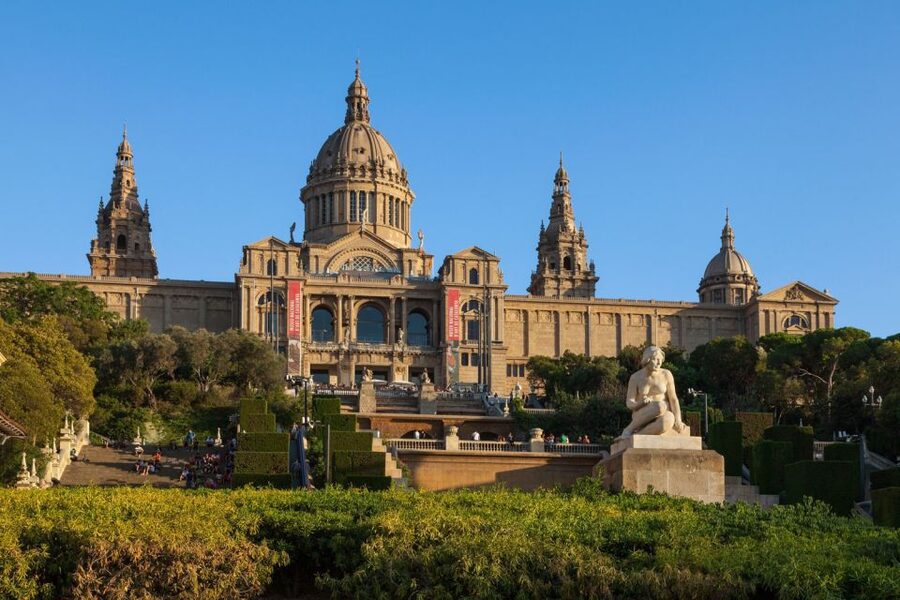
The museum occupies the Palau Nacional on Montjuïc, built for the International Exposition of 1929. Its grand exterior gives you a ceremonial arrival, while the galleries inside are arranged for practical viewing. The contrast works well: a monumental building outside, then carefully organized rooms where you can focus on individual works.
I would not treat this as a one-hour attraction unless your time is very tight. The collection covers two floors, and the range is wide enough that even visitors who are not art specialists can find a period that holds their attention. The building itself also rewards a slower visit. Look up at the interior spaces, then pause near the front for the Barcelona view.
A few more Barcelona half-days worth comparing
- Barcelona: Sagrada Familia Entry Ticket with Audio Guide
★ 4.6 · 105,312 reviews - Barcelona: Park Güell Admission Ticket
★ 4.4 · 76,534 reviews - Barcelona: Casa Batlló Entry with Self-Audioguide Tour
★ 4.7 · 25,359 reviews
Beginning with Catalonia’s Romanesque frescoes
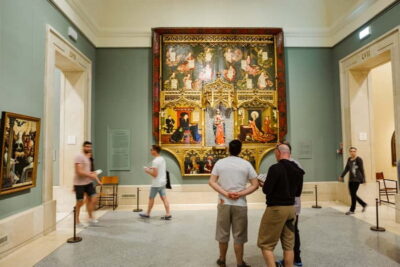
Start with the Romanesque collection if you want the clearest sense of what makes MNAC special. These mural paintings were removed from old churches and preserved in the museum, where many are displayed in a way that recalls their original architectural setting.
That presentation matters. A small panel can be beautiful, but a wall-sized scene gives you a better sense of how medieval worshippers encountered art. The paintings are not merely decoration. They tell religious stories, establish a visual order, and show how artists worked with bold forms and strong outlines.
You might need time to adjust to the style. Romanesque figures can look formal and stylized beside later European paintings. Give the rooms a few minutes before moving on, and use the audio guide for context if you want more than labels.
English explanations are not equally available in every section, particularly in parts of the medieval collection. The audio guide app helps, but you need a charged smartphone and your own headphones. If you want a detailed explanation of every room, download and prepare the app before you arrive rather than waiting until you are inside.
The fresco galleries are especially worthwhile for anyone interested in churches, medieval art, conservation, or Catalan identity. They also give the visit a local focus that a general European art museum may not provide.
Gothic and Renaissance rooms broaden the picture
The museum’s collection moves beyond Romanesque art into Gothic and later European painting. This change in style lets you see how religious images developed over time, with more attention to human figures, space, clothing, and natural detail.
The Gothic rooms help connect the early frescoes with the later works. Instead of looking at Catalan art as an isolated subject, you can follow the shifts in technique and taste across several centuries.
The European Renaissance section adds names such as Tiziano. His presence gives the museum a wider frame, showing that MNAC is not only a collection of local art. You can compare the handling of color, the treatment of people, and the sense of movement with the Catalan works nearby.
I recommend resisting the urge to rush toward the most famous names. The museum’s strength comes from the sequence of periods. You see change more clearly when you allow yourself time with the less familiar works between the headline artists.
Catalan Modernism and the works connected with Gaudí
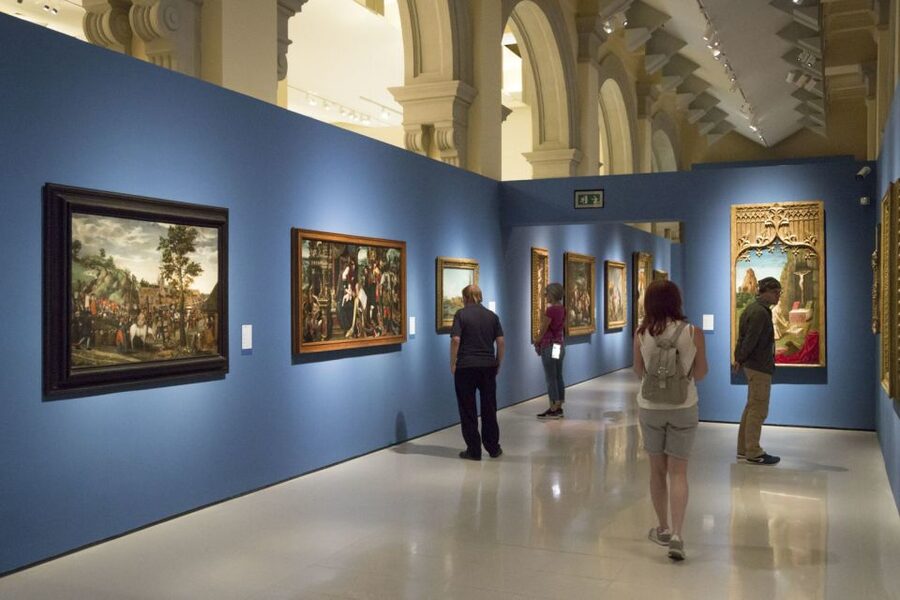
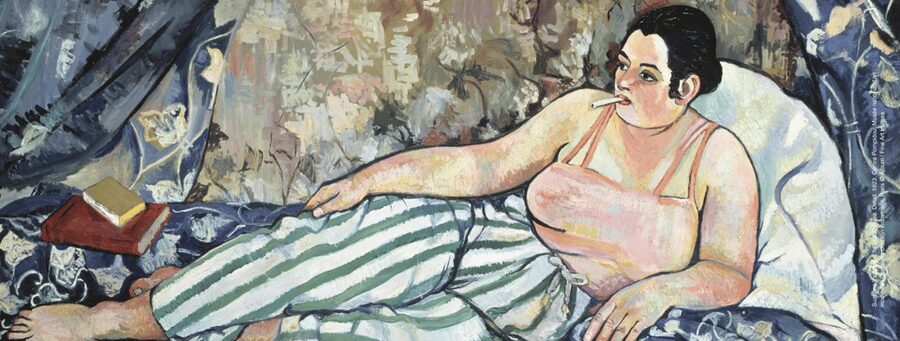
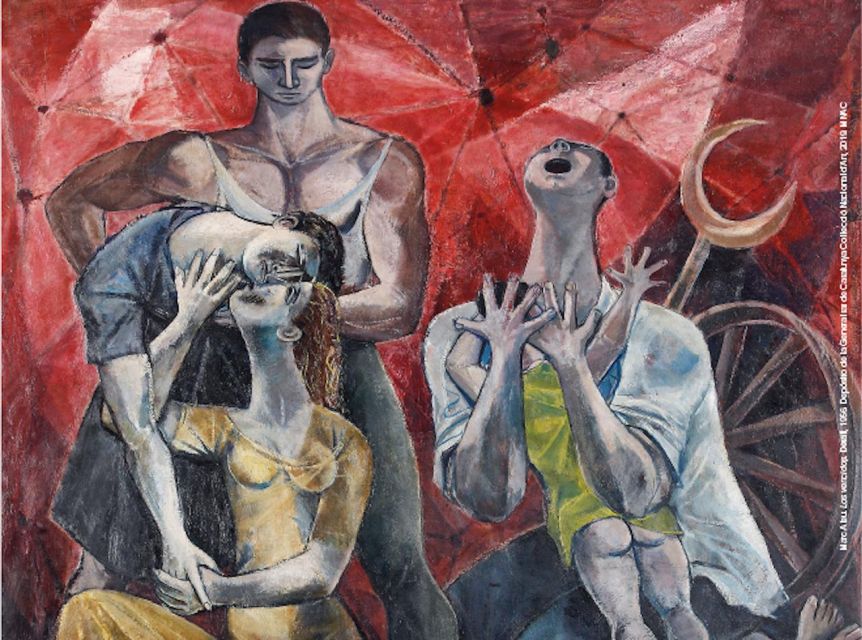
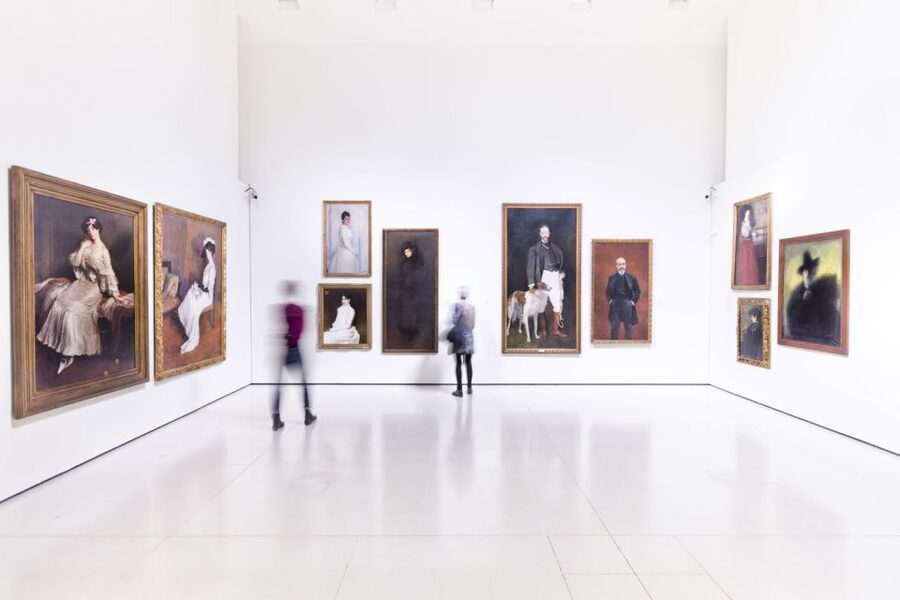
For many people, the Modernist collection will be the liveliest part of the visit. The displays include works connected with Antoni Gaudí and Ramon Casas, helping you see the artistic world that developed alongside Barcelona’s best-known architecture.
If you have already visited Gaudí’s buildings, this section adds useful context. You see how the same period expressed itself through painting, design, and visual culture, not only through stone, tile, and ironwork.
The Modernist rooms are also a good choice if your group has mixed interests. Someone who finds medieval art difficult may respond more quickly to the color, subjects, and atmosphere of nineteenth-century work. Several people have singled out the modern art floor as a favorite, and it is easy to see why it feels more immediate after the formal medieval rooms.
The collection does not ask you to be an expert. Read the labels that interest you, choose a few paintings to study, and let the rest provide background. The museum is too large for a serious look at every object in one short visit.
Same base in Barcelona, a completely different kind of day:
- Barcelona: 24 or 48-Hour Hop-On Hop-Off Bus Tour
★ 4.4 · 20,872 reviews - Barcelona: Park Guell Guided Tour with Skip The Line Entry
★ 4.7 · 17,563 reviews - Barcelona in 1 Day: Sagrada Familia, Park Guell,Old Town & Pickup
★ 5.0 · 13,541 reviews - Barcelona Aquarium: Entry Ticket
★ 4.3 · 13,335 reviews
Velázquez, Tiziano, and the European connection
The Renaissance and Baroque holdings give MNAC extra weight. Works associated with Tiziano and Velázquez place Catalan art in conversation with major Spanish and European traditions.
These rooms are valuable if you are building a Barcelona art itinerary and want more than local Modernism. You can see how the museum connects regional culture with the larger artistic world of Europe.
The exact appeal will depend on your taste. If you mainly want Romanesque frescoes, you may find the later European rooms less distinctive. If you enjoy comparing periods and schools, they make the admission price easier to justify.
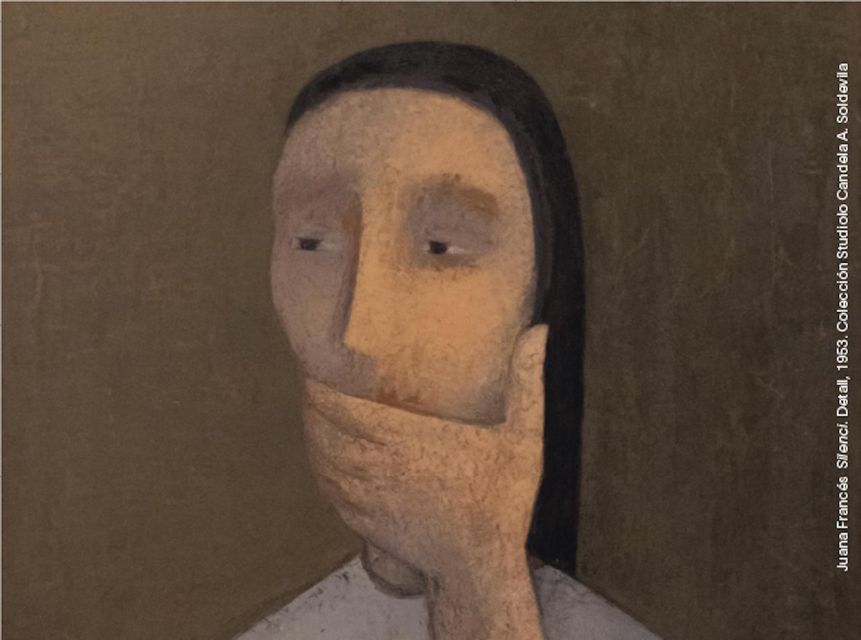
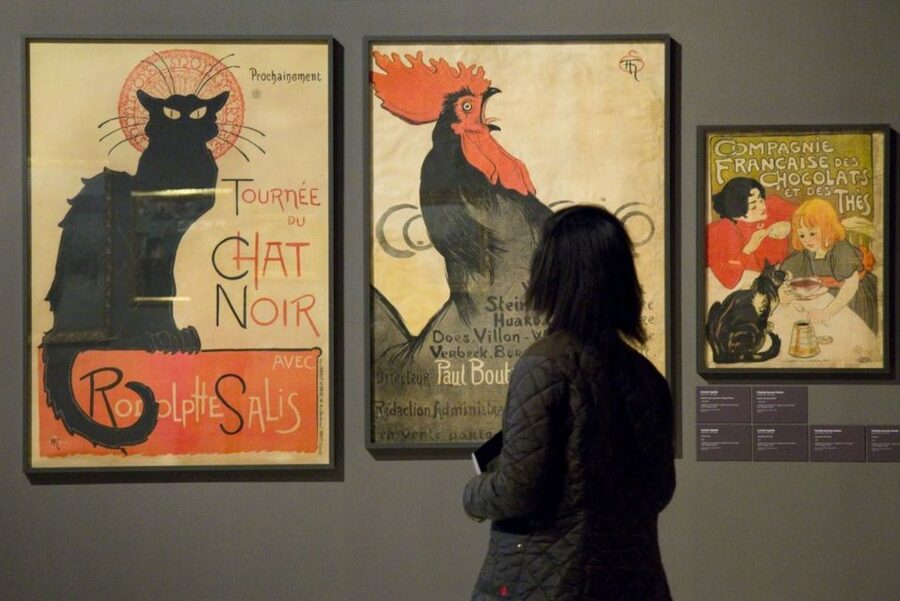
The museum also includes photography. That section provides a change of rhythm after the paintings and sculptures. It reminds you that Catalonia’s visual culture did not end with the nineteenth century, and it gives visitors who are less drawn to religious art another reason to continue through the building.
The Palau Nacional and Montjuïc setting
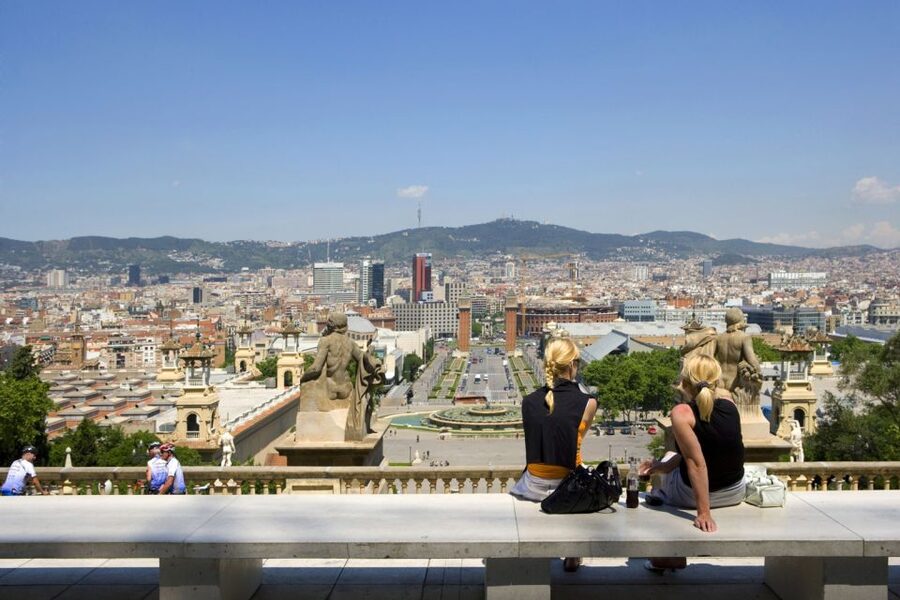
The Palau Nacional gives the visit a sense of occasion before you reach the first gallery. Its 1929 exhibition history adds another layer to the museum, and part of your visit includes the chance to learn about the building itself.
The approach is one of the practical considerations. MNAC is on Montjuïc, so getting there involves an uphill route and some walking. The museum is accessible by metro, and elevators are available near the steps for going up, according to the practical information provided by visitors. In summer heat, the climb can feel tiring, though bars along the steps and escalators offer places to pause.
From the front of the building, you get broad views over Barcelona. These views are available even though the terraces and rooftop are currently out of service because of health regulation requirements. Older visits included rooftop access, so do not plan your day around reaching the roof unless the museum confirms that it has reopened.
The surrounding area also makes it easy to pair MNAC with other Montjuïc sights. I would keep the schedule loose rather than adding too many timed stops. The hill, the building, and the galleries together can fill a substantial part of your day.
How much time should you allow?
The museum’s official guidance suggests a couple of hours, and that is a sensible minimum for a focused visit. In two hours, you can see the main Romanesque collection, sample the Gothic and Modernist sections, and make time for a few European works.
Give yourself three to four hours if you want to read labels, use the audio guide, and see the temporary exhibition. Several visits have lasted four hours, especially when the frescoes and the Modernist works received close attention.
A useful plan is:
- Begin with Romanesque art while your attention is fresh.
- Continue through Gothic, Renaissance, and Baroque works.
- Spend focused time in the Modernist galleries.
- Finish with photography or the temporary exhibition.
- Allow time outside for the building and city view.
The ticket is valid for one day, and the museum empties its rooms 15 minutes before closing. Ticket offices close 30 minutes before closing, so do not arrive late and expect a full visit.
Some admission-free periods may affect your decision. Entry is free from 3 p.m. on Saturdays and on the first Sunday of each month, as well as on Santa Eulàlia, International Museum Day, Catalonia’s national day, and La Mercè. Check the date before paying $14. A paid ticket can still be useful when you want a predictable entry time or when a free period is likely to be crowded, but the price is unnecessary if your schedule fits one of those free opportunities.
The audio guide and practical comfort
The smartphone audio guide is included and available in Catalan, Spanish, English, French, German, Italian, Russian, Japanese, and Chinese. Bring headphones and a fully charged phone.
I would use it selectively rather than listening to every stop. Pick the Romanesque rooms, a few Modernist works, and any artist you do not know. That approach keeps the visit from becoming a long series of information stops.
The museum has cafés where you can pause after the galleries. One café has been praised as a calm place to rest, and the prices have been described as reasonable. Toilets have received mixed practical comments, ranging from clean to cramped and less comfortable, so treat them as a basic facility rather than part of the attraction.
The building and museum are wheelchair accessible. The wide layout and elevators make the visit more manageable, but Montjuïc’s approach can still require planning if you have limited mobility.
Is $14 good value?
At $14, MNAC is a strong value for an art museum of this size. Your admission covers the permanent collection and a temporary exhibition, so you are not paying only for a short look at one famous room.
The value depends on how you visit. If you rush through in an hour, the price may feel less appealing. If you spend two to four hours with the Romanesque frescoes, Modernist art, photography, and temporary display, the cost compares well with other major Barcelona attractions.
The free admission periods are important. Check them before booking, especially if you are in Barcelona on a Saturday afternoon or the first Sunday of the month. Also check current rooftop access. The city view is a useful bonus, but the museum should still be worth visiting for the collections alone while the rooftop is closed.
Who will enjoy MNAC most?
I would recommend MNAC to:
- Anyone interested in Catalan art and culture.
- Visitors who want a quieter alternative to Barcelona’s busiest sights.
- People who enjoy moving between medieval, Modernist, European, and photographic art.
- Families or groups with different tastes, since the collection covers several periods.
- Architecture fans who want to see the Palau Nacional as well as the artworks.
- Visitors looking for a Montjuïc activity that can fill two or more hours.
It may be less suitable if you dislike large museums or only have enough time for a quick stop. Younger children may find the scale and historical material tiring unless you choose a short route. The museum is organized into sections, which helps, but the amount of art can still feel like a lot.
Should you book the Museu Nacional d’Art de Catalunya?
Book it if you want Catalan art with real historical range, especially the Romanesque frescoes and Modernist works. The building, hilltop setting, and Barcelona view add plenty, but the collection is the main reason to come.
Before paying, check the free-entry dates and current rooftop status. If you visit on a free afternoon, you may not need a ticket at all. If you want a planned visit with permanent and temporary exhibitions, $14 is fair, and the included audio guide makes the experience easier to follow.
Give yourself at least two hours, bring headphones and a charged phone, and do not save MNAC for the last rushed hour of the day. It rewards patience, particularly in the fresco galleries and Modernist rooms.
FAQ
Where is the Museu Nacional d’Art de Catalunya?
It is located in the Palau Nacional on Montjuïc, at Palau Nacional s/n, Parc de Montjuïc, 08038 Barcelona.
How much does admission cost?
The listed price is $14 per person.
How long is the ticket valid?
The ticket is valid for one day.
What does the ticket include?
Admission includes the permanent collection, a temporary exhibition, and an audio guide app for your smartphone.
Is an audio guide available in English?
Yes. The audio guide is available in Catalan, Spanish, English, French, German, Italian, Russian, Japanese, and Chinese.
What should I bring?
Bring headphones and a charged smartphone to use the audio guide app.
Is the museum wheelchair accessible?
Yes, the museum is wheelchair accessible.
Is the rooftop open?
The terraces and rooftop are temporarily out of service. Check current conditions before your visit, as access may change.
Recently added around Barcelona
- Park Guell Guided Tour with Skip the Line Tickets★ 4.0 · 739 reviews
- Entrance to the Mirador Torre Glories Barcelona★ 4.5 · 193 reviews
- Bohemian Barcelona Neighborhood Evening Tapas & Wine Tour★ 5.0 · 419 reviews
- Transfers From Cruise Port to Barcelona Airport★ 4.5 · 155 reviews
- Authentic Flamenco Show Barcelona : Intimate Casa Sors Experience★ 5.0 · 809 reviews
- Barcelona Expert Tour with Local Guide in Eco Tuk Tuk Private★ 5.0 · 216 reviews
- Barcelona Sunset Cruise with Light Snacks and Open Bar★ 5.0 · 476 reviews
- Barcelona: Sagrada Familia, Park Guell & Tapas Private Tour★ 5.0 · 903 reviews
Tickets, compared.
Sagrada Familia Entry Ticket with Audio Guide
Read our review →


Live Flamenco Dancing Show Ticket at the Theater
Read our review →