

Reviewed · MALAGA TOURS
Málaga: Museo del Automóvil y la Moda Ticket
The most surprising thing here is not simply the cars. It is the way each period is presented through automobiles, fashion, and art together, turning a car collection into a visual tour of changing taste. One display can move from a polished classic vehicle to period clothing and matching artwork, showing how design worked across daily life.
I like the wide range of cars, from rare early models and elegant Rolls-Royces to Cadillacs, Jaguars, popular small cars, and experimental vehicles. I also like the setting: a handsome 1923 tobacco factory with a cool, spacious interior that gives the exhibits room to breathe. The main drawback is location. It is outside Málaga’s central sightseeing area, and 50 minutes may feel short if you read every display carefully.
Key points to know before you go
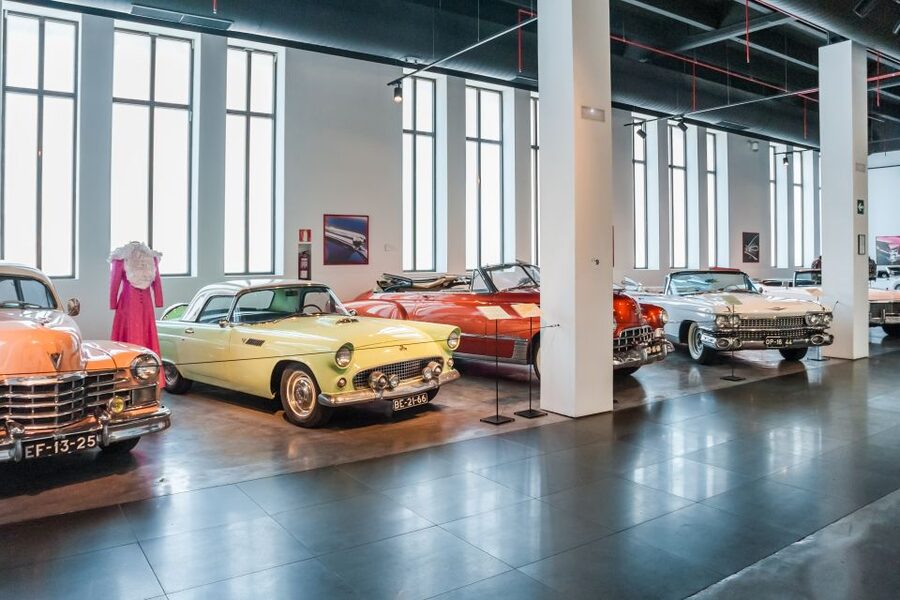
- Cars paired with fashion: Period clothing and artwork help explain the look and mood of each vehicle.
- A former tobacco factory: La Tabacalera adds architectural interest before you even reach the exhibits.
- Sunday engine starting: At 12:30, selected cars are started so you can hear their engines and learn about their power.
- Strong American and English displays: Look for Cadillacs, Rolls-Royce, Jaguar, and other major styles.
- Good value at $14: The ticket covers all collections, with free parking included.
- Plan for about an hour: The stated duration is 50 minutes, though careful readers may want longer.
Inside Málaga’s 1923 La Tabacalera building
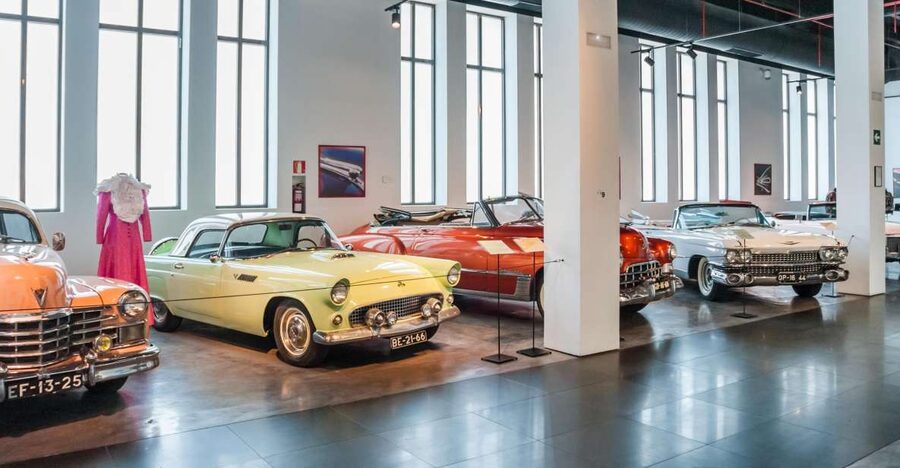
The museum occupies La Tabacalera, a former tobacco factory built in 1923. That matters because this is not a plain modern gallery where the cars sit in anonymous rows. The old industrial building gives the visit a sense of place, and the spacious layout helps the vehicles feel like design objects rather than items in a crowded garage.
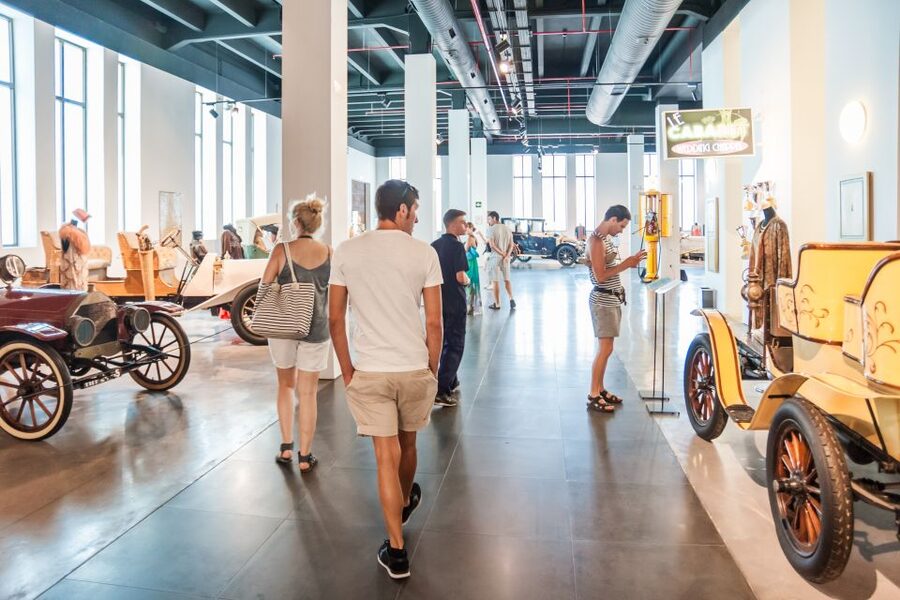
You enter a museum that mixes transportation, fashion, advertising, and visual style. The displays are arranged by theme, so you are not simply walking through a strict year-by-year list of makes and models. You will move between periods and ideas, including dream cars, design cars, popular cars, American models, English marques, and unusual technical experiments.
The building also appears to work well in Málaga’s warm weather. The exhibition areas are described as cool, well lit, and clean, with rest areas and amenities available. That makes this a useful midday stop when outdoor sightseeing becomes tiring.
The museum is at Avenida Sor Teresa Prat, 15, in Málaga. It is easy to reach by car, and free parking is included, which improves the value for anyone driving around Andalusia. The trade-off is distance from the historic center. If your day is built around Málaga Cathedral, the Alcazaba, and the Picasso Museum, you will need to allow extra time to reach this side of town.
A few more Malaga half-days worth comparing
- Málaga: Caminito del Rey Guided Tour with Transportation
★ 4.8 · 12,183 reviews - Caminito del Rey: Guided Tour and Entry Ticket
★ 4.6 · 11,286 reviews - Málaga: Museo Picasso Málaga Entry Ticket
★ 4.4 · 11,138 reviews
A visual tour from early automobiles to future ideas
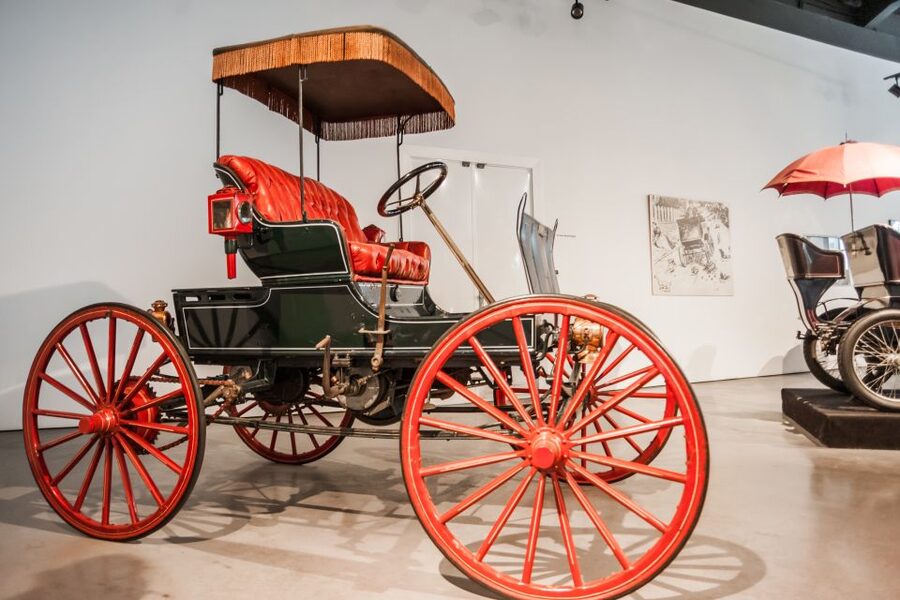
The first part of the visit takes you through the development of the motor car. Rare late 19th-century examples show how early designers were still working out what a car should look like and how it should function.
From there, the displays move toward the stylish cars of the 1920s. This is one of the museum’s strongest ideas: a car is presented not just as a machine, but as part of an era’s taste. The clothing and artwork beside the vehicles give you clues about the shapes, materials, and social image of the period.
You will also find cars described as avant-garde, including designs that were ahead of their time. These displays are useful for anyone interested in industrial design, since they show how automobile makers tested unusual shapes and ideas before the mainstream caught up.
The collection also looks beyond petrol-powered tradition. Vehicles designed to run on alternative energy sources bring the story into the present and future. The museum does not treat automobile history as a straight line from old cars to newer cars. Instead, it shows that designers have long experimented with different solutions.
That range is important. A visitor who knows little about cars can still follow the broad story of invention and changing style. An enthusiast will have more detail to inspect, especially in the vehicle histories and production dates placed near the exhibits.
Dream cars, Cadillacs, and English elegance
The American section brings a different mood. Expect large, highly styled models, including a notable group of Cadillacs. These cars represent the postwar American dream: generous proportions, strong visual presence, and a belief that a car should be noticed.
The Cadillacs are among the displays most likely to hold the attention of children and anyone drawn to bold design. Their size and decoration create a sharp contrast with the smaller European cars elsewhere in the museum.
The English cars offer a quieter kind of glamour. Rolls-Royce and Jaguar represent craftsmanship, restraint, and long-running British design traditions. Seeing them in the same building as American dream cars helps you compare two very different ideas of luxury.
The museum also includes a group of popular cars. This is a smart choice because it keeps the collection from becoming only a parade of rare and expensive machines. An immaculate Austin Seven, a Morris Minor, and a 1960s Velorex bring the story closer to ordinary motoring.
That section gives the museum balance. You can admire exceptional cars, then return to vehicles that were designed for practical everyday use. For me, this contrast makes the collection easier to understand and more enjoyable for people who do not usually visit car museums.
Why the fashion displays matter
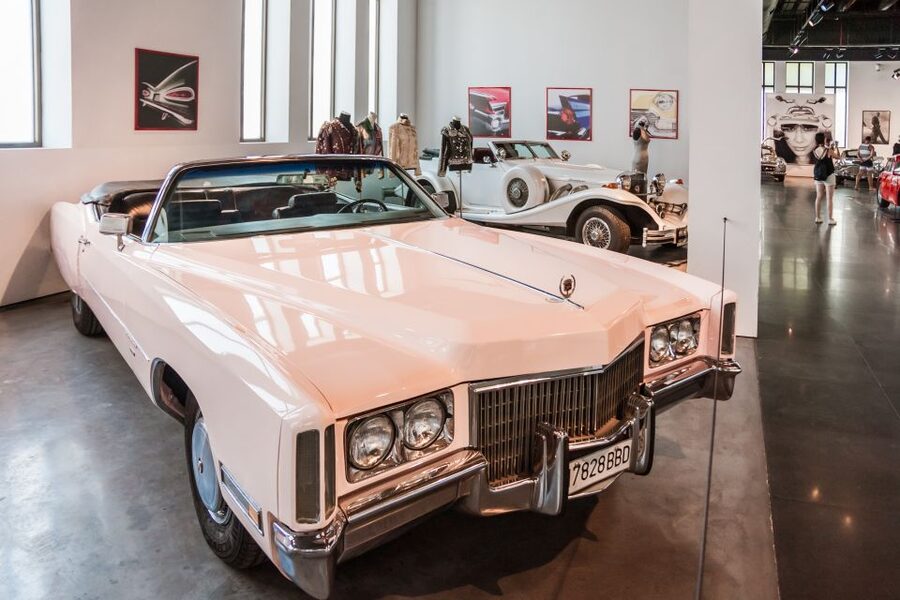
The fashion is not an unrelated extra added to fill space. It is used to explain the visual character of each automobile era. Dresses, accessories, and designer clothing appear beside cars from matching periods, creating a conversation between the vehicle and the people who might have owned or admired it.
This is especially useful if you are visiting with someone who is less interested in engines. A partner or child may connect more readily with the clothing, posters, and artwork than with mechanical details. The shared display gives everyone something to study.
The fashion area includes vintage and designer pieces, and the presentation can be quite theatrical. Some displays use mannequins inside or beside cars, which adds atmosphere but may not appeal to everyone. If you prefer a strictly technical museum, this approach can feel unusual.
I think the combination works best when you pay attention to the overall design. Notice how the lines of a dress, the color of a car, and the surrounding artwork create a single period picture. The museum becomes as much about style and social identity as transport.
There is also a virtual room where you can try on Dior dresses digitally. It is a small interactive touch, but it gives younger visitors and fashion-minded adults something hands-on to do. The displays can also support an interest in art, textiles, advertising, and design history.
Same base in Malaga, a completely different kind of day:
- Caminito del Rey: Entry Ticket and Guided Tour
★ 4.6 · 8,149 reviews - From Málaga & Costa del Sol: Caminito del Rey Guided Tour
★ 4.7 · 7,488 reviews - El Chorro: Caminito del Rey Guided Tour with Shuttle Bus
★ 4.7 · 7,091 reviews - Caminito del Rey: Tour with Official Guide and Drink
★ 4.7 · 6,190 reviews
The Sunday 12:30 engine-starting session
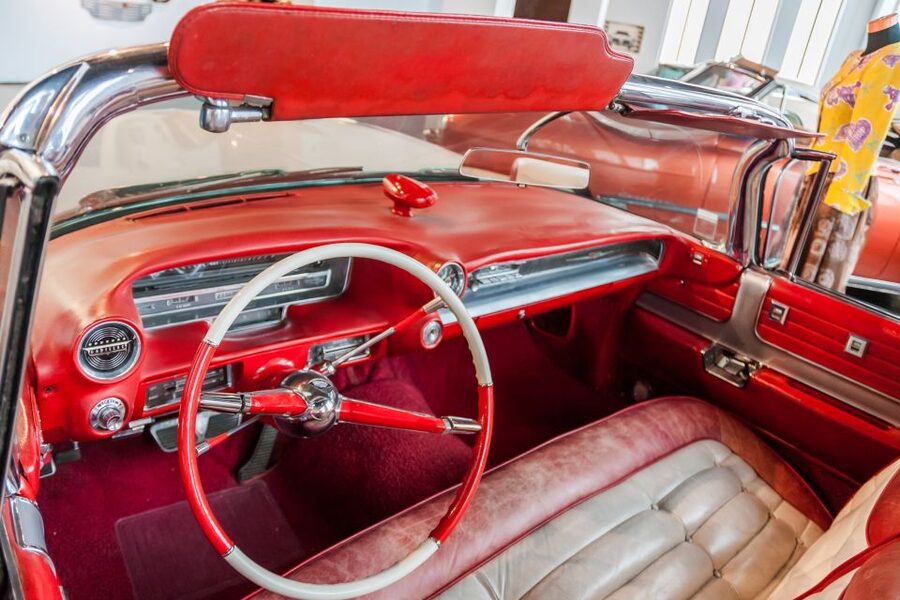
If you can arrange your visit for Sunday at 12:30, you may be able to attend Running the Engines. Selected vehicles are started so you can hear their engines and learn about their power.
This changes the experience. A stationary car lets you study its bodywork, but an engine gives you a sense of the machine as a working object. Sound, vibration, and mechanical noise can make the older vehicles easier to imagine on the road.
The activity is not included as a separate attraction in the basic description, so check the current schedule when planning. The supplied information confirms the Sunday time, but it does not identify exactly which cars will be started on a particular date.
For car enthusiasts, this is the best reason to favor Sunday. If you care more about the fashion, artwork, and visual display, any opening day can still work well.
How long to allow, and how to pace the visit
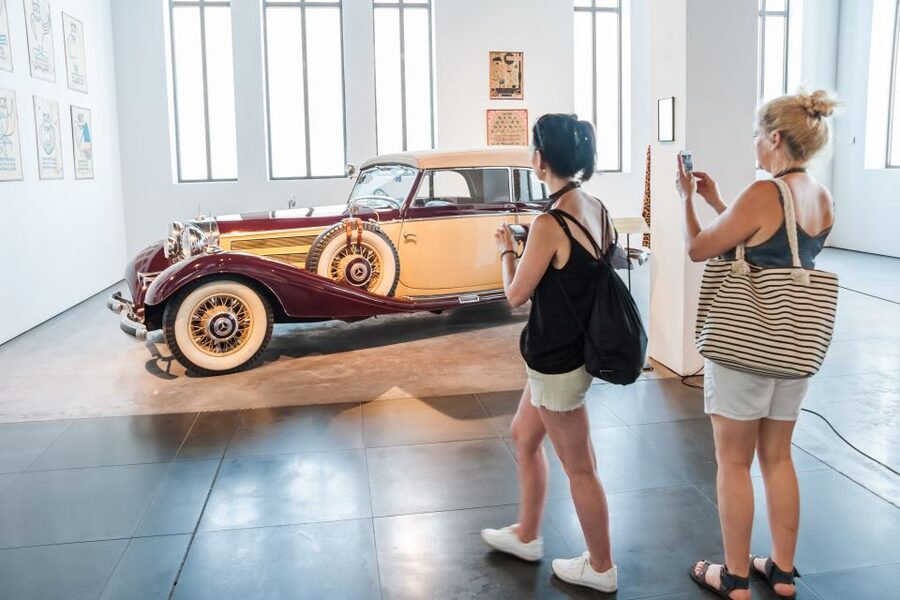
The ticket lists a duration of 50 minutes. That is a realistic quick visit, especially if you move through the main themes and read only the key information beside each car.
I would allow about an hour if your schedule permits. The museum is not described as huge, but there are enough eras, vehicles, clothing displays, and historical notes to reward a slower pace. One visitor found it easy to spend a good hour there, while another felt the collection could have included more.
Start with the broad layout rather than stopping at every car immediately. First identify the major sections: early automobiles, 1920s style, American models, English brands, popular cars, and alternative-energy designs. Then return to the vehicles that catch your eye.
Short histories and manufacturing dates are placed beside the cars. These notes help you understand what you are seeing without requiring specialist knowledge. If you want to photograph the exhibits, leave extra time, since the displays can draw you into small details.
The museum provides a free WiFi area, and there are rest areas. Facilities are adapted for seniors and people with disabilities, with easy parking. Special tours are available for people with sensory limitations. Bring a passport or other ID, and bring a student card or disability card if those documents apply to your ticket.
Large bags and luggage are not allowed. Smoking is prohibited indoors, and swimwear is not suitable attire for the museum.
Is the $14 ticket good value?
At $14 per person, this is a reasonable museum ticket, particularly because free parking is included. You are paying for more than a row of vehicles: the entry covers the themed car collections, fashion displays, art elements, and the restored factory setting.
The value is strongest for couples and families with different interests. A car enthusiast can focus on makes, dates, restoration, and engineering, while another member of the group can spend time with the clothing and design. That shared appeal is a major strength.
The ticket is less compelling if you want a large national transport museum with hundreds of vehicles or a long guided lecture. The stated visit lasts 50 minutes, and one four-star assessment felt there could have been more to see. The collection is selective rather than enormous.
A guided tour can be added for professional commentary, but the information provided says that if you choose the guided option, you should also buy the museum entrance ticket. Check the combined price carefully before booking so you do not assume the guide replaces entry.
You can cancel up to 24 hours ahead for a full refund, and the reserve-now, pay-later option keeps your plans flexible. Those policies are useful if your Málaga day depends on weather, transport, or a changing cruise schedule.
Who will enjoy this museum most
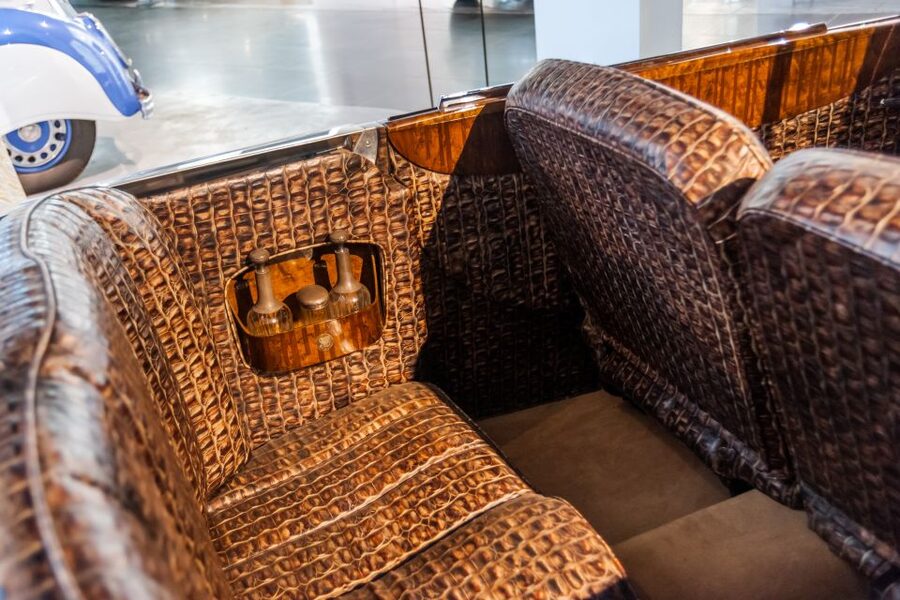
I would recommend this museum to anyone with even a mild interest in cars, especially if you also enjoy fashion, advertising, architecture, or art. You do not need to know the difference between every engine type to appreciate the clean presentation and the changing styles.
Families should find plenty to hold attention, including large American cars, unusual designs, the virtual fashion activity, and the promise of working engines on Sunday. The museum is also suitable for a birthday outing or a mixed-age group because the displays offer several ways in.
It is a particularly good fit for:
- Car enthusiasts interested in classic models and restoration.
- Fashion and textile students who want period design in a wider social setting.
- Couples with different museum interests.
- Families seeking an indoor activity with free parking.
- Visitors who have already seen Málaga’s main historic sights.
You may want to skip it if your schedule is extremely tight in central Málaga, if you dislike fashion integrated into automobile displays, or if you expect a very large technical collection. The old factory building and the themed presentation are central to the experience, so this is more of a design museum with cars than a purely mechanical exhibition.
Practical verdict: should you book it?
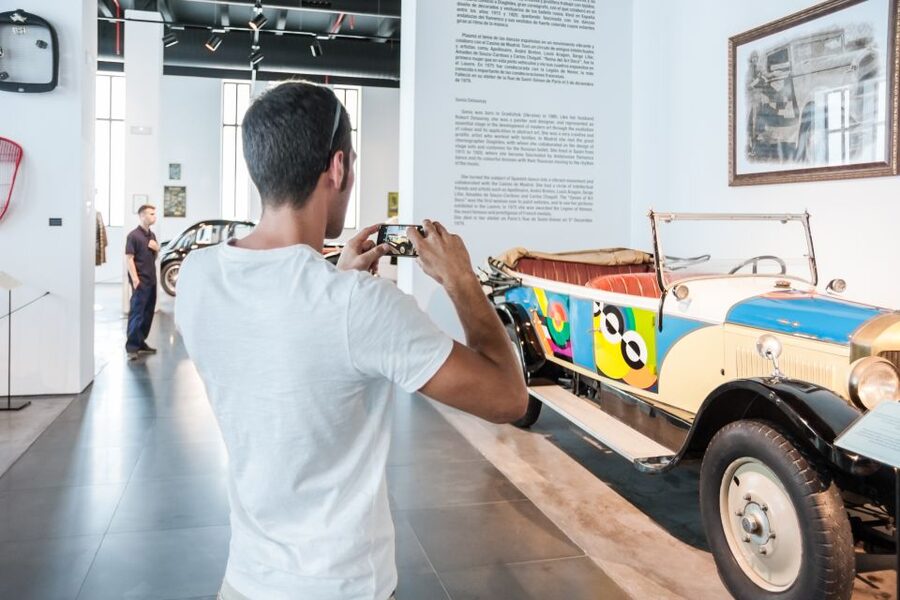
I would book the Automobile and Fashion Museum if you can spare an hour and do not mind leaving the city center. The strongest features are the beautifully maintained cars, the period clothing, the former tobacco factory, and the mix of famous luxury models with ordinary popular vehicles.
Choose Sunday at 12:30 if hearing selected engines matters to you. Otherwise, visit when it fits your route, bring identification, leave large bags behind, and allow more than the bare 50 minutes if you like reading exhibit notes.
At $14, free parking, and a broad appeal beyond car fans, this is a solid Málaga add-on. It is not the biggest museum of its kind, but its connection between cars and fashion gives the visit a clear personality.
FAQ
Where is the Automobile and Fashion Museum in Málaga?
It is at Avenida Sor Teresa Prat, 15, 29003 Málaga, Spain, inside the former La Tabacalera tobacco factory.
How long does the visit take?
The stated duration is 50 minutes. You may want to allow about an hour if you plan to read the information beside the cars and spend time with the fashion displays.
How much does admission cost?
The listed price is $14 per person.
Is parking available?
Yes. Free parking is included at the museum.
Can I visit without taking a guided tour?
Yes. You can explore the collections independently, or choose the optional guided tour.
Is the guided tour included with museum entry?
The information provided says that if you choose the guided tour, you should also buy your museum ticket. Check the booking options carefully.
What happens on Sundays at 12:30?
The museum offers Running the Engines. Some vehicles are started, giving you the chance to hear the engines and learn about their power.
What kinds of cars are on display?
The collection includes late 19th-century vehicles, American dream cars, Cadillacs, English brands such as Rolls-Royce and Jaguar, popular cars including an Austin Seven and Morris Minor, avant-garde designs, and vehicles made for alternative energy sources.
Is the museum accessible for people with disabilities?
The facilities are adapted for seniors and people with disabilities. The site has easy parking and rest areas, and special tours are available for people with sensory limitations.
What should I bring, and what is not allowed?
Bring a passport or ID card. You may also need a student card or disability card when relevant. Large bags and luggage are not allowed, smoking is prohibited indoors, and swimwear is not permitted.
Recently added around Malaga
- Tour to Gibralfaro★ 4.7 · 182 reviews
- Málaga: Picasso Birthplace Museum Ticket & City Audio Guide★ 4.1 · 158 reviews
- Nerja, Torrox, or Torre del Mar: Caminito del Rey Day Trip★ 4.9 · 762 reviews
- Malaga: Tuk tuk tour★ 4.8 · 402 reviews
- Malaga: Organic Vineyard Tour with 6 Wines, Tapas & Transfer★ 4.8 · 334 reviews
- Malaga: The Ultimate Tapas Workshop with Market Visit★ 4.9 · 108 reviews
- Malaga: Tour of Malagueta Bullring & Immersive Exhibition★ 4.7 · 271 reviews
- Malaga: Tapas Tasting Tour★ 4.9 · 133 reviews
Malaga Tours, compared.

Caminito del Rey Guided Tour with Transportation
Read our review →
Caminito del Rey: Guided Tour and Entry Ticket
Read our review →

Caminito del Rey: Entry Ticket and Guided Tour
Read our review →
From Málaga & Costa del Sol: Caminito del Rey Guided Tour
Read our review →
El Chorro: Caminito del Rey Guided Tour with Shuttle Bus
Read our review →
Caminito del Rey: Tour with Official Guide and Drink
Read our review →
Alcazaba and Roman Theatre Guided Tour With Entry
Read our review →Browse the lists this tour appears in