
Reviewed · CADIZ TOURS
Jerez de la Frontera: Palacio Domecq Entrance Ticket
The most interesting part of Palacio Domecq is its mix of private mansion and public symbol. This is not simply an old house with furniture on display. It was built for the aristocracy and successful wine merchants of Jerez, and its polished rooms, marble courtyard, and grand balconies show how commercial success became social power. I like the way the palace connects Jerez’s wine tradition to the city’s architecture, and I like that the visit is short enough to fit neatly between other sights. The main drawback is the strict no-photography rule, which can feel frustrating in such a decorative interior.
The 45-minute visit works best if you enjoy architecture, interiors, and local history more than hands-on activities. The audio guide is offered in Spanish, English, and French, though one Spanish-language assessment found the listening format dull. The palace is authentic and attractive, but you should know that access is self-guided rather than led by a named historian, and the admission price may feel high for a brief visit.
Key points to know before entering
- An 18th-century Jerez wine family mansion: Palacio Domecq reflects the wealth of aristocrats and established wine merchants in the city.
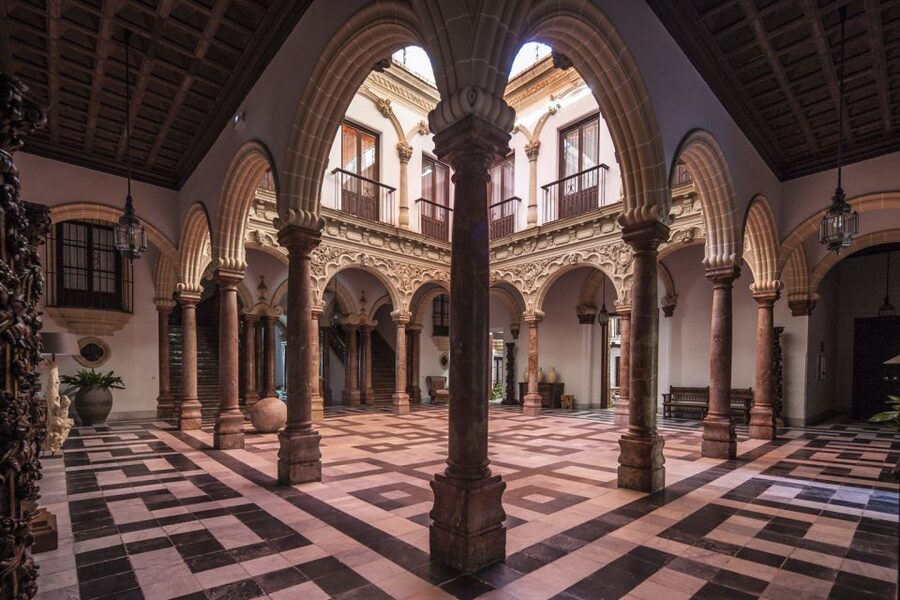
- A striking Italian-marble courtyard: The quadrangular house is organized around a central open space that gives the visit its clearest architectural focus.
- Decorated interiors without photographs: Paintings, wall hangings, sculptures, and fine materials are part of the experience, but cameras must remain put away.
- A 45-minute audio-guided visit: Commentary is available in Spanish, English, and French, with no live guide named in the experience details.
- Grand balconies over Jerez: The upper levels provide some of the palace’s best views of the city.
- Wheelchair access needs advance planning: Accessible entry is available, but you must purchase tickets at least 24 hours ahead for logistical reasons.
Why Palacio Domecq tells Jerez’s story well
Jerez is closely linked with wine, and Palacio Domecq lets you see what that trade meant beyond the cellar. The building expresses the social reach of families whose businesses helped shape the city. You are looking at a home designed not merely for comfort, but also for display.
The palace is described as a classic Jerez bourgeois house from the latter half of the 18th century. That detail matters. Jerez was not only a town of old aristocratic families. Successful winemakers and merchants could gain status, wealth, and influence, then express it through substantial homes with formal facades and carefully decorated interiors.
I find that context more useful than a simple list of architectural features. The paintings and sculptures are attractive, but they also help show how the people who lived here wanted to be seen. The building turns wine money into marble, balconies, ornament, and ceremony.
The palace is also unusual within Jerez. Its character comes from the combination of Andalusian Baroque design, a large central courtyard, and the story of a family with a long winemaking tradition in Spain and Europe. You get a compact look at both architecture and commerce in one address.
A few more Cadiz half-days worth comparing
- Jerez: Yeguada de la Cartuja Carthusian Horses Tour
★ 4.8 · 970 reviews - Tarifa: Whale & Dolphin Watching in the Strait of Gibraltar
★ 4.7 · 835 reviews - Cadiz: City Sightseeing Hop-On Hop-Off Bus Tour
★ 4.1 · 753 reviews
The facade and first impression
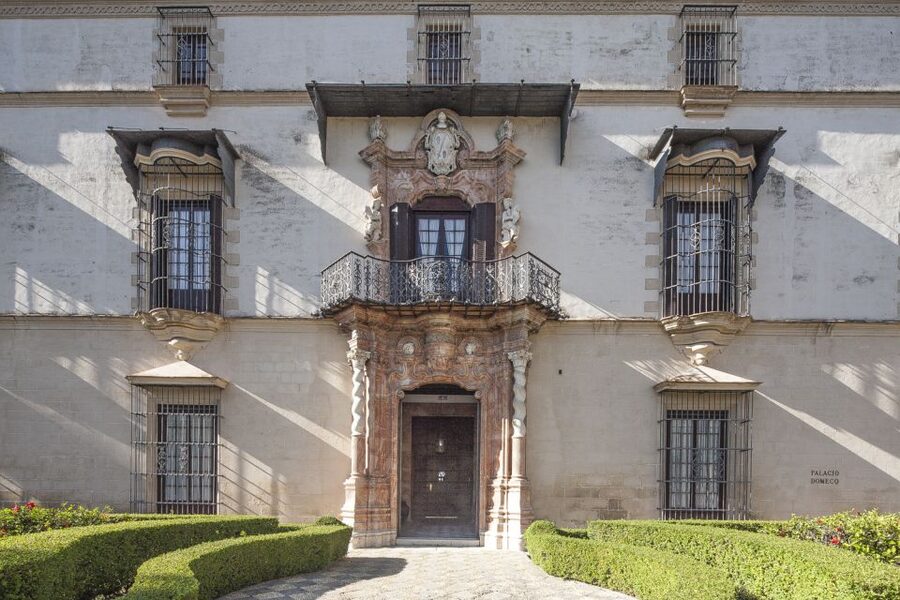
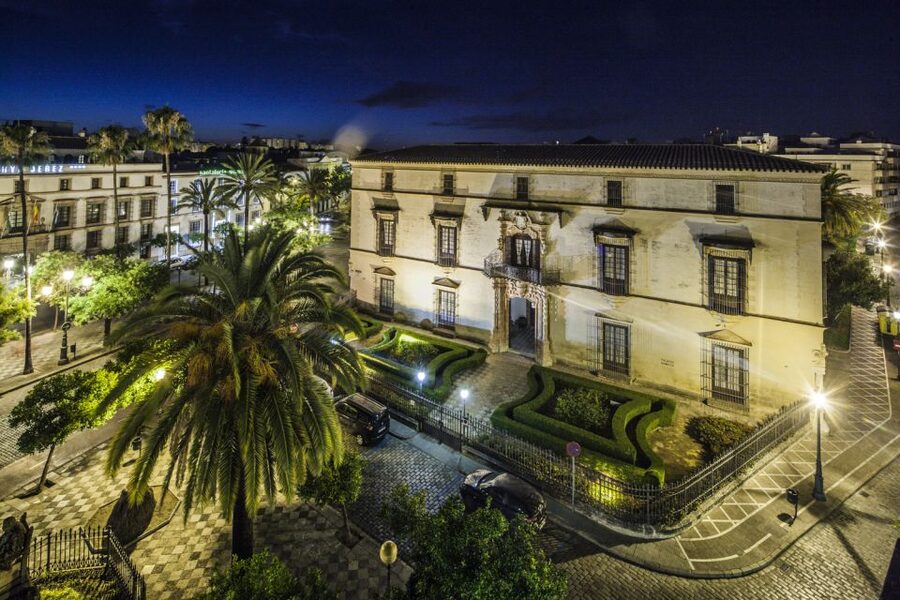
Begin at the main entrance of Palacio Domecq, where you show your ticket before going inside. The palace has a three-story facade with imposing balconies. Even before you hear the audio commentary, the exterior signals that this was an important residence.
The facade is useful preparation for the interior. Its height and formal arrangement make sense once you understand that the house belonged to people who wanted their social position to be visible. This is not a modest Andalusian dwelling built around everyday practicality alone. It is a statement house.
The entrance arrangements could be clearer, so allow a moment to find the main door and confirm that you are at the correct entrance. There is no separate transport plan to arrange for this activity, and the experience details direct you to go straight to the palace.
Since the visit lasts only 45 minutes, you do not need to build a full morning around it. I would pair it with other central Jerez sights, leaving enough time to arrive without rushing. The short format is helpful if your schedule includes a winery visit, another historic building, or a meal nearby.
The Italian-marble courtyard at the center
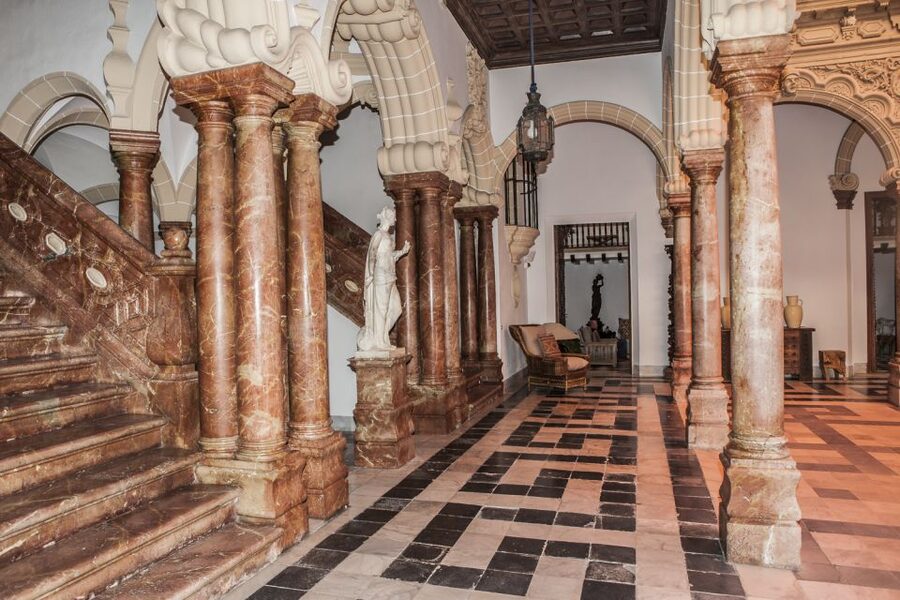
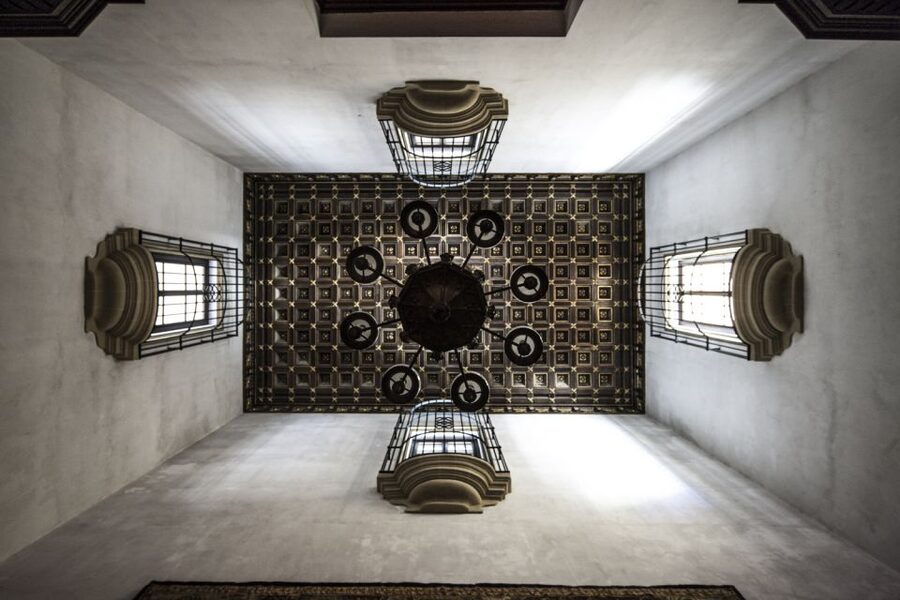
Inside, the central courtyard provides the palace’s strongest architectural moment. The house has a quadrangular floor plan, with the courtyard acting as its organizing heart. Its Italian marble gives the center of the palace a formal, refined appearance.
Courtyards are a familiar feature in Andalusian architecture, but the materials and scale here point to a more prosperous household. This is where you can best understand the difference between a simple domestic patio and a palace courtyard designed to impress.
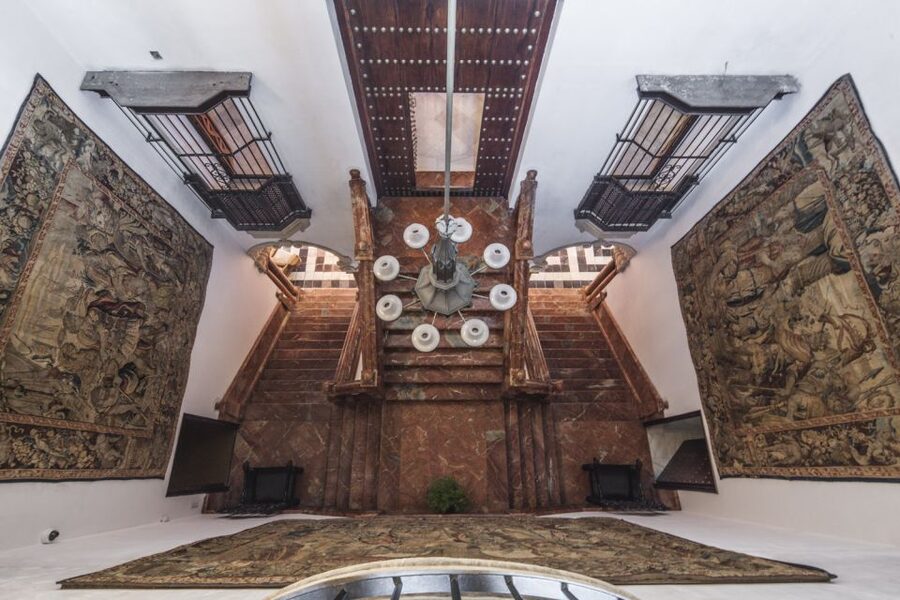
The courtyard also helps you read the building as a whole. Rooms and levels open toward this central space, creating a clear sense of order. Rather than wandering through unrelated rooms, you can see how the palace was planned around a single elegant core.
The audio guide provides the structure for your visit. You can listen as you move from one area to another, with commentary available in English, Spanish, and French. English commentary received specific praise for being clear through the supplied earphones. If you prefer a live guide who reacts to questions, though, this format may feel limited.
Rooms filled with art and fine materials
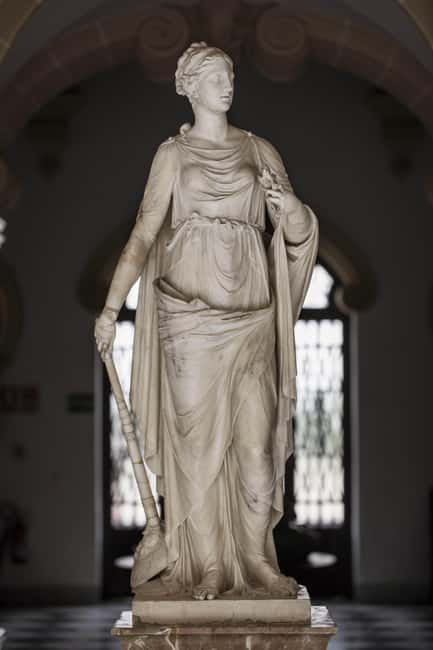
The interior includes paintings, tapestries, sculptures, and noble materials. These details give the palace its decorative force, but the experience is more about looking carefully than touching or photographing. Exhibits must not be touched, food and drinks are not allowed, and noise is restricted.
Because photographs are forbidden inside, pay attention while you are there rather than planning to record every room. I understand the desire to protect historic interiors, but the rule can be disappointing when you encounter an especially ornate wall, sculpture, or ceiling. One assessment found the ban hard to understand, while still calling the interior impressive.
The no-photo policy changes the pace in a useful way. You are less likely to hurry from room to room searching for pictures, and more likely to look at the finishes and arrangement in front of you. Still, if taking interior photographs is central to your enjoyment of historic houses, this is an important limitation.
The palace should be approached as a preserved interior, not as an interactive museum. You will not be handling objects, sampling wine, or taking part in a demonstration. The reward is the chance to see how a prosperous Jerez household used architecture and decoration to create a formal setting.
Same base in Cadiz, a completely different kind of day:
- Jerez: Bodegas Fundador Guided Tour with Tasting Session
★ 4.8 · 714 reviews - Jerez: Guided Winery Tour with Wine Tasting
★ 4.4 · 636 reviews - From Seville: Cadiz and Jerez de la Frontera Day Trip
★ 4.2 · 595 reviews - Cultural excursion for one day to Tangier with ferry included
★ 4.0 · 577 reviews
What the audio guide adds, and where it falls short
The audio guide is included in the ticket, so there is no separate charge for the basic commentary. It is available in English, Spanish, and French, which makes the visit accessible to many international visitors.
An English-speaking assessment found the commentary good through earphones. That is useful if you want clear information without reading every label. The audio format also lets you set your own pace within the 45-minute visit, at least within the palace’s normal visiting flow.
Still, an audio guide is not automatically a lively experience. A Spanish-language assessment found the system boring and felt it reduced the possible charm of the palace. That reaction is worth taking seriously. A grand house can feel flat if the commentary gives you facts without a strong sense of people, daily life, and atmosphere.
You should book Palacio Domecq if you are comfortable supplying some of your own curiosity. Look closely at the courtyard, facade, materials, and views. The guide provides a framework, but the building itself does much of the work.
There is no guide name to look for because the experience information does not identify a live guide. That makes the visit simple and predictable, but it also means you should not expect a personal conversation or a flexible route based on your interests.
The upper balconies and views across Jerez
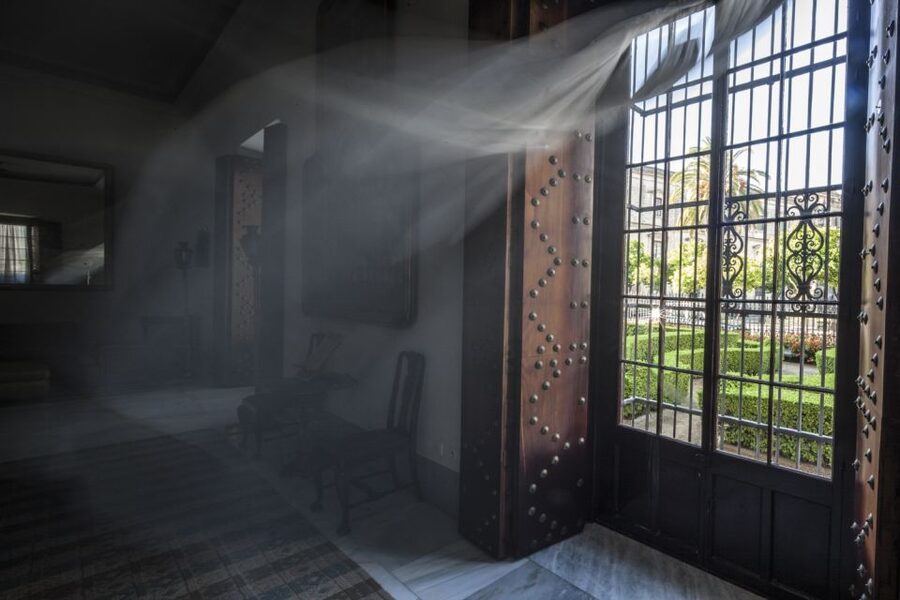
The three-story facade includes majestic balconies that offer some of the best views of Jerez. These views add variety to an otherwise interior-focused visit. After studying marble, paintings, and sculpture, you get a chance to look outward at the city that produced the palace’s wealth.
The balcony areas also help connect the building to its public role. A house of this scale was meant to be noticed from outside, and its occupants could look over the city from a position of comfort and status. The view is therefore part of the social story, not just a pleasant pause.
The available details do not promise a wide panoramic lookout or a long outdoor stay, so keep expectations reasonable. Think of the balconies as a valuable part of the palace route rather than a separate viewpoint attraction.
Is the $17 admission good value?
The listed price is $17 per person. For that amount, you receive entry and an audio guide, with a visit lasting about 45 minutes. The value depends on what you want from a historic attraction.
I think the price is easier to justify if you are interested in historic homes, Andalusian Baroque architecture, or Jerez’s wine families. The palace offers a type of access you cannot get from a street view alone. You see the courtyard, rooms, decorative materials, and balconies while learning how the house fits into the city’s commercial past.
The value is less convincing if you expect a long tour, wine tasting, or a live expert presentation. There is no tasting included, and the visit is over in less than an hour. One assessment described the price as too high and referred to a €25 charge for an audio-guided visit, so check the current amount shown at booking rather than relying on an old figure or assuming every sales channel uses the same price.
For me, the short duration is both a strength and a weakness. You can fit Palacio Domecq into a busy day without losing half a morning. But if you judge admission only by minutes inside, you may feel the cost is steep.
Who will enjoy this visit most?
I would recommend Palacio Domecq to you if you like:
- Historic houses and formal interiors
- Andalusian Baroque architecture
- The connection between wine, business, and social status
- Short cultural visits with an audio guide
- Looking at materials, decorative arts, and building design
- Seeing a less ordinary side of Jerez beyond wine production
You may want to skip it if you need a highly interactive activity, a live guide, or permission to photograph interiors. The visit is quiet and controlled. You must not touch exhibits, bring food or drinks inside, smoke, or make noise.
The palace is also not suitable for visually impaired or hearing-impaired people according to the supplied activity information. Wheelchair access is available, but accessible tickets must be purchased at least 24 hours ahead because of logistical requirements. Baby strollers, large bags, luggage, pets other than assistance dogs, and unaccompanied minors are not permitted.
Bring your passport or identity card. You will need to show your ticket at the main entrance, and the activity is non-refundable, so choose your timing carefully.
How to make the 45 minutes count
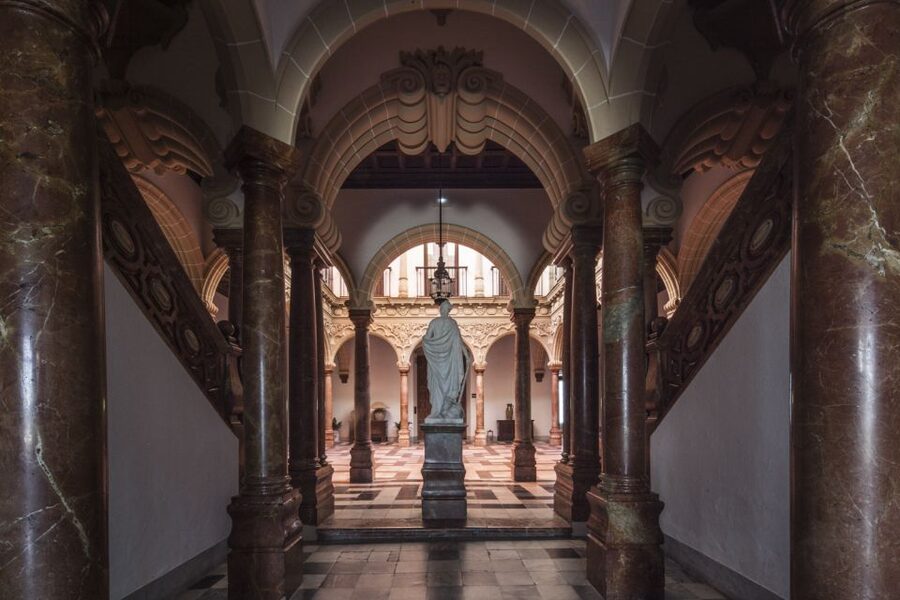
Start by taking in the facade before you enter. Notice the height, balconies, and formal arrangement. Once inside, give the central courtyard enough time to understand the plan of the house rather than rushing straight to the decorated rooms.
Use the audio guide for context, but keep your eyes on the building. The most rewarding details are likely to be the relationship between the courtyard and the rooms, the quality of the materials, and the way the palace presents wealth. Since photography is not allowed, make a mental note of the details that explain the building’s character.
Listen for the connection between the Domecq family and Jerez’s winemaking tradition. That link is the visit’s main reason to exist. Without it, you would be seeing a handsome old mansion. With it, the palace becomes a compact lesson in how wine commerce shaped the city’s upper class.
Do not expect a tasting or a cellar tour. This experience is about the residence and its social meaning. If wine is your main interest, you may want to treat Palacio Domecq as an architectural supplement rather than a replacement for a winery visit.
Should you book Palacio Domecq?
Book it if you want a short, focused look at an authentic 18th-century Jerez mansion and you enjoy learning through an audio guide. The Italian-marble courtyard, ornate interiors, balcony views, and link to the city’s winemaking families give the visit a clear identity.
Think twice if $17 feels high for 45 minutes, if you want a live guide, or if interior photographs matter to you. The audio commentary may feel dry, and the no-photo rule is strict.
My practical call: architecture and local-history fans should book, especially if you have a spare hour in Jerez. Wine enthusiasts should book only if they also want to understand the people and social world behind the industry. For everyone else, it is a pleasant but optional stop, not a must-see replacement for Jerez’s broader sights.
FAQ
How long does the Palacio Domecq visit last?
The visit lasts approximately 45 minutes. Starting times are subject to availability.
What languages are available for the audio guide?
The audio guide is available in Spanish, English, and French.
Is photography allowed inside Palacio Domecq?
No. Photography inside is not permitted. You also cannot touch the exhibits or make excessive noise.
Is Palacio Domecq wheelchair accessible?
Yes, the palace is wheelchair accessible. For wheelchair access, tickets must be purchased at least 24 hours in advance because of logistical requirements.
What should I bring to the entrance?
Bring your passport or identity card. Go to the Palacio Domecq main entrance and show your ticket to enter.
Can I bring a stroller, luggage, food, or a pet?
Baby strollers, luggage, large bags, food, drinks, and pets are not allowed. Assistance dogs are permitted.
Recently added around Cadiz
- Jerez: Traditional Tapas Tour★ 4.6 · 138 reviews
- Sancti Petri: Sunset Catamaran Cruise★ 4.5 · 277 reviews
- Jerez: Historic Center Guided Tour★ 4.5 · 272 reviews
- Jerez: Flamenco Show and Menú at Tablao Puro Arte 2025★ 4.5 · 213 reviews
- Jerez: Bodegas Álvaro Domecq Guided Tour with Wine Tasting★ 4.6 · 265 reviews
- From Seville: Jerez, Cádiz and Andalusian Horses★ 4.4 · 143 reviews
- Cadiz: Highlights Tour by Segway★ 4.6 · 212 reviews
- Cádiz: Bay of Cádiz Catamaran Tour with Host★ 4.4 · 327 reviews
Cadiz Tours, compared.


Tarifa: Whale & Dolphin Watching in the Strait of Gibraltar
Read our review →

Bodegas Fundador Guided Tour with Tasting Session
Read our review →

Cultural excursion for one day to Tangier with ferry included
Read our review →
Walking Tour through Cádiz: Stories from the hand of a local guide
Read our review →Browse the lists this tour appears in